
Jodhpur
· IN

Jodhpur

Jodhpur, Rajasthan, India

Step into the Blue City: Jodhpur, Rajasthan Jodhpur, the "Blue City" of Rajasthan, beckons with a captivating blend of history, culture, and breathtaking landscapes. Bathed in hues of azure, this ancient city rises from …

#Historic City#Blue City#Fortress#Desert Landscape#Cultural Heritage
1/8

Top hotels & flights

Hand-picked stays and the best fares into Jodhpur.

Top Hotels in Jodhpur

Top Flights to Jodhpur

Location videos

Real reels from travelers, plus longer watches to get the full picture.

From travelers

Practical info

The essentials for planning your time in Jodhpur.

Currency
₹ | INR | Indian Rupee
Population
The approximate estimated total population of Jodhpur, Rajasthan, India is around '1.5 million'.
Languages
Hindi, Rajasthani, Urdu, Sindhi, Punjabi
Average weather
Jodhpur
Jan
clear
24°10°
Feb
clear
27°13°
Mar
sun
33°18°
Apr
hot
38°24°
May
hot
41°28°
Jun
hot
39°29°
Jul
rain
36°26°
Aug
rain
34°25°
Sep
sun
34°24°
Oct
sun
34°20°
Nov
clear
30°15°
Dec
clear
25°11°

Local guide

What travelers love, what to watch for, and a deeper read on Jodhpur.

What people love

Jodhpur, located in the state of Rajasthan, India, is a city known for its rich history, vibrant culture, and stunning architecture. Here are some pros of traveling to Jodhpur:

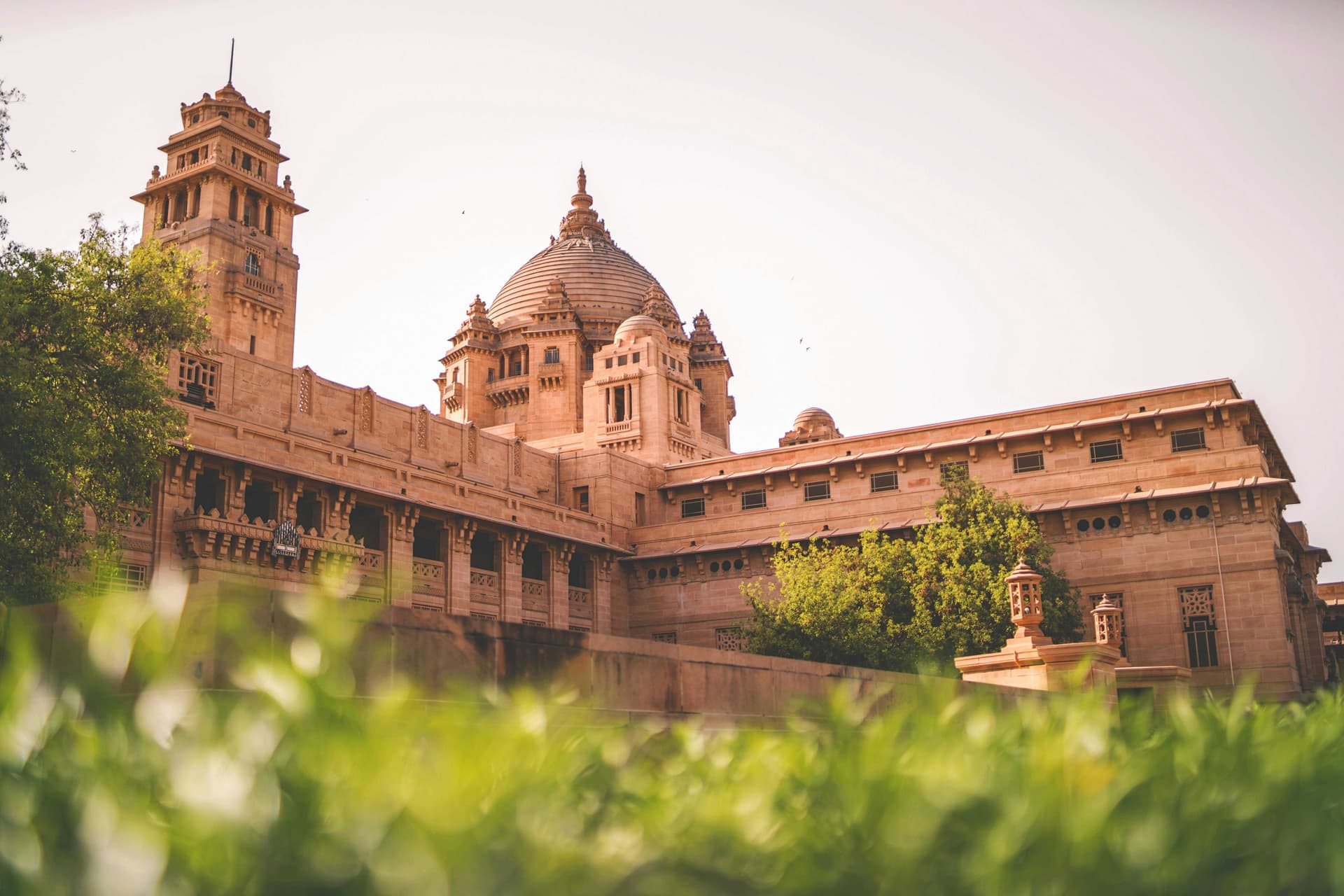
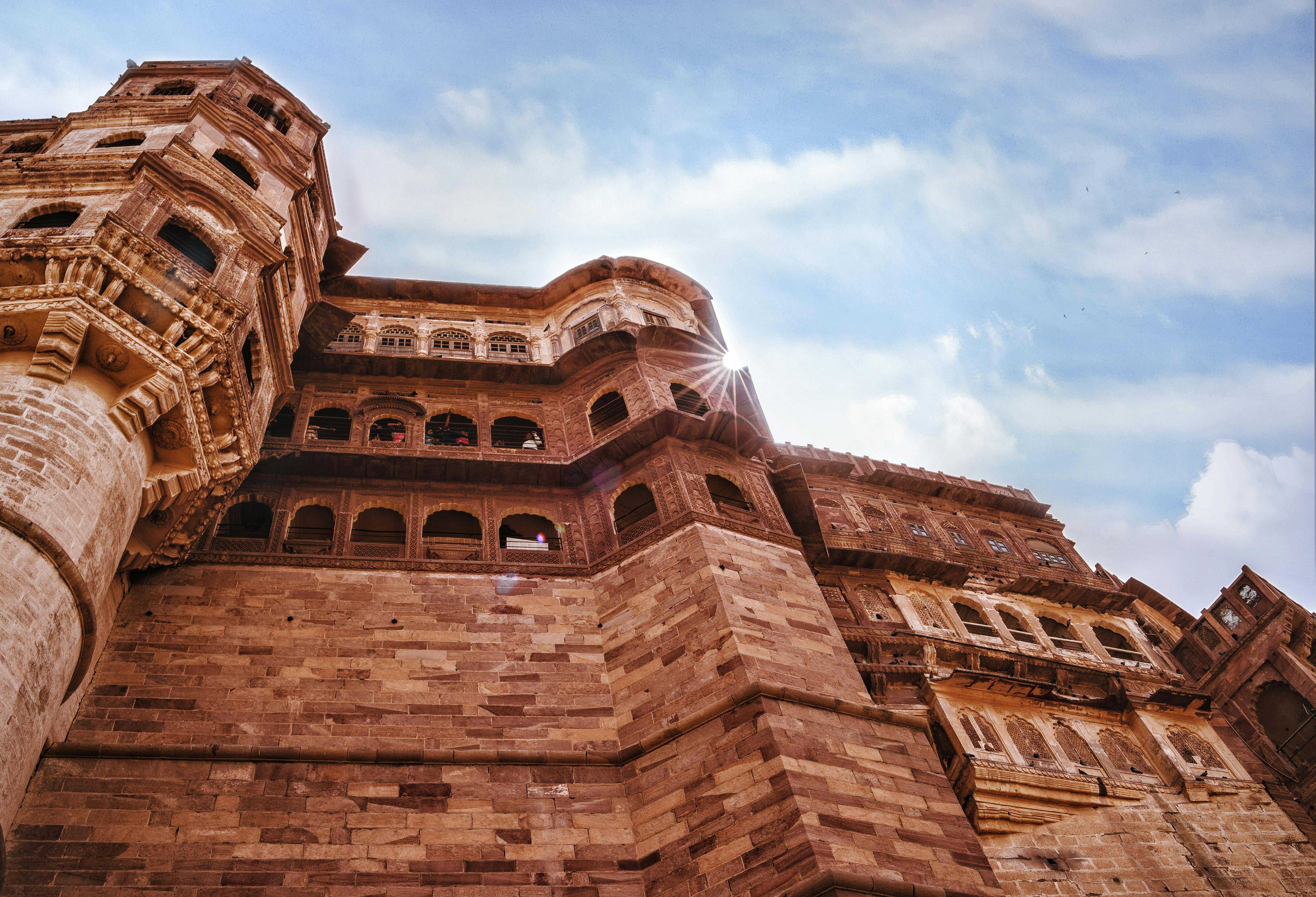
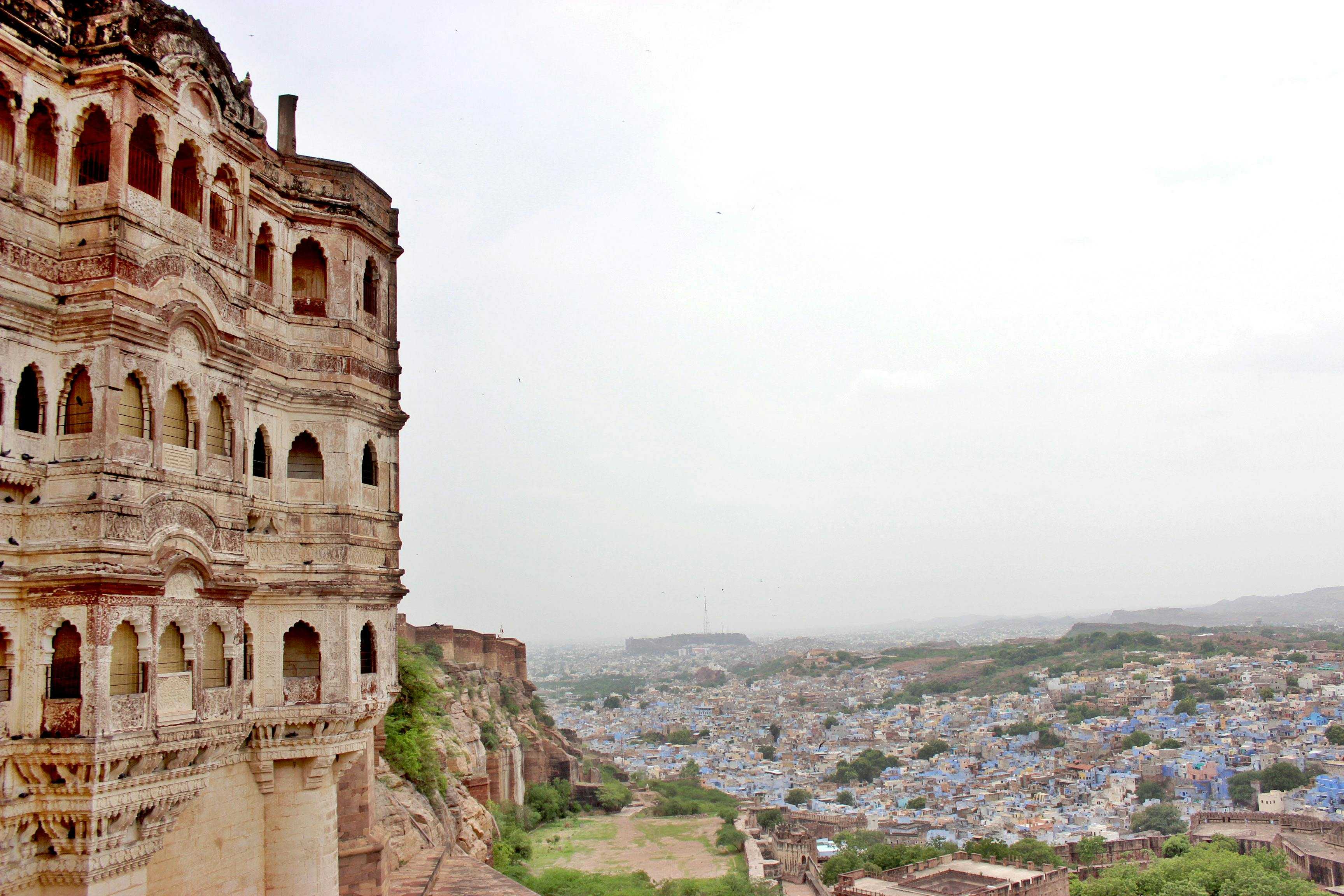
  1. Majestic forts and palaces: Jodhpur is home to the magnificent Mehrangarh Fort, one of the largest forts in India, offering panoramic views of the city. The Umaid Bhawan Palace, a magnificent heritage hotel, is another must-visit attraction in Jodhpur.

  2. Blue city: Jodhpur is famously known as the "Blue City" due to the blue-painted houses in the old town area. Exploring the narrow streets and vibrant markets of the old city is a unique experience for visitors.

  3. Rich cultural heritage: Jodhpur is a hub of Rajasthani culture, music, and art. Visitors can enjoy traditional folk music and dance performances, visit local art galleries, and shop for handicrafts and textiles.

  4. Culinary delights: Jodhpur offers a wide range of delicious Rajasthani cuisine, including dal bati churma, mirchi vada, and pyaaz ki kachori. Food lovers will enjoy exploring the local street food and dining at traditional Rajasthani restaurants.

  5. Desert experiences: Jodhpur is located on the edge of the Thar Desert, offering opportunities for desert safaris, camel rides, and camping under the stars. Visitors can experience the unique landscape and culture of the desert region.

Overall, traveling to Jodhpur provides a blend of history, culture, cuisine, and natural beauty, making it a memorable destination for travelers.

What to know

Traveling to Jodhpur, located in Rajasthan, India, may have some potential cons that travelers should be aware of. Some of these cons include:

  1. Extreme temperatures: Jodhpur experiences very high temperatures, especially during the summer months. Travelers may find it uncomfortable to explore the city and its attractions in such hot weather.

  2. Air pollution: Like many other cities in India, Jodhpur also faces issues with air pollution. Travelers with respiratory problems or sensitivities to pollution may find it challenging to breathe in the city.

  3. Limited public transportation: Jodhpur may not have a well-developed public transportation system, which could make it difficult for travelers to get around the city. Relying on taxis or auto-rickshaws can be expensive and time-consuming.

  4. Crowded tourist attractions: Jodhpur is a popular tourist destination, especially known for its majestic forts and palaces. As a result, these attractions can get crowded, particularly during peak tourist seasons, leading to long lines and difficulty in enjoying a peaceful visit.

  5. Lack of English proficiency: While some locals in Jodhpur may speak English, overall, there may be a language barrier for travelers who don't speak Hindi or the local dialect. This could make communication and navigation a bit challenging.

Overall, despite these potential cons, Jodhpur offers a rich cultural experience and stunning architecture that many travelers find worth the visit.

Please note that these cons are general observations and may not apply to every traveler's experience. It's always recommended to research and plan accordingly before visiting any destination.

Jodhpur, located in the state of Rajasthan, India, is a city rich in history and cultural heritage. Known as the "Blue City" because of the distinctive blue-painted houses in its old city area, Jodhpur has a fascinating past that dates back to the 15th century.

Founding and Early History

  • Founded in 1459 by Rao Jodha, a chief of the Rathore clan, Jodhpur was established as the capital of the princely state of Marwar. Rao Jodha is a significant historical figure, as his initiative laid the foundations for what would become a major city in Rajasthan.
  • The city was strategically located on the important trading routes between Delhi and Gujarat, which contributed to its prosperity.

Medieval Period

  • Mehrangarh Fort, one of the largest forts in India, was constructed by Rao Jodha around the time of the city's founding. Perched on a rocky hill, the fort is a major landmark and a testament to Jodhpur's architectural prowess.
  • During the medieval period, Jodhpur expanded under the rule of successive Rathore rulers who successfully defended it against various invasions and fostered trade and culture.

Mughal Influence

  • In the 16th century, Jodhpur came under the influence of the Mughal Empire. The Rathores maintained friendly relations with the Mughals, which brought stability and allowed the city to flourish.
  • The alliance with the Mughals was further cemented through marital ties, such as the marriage of the Rathore princess Jodha Bai to Emperor Akbar.

British Colonial Period

  • In the 19th century, Jodhpur became a princely state under British suzerainty. The city played an important role during the British Raj, maintaining internal autonomy while contributing to the British administration.
  • The construction of the Umaid Bhawan Palace began in 1929 under Maharaja Umaid Singh. It was one of the last great palaces built in India before independence and remains a significant architectural landmark.

Post-Independence

  • After India gained independence in 1947, Jodhpur was integrated into the state of Rajasthan. The erstwhile princely state was merged with the Indian Union, and Jodhpur became a key city in Rajasthan.

Culture and Landmarks

  • Mehrangarh Fort: A symbol of Jodhpur's rich history, it houses a museum with a vast collection of artifacts, paintings, and armory.
  • Umaid Bhawan Palace: Partly a museum, partly a luxury hotel, and still the residence of the Jodhpur royal family.
  • Jaswant Thada: A beautiful marble cenotaph built in memory of Maharaja Jaswant Singh II, offering stunning views of the city and the fort.
  • Mandore Gardens: Once the capital of Marwar before Jodhpur, it features historic temples and memorials.

Economy and Modern Development

  • Jodhpur is known for its handicrafts, furniture, textiles, and tourism. The city has continued to grow economically, blending tradition with modernity.

Jodhpur's historical significance, architectural marvels, and cultural heritage make it a prominent destination in Rajasthan and a vital part of India's history.