
Rajasthan
State · India

Rajasthan

Rājasthān, India

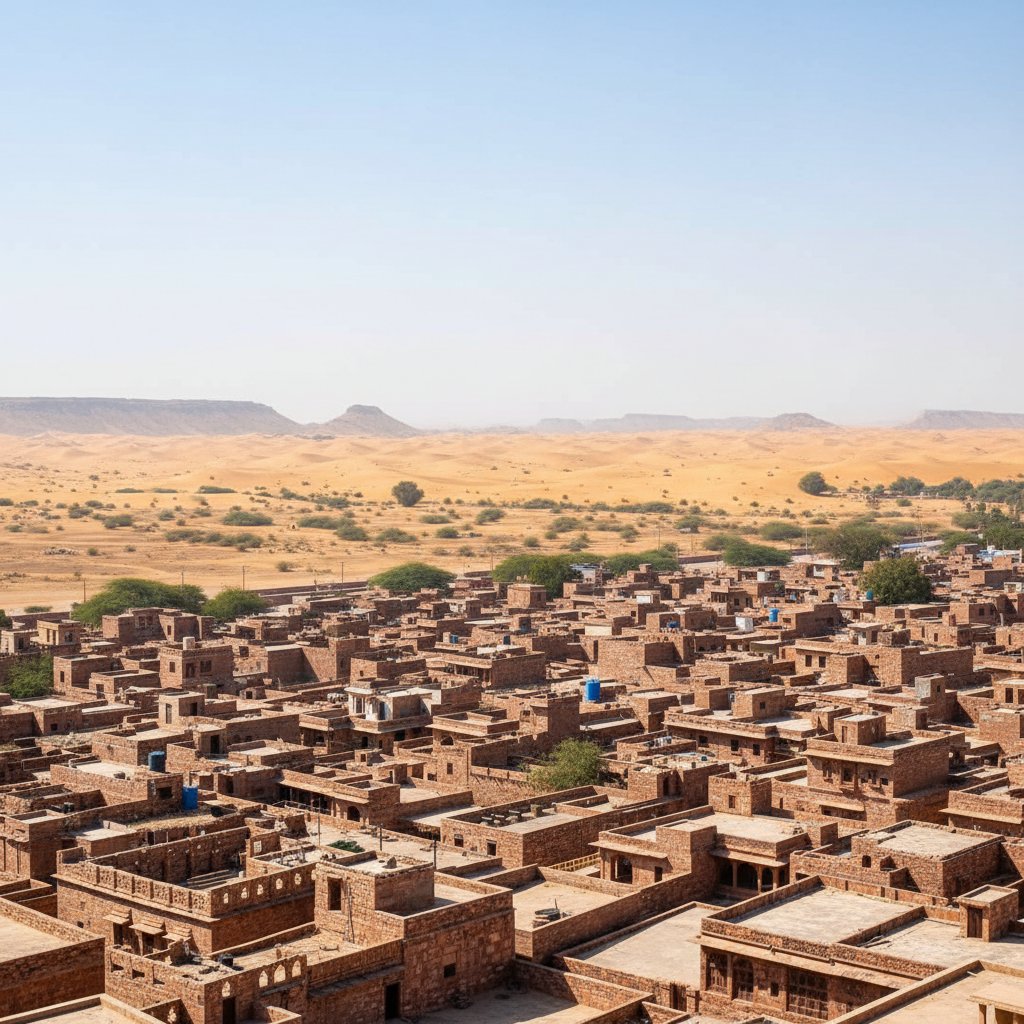
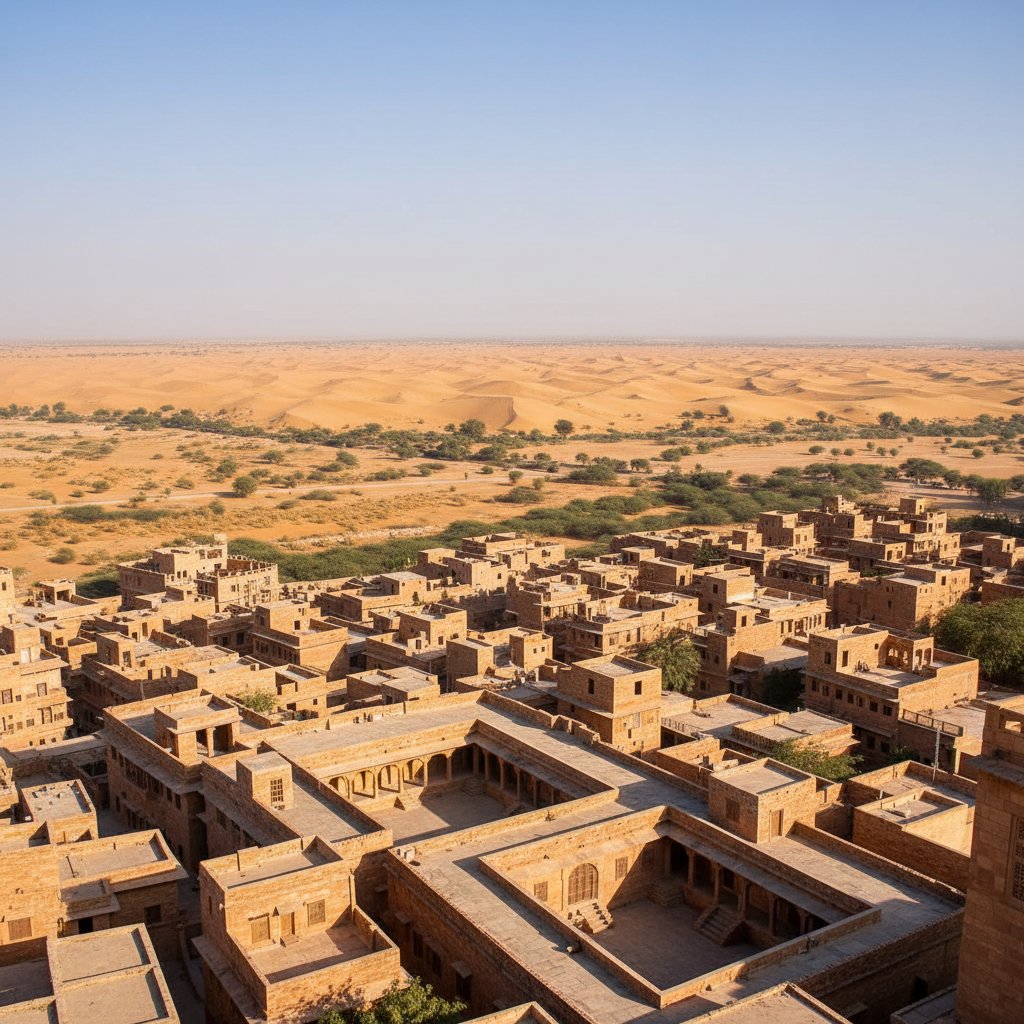
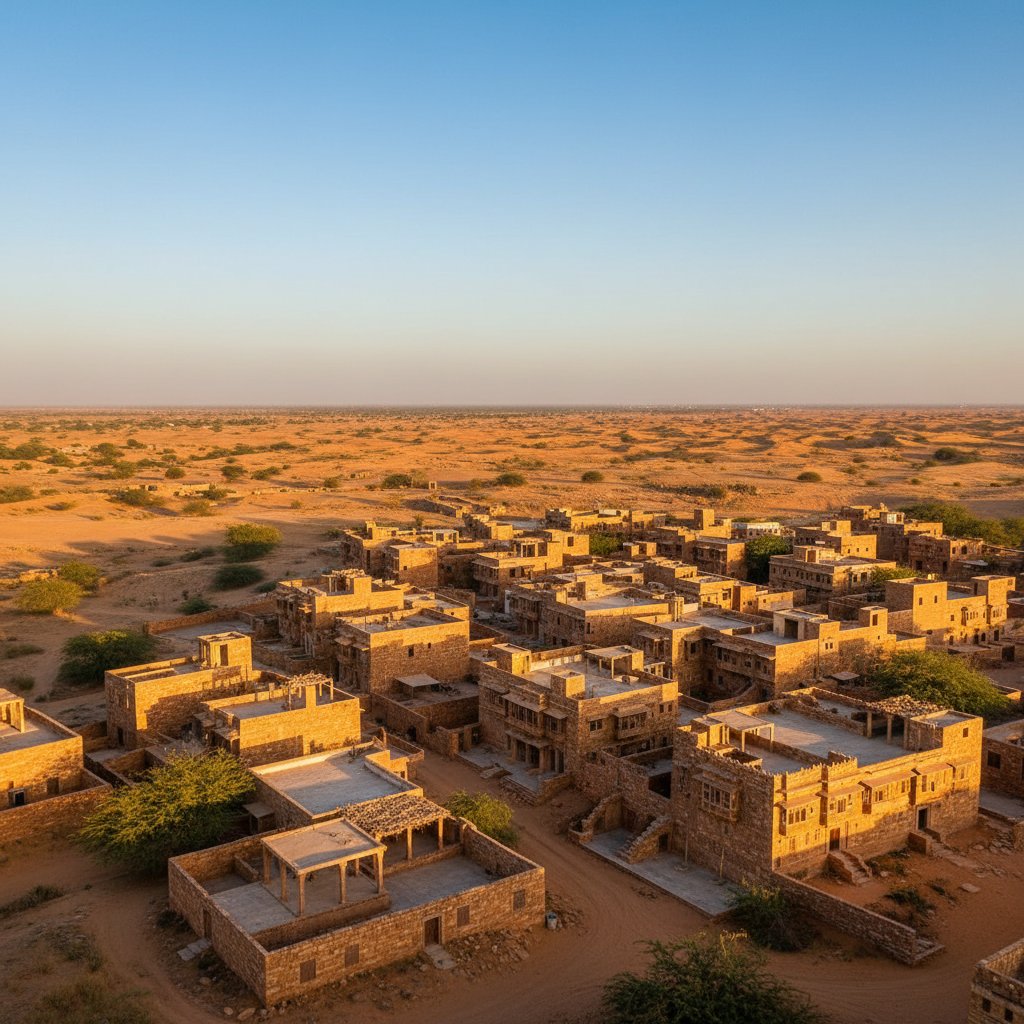
Rajasthan, India's "Land of Kings," is a vibrant tapestry of history, culture, and breathtaking landscapes. This northwestern state is defined by the…

#Desert#Palaces#Camels#Cultural Heritage#Colorful Festivals

Explore Rajasthan

Top cities in Rajasthan

Pick a city to open its guide.

See it for yourself

Location videos

Reels and longer watches.

Featured for Rajasthan

Traveller clips picked out for this place.

Watch & explore

Good to know

Practical info

Weather, costs and getting around.

Rājasthān, India Open in Google Maps
Currency
₹ | INR | Indian Rupee
Population
83,580,000 (2023)
Density
244 / km²
Local time
Languages
Hindi mainly · English, Rajasthani, Marwari, Bhili
Budget / day
₹2000 - ₹15000
Also known as
Rajputstan, State of Rajasthan, Land of Princes, Land of the Rajputs, Rajwar

Know before you go

Local guide

A deeper read on Rajasthan.

What people love

Rajasthan offers an unparalleled journey into India's royal heritage, boasting magnificent forts, opulent palaces, and intricately carved temples. The state's diverse landscapes range from the rolling dunes of the Thar Desert to the lush forests of Ranthambore, providing excellent opportunities for camel safaris and tiger spotting. Visitors are treated to vibrant cultural experiences, including colorful festivals, traditional folk music, and exquisite handicrafts. The legendary Rajput hospitality shines through, especially when staying in converted heritage hotels. Additionally, the rich and spicy local cuisine is a delight for food lovers.

What to know

Traveling in Rajasthan can be challenging due to its extreme weather; summers are blisteringly hot, making sightseeing exhausting, while winter nights in the desert can be freezing. The state's immense popularity means major attractions are often crowded, especially during peak season. Visitors frequently encounter aggressive touts, persistent vendors, and occasional scams around tourist hotspots. Distances between major cities are vast, requiring long hours of travel by road or train. Additionally, air pollution can be an issue in larger cities like Jaipur, and hygiene standards in street food require caution.

Rājasthān, located in the northwestern part of India, is a state rich in history, culture, and tradition. Its name literally means "Land of Kings," reflecting its royal heritage. The region has been inhabited since the pre-historic period and has seen various cultures and empires influence its development.

Ancient and Medieval History

  1. Early History: The area that is now Rājasthān was inhabited by the Indus Valley Civilization, followed by the Vedic period tribes. The Aryans settled in this region around 2000-1500 BCE.

  2. Kingdom of Mewar and Marwar: During the medieval period, the region was divided into several kingdoms, the most notable being the Kingdoms of Mewar and Marwar. The Rajputs, known for their bravery and chivalry, were the dominant rulers.

  3. Major Dynasties:

    • Guhilots of Mewar, with the famous ruler Maharana Pratap, who resisted Mughal Emperor Akbar in the Battle of Haldighati (1576).
    • Rathores of Marwar.
    • Kachwahas of Amber (later Jaipur).
  4. Mughal Period: Rājasthān came under the influence of the Mughal Empire in the 16th century. Many Rajput rulers formed alliances with the Mughals. Jaipur, Jodhpur, and Udaipur were significant centers of art and culture during this time.

Colonial Period

  • British Raj: In the 19th century, Rājasthān was a group of princely states under British suzerainty. It was referred to as Rajputana during British rule.

Post-Independence

  • Formation of Rājasthān: After India's independence in 1947, the princely states and chiefdoms were integrated into the Union of India. Rājasthān was formally created as a state on March 30, 1949.

Major Historical Figures

  • Maharana Pratap: A Rajput king of Mewar, known for his valiant resistance against the Mughal Empire.
  • Maharaja Sawai Jai Singh II: The founder of Jaipur, known for his contributions to architecture and astronomy.
  • Rana Sanga: A prominent Rajput ruler who fought against the Mughals.

Important Landmarks

  1. Amber Fort: Located near Jaipur, this is a classic example of Rajput architecture.
  2. City Palace, Jaipur: A complex of courtyards, gardens, and buildings that served as the seat of the Maharaja of Jaipur.
  3. Jantar Mantar: An astronomical observatory built by Maharaja Jai Singh II in Jaipur.
  4. Mehrangarh Fort: Located in Jodhpur, it is one of the largest forts in India.
  5. Lake Palace, Udaipur: A stunning palace built on an island in Lake Pichola.
  6. Chittorgarh Fort: Known for its historical sieges and the legendary act of Jauhar by Rani Padmini.
  7. Jaisalmer Fort: A living fort, with a significant population still residing within its walls.

Cultural Aspects

  • Festivals: The state is known for its vibrant festivals such as the Pushkar Camel Fair, Desert Festival, and Teej.
  • Traditional Attire: Known for its colorful dress and turbans.
  • Cuisine: Famous for dishes like Dal Baati Churma, Gatte ki Sabzi, and Laal Maas.

Rājasthān continues to be a symbol of India's royal heritage, attracting millions of tourists worldwide who come to experience its forts, palaces, and vibrant culture.