
London, City of
· GB

London, City of

London, City of, United Kingdom

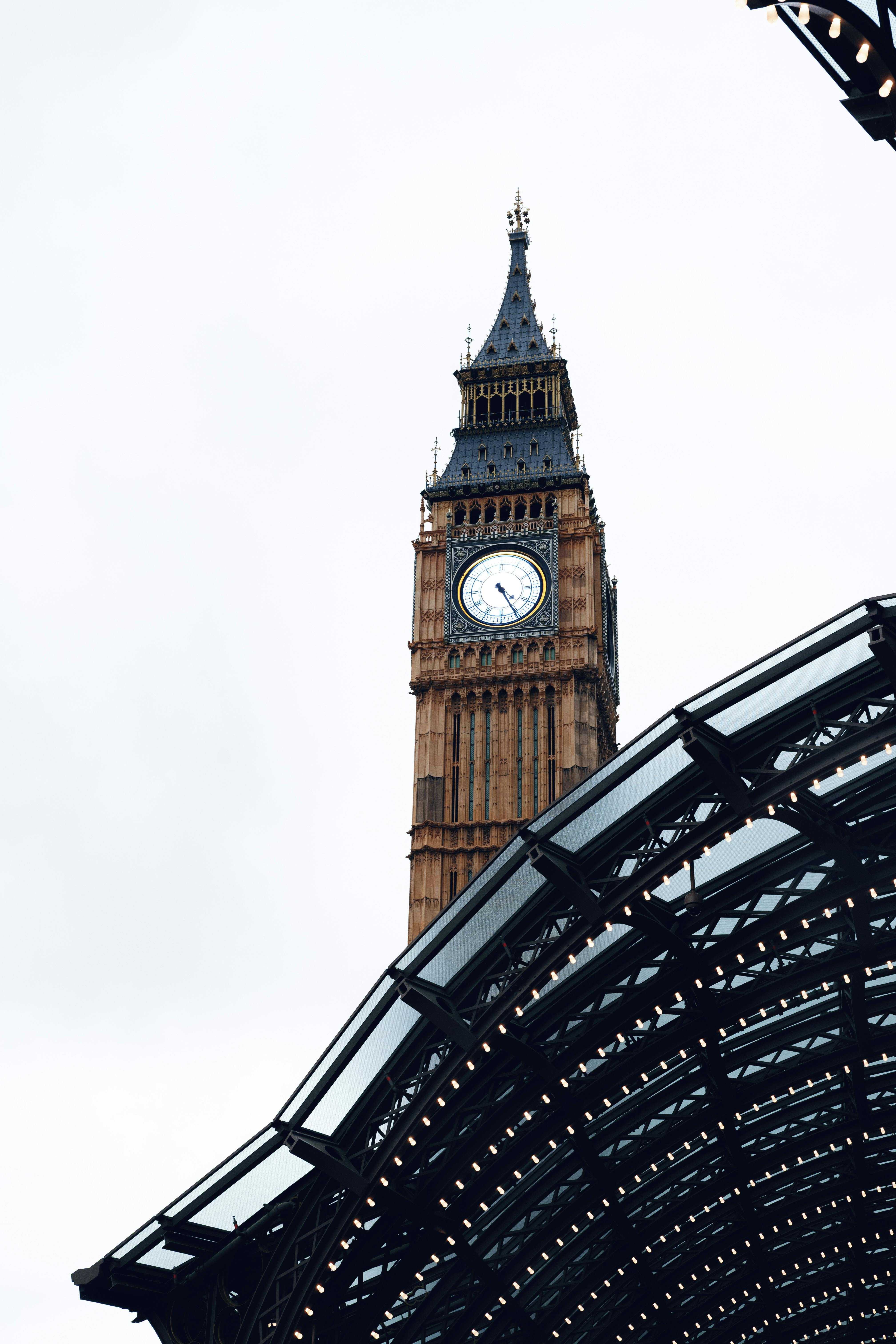
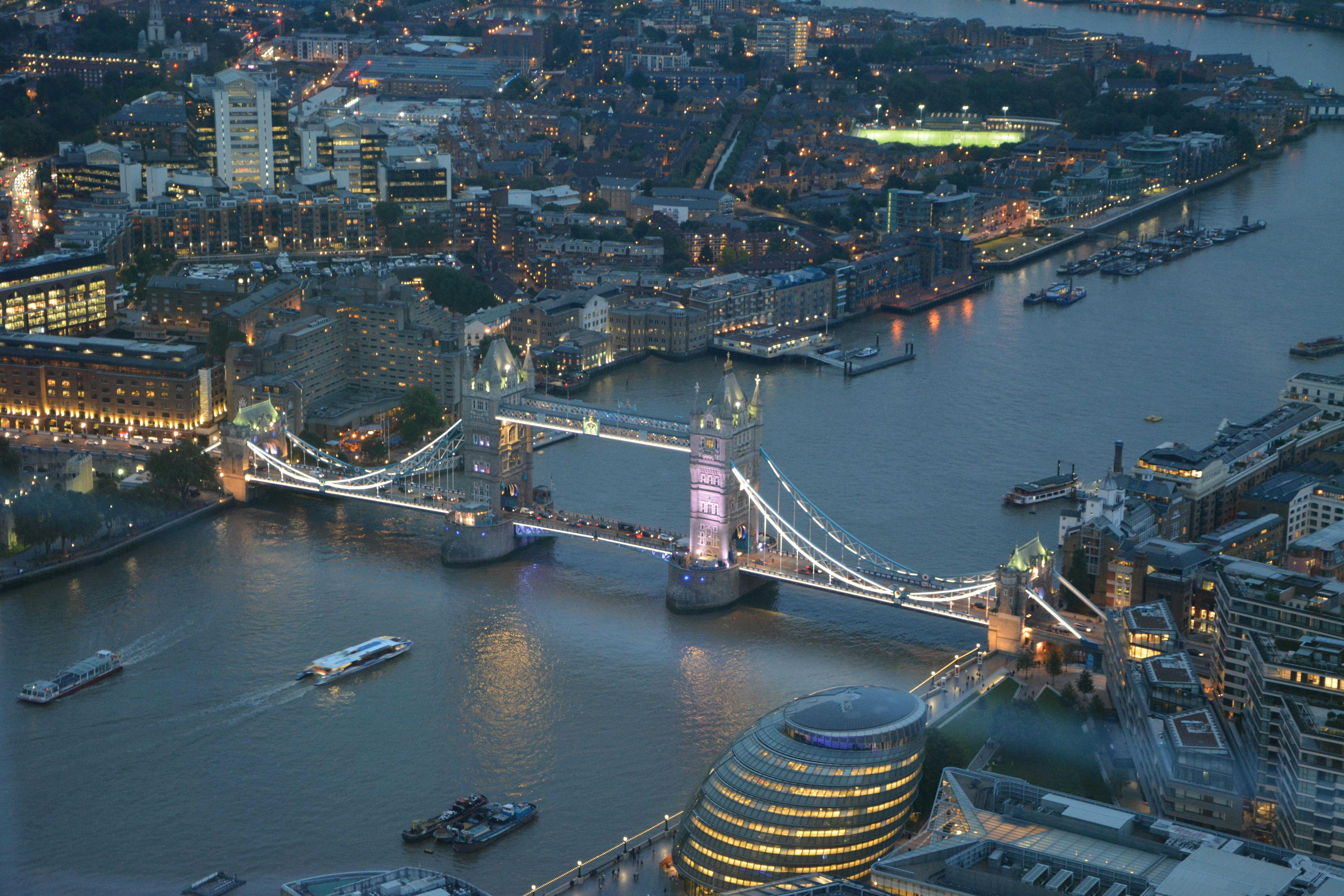
London, a vibrant metropolis steeped in history and culture, is a global hub for finance, fashion, art, and entertainment. Explore iconic landmarks like Buckingham Palace, the Tower of London, and the Houses of Parliamen…

#capital city#cultural hub#historic landmarks#diverse population#financial center
1/7

Top hotels & flights

Hand-picked stays and the best fares into London, City of.

Top Hotels in London, City of

Top Flights to London, City of

Popular activities

Tours, tickets and experiences travelers book most in London, City of.

Tours

Tower of London Tour

Visit the historic castle on the north bank of the River Thames, known for its history and the Crown Jewels.

London Eye Ride

Take a ride on the iconic London Eye, offering panoramic views of London's skyline.

The British Museum Visit

Explore the vast collection of art and antiquities from ancient and living cultures at The British Museum.

Buckingham Palace Tour

Visit the official London residence of the monarch, offering a glimpse into royal history and culture.

Shopping

Shopping in Oxford Street

Indulge in retail therapy on London's bustling Oxford Street, home to a wide array of shops and boutiques.

Camden Market Experience

Explore the eclectic Camden Market known for its unique arts, crafts, and street food.

Covent Garden Shopping

Discover fashion, lifestyle, and dining at the vibrant Covent Garden in London's West End.

Outdoor

Thames River Cruise

Experience the heart of London from its famous river with a scenic Thames cruise.

Hyde Park Picnic

Enjoy a relaxing picnic day in one of London's largest and most famous parks.

St James's Park Stroll

Walk through St James's Park, a picturesque green space in the heart of London.

Location videos

Real reels from travelers, plus longer watches to get the full picture.

From travelers
Watch & explore

Practical info

The essentials for planning your time in London, City of.

Currency
£ | GBP | Pound Sterling
Population
9.5 million
Languages
English, English

Local guide

What travelers love, what to watch for, and a deeper read on London, City of.

What people love

London, City of, located in the United Kingdom, is a popular travel destination with numerous pros for visitors. Here are some detailed advantages of traveling to London:

  1. Rich History and Culture: London is steeped in history and boasts a wealth of cultural attractions such as the British Museum, Tate Modern, and Buckingham Palace. Visitors can explore iconic landmarks like the Tower of London and Westminster Abbey.

  2. Diverse Culinary Scene: London is a melting pot of cultures, reflected in its vibrant food scene. From traditional British fare to international cuisines, visitors can enjoy a wide range of dining options in the city.

  3. World-Class Museums and Galleries: London is home to some of the world's best museums and art galleries, including the National Gallery, Victoria and Albert Museum, and Natural History Museum. Many of these institutions offer free entry to their permanent collections.

  4. Theater and Performing Arts: London's West End is renowned for its theater productions, with a diverse range of shows catering to different tastes. Visitors can catch a musical, play, or ballet performance in one of the city's historic theaters.

  5. Green Spaces: Despite being a bustling metropolis, London has several beautiful parks and gardens where visitors can relax and unwind. Hyde Park, Regent's Park, and Kew Gardens are popular choices for outdoor activities and picnics.

  6. Shopping: London is a paradise for shoppers, with a mix of high-end department stores like Harrods and Selfridges, as well as trendy boutiques and markets. From luxury brands to vintage finds, there's something for every shopper in the city.

  7. Efficient Public Transport: London has an extensive public transport network comprising buses, the Underground (Tube), and trains, making it easy for visitors to get around the city. The Oyster card offers convenient and cost-effective travel options.

  8. Multicultural Atmosphere: London's diverse population contributes to its vibrant and multicultural atmosphere. Visitors can experience a mix of languages, cuisines, and cultural traditions throughout the city.

Overall, traveling to London, City of, offers a blend of history, culture, entertainment, and diverse experiences that cater to a wide range of interests. It is a dynamic and exciting destination for travelers seeking a memorable and enriching experience.

What to know

There are several potential cons to traveling to London, City of located in the United Kingdom. Some of the main drawbacks include:

  1. High Cost of Living: London is known for being one of the most expensive cities in the world. Accommodation, dining, transportation, and entertainment can all be quite pricey, which may put a strain on your travel budget.

  2. Weather: London is known for its unpredictable weather, which can often be rainy and gloomy. Be prepared for sudden changes in weather and pack accordingly.

  3. Crowds and Traffic: London is a bustling metropolis with a high population density. This means that popular tourist attractions, public transportation, and streets can be crowded, especially during peak tourist seasons.

  4. Noise and Pollution: Like many big cities, London can be noisy and polluted, especially in central areas. If you prefer peace and quiet, you may find the city overwhelming at times.

  5. Long Queues: Popular attractions in London, such as the Tower of London, Buckingham Palace, and the London Eye, can have long queues, especially during peak tourist seasons. Be prepared to wait in line for entry.

  6. Limited Space: London is a densely populated city with limited space. Accommodation and public spaces can be smaller than what you might be used to, which could feel cramped for some travelers.

Please keep in mind that these cons may not apply to everyone, and many travelers still find London to be a vibrant and exciting destination despite these drawbacks.

The City of London, often referred to as the "Square Mile," is the historic and financial heart of London, United Kingdom. Its history dates back over two millennia, influencing the evolution of London as a whole. Here is a detailed history of the City of London:

Roman Times (47 AD - 5th Century)

  • Foundation: The City of London was established by the Romans around 47 AD as Londinium. It became an important commercial center due to its strategic location on the River Thames.
  • Significant Structures: The Romans built a bridge over the Thames and constructed walls around Londinium, remnants of which can still be seen today.

Medieval Period (5th Century - 1485)

  • Saxon Era: After the Roman withdrawal, the area was largely abandoned but reoccupied by Anglo-Saxons in the 7th century. The City gained importance as a trading hub.
  • Norman Conquest: The 11th century saw the construction of the Tower of London by William the Conqueror, a symbol of Norman power.
  • Guilds and Trade: The City became a center of commerce and trade, with various guilds forming to regulate different trades.

Tudor and Stuart Periods (1485 - 1714)

  • Expansion and Influence: The City continued to grow in importance, with the Royal Exchange founded in 1565 as a center for commerce.
  • Great Fire of London (1666): A devastating fire destroyed much of the City. Renowned architect Sir Christopher Wren played a pivotal role in the rebuilding process, including the design of St. Paul's Cathedral.

Georgian and Victorian Eras (1714 - 1901)

  • Industrial Revolution: The City expanded rapidly as a financial center during the Industrial Revolution. The Bank of England was established in 1694, solidifying the City's role in global finance.
  • Infrastructure Development: Key infrastructure developments included the construction of the London Bridge and the opening of the first underground railway line, the Metropolitan Railway, in 1863.

20th Century

  • World Wars: The City suffered significant damage during the Blitz of World War II but was rebuilt in the post-war period.
  • Financial Hub: In the latter half of the century, the City solidified its status as one of the world's leading financial centers, with the development of the London Stock Exchange and the opening of modern skyscrapers.

21st Century

  • Modern Skyline: The City of London has become renowned for its modern architecture, with landmarks like the Gherkin (30 St Mary Axe), the Shard, and the Walkie-Talkie (20 Fenchurch Street).
  • Cultural and Economic Influence: Today, the City remains a pivotal center for business and finance, while also being a hub of culture and history, hosting numerous historic sites and museums.

Important Landmarks

  • St. Paul's Cathedral: An iconic symbol of London, designed by Sir Christopher Wren.
  • Tower of London: A historic castle and former royal residence and prison.
  • The Monument: A commemorative column marking the Great Fire of London.
  • Guildhall: The ceremonial and administrative center of the City, hosting the City of London Corporation.

Historical Figures

  • William the Conqueror: Commissioned the Tower of London.
  • Sir Christopher Wren: Key architect in the rebuilding of the City post-Great Fire.
  • Dick Whittington: A legendary figure, thrice Lord Mayor of London, known for his association with the City’s prosperity and folklore.

The City of London continues to be a unique blend of ancient history and modern development, reflecting its enduring importance in the United Kingdom and the world.