Beyond the Fort: Outdoor Adventures Around Jodhpur
Dunes, ancient ruins, and blue-washed alleys outside the city walls.
Dune Rides and Desert Nights in Osian
If you think Jodhpur is just stone walls and fort views, head 65 kilometers north into the Thar Desert toward Osian. The drive takes about ninety minutes along Highway 125, passing scrubland and acacia trees before the asphalt gives way to soft, undulating sand dunes. Skip the noon hours entirely between April and July, when temperatures regularly top 45°C and the sand burns straight through light shoes. The ideal window runs from November through February, setting off around 2:30 PM so you reach the dunes as the sun drops low over the desert horizon.
Booking a structured trip like the Camel Safari at Osian from Jodhpur, about half a day, from Rs 21,058, gets you private transport out to the dunes and a guided ride across the ridges. If you want to linger past dusk, options like the Camel Safari at Osian with Dinner from Jodhpur, about half a day, from Rs 27,545, add a meal under the desert sky. Watch out for street touts around the Clock Tower offering cheap dune rides; they usually take you to eroded roadside dirt patches full of trash rather than real desert dunes.
Camel Safari at Osian with Dinner from Jodhpur
Walking the Blue Alleyways of Navchokiya
The standard view of Jodhpur is from the ramparts of Mehrangarh, but the real adventure lies down in the maze of Navchokiya on the fort's western slope. Navigating these blue-painted alleyways on foot requires nimble ankles and a willingness to get lost, as many passages taper down to arm's length or end abruptly at private courtyard doorways. The best time to step out is 7:00 AM, before the morning heat builds and before auto-rickshaws clog the narrow passages.
Taking the Blue City Walking Tour, about 3 hours, from Rs 1,833, gives you a clear route through the labyrinth while introducing you to local Brahmin families whose homes have been coated in copper sulfate blue wash for generations. Do not waste money on tuk-tuk tours of the old quarter. The vehicles get stuck behind sleeping cows and handcarts, leaving you inhaling exhaust fumes in narrow alleys. Walking for three hours lets you move at your own pace, climb the hidden stone stairs between neighborhoods, and sample fresh mirchi bada from corner vendors near Jalori Gate for about 20 rupees.
Blue City Walking Tour
Scrambling Through the Ruins of Mandore
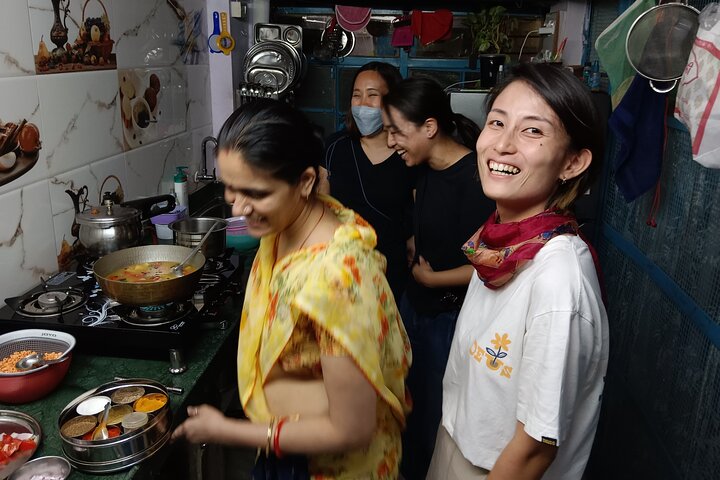
Jodhpur Private Cooking Class With Family
Located just nine kilometers north of Jodhpur's center, Mandore served as the Marwar capital before Mehrangarh was built in 1459. Most tourists glance at the main gate and leave, but the sprawling gardens and ruined fort hill behind them offer hours of outdoor exploration. You can book the Mandore Garden Walking Tour, about 2 hours, from Rs 1,597, to navigate the towering red sandstone cenotaphs that look more like Hindu temples than traditional royal tombs.
Plan for a two-hour walk starting around 8:00 AM. The morning light hits the intricate carvings on the Maharajas' devals cleanly, and the afternoon crowd has not yet arrived. A word of warning regarding the resident gray langur monkeys: keep all snacks hidden inside your daypack. Feeding them is a mistake that attracts dozens of aggressive monkeys demanding food. Skip the small, poorly lit museum inside the complex, which charges extra entry for very little display value, and spend your time trekking up the stone steps behind the gardens to the ruined plateau of old Mandore Fort.
Private learn to Drape Indian Saree in Rajasthan with Food
Heading South into the Aravalli Hills
When the sun in Jodhpur starts feeling relentless, take a day trip south toward the Aravalli Range. The terrain shifts dramatically from dry desert flats to wooded hillsides as you approach Ranakpur, located about 155 kilometers away. The drive takes three to four hours each way along smooth state highways, making it ideal for a full morning departure around 7:30 AM.
The Day Trip Jodhpur to Ranakpur Jain Temple visit, about half a day, from Rs 7,820, provides seamless transport through the countryside to the 15th-century marble temple complex. Tucked into a quiet mountain valley, the main temple features 1,444 individually carved pillars. Wear socks, as shoes must be removed at the entrance, and the marble courtyard can get hot by early afternoon. Avoid visiting during peak festival days in October or March unless you enjoy battling thousands of pilgrims for elbow room. Combining the outdoor drive through the hills with a walk through the cool stone corridors makes this the most rewarding escape from the city heat.
Keep reading
More Jodhpur blogs
Written for real trips, priced from the city you fly out of.