India
Country

India

India

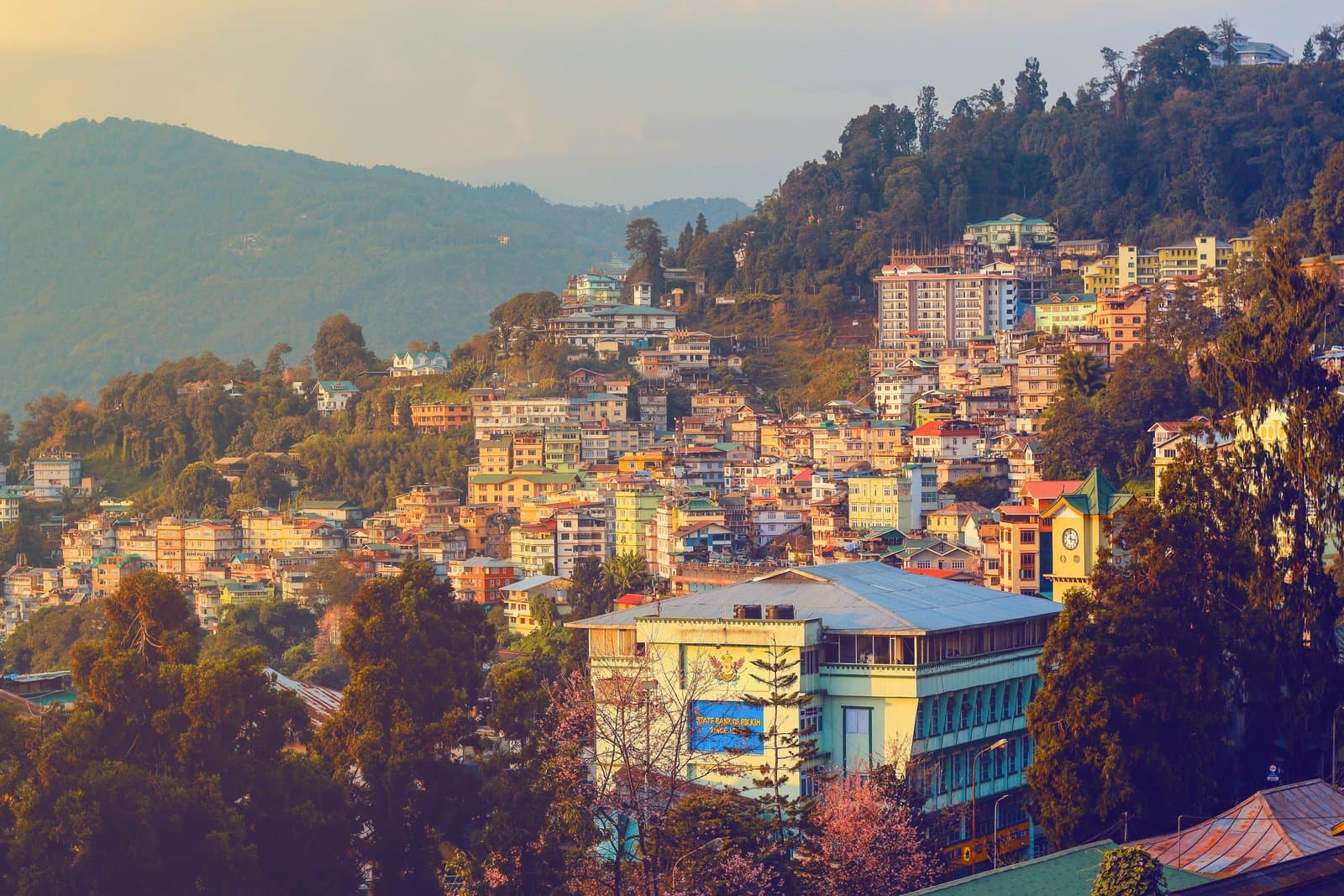
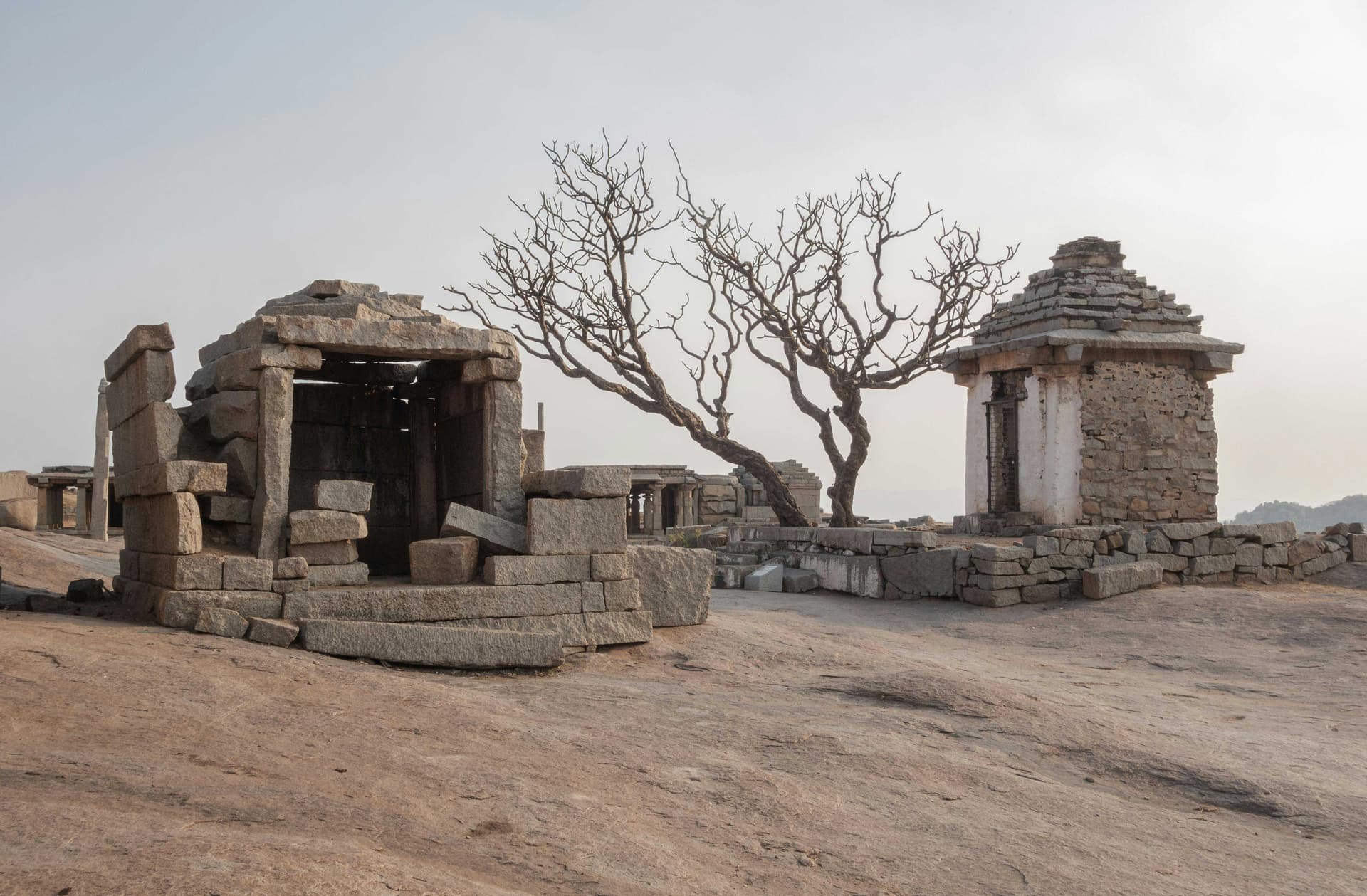
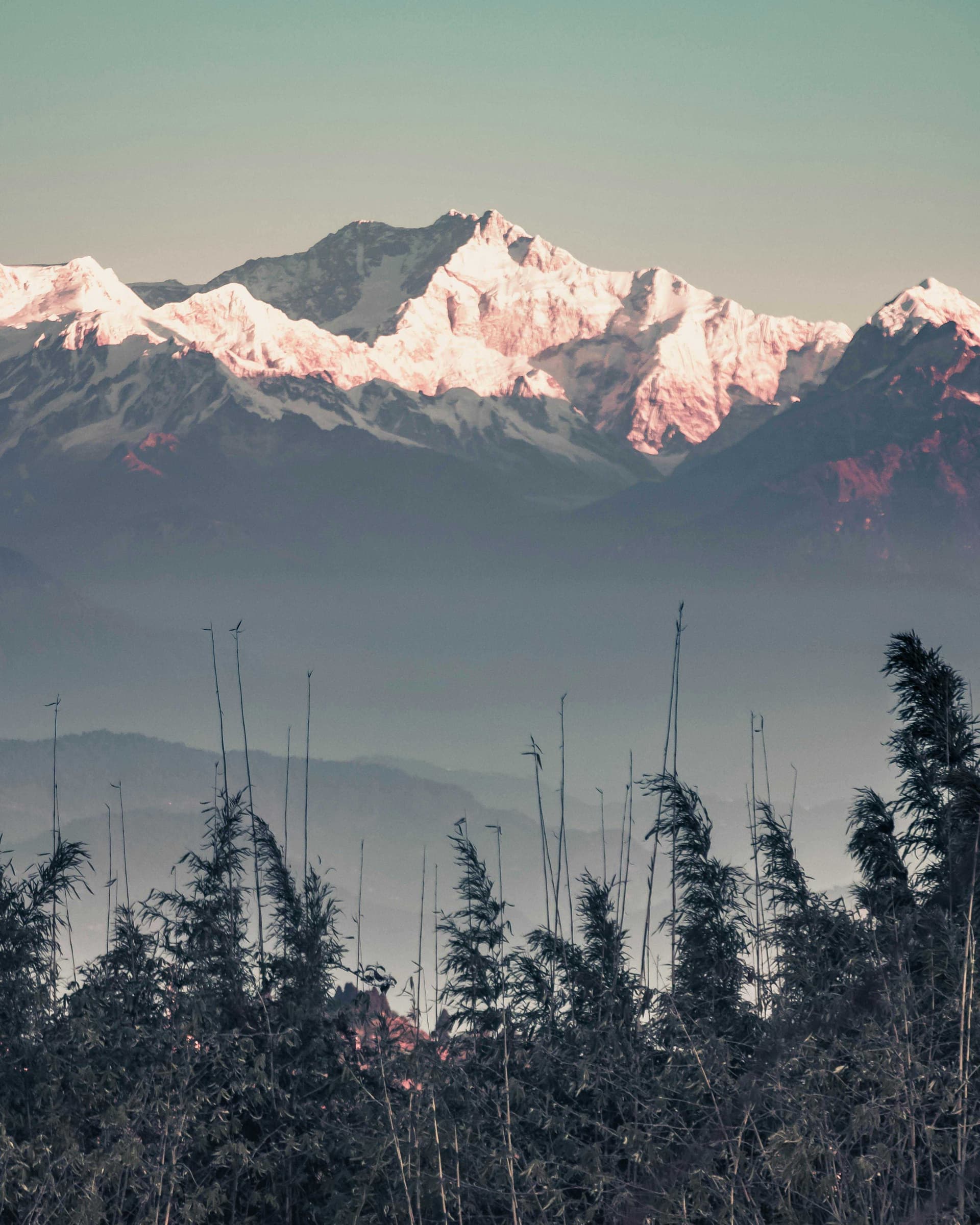
India, a vast and vibrant South Asian nation, offers an unparalleled sensory experience for travelers. As the world's most populous country, it…

#Asian cuisine#Cultural diversity#Historical landmarks#Religious festivals#Bollywood

Explore India

Top cities in India

Pick a city to open its guide.

See it for yourself

Location videos

Reels and longer watches.

Featured for India

Traveller clips picked out for this place.

Watch & explore

Good to know

Practical info

Weather, costs and getting around.

Currency
₹ | INR | Indian Rupee
Population
1,428,627,663 (2023)
Density
481 / km²
Local time
Languages
Hindi mainly · Bengali, Gujarati, Kannada, Kashmiri, Konkani, Malayalam, Marathi, Nepali, Oriya, Punjabi, Sanskrit, Sindhi, Tamil, Telugu, Urdu
Budget / day
₹2000 - ₹12000
Also known as
Bharat, Republic of India, Bharat Ganarajya, Hindustan, Aryavarta

Know before you go

Local guide

A deeper read on India.

What people love

India offers an incredibly rich cultural tapestry, providing travelers with deeply immersive and transformative experiences. The country boasts world-class historical monuments, diverse and breathtaking landscapes, and a vibrant culinary scene that varies dramatically by region. It is also a highly budget-friendly destination, allowing visitors to enjoy comfortable accommodations, extensive train travel, and delicious food at a fraction of the cost of Western countries. The warmth and hospitality of the Indian people, along with the opportunity for spiritual exploration in ancient holy cities, make it a truly unique and captivating destination.

What to know

Traveling in India can be intensely overwhelming for first-time visitors. The major cities often suffer from severe traffic congestion, noise pollution, and poor air quality. Hygiene standards vary significantly, and travelers must be cautious with food and water to avoid the infamous Delhi belly. Navigating the chaotic transportation systems and dealing with persistent touts or scams in tourist-heavy areas can be exhausting. Additionally, the extreme summer heat and heavy monsoon rains can severely disrupt travel plans, making it crucial to carefully time your visit according to the region you plan to explore.

India, officially known as the Republic of India, is a country in South Asia. It is the seventh-largest country by land area and the second-most populous country in the world. India's history is rich and complex, spanning thousands of years. Here is a brief overview of some significant events, historical figures, and important landmarks in Indian history:

Significant Events:

  1. Indus Valley Civilization (c. 3300–1300 BCE): One of the world's earliest urban civilizations, this ancient society developed along the banks of the Indus River.
  2. Maurya Empire (322–185 BCE): Under the rule of Emperor Ashoka, the Maurya Empire expanded across much of the Indian subcontinent and played a key role in spreading Buddhism.
  3. Mughal Empire (1526–1857): The Mughals, a Muslim dynasty of Turco-Mongol origin, ruled over large parts of the Indian subcontinent and left a lasting impact on Indian culture and architecture.
  4. Indian Independence Movement (late 19th–mid-20th century): A period of nonviolent resistance and civil disobedience led by figures like Mahatma Gandhi, Jawaharlal Nehru, and Subhas Chandra Bose, culminating in India's independence from British colonial rule in 1947.
  5. Partition of India (1947): The division of British India into the separate nations of India and Pakistan, leading to widespread violence and displacement along religious lines.

Historical Figures:

  1. Mahatma Gandhi: Leader of the Indian independence movement who advocated for nonviolent resistance against British rule.
  2. Jawaharlal Nehru: India's first Prime Minister and a key figure in shaping the country's democratic institutions and foreign policy.
  3. Emperor Ashoka: Mauryan ruler known for his conversion to Buddhism and promotion of dharma (moral law).
  4. Rani Lakshmibai: Queen of the princely state of Jhansi and a prominent figure in the Indian Rebellion of 1857 against British rule.
  5. Rabindranath Tagore: Nobel laureate poet, writer, and philosopher who composed the national anthems of India and Bangladesh.

Important Landmarks:

  1. Taj Mahal (Agra): A white marble mausoleum built by Mughal Emperor Shah Jahan in memory of his wife Mumtaz Mahal.
  2. Red Fort (Delhi): An iconic Mughal fortress and UNESCO World Heritage Site that served as the main residence of the emperors.
  3. Qutub Minar (Delhi): A UNESCO World Heritage Site and the tallest brick minaret in the world, built in the early 13th century.
  4. Gateway of India (Mumbai): An arch monument built to commemorate the visit of King George V and Queen Mary to Mumbai in 1911.
  5. Victoria Memorial (Kolkata): A grand marble building dedicated to Queen Victoria, serving as a museum and a prominent landmark in Kolkata.

India's history is vast and diverse, encompassing a wide range of cultures, languages, and traditions. This overview highlights only a few key events, figures, and landmarks in the country's long and storied past.

Traveler ratings

How India rates

From verified Travafa trips.

4.2
Very good
Based on 22 ratings
Things to Do
4.3
Accommodation Quality
3.8
Local Transportation
3.8
Safety
3.7
Scenic Beauty
4.5
Shopping
4.4
Friendliness of People
4.3
Cleanliness
3.0
Value for Money
4.5
Internet Connectivity
3.8
Good for
73%
Friends
73%
Family
73%
Couple
68%
Solo
23%
Pets

Who is India for?

By the travellers who rated it on Travafa. Each page states the places, months and budget for that kind of trip.