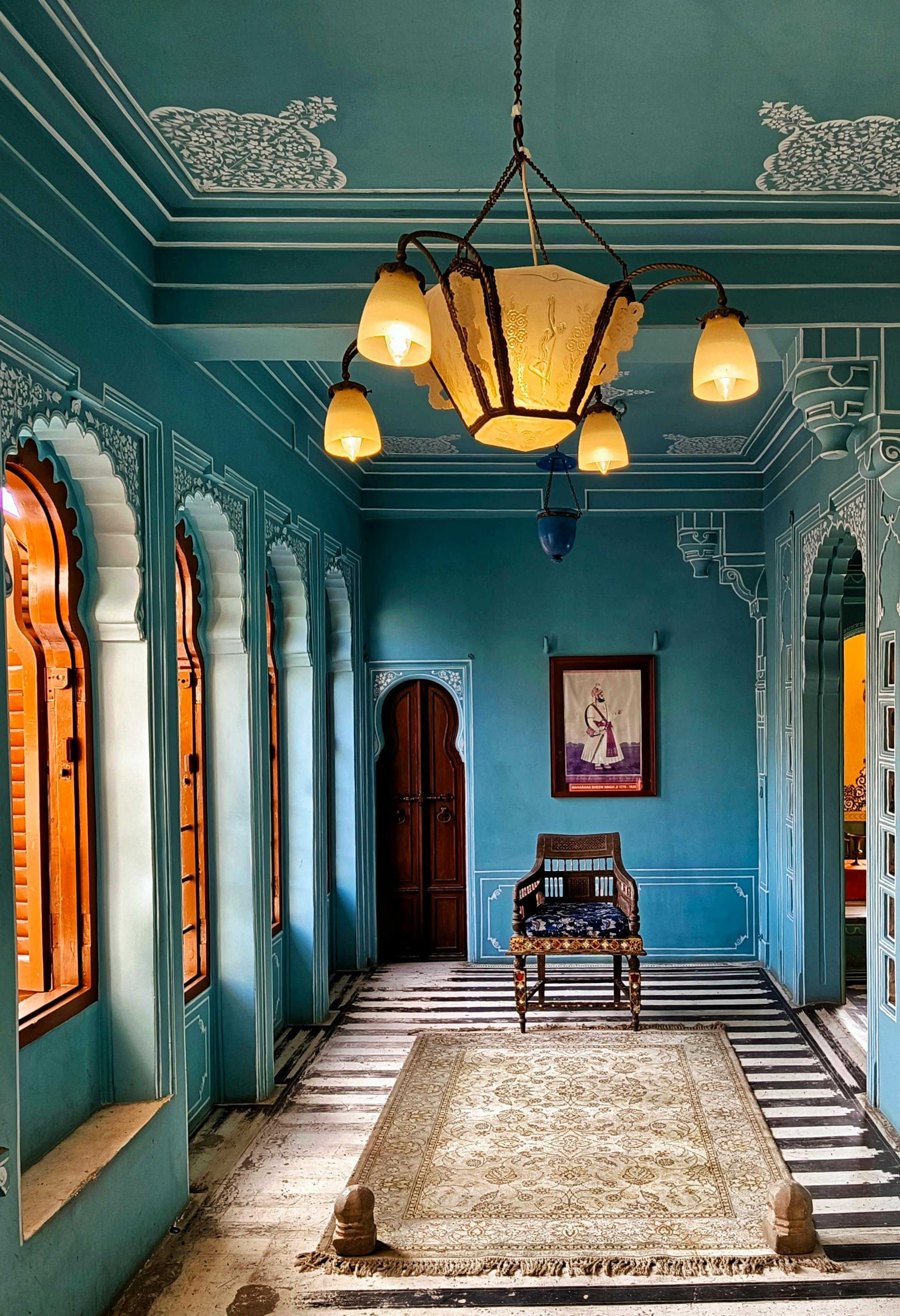

Saheliyon Ki Bari Stroll
Wander through the lush gardens of Saheliyon Ki Bari, designed for the royal ladies.
4.4(24.3k)INR 50
Highlights
What travellers talk about most.
Wander through the lush gardens of Saheliyon Ki Bari, designed for the royal ladies.
Visit the historic Jagdish Temple, a major architectural landmark in Udaipur.
Explore the magnificent City Palace complex, showcasing a blend of Rajasthani and Mughal architecture.
Immerse yourself in the bustling local market of Bada Bazaar, offering a variety of goods.
Discover traditional Rajasthani arts and crafts at Shilpgram village.
Experience a refreshing cycling tour around Fateh Sagar Lake.
Enjoy a scenic boat ride on Lake Pichola while admiring the beautiful views of the city.
See it for yourself
Reels and longer watches.
Traveller clips picked out for this place.
Good to know
Weather, costs and getting around.
Scored from each month’s typical high and its usual conditions.
Udaipur, known as the "City of Lakes," experiences a tropical climate with three main seasons: summer, monsoon, and winter. Summers (March to June) are hot, with temperatures ranging from 28°C to 40°C (82°F to 104°F), making it less ideal for travel. The monsoon season (July to September) brings relief with moderate to heavy rainfall, cooling the city and rejuvenating its lakes and gardens. Winters (October to February) are the most pleasant, with temperatures between 10°C to 25°C (50°F to 77°F), offering a comfortable climate for exploring the city's attractions. Winter is considered the best time to visit Udaipur.


Know before you go
A deeper read on Udaipur.
Udaipur is arguably India's most romantic city, boasting stunning lakes, majestic palaces, and breathtaking Aravalli mountain backdrops. It offers a deep dive into Rajasthan's royal history through its well-preserved architecture, particularly the magnificent City Palace and the iconic Lake Palace. The city provides rich cultural experiences, from vibrant folk dance performances to bustling markets filled with traditional handicrafts and miniature paintings. Additionally, Udaipur features some of the country's most luxurious heritage hotels, ensuring world-class hospitality. Its relatively relaxed pace compared to other major Indian cities makes it a perfect destination for a tranquil yet culturally immersive getaway.
Udaipur experiences extreme heat during the summer months (April to June), with temperatures often exceeding 40°C, making daytime sightseeing uncomfortable. As a highly popular tourist destination, it can get extremely crowded during the peak winter season, leading to congested narrow streets and long queues at major attractions. The old city's labyrinthine lanes are often choked with traffic, auto-rickshaws, and stray animals, requiring caution when walking. Additionally, the lakes' water levels can drop significantly during dry years, diminishing the city's scenic charm. Visitors must also be mindful of hygiene standards, particularly with street food, and prepare for persistent touts in tourist areas.
Traveler ratings
From verified Travafa trips.
By the travellers who rated it on Travafa. Each page states the places, months and budget for that kind of trip.
Everything for this destination in one place — where to stay, how to get there, and how to get from the airport to your hotel.
Ready-made plans
Day-by-day plans you can copy and edit.
From the journal
What to see, when to go, what it costs.