When to go for sharp mountain views, low crowds, and dry trails.
October to November for clear mountain visibility
If you want to look up from the street and see Machapuchare sharp against blue sky, come between early October and late November. The monsoon rains wash out the dust by late September, leaving the air unusually clear for about eight weeks. Daytime temperatures sit comfortably around 20°C to 24°C, though you will need a heavy fleece once the sun drops behind the ridge at 5:30pm.
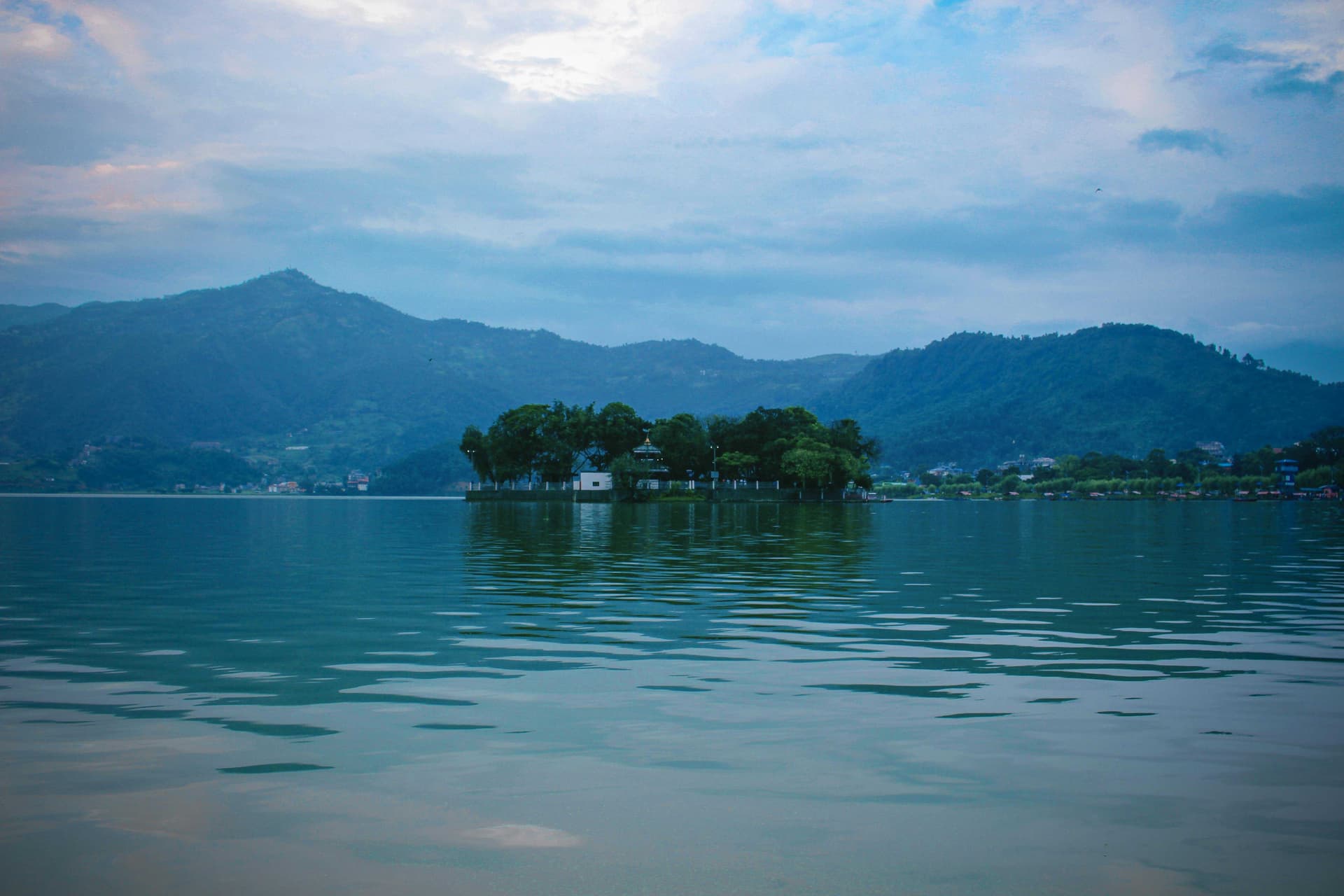
This is peak season for good reason, but that popularity comes with friction. Guesthouse prices in Lakeside spike by 40 percent, and the trailheads leading up into the Annapurna Sanctuary get crowded fast. If you plan to Visit Phewa Lake, from NPR 500, hire a rowboat from the Baidam launch point before 9:00am. By noon, gusts off the water make rowing hard work, and the hire stations run low on wooden boats. Most travelers make the mistake of leaving their lake outings for late afternoon, when wind ripples the reflection and turns smooth water choppy.
Winter mornings and quiet Sarangkot views
From December through February, night temperatures drop to around 5°C, and few hotel rooms in town have central heating. You will spend your evenings sitting close to gas heaters in local cafes, drinking spiced milk tea. Yet winter offers clear skies almost every morning before a mid-day haze settles over the valley around 2:00pm. It is easily the best season for travelers who dislike heavy crowds and want lower accommodation rates.
Set an alarm for 5:00am and make the short trip up to the ridge for the Sarangkot Sunrise View, from NPR 100. A taxi from the main strip costs roughly NPR 1,500 round trip, or you can walk the steep stone staircase from Sedhi Village in about two hours. The ticket platform charges from NPR 100 for entrance. Arriving fifteen minutes before twilight lets you watch the sun hit Dhaulagiri first, long before the tour buses turn up from the valley floor. Avoid staying up on Sarangkot overnight; the mountain ridge hotels charge double what you pay down in town for identical rooms and worse water pressure.
Spring heat and afternoon lakeside shopping
March and April bring warm days averaging 28°C and green hillsides covered in wild rhododendrons at higher elevations. The trade-off is atmospheric dust. Pre-monsoon haze starts building by mid-morning, obscuring the high snow peaks by lunchtime on three out of four days. If your main goal is seeing high summits from your balcony, spring will disappoint you compared to autumn.
However, spring evenings in town are pleasant once the midday heat breaks. Spend the cooler hours after 4:00pm doing some Shopping in Lakeside Bazaar. The main street stretches two kilometers along the shoreline, packed with leather shops, wooden craft stalls, and wool traders. Bargain politely—offering 70 percent of the initial quote is standard practice before settling in the middle. Skip the imported gear shops claiming to sell genuine branded gore-tex jacket samples; almost all of them are local knockoffs that leak at the seams in heavy rain.
AI-generated impression of Pokhara: Shopping in Lakeside Bazaar, as a visitor would see it
Monsoon rains from June through September
Between June and September, Pokhara receives over 3,000 millimeters of rainfall. The valley turns intensely green, but trail leeches emerge in millions, land slips close the Prithvi Highway to Kathmandu regularly, and the mountain wall stays behind thick gray clouds for weeks at a time. Flying into the local airport becomes unpredictable, with morning flights routinely delayed or cancelled due to low cloud cover.
Unless you are content taking a Leisurely Morning in a lakeside cafe listening to rain on tin roofs, avoid booking a trip during these four months. Whitewater rafting rivers run too high and dangerous, and trekking routes become muddy channels. The only real advantage is rock-bottom room rates, but saving thirty dollars a night is poor compensation when you spend four days looking at fog outside your hotel window.
Ready-made plans
Start a trip to Pokhara
Day-by-day plans built on real bookable activities. Copy one and make it yours.