When to Visit Pokhara: A Month-by-Month Mountain View Guide
Clear skies, winter chills, and why you should skip the monsoon.
October and November clear skies
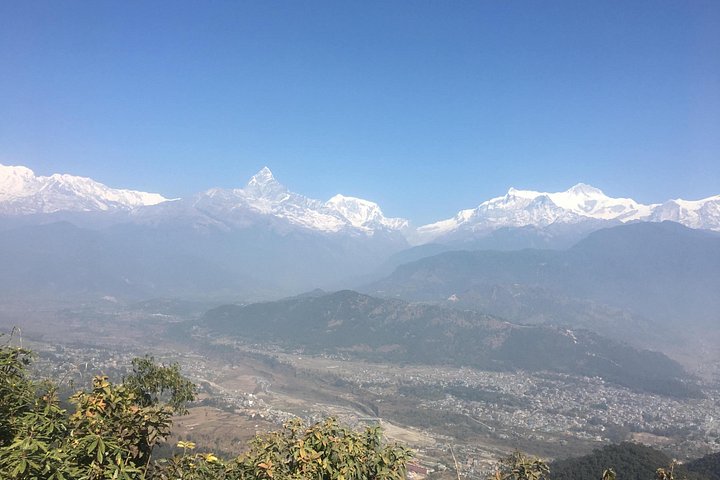
If you arrive in Pokhara on an October morning, the dust of the monsoon is gone, leaving air so sharp you can count the ridges on Machhapuchhre from your balcony. This peak window between October and November brings the clearest mountain views of the year and comfortable daytime temperatures hovering around 20 degrees Celsius. It is also when everyone else decides to visit.
The trails out of town fill up quickly. If you want to catch the first light hitting the peaks without competing for elbow room at the summit, take the Sarangkot Sunrise Tour, about 3 hours, from Rs 1,760. Hotel prices in the Lakeside neighborhood hit their peak during these eight weeks, and tea houses along the popular trekking routes require booking ahead or settling for a foam mattress in a dining room.
Sarangkot Sunrise Tour
Do not expect solitude along the main street after 5pm. The lake path gets packed with evening walkers, but the reward for enduring the crowds is reliable blue skies every morning and near-zero chance of rain ruining a flight or a trek.
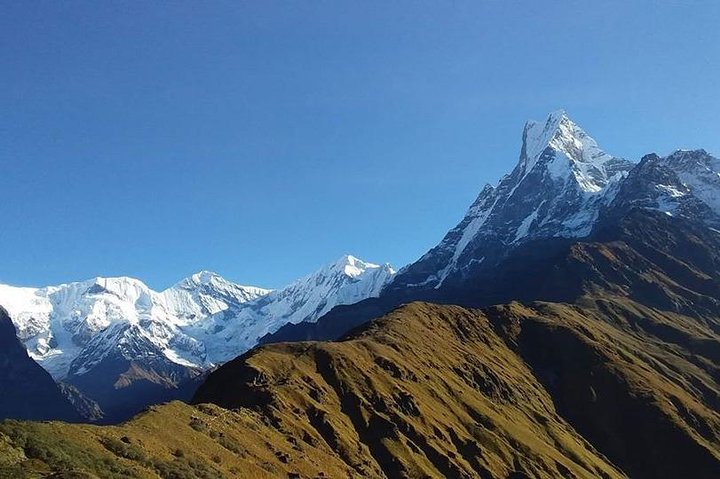
Mardi Himal Base Camp Trek
December to February cold and quiet
By mid-December, night temperatures in Pokhara dip down to 5 degrees Celsius, and most budget guesthouses do not offer central heating. You will sleep in thermal tops under thick wool quilts. However, the daytime sun remains surprisingly warm, and the winter sky stays blue for days on end.
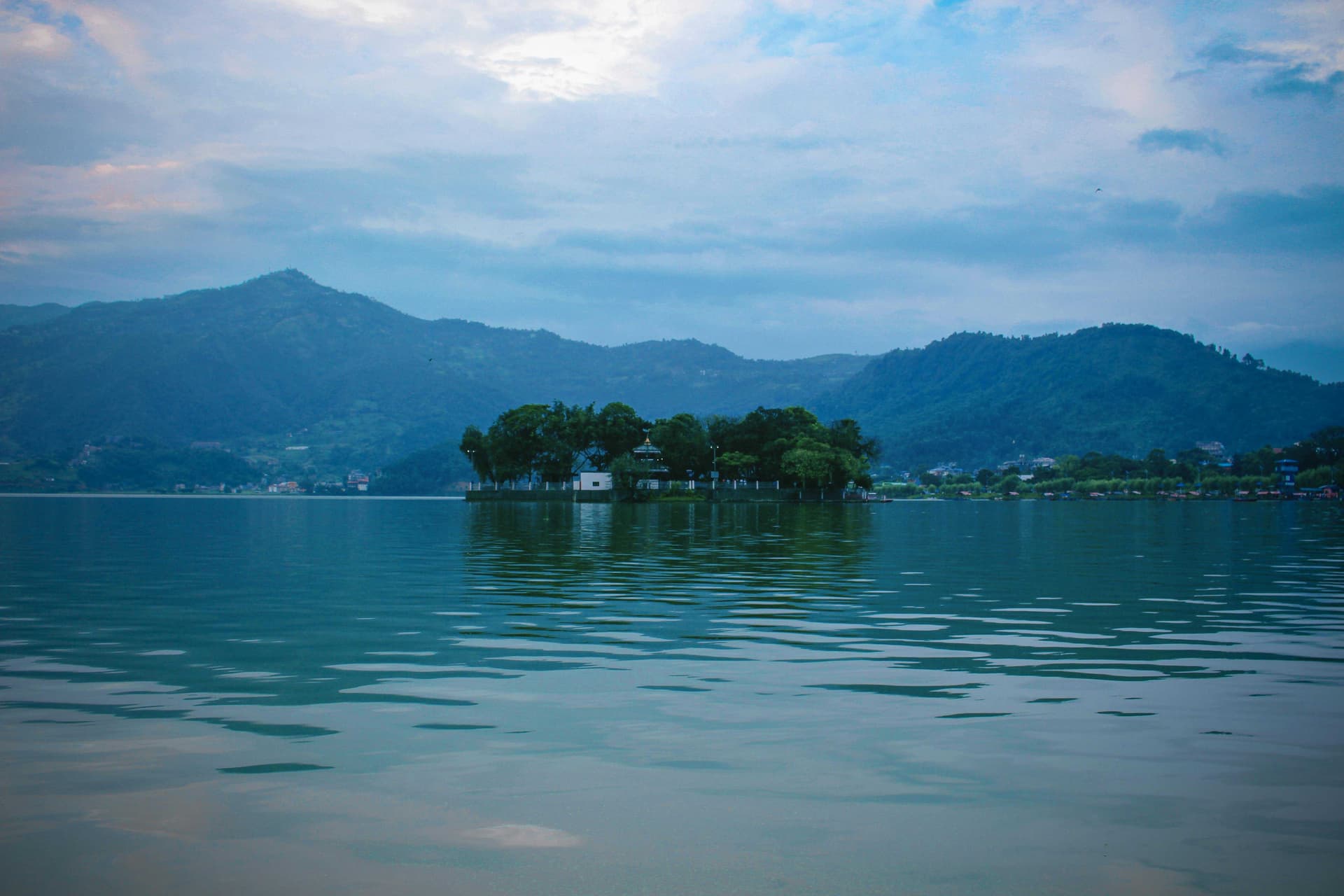
This is the best season if you want quiet trails and low-season rates. You can walk down to the shore and Visit Fewa Lake, from NPR 500 without waiting in line for a boatman or dodging tour groups on the wooden jetties. Higher mountain passes gather heavy snow, making high-altitude trekking tricky, but low-elevation routes remain dry and open.
A short trip like the Easy Hiking to Dhampus Village from Pokhara, about 3 hours, from Rs 4,602 works brilliantly in January because the trail is quiet, the air is crisp, and you get the views almost entirely to yourself. Just skip any early morning drives, as thick river fog often settles over the valley bottom until mid-morning.
March and April rhododendron season
Spring brings warmth back to the valley, pushing daytime temperatures up toward 28 degrees Celsius by late April. The lower hillsides turn bright red and pink as the rhododendron forests bloom. Dust levels rise as the dry season peaks, which means afternoon haze often obscures the snowy peaks after noon.
To get above the valley haze, book morning adventures before the thermals pick up and clouds roll over the ridge. A Paragliding Tandem Flight from Pokhara with Photos and Video, about 3 hours, from Rs 6,961 launched from Sarangkot at 9am gives you clear air and smooth flying before the afternoon wind turns gusty.
Avoid planning mountain photography trips for the late afternoon in April. The peaks usually vanish behind white haze by 1pm. Focus your afternoons on low-elevation walks, lake boat rides, or resting in cafe gardens before the summer heat hits in May.
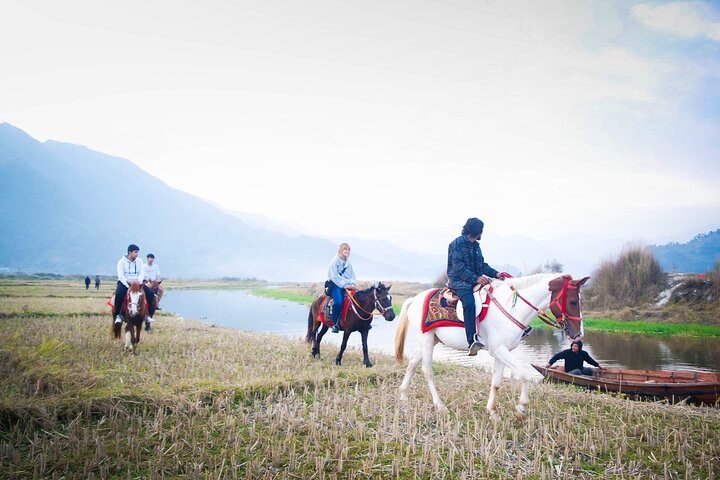
Full Day Horse Riding to Sarangkot in Pokhara
Monsoon months to skip entirely
From June through September, Pokhara receives some of the heaviest rainfall in Nepal. Torrential downpours spill off the Annapurna range, turning the highways into mud and bringing leeches out on every forest path. Clouds drop low over the lake, hiding the mountains for weeks at a time.
Taking a Private Car Drive from Pokhara to Kathmandu , about half a day, from Rs 10,938 during July or August is an exercise in patience, as landslides routinely block the Prithvi Highway for six to twelve hours. Paragliding operators shut down, outdoor gear shops close early, and dampness permeates everything from hotel mattresses to camera lenses.
While room prices drop by half, the monsoon is simply not worth the gamble unless you are coming strictly for quiet writing time or long-term meditation retreats. If you must travel in summer, pack high-top boots, heavy-duty rain gear, and expect your itinerary to change daily.
Visit Fewa and Begnas Lake
Ready-made plans
Start a trip to Pokhara
Day-by-day plans built on real bookable activities. Copy one and make it yours.