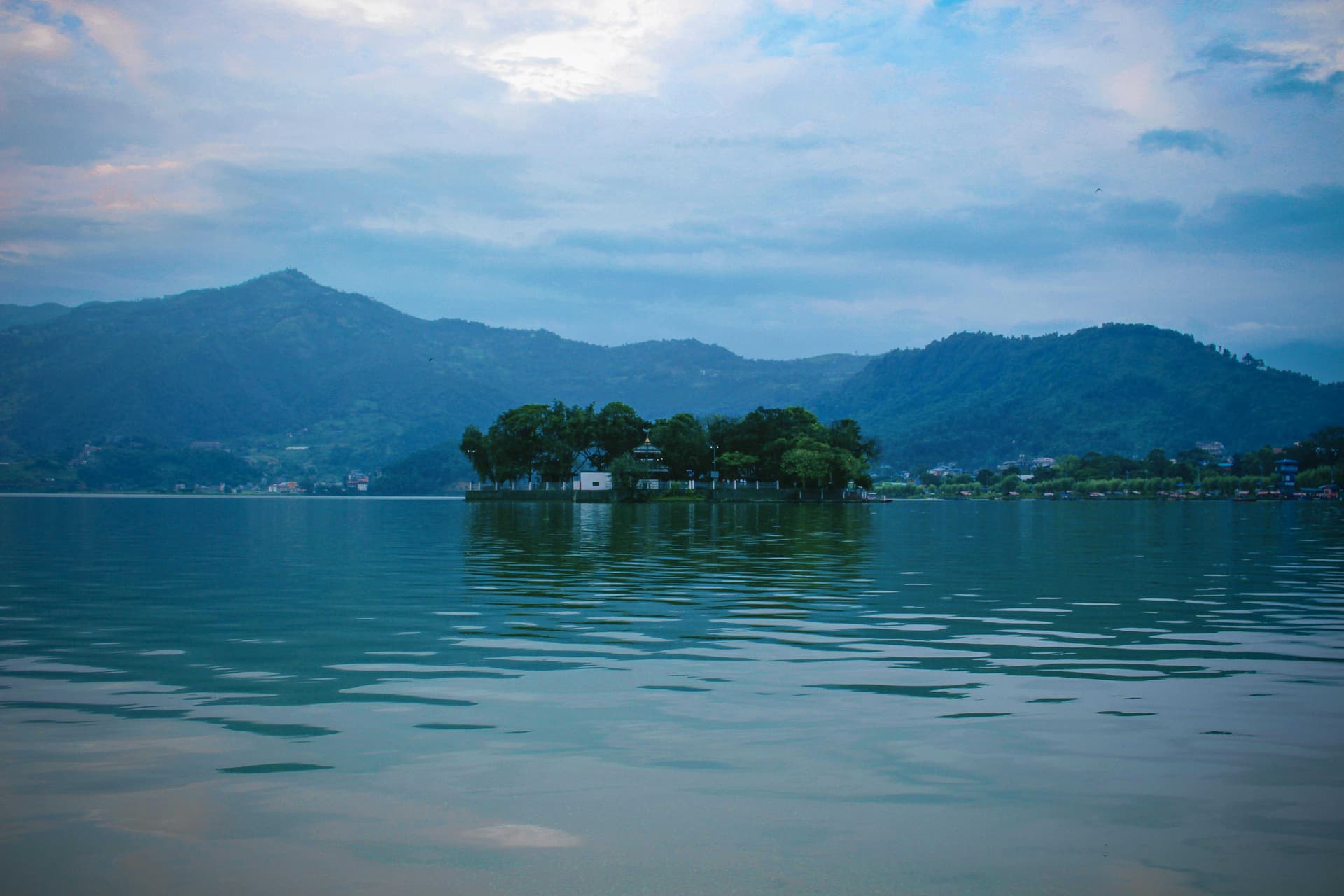
When to Visit Pokhara for Clear Skies and Mountain Views
A practical breakdown of seasons, crowds, rainfall, and clear mornings.
Clear skies and autumn crowds in October
If you ask anyone when to visit, they will tell you October. They are right, but only partly. The monsoon dies out in late September, washing the atmosphere clean. By early October, the Annapurna range stands absurdly sharp against pale blue skies. You can sit on a terrace in Baidam with a cup of tea and watch the snow peaks mirror off the water. The catch is the sheer volume of people. Tourists flood in by the thousands, long-distance buses jam the narrow road from Kathmandu, and rooms in Lakeside fill up months in advance. You will pay peak rates for accommodation and private taxis. If you want pristine views and do not mind sharing viewpoints with hundreds of other travelers, October and November are ideal. Just book your early morning domestic flight weeks ahead, as clear-weather slots fill quickly.
Spring warmth and dusty haze from March
March and April offer a warmer sweet spot, but the experience is entirely different from autumn. Temperatures hover around a comfortable 22 to 25 degrees Celsius, making early mornings crisp rather than freezing. Wild rhododendrons turn the lower hill trails deep red, which is spectacular if you are trekking up toward Ghorepani. However, by mid-April, local agricultural burning across the valleys creates a thick haze in the air. The snow peaks often vanish behind gray dust by mid-morning. What most visitors get wrong is expecting autumn clarity in late spring. To catch the mountains before the sky turns hazy, set off early for a Sarangkot Sunrise View, from NPR 100 for entrance to the upper platform. The drive takes thirty minutes from Lakeside, and leaving by 5:00 AM gets you past the jeep traffic.
Surviving the monsoon damp from June
From June through September, the skies open up. Pokhara receives heavy rainfall that can turn the main streets into shallow streams within thirty minutes. High-altitude trekking trails become muddy and infested with leeches, while flight delays at the airport are a daily certainty. Yet, if you are not planning high mountain hikes, the monsoon has real perks. Guesthouse prices drop by half, cafe tables are empty, and the surrounding hills turn intense shades of green. Skip the high-altitude trails and stick to low-key days. You can take a wooden boat to Visit Phewa Lake, from NPR 500 for a guided paddle, during afternoon breaks in the rain. The water stays smooth, though swimming is off-limits due to runoff. Pack a solid raincoat and expect the snow peaks to stay behind clouds for days at a time.
What to do in Lakeside Bazaar
Regardless of when you arrive, Pokhara moves much slower than Kathmandu. The best strategy is building your day around quiet mornings and relaxed afternoon walks. Start with a Leisurely Morning at a lakeside café with hot ginger tea, taking in the morning calm before shops open. Middays can get hot in spring, making late afternoon the best time to wander down the main strip. Spend an hour Shopping in Lakeside Bazaar, where storekeepers display hand-knotted wool rugs, cashmere shawls, and heavy brass singing bowls. Haggling is standard practice, but keep it polite; clearing a couple hundred rupees off the starting price is usually fair. Skip the expensive western-style tourist restaurants on the main road and step into the side alleys for authentic dal bhat, which costs far less and tastes much better.
AI-generated impression of Pokhara: Shopping in Lakeside Bazaar, as a visitor would see it
Getting around and where to base yourself
Getting to Pokhara usually means choosing between a 25-minute flight from Kathmandu or a seven-hour tourist bus along the Prithvi Highway. The bus route is notoriously bumpy and prone to delays caused by road construction, so pay extra for a sofa seat bus if you take the road. Once in town, avoid staying directly on the loudest stretches of the main Lakeside strip if you want quiet nights. The north end of Lakeside, towards Khahare, offers quieter guesthouses with garden yards that cost around NPR 1,500 to NPR 3,000 per night. Taxis inside town do not use meters, so agree on a price before getting in—a short trip between North Lakeside and the main bus park should run around NPR 300 to NPR 400. Walking is easy and free along the paved pedestrian track by the shore.
Ready-made plans
Start a trip to Pokhara
Day-by-day plans built on real bookable activities. Copy one and make it yours.