The Best Time to Visit Pokhara for Clear Skies and Big Views
A month-by-month guide to mountain clarity, trek timing, and monsoon reality.
October and November clear sky magic
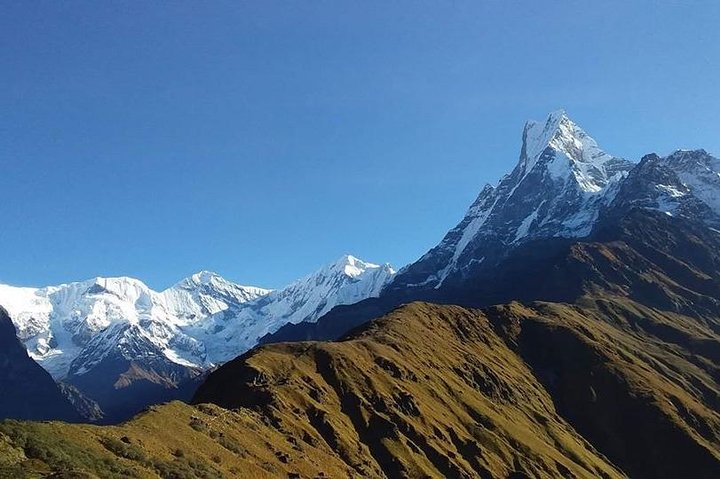
If you step out onto the terrace in Pokhara at 6:00 AM during October, the Annapurna range looks carved out of white glass against a polished blue backdrop. Autumn brings the clearest weather of the entire year. Monsoon rains have just washed the valley clean, sweeping away the haze, dust, and humidity. It is prime trek time for good reason, though you will share the trail with plenty of hikers. Temperatures float around 20°C during daytime in the valley, making it comfortable for walking without breaking a heavy sweat.
For early mornings, book the Sarangkot Sunrise Tour, about 3 hours, from Rs 1,799 to reach the ridge before daybreak, or simply walk up yourself if you prefer a pre-dawn climb. If you want a quick taste of the high country without spending weeks on the trail, the Easy Hiking to Australian Camp from Pokhara, about a full day, from Rs 10,164 gives you spectacular ridge views without requiring intense high-altitude gear. What most people get wrong about autumn is assuming you can book tea houses or drivers on the spot. November is peak tourist season across Nepal, so jeep transfers and popular guesthouses along the trails fill up weeks in advance. If you prefer quiet lakesides, head over to Begnas Lake instead of staying purely around Lakeside Bazaar.
Sarangkot Sunrise Tour
Spring trails from March to May
Mardi Himal Base Camp Trek
By mid-March, temperatures start rising into the mid-20s, and the lower hills break out in red, pink, and white rhododendron blossoms. Spring is the second best window for mountain visibility, though mid-afternoon haze starts building by late April as dust from the plains blows in. Mornings remain crisp and sharp, giving you about four to five hours of pristine peak views before clouds roll across the skyline.
It is also the prime season for high-adrenaline activities down in the valley. The wind conditions over Sarangkot peak in spring, making it ideal for Tandem Paragliding in Pokhara, about 30 minutes, from Rs 14,737. If you want river action before the heavy monsoon swells make the rapids unnavigable, take the Half day White water Rafting: Upper seti, about half a day, from Rs 5,082. The water temperature is surprisingly manageable compared to winter. The main mistake travellers make in late spring is underestimating afternoon heat down at lake level. Pokhara sits under 900 metres elevation, so while high passes stay cool, walking through town at 2:00 PM in May requires sun protection and plenty of water. Plan your active outdoor trips early in the day, then spend the afternoon resting at a cafe along the water.
Monsoon downpours from June to September
Rain in Pokhara is not a light sprinkle. The city gets hit with some of the heaviest rainfall in Nepal between mid-June and early September. Clouds drop low over the lake, burying Machhapuchhre behind a thick gray wall for days at a time. Trails turn into mud slides, and land slips frequently block the Prithvi Highway, turning what is normally a six-hour drive from Kathmandu into an unpredictable twelve-hour ordeal. Leeches populate every grassy path, making simple hillside walks an exercise in constant vigilance.
However, monsoon season is not completely unviable if you know what you are doing. Room rates drop by half, the surrounding hills turn bright neon green, and rain often comes in heavy afternoon downpours rather than non-stop all-day drizzle. Mornings can occasionally open up for brief glimmers of cloudless blue. If you find yourself in town during these wet months, avoid high-altitude trekking altogether and stick to low valley activities. Take a Pokhara: 3 Hour Authentic Nepali Thakali Dish Cooking Class, about 3 hours, from Rs 4,574 to master regional spices inside a dry kitchen, or book a 1 Hour Private Sports Massage in Pokhara Nepal with Pick Up, about 1 hours, from Rs 10,164 after a wet walk around the shore. Just do not come in July expecting postcard photos of the peaks.
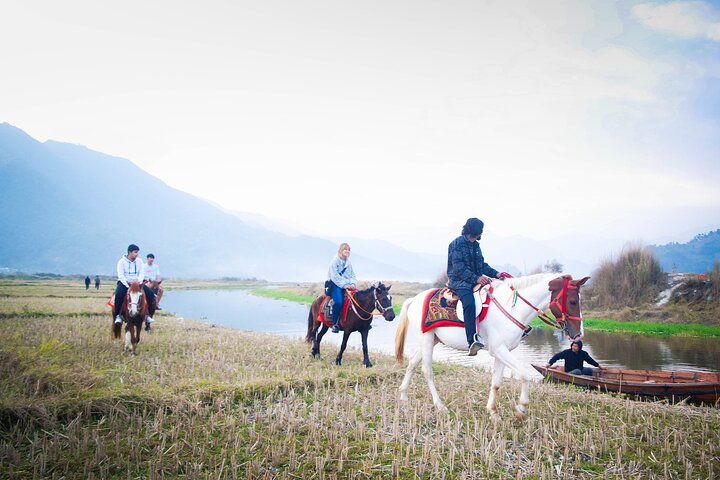
Full Day Horse Riding to Sarangkot in Pokhara
Winter crispness from December to February
Winter gets unfairly written off by travellers who fear freezing temperatures, but Pokhara valley stays remarkably mild compared to high mountain passes or even Kathmandu. Daytime temperatures hover around 15°C to 18°C under bright, pale sunlight, though night temperatures drop to around 5°C and most budget guesthouses lack central heating. The mountain visibility in December and January is extraordinarily sharp, offering razor-clear morning views of Annapurna South and Fish Tail.
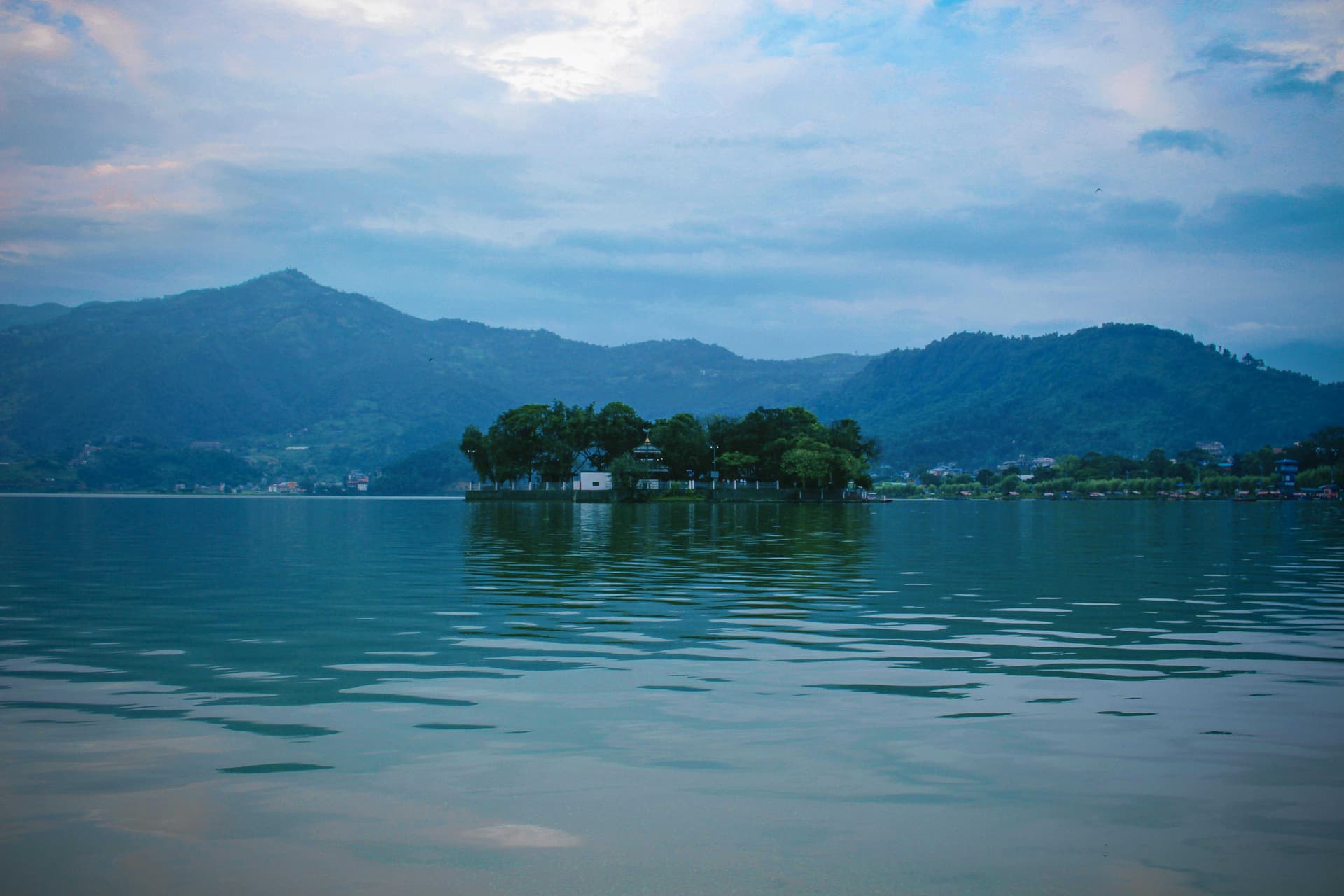
Because winter is the low season for high-altitude trekking, the town quietens down significantly. You can rent a wooden boat and Visit Phewa Lake, from NPR 500 without dodging dozens of other boaters. For a quick morning drive without high-altitude winter frost, the Exclusive Mountain View Scenic Drive, about 2 hours, from Rs 4,704 gets you up above the valley fog to catch the golden light hitting the peaks. If you plan to trek during these months, stick to short lower-elevation routes like the Poon Hill Sunrise Trek from Pokhara-3 Days, about a full day, from Rs 44,210, as high passes like Thorong La are locked in heavy snow. Bring a solid down jacket for the chilly evenings, enjoy the lack of crowds, and take advantage of off-peak prices across Lakeside.
Visit Fewa and Begnas Lake
Ready-made plans
Start a trip to Pokhara
Day-by-day plans built on real bookable activities. Copy one and make it yours.