When to Visit Pokhara for Clear Skies and Quiet Trails
A season-by-season guide to trekking weather, lake views, and flight conditions.
Autumn skies from October to November
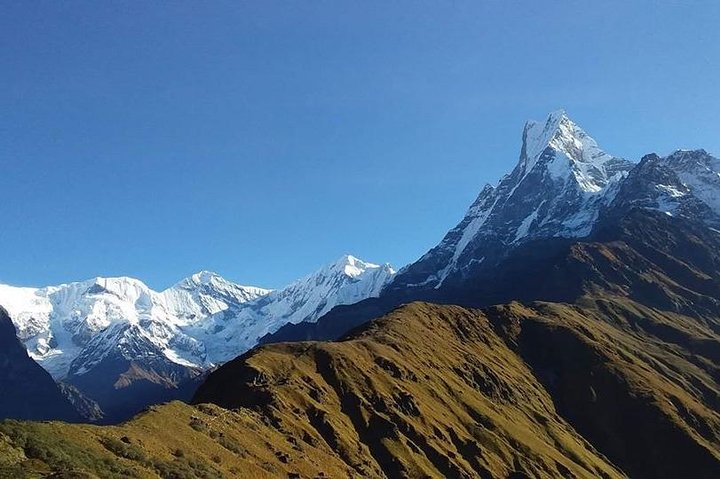
The sky clears almost overnight in late September. The monsoon rains wash months of dust out of the atmosphere, leaving the Annapurna range standing sharp against a deep blue background. If clear mountain views are your non-negotiable priority, October and November are the exact months you should book.
Temperatures sit around 20 to 22 degrees Celsius during the daytime, making walking along the Lakeside paths perfectly comfortable in a t-shirt. However, what most visitors get wrong is underestimating the evening temperature drop. By 7pm, the damp chill off the lake sets in, and you will want a thick wool fleece or a down jacket. This peak window brings higher prices for guesthouses and crowded trails. The Sarangkot Sunrise Tour, about 3 hours, from Rs 1,791, fills up early, so you need your driver arranged the evening before by 8pm.
Sarangkot Sunrise Tour
For those wanting a day hike without committing to a week-long expedition, October offers ideal footing. The Easy Hiking to Australian Camp from Pokhara, about 3 hours, from Rs 4,474, gets you up into oak forests without the slippery mud that plagues the trails three weeks earlier.
Spring bloom between March and April
Spring brings warmth back to the valley, with daytime temperatures rising above 25 degrees Celsius. By mid-March, the lower slopes of the Annapurnas erupt in giant red and pink rhododendron blossoms. It is easily the best time of year for flora, and the trails are lively with international trekkers and local wildlife.
The catch with spring is the haze. While October offers razor-sharp visibility all day long, spring mornings are clear for only four or five hours before heat haze and dust settle over the horizon by midday. If you plan to head up for mountain views, set your alarm for 5am. Taking the Australian Camp and Dhampus easy hiking, about half a day, from Rs 5,202, gives you plenty of time to clear the treeline, snap your photos, and head back down before the midday veil covers Machhapuchhre.
For longer routes, the Mardi Himal Base Camp Trek, about a full day, from Rs 59,685, is far less crowded in late March than the main Annapurna Circuit. Just keep in mind that afternoon thunderstorms become increasingly frequent as April draws to a close, bringing sudden downpours that can stall your trek if you are caught out without waterproof shell jackets.
Mardi Himal Base Camp Trek
Winter quiet during December and January
By December, the tourist rush evaporates, taking with it the higher room rates and busy streets. Daytime temperatures hover around 15 degrees, which sounds mild until you realize that most budget guesthouses in Lakeside lack central heating. You will spend your evenings huddled over gas heaters in cafes or wrapped in heavy yak-wool blankets.
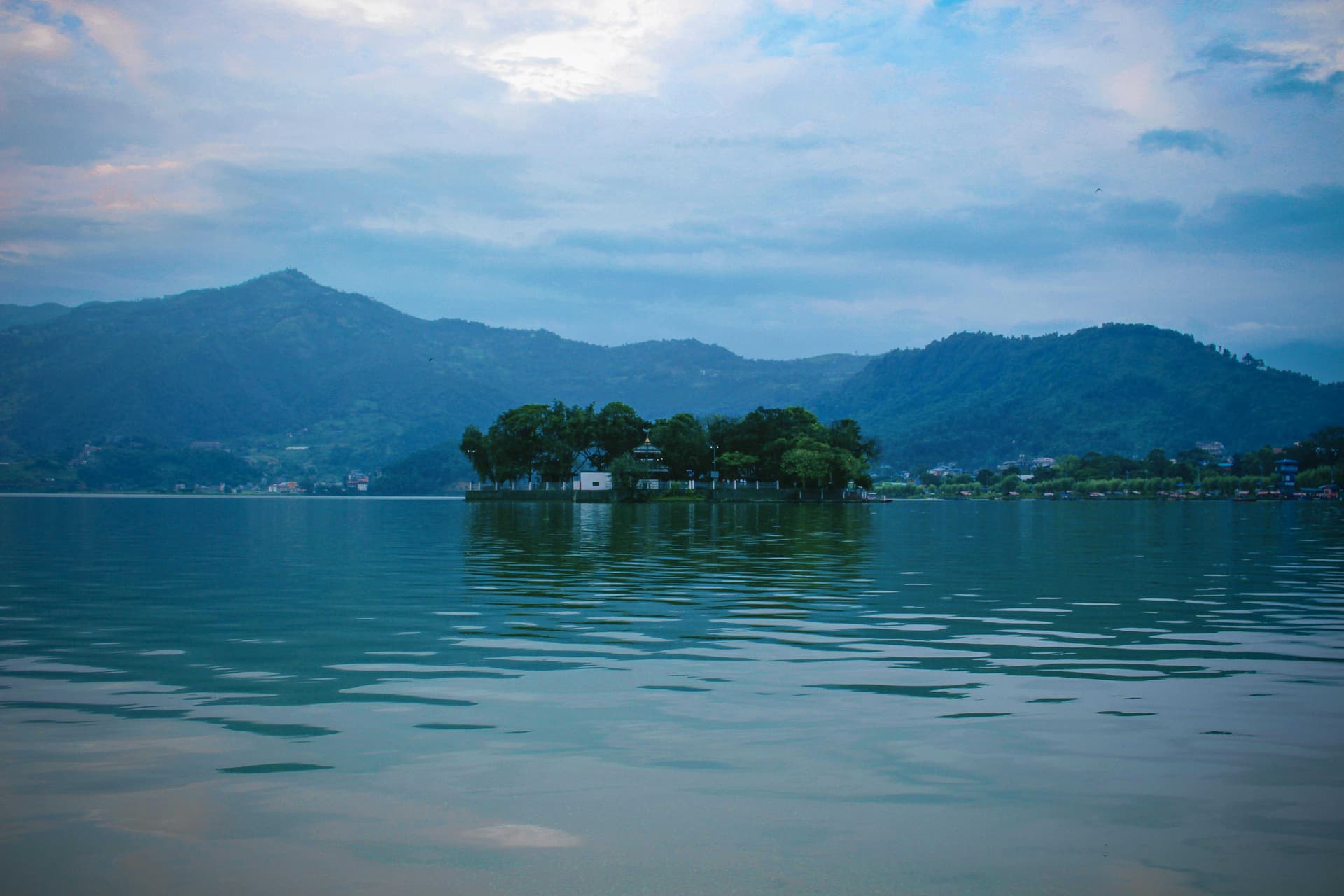
Despite the cold nights, winter mornings in Pokhara can be remarkably clear once the initial lake fog burns off around 9:30am. The air is still, and Phewa Lake acts like a glass mirror. A trip like the Visit Fewa and Begnas Lake, about 2 hours, from Rs 4,682, is particularly peaceful during these months, as you won't be competing with dozens of brightly painted wooden boats or noisy tour groups on the water.
Visit Fewa and Begnas Lake
What many travelers get wrong about winter is assuming high-altitude trekking is still straightforward. High passes like Thorong La close due to heavy snow accumulation, and temperatures above 3,000 meters plunge well below freezing. Instead of high treks, stay low in the valley and try the Nepalese Kitchen in Pokhara Momos or Dal Bhat Cooking Class, about 3 hours, from Rs 4,553, where you spend a warm afternoon indoors learning how to temper spices and roll dough.
Low season rain from June to September
The monsoon arrives in June and stays through September, dumping huge volumes of water onto the Pokhara valley. It is not uncommon for rain to fall continuously for three days without a break. Trails become slick with mud, leeches dominate the wet grass, and clouds completely obscure the Himalayas for weeks on end.
If you travel during these months expecting mountain views, you will end up bitterly disappointed. However, if you come for quiet streets, heavy discounts on boutique stays, and swollen rivers, monsoon has its own raw appeal. White water rafting is at its peak thrill level during this window; the Half Day Upper Seti White River Rafting from Pokhara, about half a day, from Rs 9,611, offers fast, energetic rapids fueled by rain runoff.
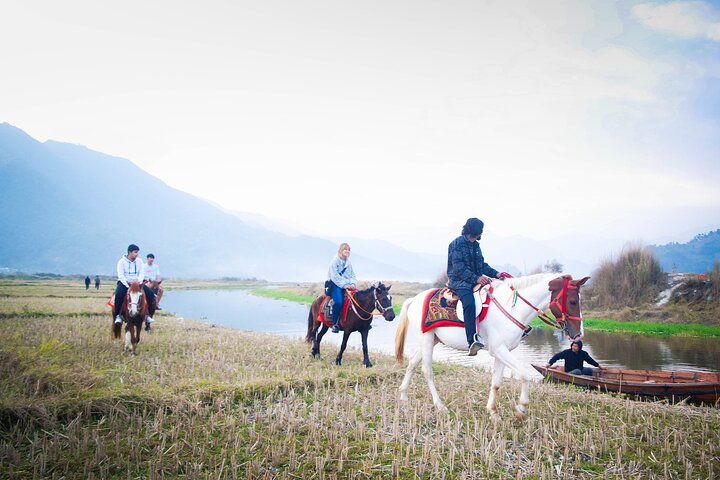
Full Day Horse Riding to Sarangkot in Pokhara
Transportation requires flexibility during the monsoon. Landslides along the Prithvi Highway frequently block overland transit, so a Private Car Drive from Pokhara to Kathmandu, about half a day, from Rs 11,128, can easily stretch from six hours into twelve. Keep two days of buffer time around any international flight out of Nepal. When the rain traps you indoors, spend an afternoon getting a 1 Hour Private Sports Massage in Pokhara Nepal with Pick Up, about 1 hours, from Rs 10,116.
Flying over the valley on clear mornings
Pokhara is famous for its paragliding, but timing your flight depends entirely on the season and the time of day. The ideal thermal conditions occur between October and March, when stable weather patterns prevent sudden squalls. The launch point at Sarangkot sits at 1,600 meters, taking off into air currents that lift you directly above the lake.
Bookings should always be made for the earliest morning slot, usually around 9am or 10am. By noon, thermal strength increases, making flights bumpier, and afternoon cloud cover often rolls in to shut down launch sites entirely. Tandem Paragliding in Pokhara, about 30 minutes, from Rs 14,669, gives you a bird's-eye view of the valley floor, while a Himalayas Ultra Light Aircraft flight, about 1 hours, from Rs 19,727, climbs much higher toward the peaks if you prefer an enclosed cockpit.
What most people miss is how quickly weather cancels flights in the shoulder months. Never schedule a flight on your last morning in town. Give yourself a three-day window so that if wind or mist grounds flights on day one, you can easily reschedule for the next morning without missing your connection out of the valley.
Ready-made plans
Start a trip to Pokhara
Day-by-day plans built on real bookable activities. Copy one and make it yours.