
Top Hotels in Jabalpur
Top Flights to Jabalpur
Top Activities in Jabalpur
See it for yourself
Location videos
Reels and longer watches.
Good to know
Practical info
Weather, costs and getting around.
Scored from each month’s typical high and its usual conditions.
Jabalpur, located in central India, experiences a tropical climate with distinct seasons. The summer months, from March to June, are generally hot, with temperatures often reaching up to 45°C (113°F). The monsoon season, from July to September, brings significant rainfall and cooler temperatures, making it a lush and green time to visit, though humidity can be high. The winter months, from November to February, are mild and pleasant, with temperatures ranging from 5°C to 25°C (41°F to 77°F), making it an ideal time for travel and outdoor activities.
All 12 monthshighs, lows and conditions


Know before you go
Local guide
A deeper read on Jabalpur.
What people love
Jabalpur, located in Madhya Pradesh, India, offers a unique blend of natural beauty, historical significance, and cultural richness. Some of the pros of traveling to Jabalpur include:
-
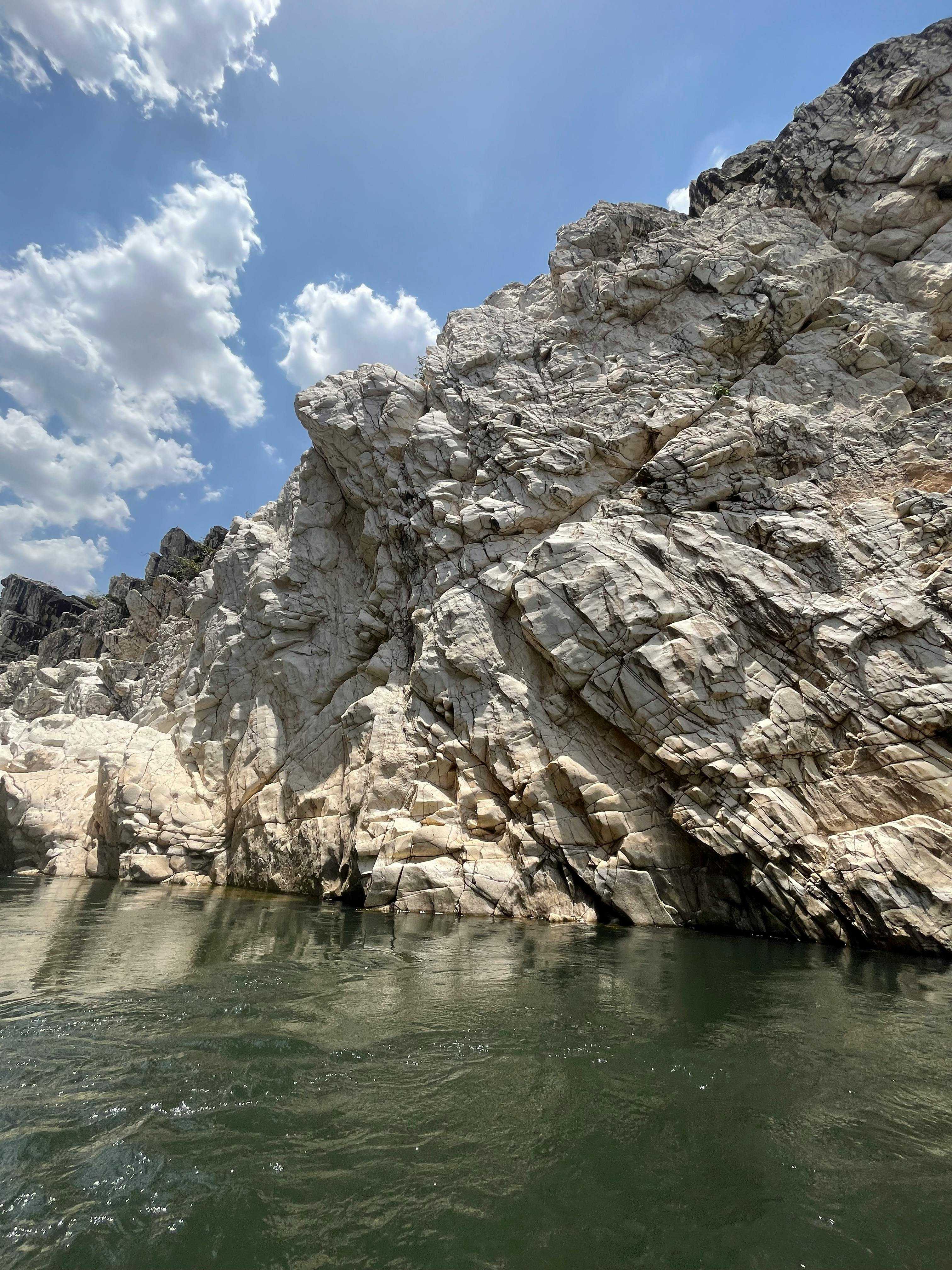
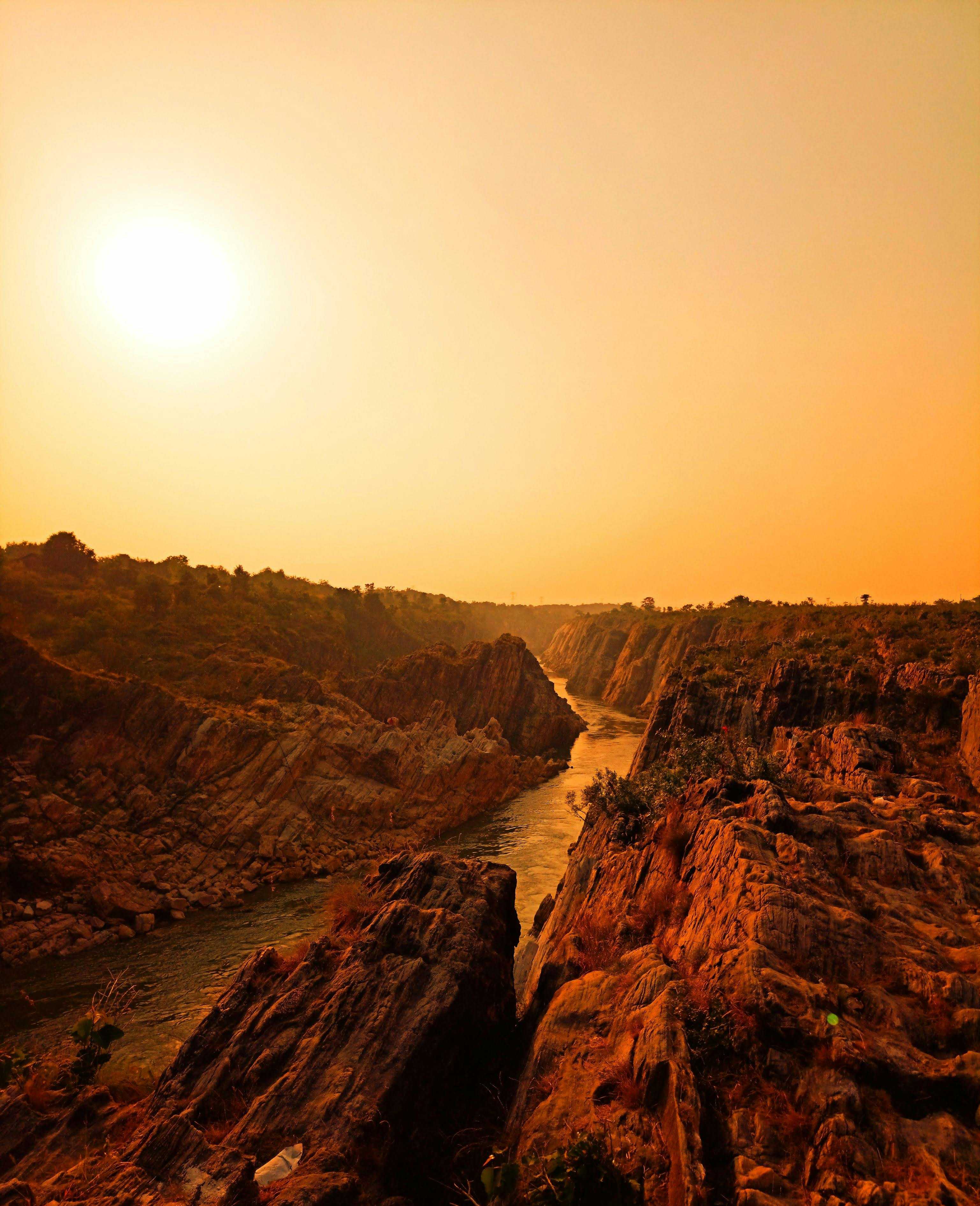
Natural Beauty: Jabalpur is known for its picturesque landscapes, with attractions such as the Dhuandhar Waterfall, Marble Rocks at Bhedaghat, and the lush greenery of the Kanha and Bandhavgarh National Parks. Nature lovers will appreciate the opportunity to explore these natural wonders.
-
Historical Significance: Jabalpur has a rich history dating back to ancient times, with several historical sites and monuments to explore. The Rani Durgavati Museum, Madan Mahal Fort, and Chausath Yogini Temple are just a few examples of the historical attractions in the city.
-
Cultural Diversity: Jabalpur is home to a diverse population, resulting in a vibrant cultural scene. Visitors can experience the local cuisine, traditional music and dance performances, and colorful festivals that showcase the region's cultural heritage.
-
Gateway to Central India: Jabalpur serves as a gateway to exploring the central region of India, with easy access to nearby destinations such as Kanha National Park, Bandhavgarh National Park, and Pachmarhi Hill Station. This makes it a convenient base for further travel adventures in the area.
-
Off the Beaten Path: Compared to more popular tourist destinations in India, Jabalpur offers a more off-the-beaten-path experience, allowing travelers to truly immerse themselves in the local culture and natural beauty without the crowds.
Overall, traveling to Jabalpur can provide a unique and enriching experience for those looking to explore the lesser-known gems of India.
What to know
Jabalpur, located in the state of Madhya Pradesh, India, is a beautiful city with many attractions and natural beauty. However, like any travel destination, there are some potential cons to consider before visiting:
-
Limited public transportation: Jabalpur may not have a well-developed public transportation system, making it challenging to get around the city for tourists who are not familiar with the area. This could result in relying on taxis or rickshaws, which can be expensive for travelers on a budget.
-
Pollution: Like many Indian cities, Jabalpur may also have issues with pollution, particularly air pollution. This could affect individuals with respiratory issues or sensitivities.
-
Language barrier: While many people in Jabalpur may speak Hindi, communication in English could be limited, especially in more rural areas. This language barrier could make it difficult to navigate the city, order food, or ask for directions.
-
Limited tourist infrastructure: Jabalpur may not have as well-developed tourist infrastructure as other popular Indian cities like Delhi or Mumbai. This could mean fewer options for accommodations, dining, or tourist activities.
-
Seasonal weather extremes: Jabalpur experiences hot summers and monsoon seasons, which could be uncomfortable for some travelers. Additionally, heavy rainfall during the monsoon season could lead to flooding or transportation disruptions.
Overall, while Jabalpur has much to offer in terms of natural beauty and cultural attractions, potential visitors should be aware of these cons and plan accordingly to have a smooth and enjoyable trip.