
Madhya Pradesh
· IN

Madhya Pradesh

Madhya Pradesh, India

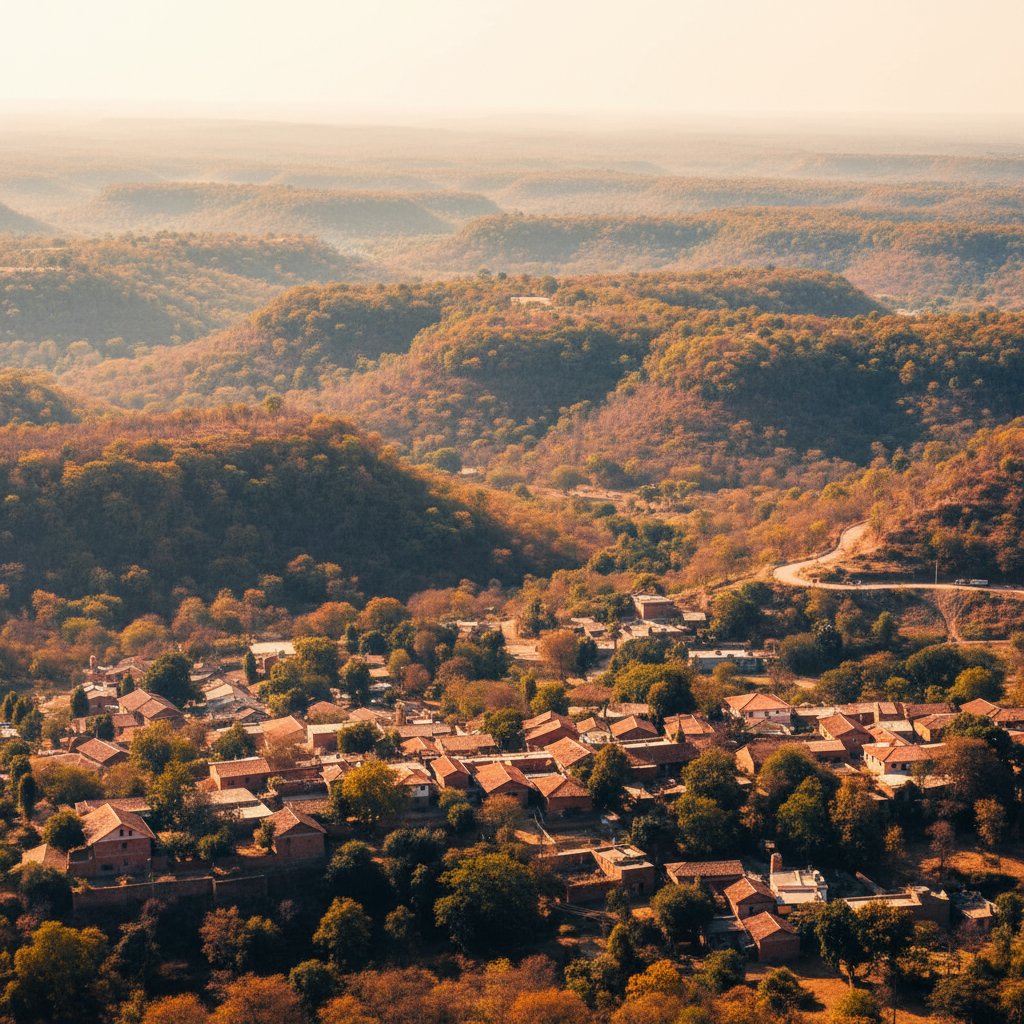
Journey to the Heart of India: Discover Madhya Pradesh Step into the vibrant tapestry of Madhya Pradesh, the "Heart of India," where ancient wonders whisper tales of empires past, nature bursts forth in verdant jungles a…

#Central India#Heart of India#Historical sites#National parks#Cultural diversity
1/4

Top hotels & flights

Hand-picked stays and the best fares into Madhya Pradesh.

Top Hotels in Madhya Pradesh

Top Flights to Madhya Pradesh

Popular activities

Tours, tickets and experiences travelers book most in Madhya Pradesh.

Tours

Visit to Khajuraho Temples

Explore the famous intricately carved temples of Khajuraho, a UNESCO World Heritage Site.

Sanchi Stupa Exploration

Explore Sanchi Stupa, one of the oldest stone structures in India and an important Buddhist pilgrimage site.

Shopping

Bargain Shopping at Sarafa Bazaar, Indore

Experience the bustling night market at Sarafa Bazaar, known for its street food and shopping.

Outdoor

Bandhavgarh National Park Safari

Experience a thrilling safari in Bandhavgarh National Park, home to the largest population of Bengal Tigers.

Trekking in Pachmarhi

Hike through the lush greens and waterfalls of Pachmarhi, Madhya Pradesh's only hill station.

Location videos

Real reels from travelers, plus longer watches to get the full picture.

From travelers
Watch & explore

Practical info

The essentials for planning your time in Madhya Pradesh.

Currency
₹ | INR | Indian Rupee
Population
82 million
Languages
Hindi, Urdu, Marathi

Local guide

What travelers love, what to watch for, and a deeper read on Madhya Pradesh.

What people love

Madhya Pradesh, located in central India, is known for its rich history, diverse culture, and stunning natural beauty. Here are some pros of traveling to Madhya Pradesh:

  1. Historical and Cultural Attractions: Madhya Pradesh is home to numerous historical and cultural sites such as the UNESCO World Heritage Sites of Khajuraho temples, Sanchi Stupa, and Bhimbetka rock shelters. These sites provide a glimpse into the rich heritage and architectural marvels of the region.

  2. Wildlife Sanctuaries and National Parks: Madhya Pradesh is known for its wildlife sanctuaries and national parks, including Bandhavgarh National Park, Kanha National Park, and Pench National Park. These parks are home to a variety of wildlife species including tigers, leopards, deer, and birds, offering excellent opportunities for wildlife enthusiasts.

  3. Scenic Beauty: Madhya Pradesh boasts of diverse landscapes ranging from lush forests to rocky hills and serene rivers. Places like Pachmarhi, Amarkantak, and Mandu offer breathtaking views and opportunities for outdoor activities like trekking, camping, and bird watching.

  4. Spiritual and Religious Sites: Madhya Pradesh is a land of spiritual significance with temples, shrines, and pilgrimage sites scattered throughout the state. Ujjain, Omkareshwar, and Maheshwar are popular destinations for religious tourism.

  5. Rich Handicrafts and Cuisine: Madhya Pradesh is known for its vibrant handicrafts including Chanderi and Maheshwari textiles, Gond tribal art, and Dhokra metal craft. The local cuisine of Madhya Pradesh offers a variety of flavors and dishes such as poha, dal bafla, and bhutte ka kees, providing a unique culinary experience.

Overall, traveling to Madhya Pradesh offers a blend of history, culture, nature, and spirituality, making it a compelling destination for travelers seeking an authentic Indian experience.

Enjoy your trip to Madhya Pradesh!

What to know

Some potential cons of traveling to Madhya Pradesh, India, could include:

  1. Limited public transportation options: Madhya Pradesh may have limited public transportation infrastructure compared to other popular tourist destinations in India, making it more challenging to get around the state.

  2. Language barrier: While Hindi is the official language of Madhya Pradesh, there may be regions where English is not widely spoken, which could pose a communication challenge for some travelers.

  3. Remote locations: Some tourist attractions in Madhya Pradesh, such as national parks and wildlife sanctuaries, may be located in remote areas with limited amenities and services, requiring careful planning and preparation.

  4. Health and safety concerns: Like any travel destination, Madhya Pradesh may have health and safety risks that travelers should be aware of, such as food and water hygiene, mosquito-borne diseases, and wildlife encounters.

  5. Weather extremes: Madhya Pradesh experiences a range of weather conditions throughout the year, including extreme heat in the summer and cold temperatures in the winter, which could impact travel plans and activities.

It's important to research and plan your trip carefully to ensure a safe and enjoyable experience while visiting Madhya Pradesh.

Madhya Pradesh, often referred to as the "Heart of India" due to its central location, has a rich and varied history that spans several millennia. Here is a detailed overview of its history, significant events, historical figures, and important landmarks.

Ancient and Medieval Periods

  1. Prehistoric Era:

    • The region has evidence of human settlement dating back to the prehistoric era, with numerous rock shelters and cave paintings, such as those found in Bhimbetka, illustrating early human life.
  2. Ancient Empires:

    • The Maurya and Gupta Empires: Madhya Pradesh was part of these great empires that ruled large swathes of India. The region thrived under the Mauryan Empire and reached its zenith during the Gupta period.
  3. The Malwa Region:

    • The Malwa region was significant during the rule of the Paramaras with their capital at Dhar. The Paramara king Raja Bhoja was a notable ruler known for his patronage of the arts and literature.
  4. The Chandelas:

    • Known for the construction of the famous Khajuraho temples, the Chandela dynasty ruled parts of Madhya Pradesh from the 9th to the 13th century.
  5. Delhi Sultanate and Mughal Empire:

    • The region came under the control of the Delhi Sultanate in the early 13th century and later, the Mughal Empire. The Mughals had a firm grip on the region until the 18th century.

Colonial Period

  1. Maratha Influence:

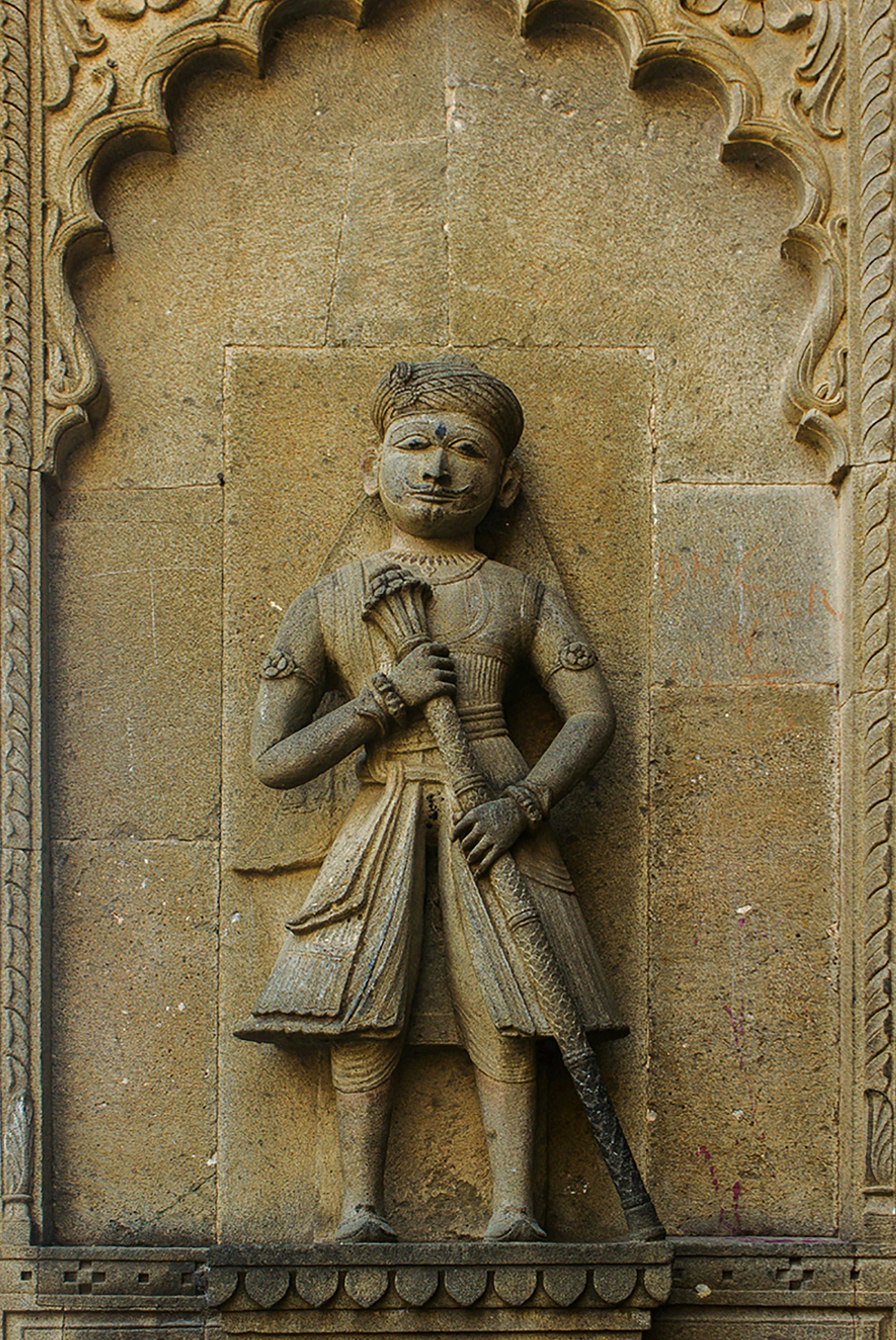
    • The Marathas began to exert influence in the 18th century. The Scindias of Gwalior, the Holkars of Indore, and the Bhosles of Nagpur were prominent Maratha clans that controlled various parts of the region.
  2. British Rule:

    • After the Third Anglo-Maratha War, the British East India Company took control over much of Madhya Pradesh. It became part of the Central Provinces and Berar during British rule.

Post-Independence

  1. Formation of the State:
    • Madhya Pradesh was formed on November 1, 1956, after the reorganization of states. The state was reorganized again in 2000 when its southeastern part became the new state of Chhattisgarh.

Significant Historical Figures

  • Raja Bhoja: A legendary king known for his wisdom and patronage of culture.
  • Rani Durgavati: A Gond queen remembered for her bravery in battling the Mughal forces.
  • Tansen: A prominent musician in the court of Mughal Emperor Akbar, hailing from Gwalior.
  • Ahilyabai Holkar: Revered as a just and wise ruler of the Malwa region, she is known for her contributions to the development and beautification of Indore.

Important Landmarks

  1. Khajuraho Temples: Known for their intricate sculptures and erotic carvings, these temples are a UNESCO World Heritage Site.
  2. Sanchi Stupa: Another UNESCO World Heritage Site, it is one of the oldest stone structures in India and an important Buddhist monument.
  3. Bhimbetka Rock Shelters: Known for prehistoric cave paintings, these shelters are also a World Heritage Site.
  4. Gwalior Fort: A historic fort with a rich history, it is renowned for its architecture and as a center of Jain and Hindu cultural heritage.
  5. Mandu: Known for its Afghan architecture, Mandu is famous for the Jahaz Mahal and the romantic tale of Baz Bahadur and Rani Roopmati.

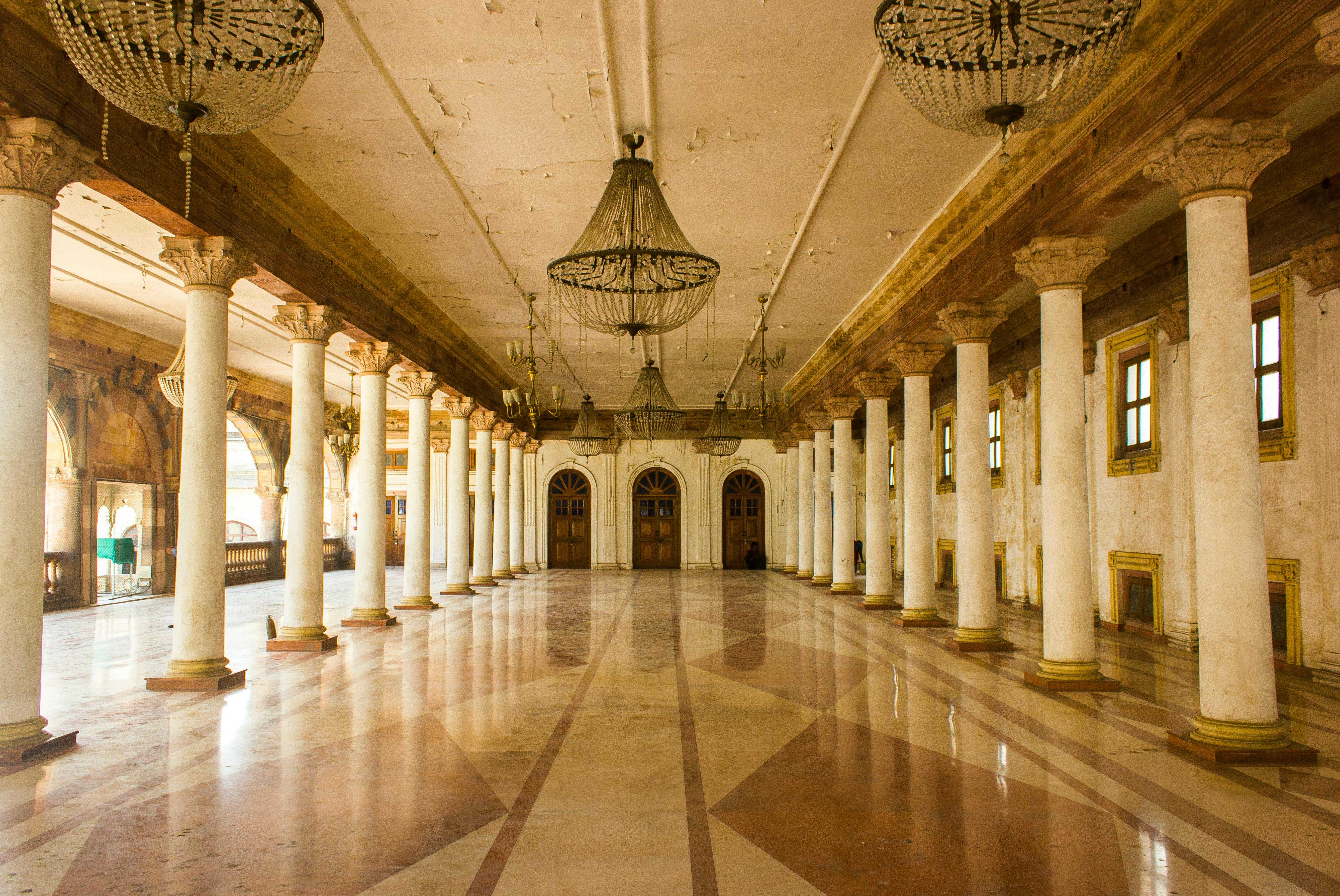
Madhya Pradesh, with its rich tapestry of history, culture, and architecture, continues to be a significant region in India, reflecting the diverse heritage and traditions that have shaped the Indian subcontinent.