
Gangtok
City · India

Gangtok

Gangtok, Sikkim, India

Nestled in the Eastern Himalayas, Gangtok is the captivating capital of Sikkim, offering a perfect blend of breathtaking scenery, vibrant culture…

#Himalayas#Mountainous#Cultural#Buddhist#Tourist destination

Top Hotels in Gangtok

Top Flights to Gangtok

Flying from

Top Activities in Gangtok

Ready-made plans

Trip plans that include Gangtok

Day-by-day plans you can copy and edit.

3 plans

From the journal

Gangtok guides & stories

What to see, when to go, what it costs.

1 story

Highlights

Things to do in Gangtok

What travellers talk about most.

Tours

Evening Walk at MG Marg

Enjoy a leisurely stroll at the pedestrian-only MG Marg, the heart of Gangtok.

Visit Rumtek Monastery

Explore the largest monastery in Sikkim, the seat of the Karma Kagyu lineage.

Food Exploration

Explore the local markets and street food scene of Gangtok.

Gangtok Sightseeing Tour

Explore the scenic beauty of Gangtok with visits to famous monasteries, gardens, and viewpoints.

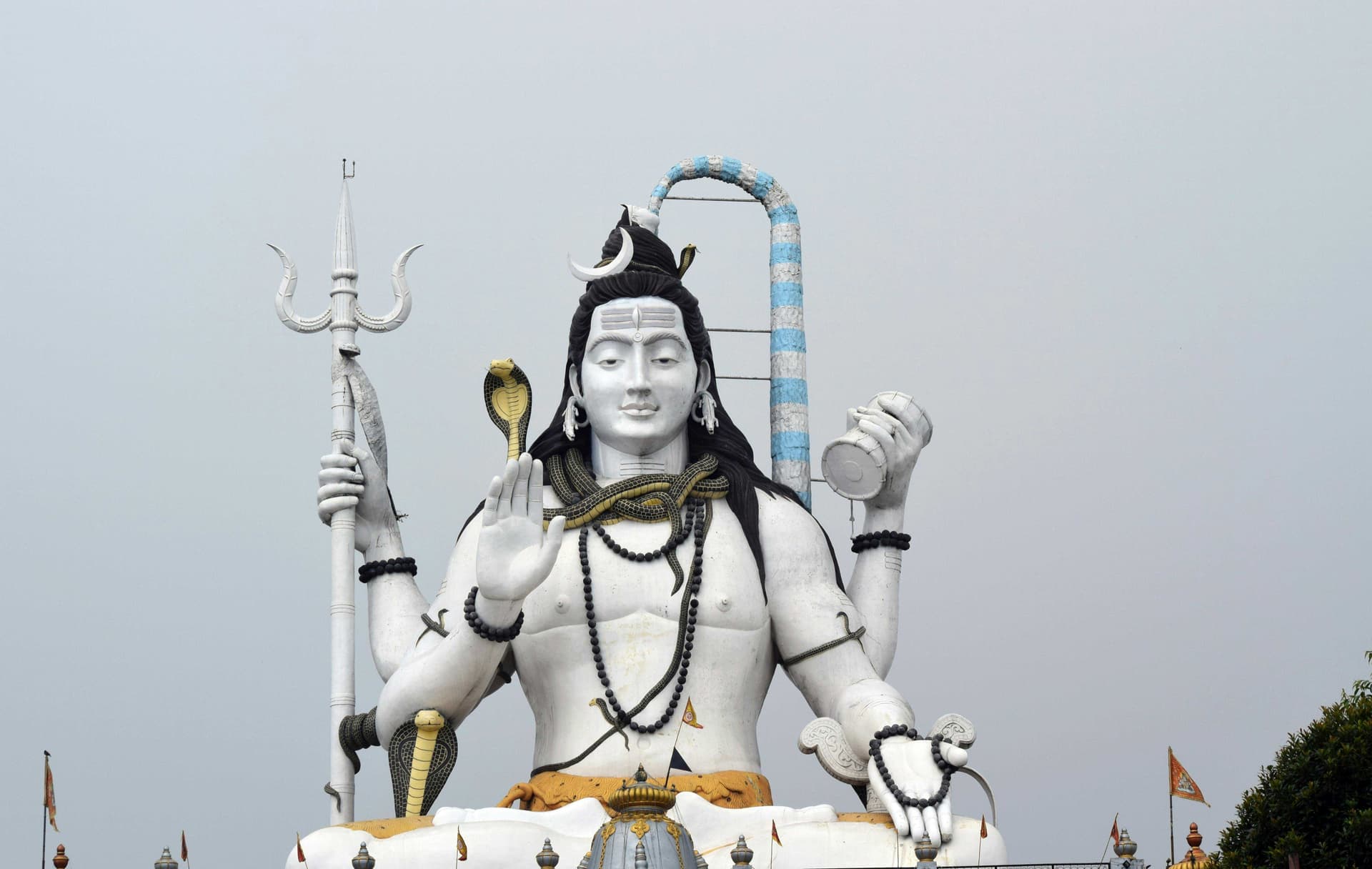
Visit Hanuman Tok

A serene temple complex dedicated to Lord Hanuman, offering panoramic views of the Kanchenjunga range.

Shopping

Local Shopping in Gangtok

Discover local crafts and produce in the bustling markets of Gangtok.

Outdoor

Trekking Adventure in Gangtok

Experience the thrill of trekking through the lush green hills surrounding Gangtok.

See it for yourself

Location videos

Reels and longer watches.

Featured for Gangtok

Traveller clips picked out for this place.

Watch & explore

Good to know

Practical info

Weather, costs and getting around.

Gangtok, Sikkim, India Open in Google Maps
When to go

Scored from each month’s typical high and its usual conditions.

GoodMixedAvoid
Best monthsMar – Apr, Oct – Nov
Worth avoidingMay – Sep
September · rainHigh 21°C Low 16°C
Avoid

Gangtok, the capital city of Sikkim, India, experiences a temperate climate. The weather is generally mild, with heavy rainfall during the monsoon season from June to September. Summers (April to June) are pleasant, with temperatures ranging from 15°C to 22°C, making it an ideal time for sightseeing. Winters (November to February) are cold, with temperatures often dropping to around 4°C, and the city occasionally experiences snowfall. Travelers should be prepared for sudden weather changes and carry appropriate clothing, especially during the monsoon and winter months.

All 12 monthshighs, lows and conditions
Jan
cold
12°
Feb
cold
14°
Mar
cloud
17°
Apr
cloud
19°10°
May
rain
20°13°
Jun
rain
21°16°
Jul
rain
21°17°
Aug
rain
21°17°
Sep
rain
21°16°
Oct
cloud
19°12°
Nov
cloud
16°
Dec
cold
13°
Currency
₹ | INR | Indian Rupee
Population
100,286 (2011)
Density
444 / km²
Local time
Languages
Nepali mainly · Bhutia, Hindi, Kirati, Lepcha, Limbu, Mandarin, Sherpa, Tibetan, english
Budget / day
₹3300 - ₹11500
Also known as
Tshongu, गाङटोक, Gang-tok, དཀར་སྟོག་, Yatung

Know before you go

Local guide

A deeper read on Gangtok.

What people love

Gangtok offers breathtaking natural beauty with stunning views of the Himalayas and Mount Kanchenjunga. The city is incredibly clean, safe, and well-organized, highlighted by the litter-free, pedestrian-only MG Marg. It serves as an excellent base for exploring Sikkim's high-altitude lakes, mountain passes, and trekking trails. Visitors can immerse themselves in a rich tapestry of Tibetan Buddhist culture, exploring vibrant monasteries and tasting delicious local cuisine. Furthermore, Sikkim's commitment to organic farming and sustainable tourism makes it an eco-friendly destination.

What to know

Gangtok's high altitude can cause mild altitude sickness for some visitors, requiring time to acclimatize. The weather is highly unpredictable, and heavy monsoon rains from June to September frequently cause landslides, leading to road closures and travel disruptions. Due to its mountainous terrain, getting around involves navigating steep, winding roads and climbing many stairs, which can be challenging for those with mobility issues. Additionally, foreign nationals and even domestic tourists require special permits to visit certain restricted areas like Nathu La Pass and Tsomgo Lake.

Gangtok, the capital city of the Indian state of Sikkim, has a rich and diverse history.

Early History

  • Origins: The recorded history of Gangtok began in the early 18th century. However, the area's history predates this, with evidence of habitation by various indigenous tribes.
  • Monasteries: The establishment of the Enchey Monastery in 1840 marked a significant development in Gangtok's history, as it became a major center of Buddhist learning.

19th Century

  • British Influence: In the mid-19th century, Gangtok gained prominence when it became a stopover on the trade route between Tibet and British India. The British influence increased after the Anglo-Sikkimese Treaty of 1861, which established Sikkim as a British protectorate.
  • Thutob Namgyal: The 9th Chogyal (King) of Sikkim, Thutob Namgyal, played a crucial role during this period. In 1894, he moved the capital from Tumlong to Gangtok, further enhancing its importance.

20th Century

  • 1903: The British built a road connecting Gangtok to Tibet, which further integrated the region into the British colonial trade network.
  • Post-Independence: After India's independence in 1947, Sikkim remained a protectorate until it merged with India in 1975. Gangtok became the capital of the 22nd state of India.
  • Development: Post-merger, Gangtok underwent significant development, transforming it into a modern city while maintaining its cultural heritage.

Significant Events

  • 1947-1975: The period leading up to Sikkim's merger with India was marked by political changes and movements, including the Sikkimese people's desire for democracy and integration with India.
  • 1975: On April 26, 1975, following a referendum, Sikkim officially became a part of India, and Gangtok was declared its capital.

Important Landmarks

  • Enchey Monastery: Established in 1840, it is one of the oldest monasteries in Sikkim and holds significant religious importance.
  • Rumtek Monastery: Located near Gangtok, it is one of the largest and most important centers of Tibetan Buddhism in Sikkim.
  • Tashiling Secretariat: The administrative center of Sikkim, highlighting the governance and political history of the state.
  • Namgyal Institute of Tibetology: An important center for the study of Tibetan culture and Buddhism, founded in 1958.

Historical Figures

  • Thutob Namgyal: The 9th Chogyal who moved the capital to Gangtok and played a crucial role in its development.
  • Palden Thondup Namgyal: The last Chogyal of Sikkim, who reigned during the period leading up to the merger with India.

Gangtok today is a vibrant city that reflects a blend of traditional Sikkimese culture and modern Indian influences, serving as a gateway to the Himalayas and a popular tourist destination.

Traveler ratings

How Gangtok rates

From verified Travafa trips.

4.3
Very good
Based on traveler reviews
Things to Do
4.3
Accommodation Quality
4.3
Local Transportation
4.0
Safety
4.0
Scenic Beauty
4.3
Shopping
4.3
Friendliness of People
4.7
Cleanliness
4.0
Value for Money
4.0
Internet Connectivity
3.7
Good for
100%
Friends
33%
Family
100%
Couple
0%
Solo
0%
Pets

Who is Gangtok for?

By the travellers who rated it on Travafa. Each page states the places, months and budget for that kind of trip.