
Sikkim
· IN

Sikkim

Sikkim, India

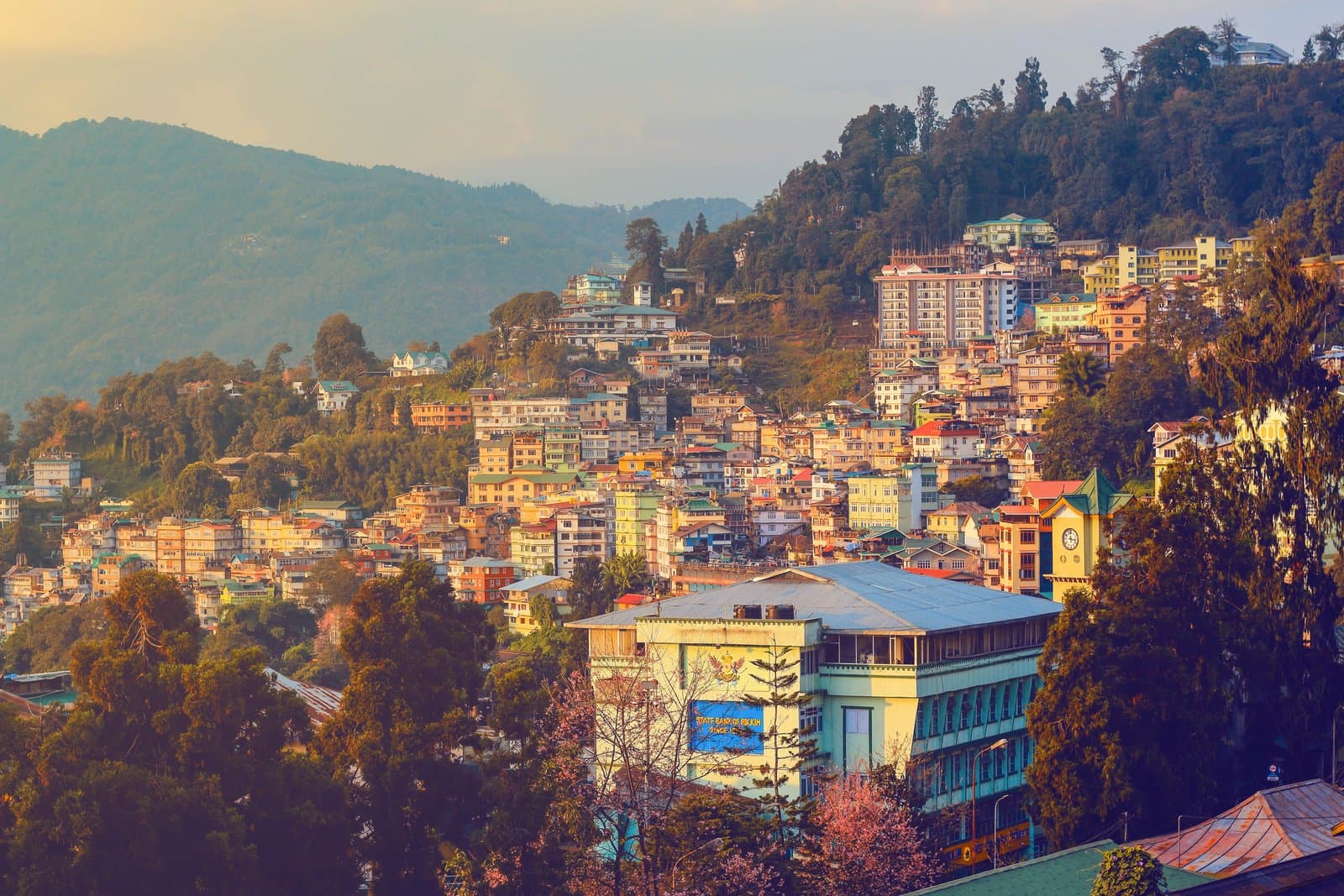
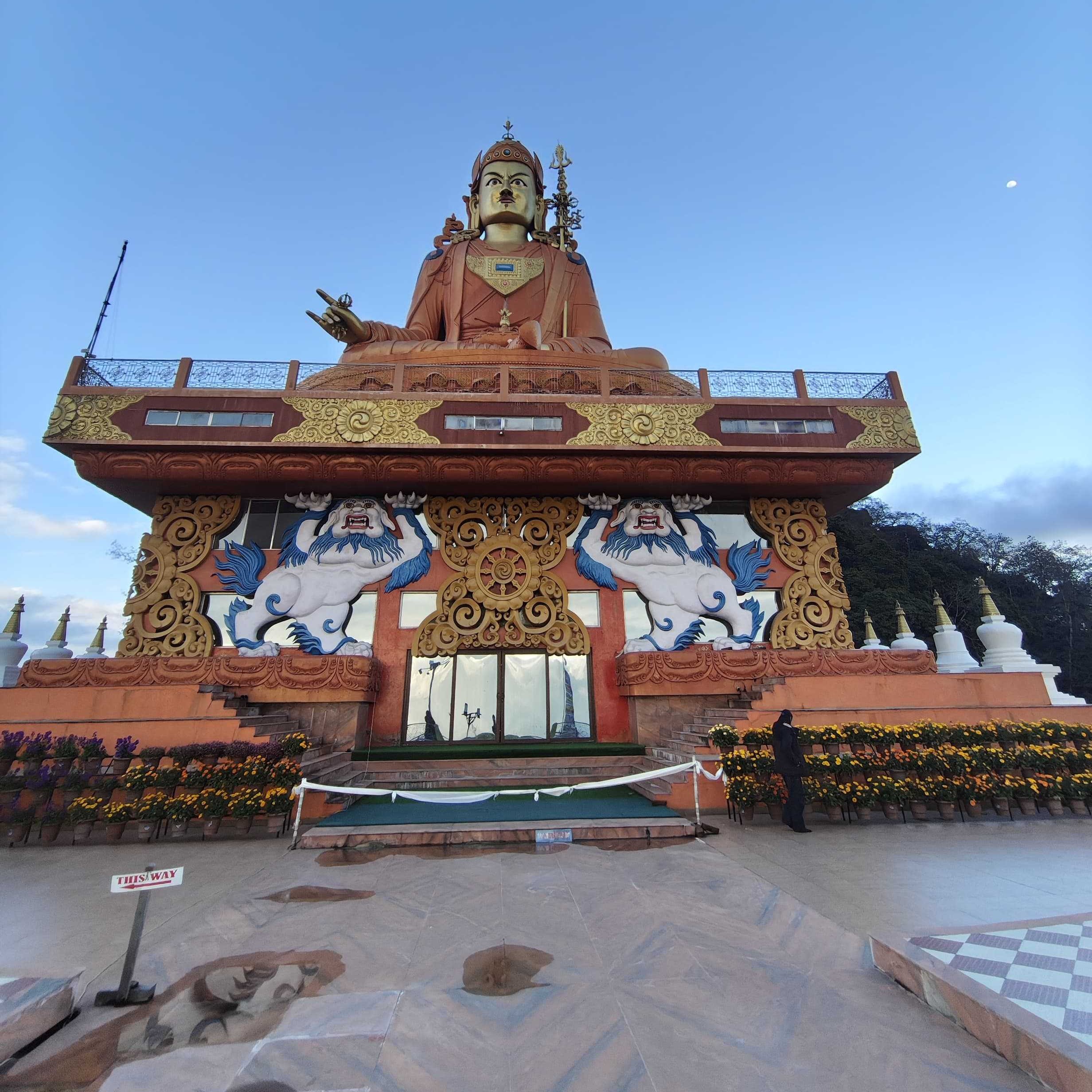
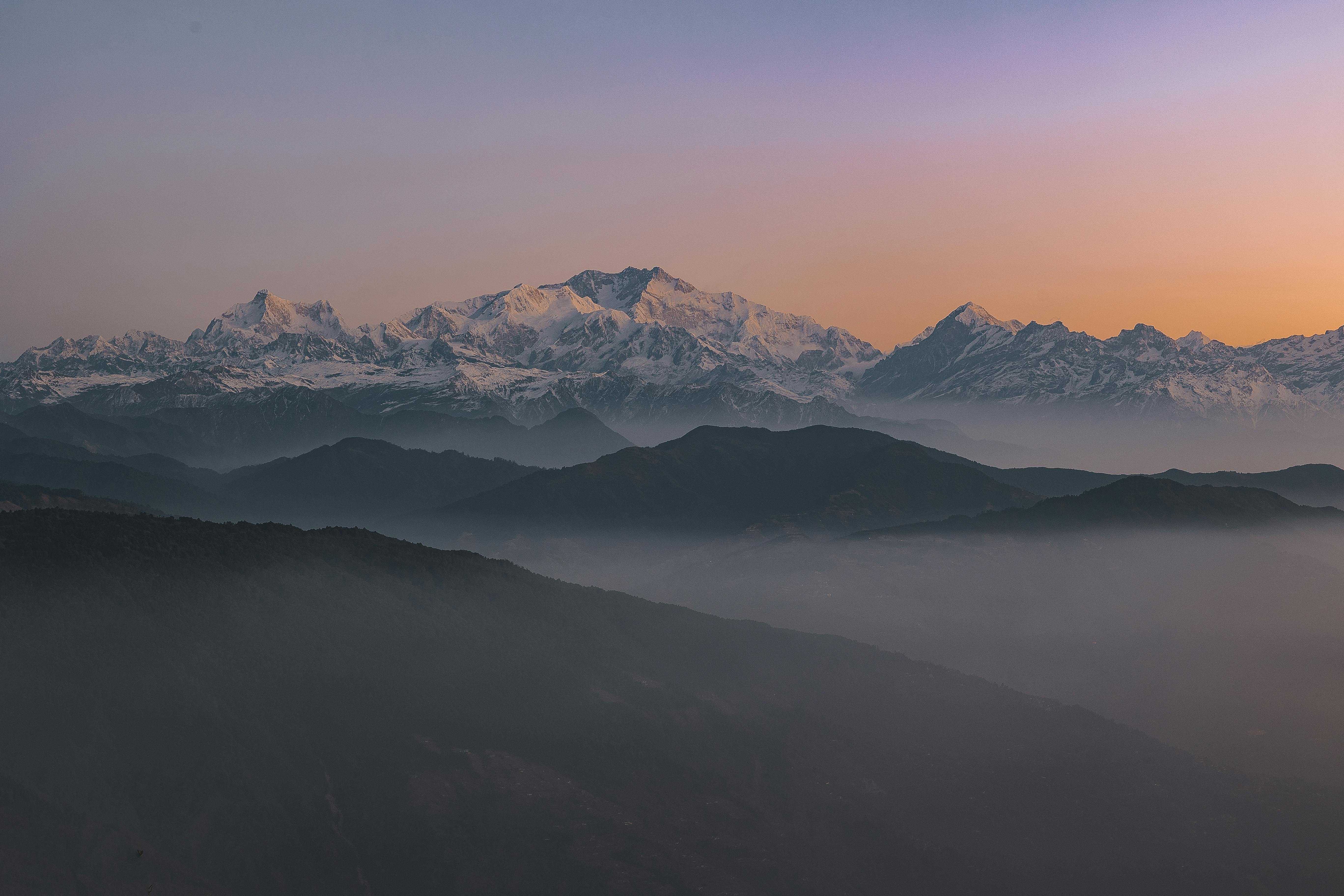
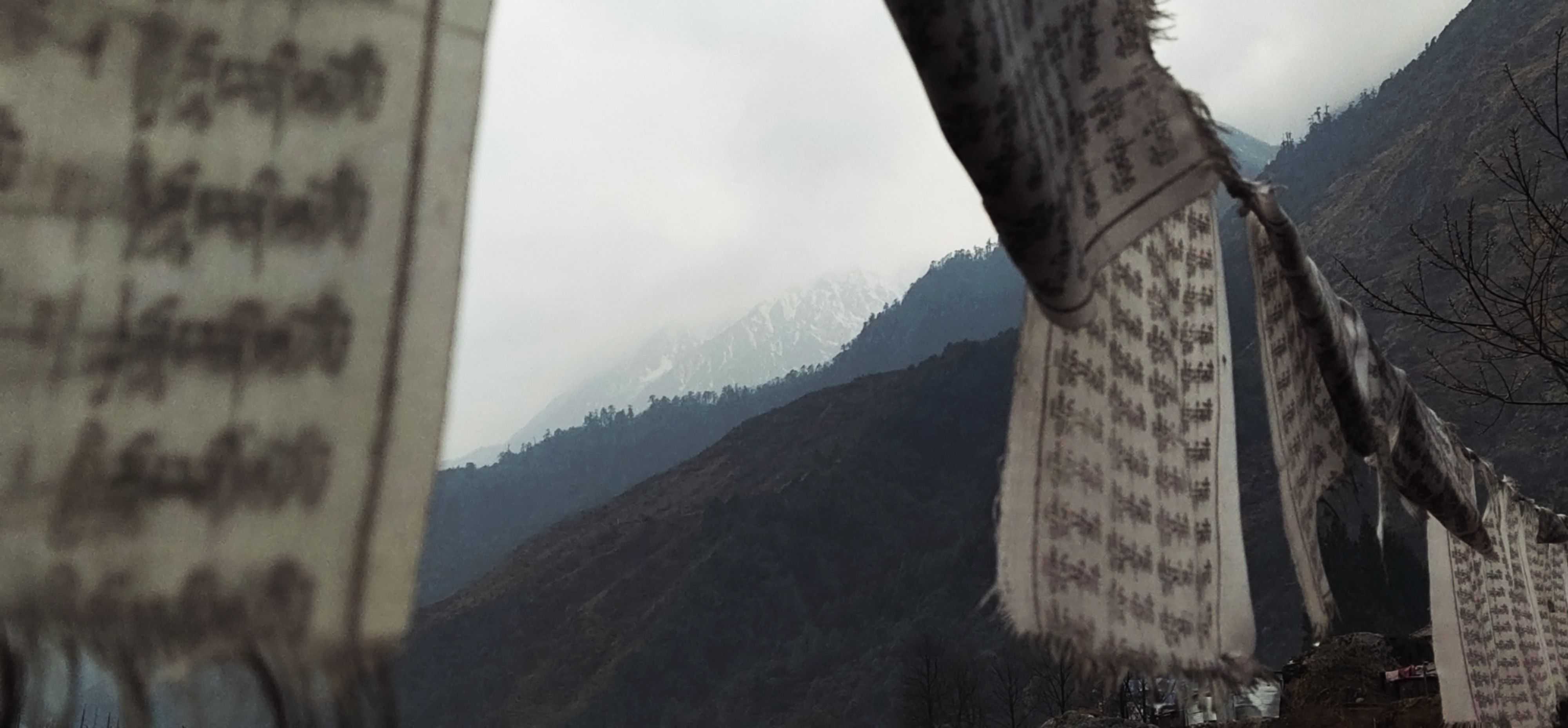
Escape to Sikkim: Where the Himalayas Touch the Sky Nestled amidst the soaring peaks of the Eastern Himalayas, Sikkim, India, is a sanctuary for the soul. This tiny state, often described as a "hidden paradise," captivat…

#Himalayan region#Buddhist culture#Mountainous terrain#Tea plantations#Adventure tourism
1/18

Top hotels & flights

Hand-picked stays and the best fares into Sikkim.

Top Hotels in Sikkim

Top Flights to Sikkim

Popular activities

Tours, tickets and experiences travelers book most in Sikkim.

Tours

Visit Tsomgo Lake

A glacial lake in East Sikkim surrounded by mountains and reflection of snow clad peaks is truly captivating.

Visit Yumthang Valley

Known as the Valley of Flowers, offering meadows of flowers and a serene river flowing through it.

Cable Car Ride

Enjoy a scenic aerial view of Gangtok and the surrounding hills with a cable car ride.

Discover Rumtek Monastery

One of the most significant and largest monasteries in Sikkim known for its architecture and spiritual ambiance.

Shopping

Explore MG Road

The main street of Gangtok, lined with shops, cafes, and restaurants offering local and international cuisine.

Shop at Lal Bazaar

A bustling market offering local produce, handicrafts, and traditional clothes.

Outdoor

Trek to Goecha La

A challenging trek providing stunning views of the mighty Kanchenjunga and various high-altitude landscapes.

Rafting in Teesta River

Experience the thrill of white water rafting on the Teesta River amidst scenic landscapes.

Hike to Namchi

Enjoy a refreshing hike offering panoramic views of the surrounding hills and the famous Char Dham temple.

Location videos

Real reels from travelers, plus longer watches to get the full picture.

From travelers
Watch & explore

Practical info

The essentials for planning your time in Sikkim.

Currency
₹ | INR | Indian Rupee
Population
The approximate estimated total population of Sikkim, India is '0.7 million'.
Languages
Nepali, Bhutia, Dzongkha, Groma, Gurung, Lepcha, Limbu, Magar, Majhi, Maithili, Newari, Rai, Sherpa, Sunwar, Tamang, Thulung, Tibetan, Yakha

Local guide

What travelers love, what to watch for, and a deeper read on Sikkim.

What people love

Sikkim, located in the northeastern part of India, offers a unique and beautiful travel experience with a mix of natural beauty, culture, and adventure. Here are some of the pros of traveling to Sikkim:

  1. Breathtaking Scenery: Sikkim is known for its stunning landscapes including snow-capped mountains, lush green valleys, and beautiful lakes. The views of the Himalayas, especially Kanchenjunga, are simply awe-inspiring.

  2. Rich Culture and Heritage: Sikkim is home to a diverse mix of ethnic groups including Nepalis, Lepchas, Bhutias, and Tibetans. This cultural diversity is reflected in the traditions, festivals, and architecture of the region.

  3. Adventure Activities: Sikkim offers a range of adventure activities such as trekking, mountain biking, river rafting, and paragliding. The rugged terrain and pristine natural surroundings make it an ideal destination for adventure enthusiasts.

  4. Buddhist Monasteries: Sikkim is dotted with numerous Buddhist monasteries and stupas, offering visitors a glimpse into the spiritual and religious traditions of the region. The Rumtek Monastery and Pemayangtse Monastery are particularly famous.

  5. Organic Farming and Local Cuisine: Sikkim is India's first fully organic state, making it a paradise for food lovers. Visitors can enjoy fresh, organic produce and traditional Sikkimese dishes like momos, thukpa, and gundruk.

  6. Peaceful Environment: Sikkim is known for its tranquility and serene environment, providing a perfect escape from the hustle and bustle of city life. The clean air, pristine surroundings, and warm hospitality of the locals make it a peaceful retreat.

Overall, traveling to Sikkim offers a unique opportunity to explore a lesser-known part of India, immerse yourself in nature, and experience the rich culture and heritage of the region.

What to know

Traveling to Sikkim, India, has several cons that travelers should be aware of:

  1. Permit requirements: Foreign nationals require a special permit called the Protected Area Permit (PAP) to visit certain areas of Sikkim. This can be a bureaucratic process and may require some advance planning.

  2. Altitude sickness: Sikkim is a mountainous region with varying altitudes. Travelers may experience altitude sickness, especially when visiting high-altitude areas like Gurudongmar Lake or the Yumthang Valley. It is important to acclimatize properly to avoid health issues.

  3. Limited connectivity: Some remote areas in Sikkim may have limited or no mobile network coverage and internet connectivity. Travelers should be prepared for this and plan accordingly.

  4. Weather conditions: Sikkim experiences unpredictable weather conditions, with heavy rainfall and landslides during the monsoon season (June to September). Travelers should be cautious and check weather forecasts before planning their trip.

  5. Restricted areas: Certain areas of Sikkim, particularly near the India-China border, are restricted for tourists due to security reasons. Travelers should adhere to the regulations and avoid venturing into restricted zones.

  6. Road conditions: The mountainous terrain in Sikkim can result in narrow and winding roads, which may be challenging for some travelers, especially those prone to motion sickness.

  7. Limited accommodation options: While Sikkim offers a range of accommodations, some remote areas may have limited options. It is advisable to book accommodations in advance, especially during peak tourist seasons.

  8. Cultural sensitivities: Sikkim has a rich cultural heritage, and travelers should respect local customs and traditions. Dress modestly, seek permission before taking photographs of locals, and be mindful of local etiquette.

Please note that these cons are general considerations, and individual experiences may vary. It's always a good idea to research specific travel advisories and consult with local authorities or travel agencies for the most up-to-date information.

Sikkim, located in the northeastern part of India, is a state with a rich and diverse history. Here is a detailed account of its historical trajectory, significant events, historical figures, and important landmarks:

Early History

  • Prehistoric Era: Evidence of human habitation in Sikkim dates back thousands of years, although detailed records from these times are scant. The region was initially inhabited by the Lepcha people, considered the original inhabitants of Sikkim.

Formation of the Kingdom

  • 1642: The Kingdom of Sikkim was established when Phuntsog Namgyal was consecrated as the first Chogyal (king) of Sikkim by three Tibetan lamas at Yuksom. This marked the beginning of the Namgyal dynasty, which ruled Sikkim for several centuries.
  • Significant Figures: Phuntsog Namgyal is a key historical figure as the founder and first ruler of the kingdom.

British Influence

  • 19th Century: During the Anglo-Nepalese War (1814-1816), Sikkim allied with the British East India Company, which led to the Treaty of Titalia in 1817, restoring land to Sikkim that had been taken by Nepal.
  • 1861: Sikkim became a British protectorate following the Treaty of Tumlong. This treaty granted the British control over trade and external affairs while allowing the Chogyal to maintain internal autonomy.

Merger with India

  • 1947: India gained independence from British rule. Sikkim chose to remain a protectorate with special status.
  • 1973: Political unrest and demands for democratic reforms led to significant changes in Sikkim's governance.
  • 1975: Following a referendum, Sikkim was integrated into India as its 22nd state. The monarchy was abolished, and Sikkim became a full-fledged state of India.

Modern Period

  • Cultural Diversity: Sikkim is known for its diverse culture, home to various ethnic groups including Lepchas, Bhutias, and Nepalese.
  • Development: Since becoming a state of India, Sikkim has seen significant development in terms of infrastructure and education.

Important Landmarks

  • Rumtek Monastery: One of the most significant centers of Tibetan Buddhism outside Tibet, the monastery is the seat of the Karmapa, head of the Karma Kagyu lineage.
  • Pemayangtse Monastery: One of the oldest and most important monasteries in Sikkim.
  • Tashiding Monastery: Known for its religious significance, located on top of a hill with spectacular views.
  • Yuksom: The first capital of Sikkim and the site of the coronation of the first Chogyal.
  • Kanchenjunga: The third-highest mountain in the world, revered as a sacred entity by the people of Sikkim.

Historical Figures

  • Chogyal Phuntsog Namgyal: The first king of Sikkim, pivotal in establishing the Namgyal dynasty.
  • Chogyal Palden Thondup Namgyal: The last ruling king of Sikkim before its integration into India.

Sikkim’s history is marked by its unique position as a Himalayan kingdom with deep cultural and religious roots, transitioning into a modern state within the Republic of India.