Varanasi Through the Lens: Capturing a Sacred City
Where every corner tells a story, if you know where to look.
Ghats at First Light: Iconic Views
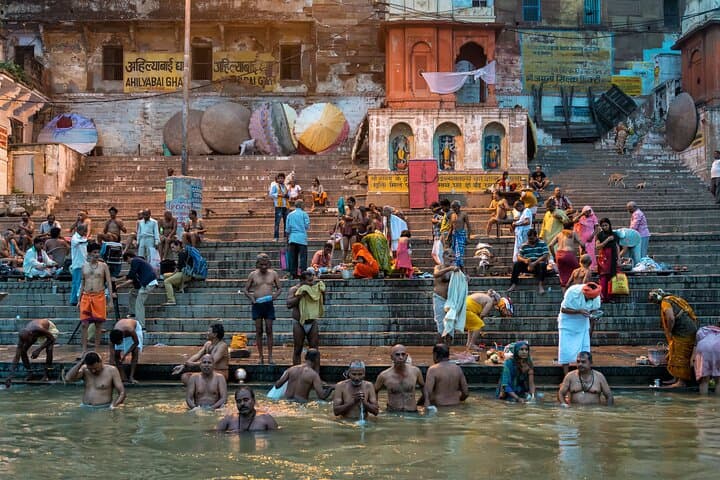
The 5 AM alarm in Varanasi isn't a nuisance, it's your golden ticket to the city's most evocative scenes. Forget sleeping in; the magic unfolds as the sun begins to kiss the Ganges. Head straight for Dashashwamedh Ghat or Assi Ghat, where the first rays paint the ancient steps and temples in a soft, ethereal glow. This is when the city truly wakes, with pilgrims performing morning rituals, sadhus meditating, and boats pushing off into the river. You'll want to capture the silhouettes against the rising sun, the smoke from small offerings, and the sheer volume of life stirring at the water’s edge. Don't just stand on the ghat; hop onto a boat for a different perspective. A Ganga Sunrise Boat Tour, starting from around Rs 2,095, typically lasts an hour or two and gets you right into the heart of the action, offering unparalleled angles of the ghats and their daily awakening.
Most people make the mistake of arriving too late, missing the best light and the raw, unposed sincerity of the early morning. Aim to be on the water or positioned on a ghat by 5:30 AM, especially in winter when the sunrise is later and often accompanied by a mystical fog. The light changes quickly, so be ready to shoot continuously. Remember to be respectful of those performing their morning prayers and rituals; a long lens can be your best friend here, allowing you to capture intimate moments without intrusion. This isn't just about taking photos; it's about witnessing a timeless spectacle, and your lens is merely a tool to document that feeling.
Wandering the Ancient Lanes: Street Photography
Step off the bustling ghats and dive into the labyrinthine alleys that snake behind them. This is where Varanasi’s true character, its beating heart, reveals itself in a chaotic, yet utterly charming, symphony of sights, sounds, and smells. These narrow lanes are a photographer's dream, offering endless opportunities for candid shots of daily life: barbers giving roadside shaves, vendors selling fresh flowers for offerings, chai wallahs brewing their spiced tea, and cows ambling along as if they own the place (they kind of do). You’ll find tiny, centuries-old temples tucked between houses, vibrant murals, and the constant flow of people going about their day.
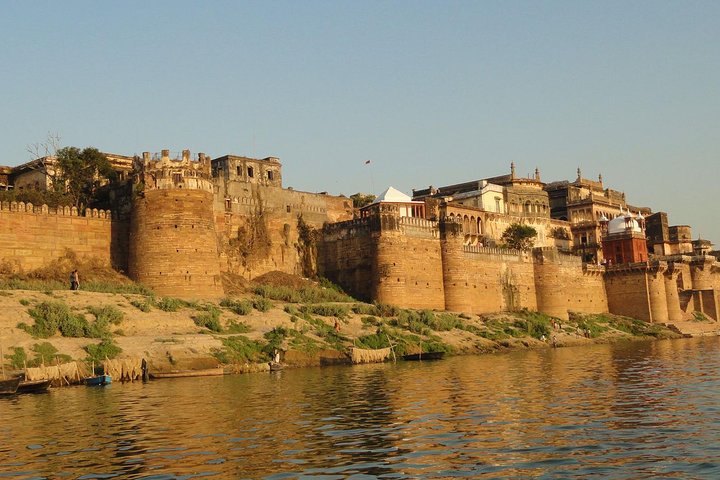
Chunar fort & river tour in Varanasi
To navigate these intricate passages without getting completely lost – and to get some local insights – consider a guided experience. A Banaras Street Private Guided Walking Tour, lasting about two hours and starting from Rs 2,979, is a fantastic way to uncover the hidden corners and local interactions you might otherwise miss. Go in the early morning or late afternoon to avoid the midday heat and the harshest light. Most visitors stick to the main ghats, but the real photographic gold lies just a few steps inland. Look for textures, intricate doorways, and the play of light and shadow in these ancient corridors. Don't rush; pause, observe, and let the scenes unfold before you. You'll find yourself capturing the soul of the city, not just its landmarks.
The Evening Aarti: Fire and Devotion
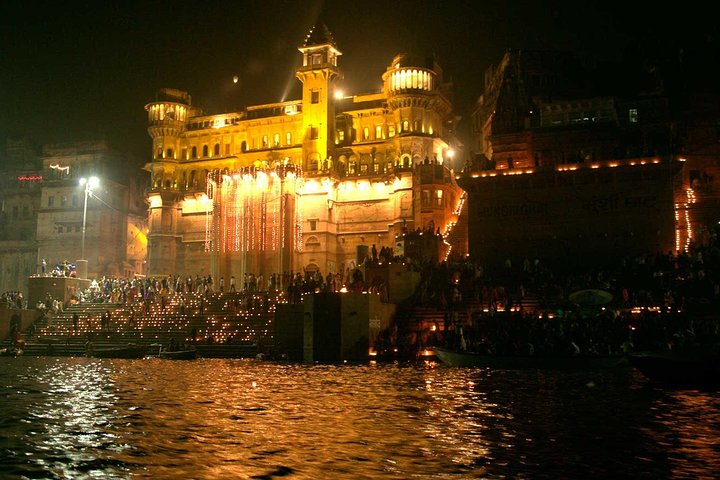
As the sun dips below the horizon, Dashashwamedh Ghat transforms into an open-air temple, hosting the Ganga Aarti, a nightly ritual of fire, incense, and devotion. This isn't a quiet, contemplative affair; it's a grand, theatrical spectacle, loud and fervent, with priests performing synchronized rituals to the rhythmic chants and bells. The scale of it, with hundreds of lamps swaying in unison and the collective energy of thousands of devotees, is something you have to experience to believe. It’s an incredibly challenging but rewarding photographic subject, demanding quick reflexes and a good eye for composition amidst the movement and crowds.
For the best vantage point, you have two main options: secure a spot on the ghat steps well in advance (at least an hour before sunset) or, for a more elevated and less obstructed view, take a boat. A 3 Hours Evening Aarti Tour and Boat Ride, from Rs 3,300, puts you on the river directly facing the main stage, allowing for wider shots that capture the entire spectacle and its reflections on the water. Be prepared for low light conditions and fast-moving subjects. While tripods are difficult to manage in the crowds, a fast lens and a steady hand will be invaluable. Don't be afraid to experiment with longer exposures from a stable boat, or focus on the faces of the devotees for a more intimate portrayal of their faith. It's a sensory overload, so try to capture that energy.
Sarnath: A Peaceful Retreat
Varanasi Allahabad & Khajuraho a Combined Private tour
If the exhilarating chaos of Varanasi starts to feel a bit much, take a half-day trip to Sarnath, just 10 kilometers away. This serene Buddhist pilgrimage site offers a stark, refreshing contrast to the bustling ghats and crowded alleys. It’s where Buddha delivered his first sermon after attaining enlightenment, making it a place of immense historical and spiritual significance. The main draws here are the impressive Dhamek Stupa, a massive cylindrical structure, and the ruins of ancient monasteries. You'll also find the Mulagandha Kuti Vihar, a modern temple with beautiful frescoes, and a tranquil deer park.
Getting there is straightforward; a Guided Half Day Sarnath Car Tour from Varanasi with a local in AC car, costing from Rs 6,283, is a comfortable and efficient way to explore the site, typically lasting a few hours. I’d recommend going in the morning to beat the heat, especially during warmer months. Unlike Varanasi, Sarnath’s open spaces and well-preserved ruins lend themselves to more architectural and landscape photography. You can capture the stoic grandeur of the Stupa, the quiet devotion of pilgrims, and the peaceful atmosphere. Don't make the mistake of thinking it's just another temple; Sarnath offers a profound sense of history and calm that complements the energy of Varanasi perfectly, giving your photo collection a well-rounded perspective.
Festivals and the City's Pulse: Timing Your Visit
Varanasi’s energy shifts dramatically with its calendar, and timing your visit around a festival can offer some truly unique photographic opportunities, though it also means bigger crowds. Consider Krishna Janmashtami on 4 September 2026. While the biggest celebrations are in Mathura and Vrindavan, Varanasi’s temples and streets will still come alive with devotees celebrating Krishna's birth. Expect decorated altars, devotional songs, and a palpable sense of community spirit. It's a chance to capture the joy and faith of the locals in a way that differs from the everyday ghat rituals. Focus on the expressions, the colors of offerings, and the smaller, more intimate temple celebrations.
Another significant date is Gandhi Jayanti on 2 October 2026. This is a national holiday, observed with quiet respect rather than overt celebration. It's worth knowing that it’s a dry day in most states, including Uttar Pradesh, meaning alcohol sales are prohibited. While not a visually dramatic festival, it offers a glimpse into India’s civic consciousness. You might see small processions or remembrance events, but the photographic focus here would be on the subtle shifts in the city’s rhythm, perhaps quieter streets in some areas. What many travelers get wrong is not checking the festival calendar; knowing these dates helps you plan for either heightened activity or a more subdued atmosphere, allowing you to tailor your photographic approach accordingly. Always be mindful of local customs and permissions before pointing your lens too directly.
Live Indian Classical Concert In Varanasi
Keep reading
More blogs
Written for real trips, priced from the city you fly out of.