Experience the ancient city's soul, beyond the postcards.
Arrival and First Impressions
Stepping off the plane at Varanasi's Lal Bahadur Shastri International Airport (VNS), you’ll immediately feel the city's unique pulse. It's not a gentle introduction; it’s a full immersion. Forget the pristine calm of some spiritual destinations; Varanasi is alive, loud, and utterly captivating from the moment you land. The best way to ease into it is by pre-booking your ride. Don't haggle with every taxi driver; it’s not worth the stress after a long journey.
A smooth transfer from the airport to your hotel can cost as little as Rs 1,748, and it’s money well spent for that initial sanity. You’ll pass through bustling streets, see life unfolding in ways you might not expect, and that first drive sets the tone for everything that follows. This city demands your attention, but it rewards it tenfold.
Just a heads up if you're traveling around early October: Gandhi Jayanti on October 2nd is a national holiday, and many states observe a dry day. It’s not a huge deal, but something to be aware of if you’re planning your evenings. It means fewer places selling alcohol, so adjust your expectations accordingly. Varanasi itself is a deeply spiritual place, so a quiet evening might be exactly what you’re looking for anyway.
The Ghats, and the River's Rhythm
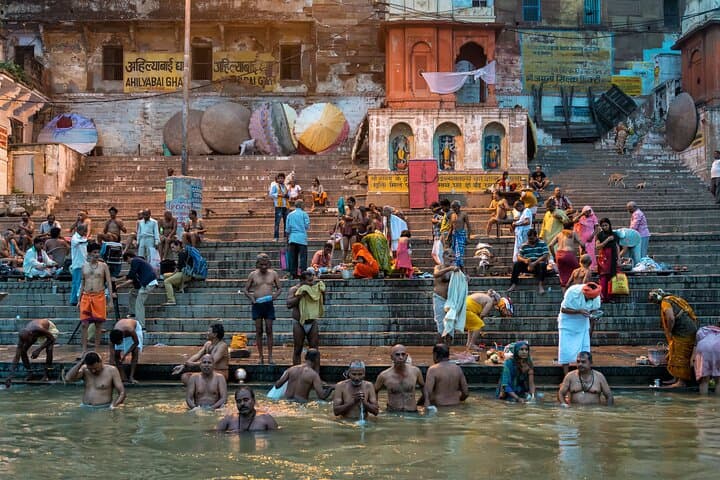
Varanasi’s soul lives on the ghats, those ancient steps leading down to the Ganges. This isn't just a tourist attraction; it's where life happens, from dawn to dusk. You absolutely have to experience a sunrise boat ride. Get up early, around 5:00 AM, and find a boatman at Dashashwamedh Ghat or Assi Ghat. A Ganga Sunrise Boat Tour will set you back about Rs 2,095, or a Morning Boat Ride with Temples Tour is around Rs 2,235. It’s worth every rupee.
Watching the city awaken, the sun painting the river in shades of gold, and pilgrims performing their rituals is a profound experience. You’ll see the cremation ghats too, which can be intense, but it’s an honest, raw part of life here. Don't just snap photos from the boat, though. Spend time walking the ghats later in the day. The energy shifts; you’ll see barbers, fortune tellers, chai wallahs, and families just living their lives.
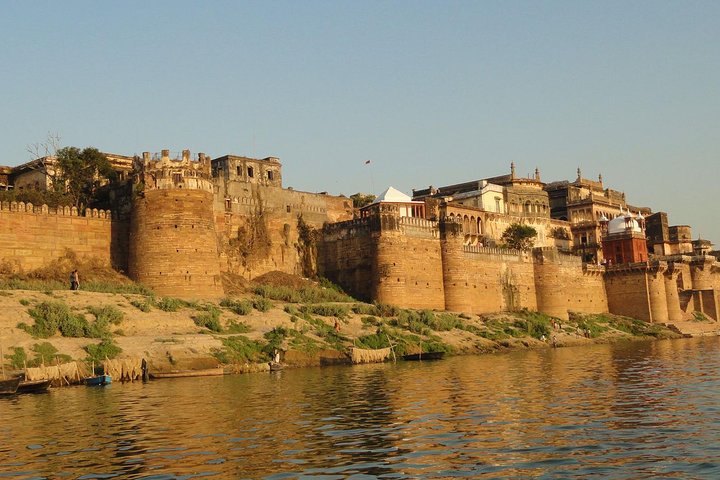
Chunar fort & river tour in Varanasi
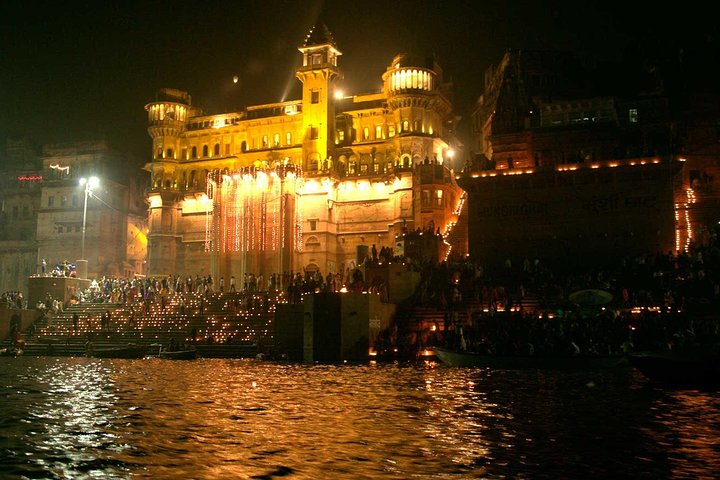
The evening Ganga Aarti at Dashashwamedh Ghat is another essential, a powerful ritual of fire and chanting. It starts around sunset, so aim to arrive an hour early to secure a good spot. A guided walking tour combining the sunrise with the Aarti is a smart move, like the 'Sunrise in Banaras with Ganga Aarti' for Rs 1,257, ensuring you get the best spots and context without feeling lost in the crowd. Don't be tempted by overly pushy touts; find an independent boatman or a reputable guide.
Winding Lanes and Spiritual Depths
Beyond the river, Varanasi’s old city is a labyrinth of narrow, winding lanes. This is where you get truly lost, and find yourself. Don't be afraid to dive in; the real magic happens when you let go of your map. You'll stumble upon tiny temples, hidden courtyards, and some of the best street food you’ll ever taste. Look for the kachori-sabzi for breakfast and finish with a malaiyo, a seasonal frothy dessert, especially in cooler months.
A Banaras Street Private Guided Walking Tour for about Rs 2,979, or a Private Cultural Walking Tour for Rs 2,514, is a great investment. A good guide can navigate the chaos, point out architectural details you’d miss, and share stories that bring the history alive. Just be selective: some 'guides' are just touts looking to make a quick buck. If someone approaches you offering a 'spiritual tour' for an exorbitant price without any real credentials, politely decline. Focus on those recommended by your hotel or reputable tour operators.
Varanasi is deeply spiritual, and while Krishna Janmashtami (September 4th) is celebrated more intensely elsewhere, the city's temples will still observe it with devotion, adding to the already palpable atmosphere of faith. You might find smaller, more intimate celebrations in local temples, which can be a beautiful insight into local life. Just be respectful and observe. The Kashi Vishwanath Temple, one of the most revered Shiva temples, is a central point, but be prepared for crowds and strict security.
Staying and When to Go
Choosing where to stay in Varanasi can significantly impact your experience. If you want to be right in the thick of it, close to the ghats and the old city, prepare for noise and narrow alleys. Boutique guesthouses and heritage properties near Dashashwamedh or Assi Ghat offer charm but might lack some modern comforts. You'll be able to step out directly into the action, which is a huge plus for early morning ghat visits.
Varanasi Allahabad & Khajuraho a Combined Private tour
If you prefer a quieter, more conventional hotel experience, look for places on the main roads, a short auto-rickshaw ride from the river. You'll trade immediate access for peace and amenities like swimming pools or more spacious rooms. Consider what kind of immersion you're after. For first-timers, a hotel slightly removed from the immediate chaos can be a gentle introduction, allowing you to venture into the old city as you feel comfortable.
The best time to visit Varanasi is generally from October to March. The weather is cooler and more pleasant, making it ideal for walking and exploring. Avoid the scorching heat of April to June and the heavy monsoon rains from July to September; the humidity can be intense, and heavy downpours can make navigating the already tricky lanes even harder. Booking your accommodation well in advance, especially during peak season or festival times, is crucial. Don't leave it to the last minute; good places fill up fast. A longer stay, like the 'Experience Varanasi Tour: 3 Days Private Guided Tour' for Rs 27,599, lets you really settle in and absorb the city, rather than rushing through.
Beyond the City Limits: Sarnath and Chunar
While Varanasi itself could occupy you for days, there are compelling reasons to venture slightly outside the city. Sarnath, just a short drive away, is one of them. This is where Buddha gave his first sermon after achieving enlightenment, making it a pivotal site for Buddhists worldwide. It’s a peaceful contrast to Varanasi’s intensity, with ancient stupas, monasteries, and a beautiful deer park. The Dhamek Stupa is particularly impressive, dating back to 500 CE.
You can combine it with your Varanasi exploration; a 'Private Full-Day Varanasi Tour including Sarnath and Boat Ride on the Ganges' costs around Rs 12,072 and covers a lot, making it a comprehensive day out. If you’re short on time but still want to see Sarnath, a 'Guided Half Day Sarnath Car Tour' for Rs 6,283 is a solid option, usually taking about four hours. It’s a great way to understand the historical connection between these two significant sites.
Another interesting excursion, though less frequently visited, is to Chunar Fort. It offers a glimpse into a different kind of history, with its imposing walls and strategic location overlooking the Ganges. It's a bit further out, but a 'Chunar fort & river tour in Varanasi' at Rs 6,850 for about three hours gives you that perspective. These day trips break up your Varanasi experience nicely, offering different historical and spiritual contexts and a bit of a breather from the city’s constant energy.
Live Indian Classical Concert In Varanasi
Keep reading
More Varanasi blogs
Written for real trips, priced from the city you fly out of.