Solo in Kyushu: Historic Trams, Volcanic Views, and Cozy Cafes by Train
An eight-day island route built for slow wandering, castle gardens, and streetcar rides
Riding the local trams through southern Japan
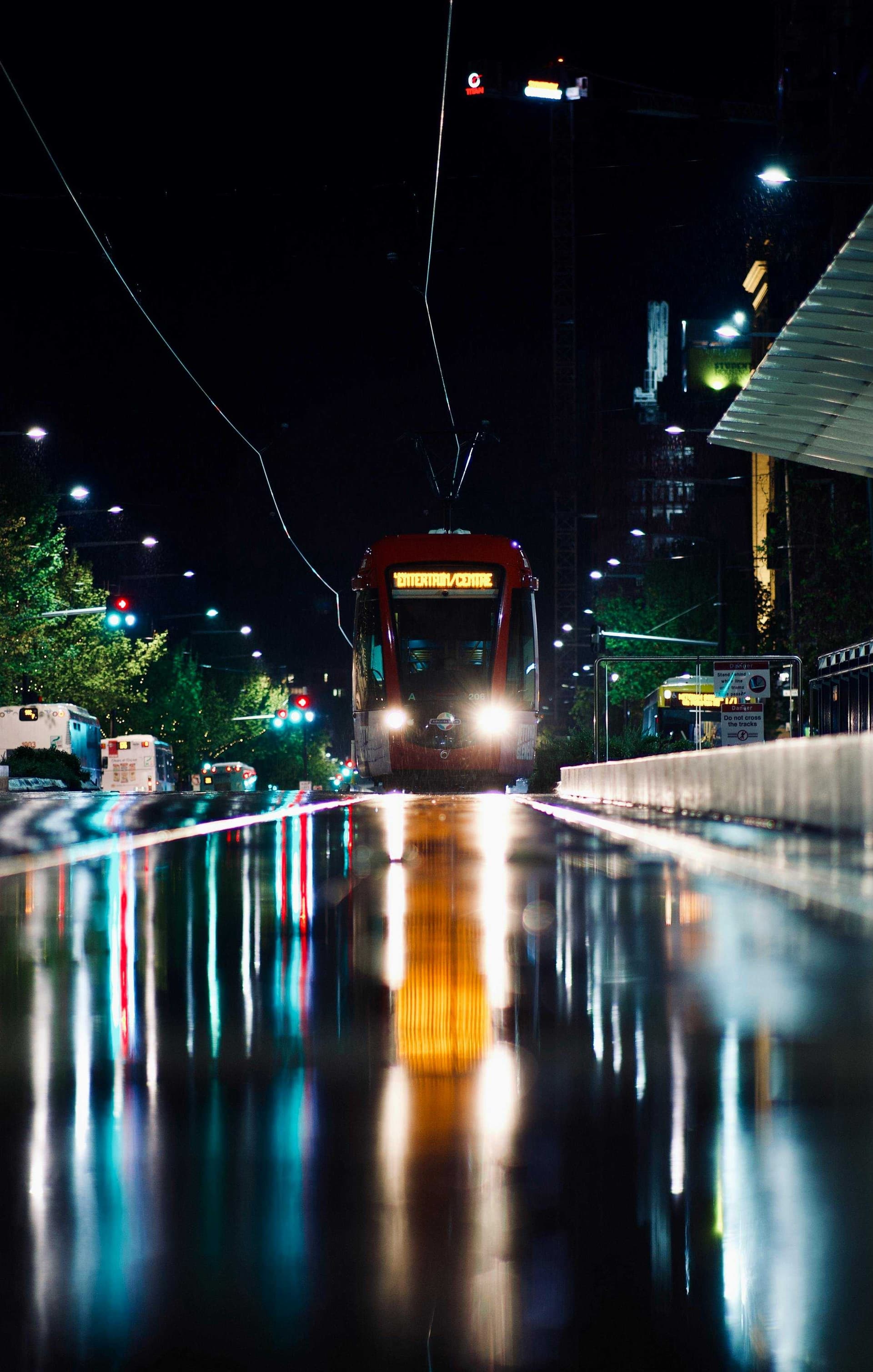
The 500-yen day pass for the Nagasaki electric tramway is the best entry ticket to Kyushu. You step onto a creaky wooden carriage built in the 1950s, drop your coin into the fare box, and watch the city rattle past your window. Japan’s southernmost main island is tailored for people travelling alone. It is quiet, forgiving if you miss a transfer, and connected by a dense rail network that makes car rentals unnecessary unless you are heading deep into the interior mountains.
Travelling solo here feels efficient and gentle. Stations have clear English signage, coin lockers swallow your luggage for 600 yen while you explore, and counter seating is the default in almost every ramen shop and third-wave coffee bar. You can spend eight days moving between three distinct coastal cities using a regional rail pass, taking red-painted local trains, high-speed shinkansen, and yellow streetcars without ever feeling rushed.
Nagasaki and its steep paved slopes
Spend your first three nights in Nagasaki, a city built around a deep-water harbor with stone staircases climbing vertical hillsides. Stay near the Kanko-dori arcade or around Sofukuji tram stop, where small guesthouses sit inside renovated Showa-era townhouses. Skip the over-hyped waterfront shopping malls and spend an afternoon walking up the narrow alleyways behind Glover Garden. The air smells of salt water and incense from centuries-old Zen temples like Sofukuji, built by Chinese merchants in 1629.
For lunch, sit at the counter at Tsuruchan in Doza-machi, which claims to have invented Turkish Rice in 1925—a dish featuring pilaf, spaghetti, pork cutlet, and curry sauce on a single plate for under 1,500 yen. Late afternoon is for sitting by the canal in Dejima with a pour-over coffee from Kawatana Coffee, watching the streetcars cross the iron bridge.
Nagasaki rewards people who walk without a strict schedule. You can spend an entire morning tracking down old Dutch slopes, taking the ropeway up Mount Inasa for sunset, or exploring the somber Peace Park before grabbing a bowl of thick champon noodles at a neighborhood diner.
Getting from Nagasaki to Kumamoto: Take the Nishi Kyushu Shinkansen and relay express train combination via Takeo-Onsen and Shin-Tosu, or hop on a local bus to Shimabara and take the passenger ferry across the bay straight to Kumamoto Port. Always check current timetables and ferry operating conditions before travel.
Kumamoto Castle and slow coffee by the moat
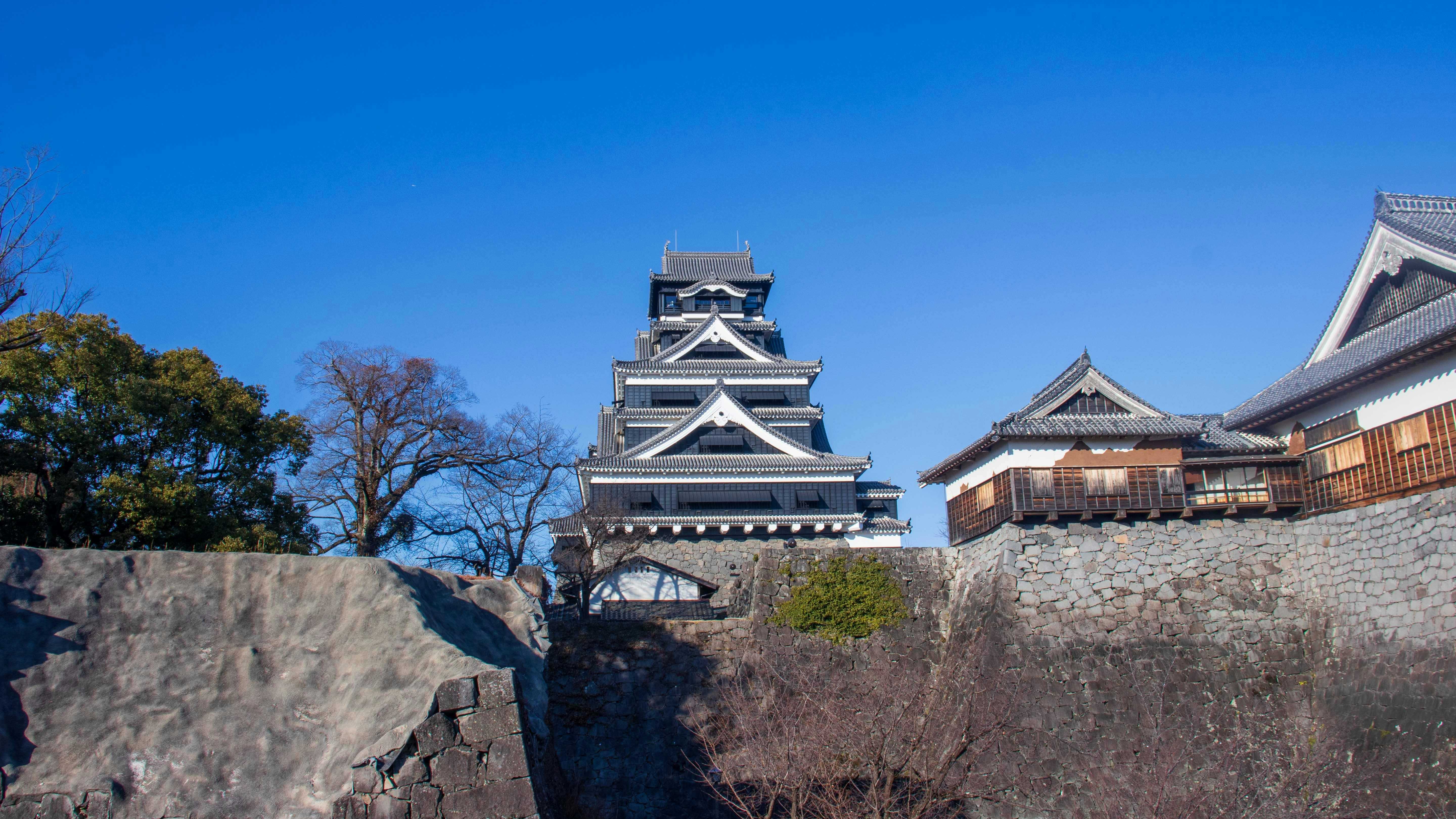
Kumamoto is defined by its massive black-walled castle and cold mountain water running through municipal ditches. Give yourself two nights here. The castle grounds are extensive, and following heavy restoration work after recent earthquakes, the elevated wooden walkways give you an up-close look at original stone masonry techniques. Entry costs 800 yen and takes a good three hours to walk properly.
Solo travellers fit right into Kumamoto’s compact downtown, centered around the Kamitori and Shimotori covered arcades. Skip the big chain stores and look for Coffee Gallery in Kamitori, a micro-roaster tucked behind a stationery shop where the barista spends ten minutes hand-drip brewing a single origin cup. In the evening, head to the small izakaya alleys near Toricho-suji for Kumamoto ramen, known for its rich pork bone broth infused with garlic oil and roasted garlic chips.
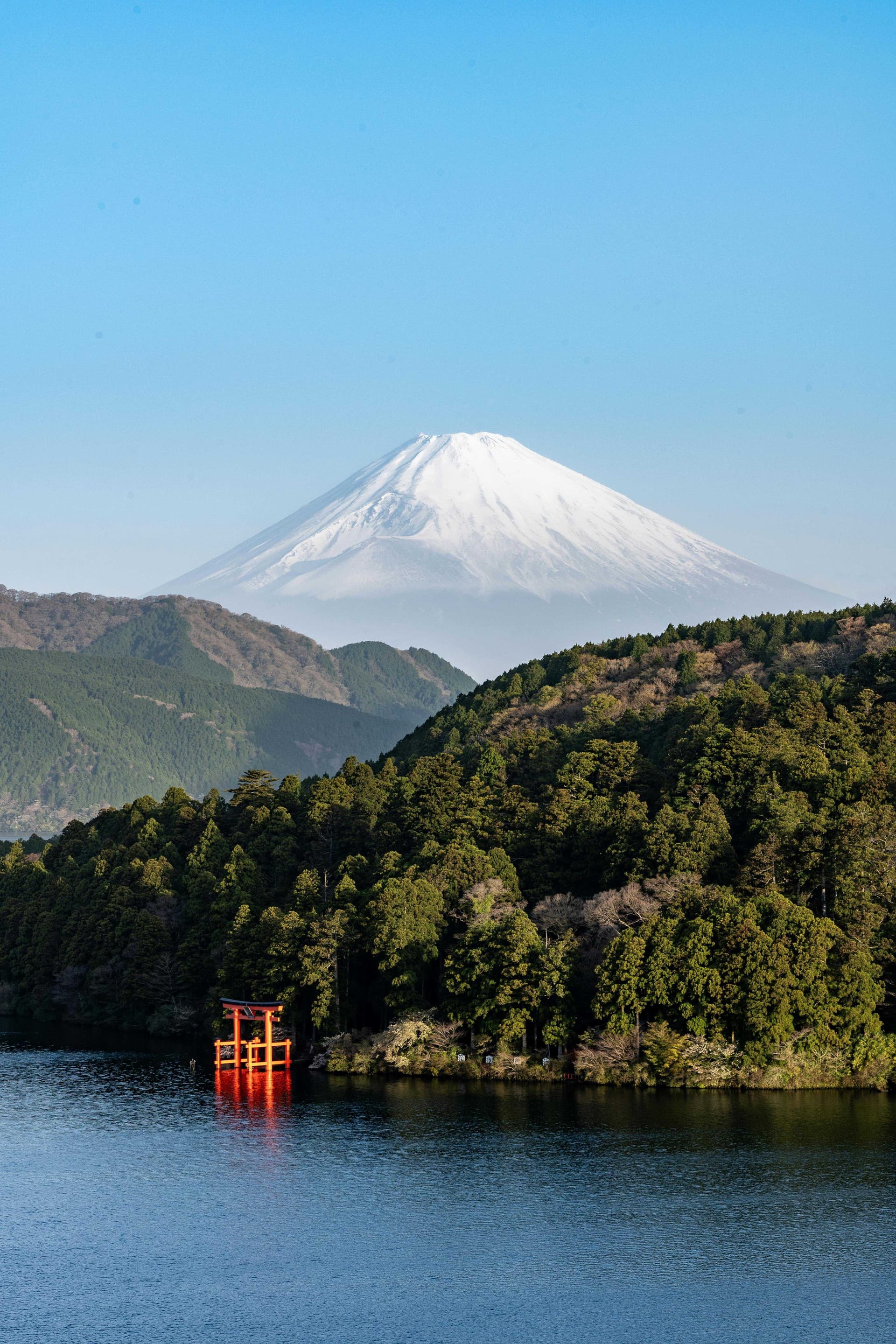
During the day, a short ride on the A-Line streetcar brings you to Suizenji Jojuen, a landscape garden constructed in the 17th century. It recreates the 53 stations of the Tokaido road in miniature, complete with a tiny grassy Mount Fuji. It is quietest before 9:00 AM, when only local morning walkers are around.
Getting from Kumamoto to Kagoshima: Board the Kyushu Shinkansen at Kumamoto Station, which reaches Kagoshima-Chuo Station in approximately 45 to 50 minutes. Check train schedules and seat reservation options on the day of travel.
Kagoshima facing the plume of Sakurajima
Kagoshima sits on a wide bay directly across from Sakurajima, an active volcano that puffs grey ash into the sky several times a day. You will spend your three nights here noticing fine volcanic dust on street signs and car windshields. Base yourself near Tenmonkan, the commercial district packed with subterranean izakayas, independent bakeries, and historic tram lines.
Take the 15-minute ferry ride across to Sakurajima for less than 200 yen. The ferry runs 24 hours a day, and you can buy a bowl of piping hot udon on the passenger deck while watching the volcanic peak approach. Once on the island, rent a bicycle near the terminal or walk the footbath trail along the coast, where warm geothermal water bubbles into concrete channels right on the water's edge.
Back in the city, spend an afternoon at Sengan-en, a 17th-century villa garden built by the Shimazu clan. The garden cleverly uses Sakurajima as a background feature and Kinko Bay as its pond. Afterwards, walk back towards Tenmonkan for Kurobuta pork tonkatsu at Kurokatsu-tei near the station, where a crisp set meal with shredded cabbage and sesame sauce runs around 1,800 yen. Kagoshima is warm, relaxed, and remarkably easy to navigate alone on foot or by streetcar.
Solo dining and late night izakaya counters
One of the greatest perks of travelling through Kyushu alone is how easy it is to eat well without making reservations or feeling out of place. Most traditional restaurants, ramen shops, and modern izakayas feature counter seating facing the grill or kitchen. In Nagasaki, you can comfortably sit alone at a counter with a plate of gyoza and draft beer. In Kumamoto, tiny stalls along the arcades cater specifically to solo diners stopping by after work for a hot bowl of garlic-infused pork broth.
In Kagoshima, the evening ritual revolves around local shochu made from sweet potatoes. Small bars inside the Yatai-mura food stall village welcome individuals to pull up a stool alongside locals. Ordering a glass of rokuyon (shochu mixed with warm water in a six-to-four ratio) costs roughly 400 yen and immediately opens up light conversations with the staff or neighboring patrons. You never need to worry about minimum party sizes or complex menus.
Packing light is essential for this route. Coin-operated washing machines are standard in almost all Japanese business hotels and hostels, costing about 400 yen for a full wash and dry cycle. Keeping your luggage to a single carry-on bag makes stepping on and off local streetcars and high-speed trains effortless, leaving you free to drop off your bag and start wandering the second you arrive at a new station.
Keep reading
More blogs
Written for real trips, priced from the city you fly out of.