Autumn Romance in Japan: Hakone, Nara, and Miyajima
Onsen baths, fiery maple leaves, and twilight island shrine walks for two.
Timing your mid-November autumn route
Mid-November is when Japan’s maple leaves turn deep crimson, but timing is everything on a trip built around foliage. A seven-night loop split between Hakone, Nara, and Miyajima gives you a clean balance of mountain thermal springs, quiet temple gardens, and coastal scenery. Aim for the two-week window between November 15 and November 27. Book your accommodation at least five months in advance, as traditional inns along this route fill up by mid-summer.
The classic mistake is trying to rush five cities into a single week. Packing up every morning destroys the relaxed rhythm you want on a trip for two. Three nights in Hakone, two in Nara, and two on Miyajima let you drop your bags, soak properly, and experience these historic locations long after the day-tripper coaches roll out.
Hakone steam, sulfur, and private soaking
Arriving in Hakone after the two-hour train ride from Tokyo feels like slipping into a warm bath. Base yourself around Gora or Hakone-Yumoto for three nights. Spend your morning taking the Hakone Ropeway Adventure over the volcanic vents of Owakudani, where steam rises against the crisp sky. Afterwards, cool off with a slow walk through the Hakone Open-Air Museum, where massive modern sculptures sit framed by deep orange mountain slopes.
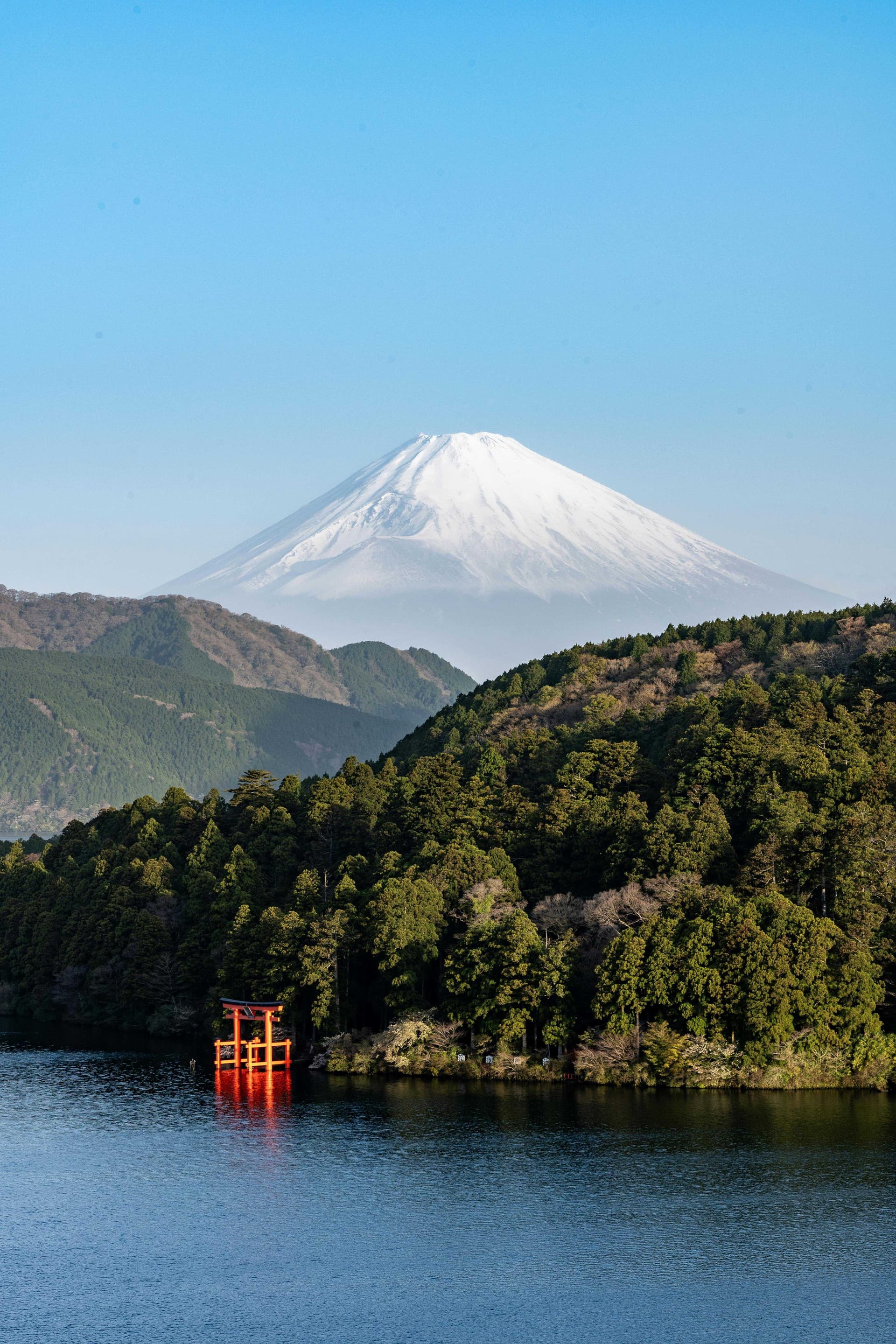
Skip the souvenir shops near the station during peak noon hours. Instead, head up to Explore Hakone Shrine early around 7:30am, when the red water torii gate sits quietly in morning mist without a queuing crowd. For relaxation without paying top-tier ryokan prices for every bath, spend an afternoon to Relax at Hakone Yuryo Onsen, where you can rent a private hillside bath room by the hour. Do not bother with public lakeside buses on autumn weekends; narrow mountain roads jam completely, turning a 20-minute drive into a two-hour crawl. Stick to the mountain train and cable cars instead.
Getting from Hakone to Nara: Take the local train from Hakone-Yumoto down to Odawara Station. From Odawara, board the Tokaido Shinkansen heading west to Kyoto Station, then transfer to the JR Nara Line for the final 45-minute stretch into Nara. Check current train schedules online before setting off.
Nara twilight walks and ancient gardens
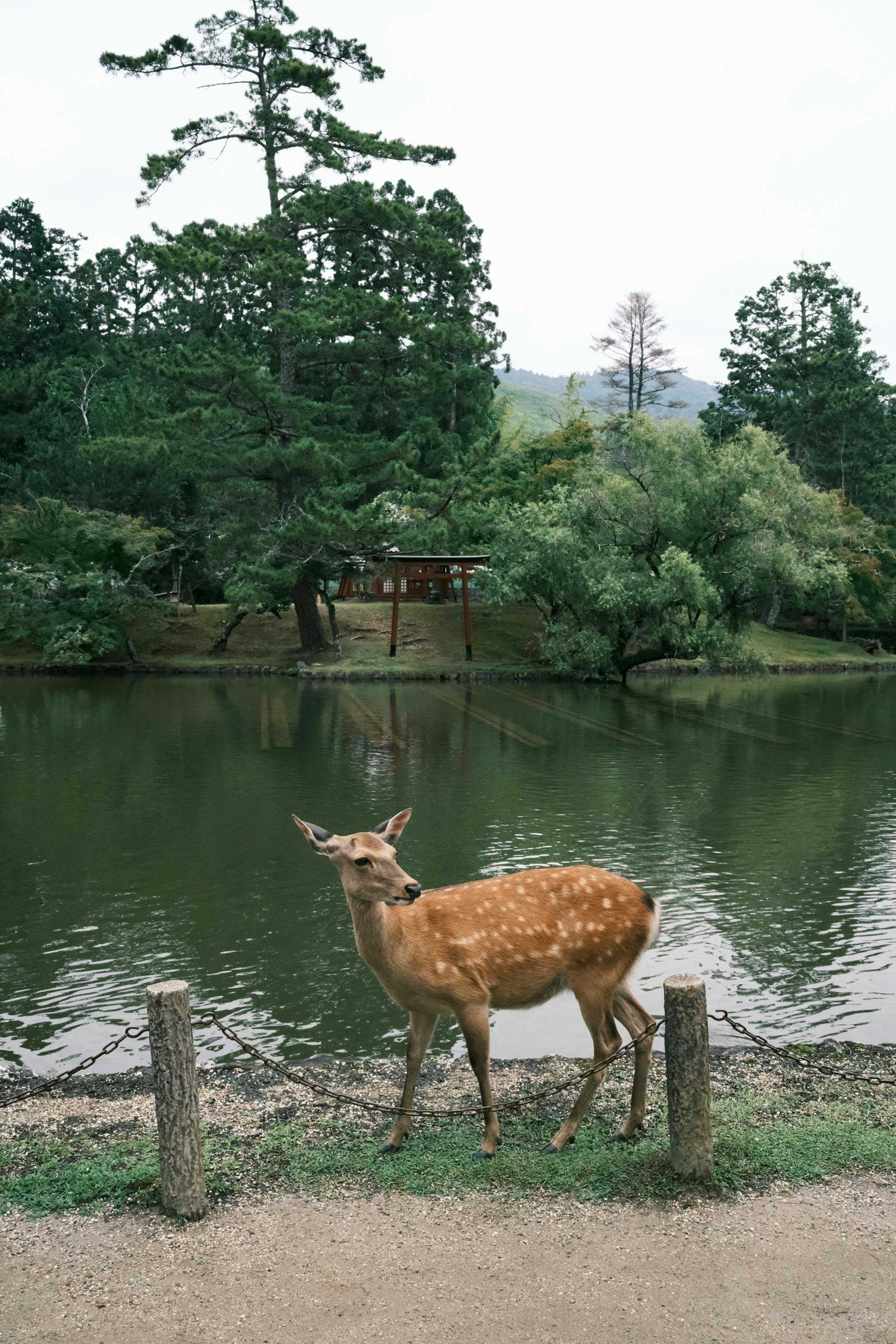
Most travelers visit Nara as a rushed day trip from Osaka, arriving at noon and leaving by 4pm. That is a mistake. Staying two nights allows you to experience the town when it belongs only to locals and nocturnal deer. In mid-November, Isuien Garden and Yoshiki-en Garden turn brilliant shades of scarlet and gold. Early mornings here are magic: walk through Nara Park around 7am when mist hangs low over Todai-ji’s giant wooden hall and the maple canopy overhead glows in the morning sun.
Avoid buying deer crackers at the main park entrance during peak afternoon hours. The deer near the main gate can be pushy and aggressive when surrounded by crowd noise. Instead, wander up the stone paths toward Nigatsu-do temple. The wooden veranda gives you a wide, quiet view across the temple rooftops of Nara at sunset, with far fewer people around. For dinner, head away from the main arcade to the quiet residential streets of Naramachi for local sake and grilled autumn mushrooms.
Getting from Nara to Miyajima: Take the local train from Nara to Shin-Osaka or Kyoto Station, then board the Sanyo Shinkansen to Hiroshima Station. Transfer to the local JR Sanyo Line to Miyajimaguchi Station, then walk three minutes to the ferry terminal for the 10-minute boat ride across the bay. Check live ferry and train schedules before departure.
Miyajima sunsets and island tranquility
Miyajima changes character completely after 5pm when the last day-trip ferry returns to Hiroshima. Spending two nights on the island gives you front-row access to Explore Itsukushima Shrine when the orange wooden pillars float on high tide under twilight skies. Start your morning early with Mount Misen Hiking along the Daisho-in trail, which winds up through centuries-old maple groves and offers sweeping views across the Seto Inland Sea.
Take a Street Food Tour of Omotesando Shopping Street around late morning to sample freshly grilled oysters and fried momiji manju—maple-leaf-shaped cakes stuffed with sweet red bean paste. What is not worth your time is taking the ropeway both up and down Mount Misen; the queue at the upper station can take over an hour in peak autumn. Cable car up, then walk down the stone steps for the best photo angles of the autumnal canopy.
Mastering the autumn ryokan experience
Staying at a traditional ryokan is the centerpiece of an autumn trip to Japan, but navigating the customs can feel intimidating if it is your first time. Check-in is typically strict, usually between 3pm and 5pm, because chef teams prepare dinner precisely around guest arrivals. Arriving late means missing out on course after course of seasonal kaiseki dining featuring matsutake mushrooms, grilled sweetfish, and roasted chestnuts.
Always change into the provided yukata robe before heading down to dinner or visiting the communal baths. If you have tattoos, check your ryokan’s policy beforehand or reserve a room with a private outdoor bath so you can soak together without stress. Taking time to slow down, sip green tea on tatami mats, and listen to rain on garden rocks is what makes this journey linger in your memory long after you return home.
Keep reading
More blogs
Written for real trips, priced from the city you fly out of.