Advent in the Alps: A Six-Day Christmas Market Rail Itinerary
Six nights of mulled wine, brass music, and alpine snow from Salzburg to Innsbruck.
Six days through Austrian winter by train
December along the northern rim of the Alps means early dark, sharp mountain air, and steam rising from copper pots of mulled wine. Jumping between markets on a six-night rail journey keeps you moving through the landscape while avoiding icy mountain passes behind a wheel.
Starting in Salzburg and moving west toward Innsbruck lets you trade grand city plazas for narrow alpine village streets, before finishing where limestone crags hang directly over the market stalls. The ÖBB train network connects all three stops effortlessly, with warm car interiors and wide windows framing white pine forests and frozen rivers.
Timing matters here. Arriving at stalls right as the afternoon light fades around 4:00 PM puts you ahead of the evening local rush. Skip the mass-produced trinkets at the central squares and save your euros for local woodcarvings, hot baked apples, and brass horn concerts that echo off cold stone facades.
Salzburg for two nights of brass and shadow
The Christkindlmarkt around Domplatz and Residenzplatz has operated in some form since the fifteenth century, but the best way to experience it is to show up at 5:00 PM on a Thursday when traditional wind instruments play from the cathedral arches overhead. Grab a mug of hot spiced cider for €4.50 and wander toward Getreidegasse Shopping Street, where iron shop signs overhang narrow alleyways dusted with dry snow.
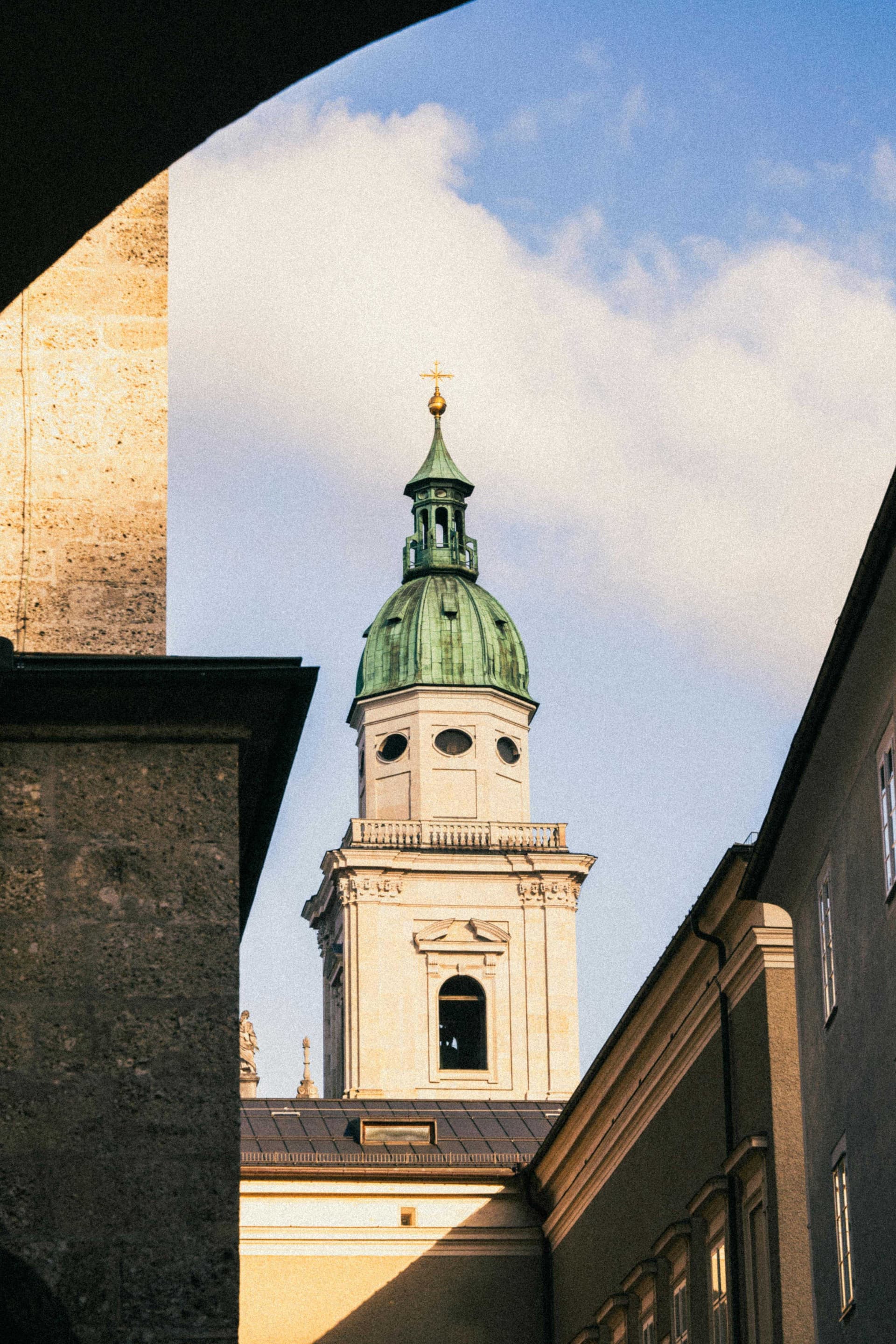
Spend your first morning taking a Salzburg Old Town Walking Tour to orient yourself through the baroque archways before the crowds swell. Afterward, cross the Salzach river toward Mirabell Palace and Gardens for a quieter winter stroll past dormant marble fountains and frost-covered hedges. If you want high altitude without ski lift pricing, head up to Explore Hohensalzburg Fortress by funicular; the view across the snow-dusted copper domes of the old city against the dark mountain backdrop is unmatched in late afternoon.
For dinner, skip the tourist dining rooms on the main square and duck into Augustiner Bräustübl, a monastery brewery where locals sit on wood benches under stone vaults drinking Märzen poured straight from wooden casks. Pay cash at the food stalls in the hall for warm pork belly and salty pretzels to coat your stomach against the chill.
Getting from Salzburg to Kitzbühel: Regular regional trains run from Salzburg Hauptbahnhof to Kitzbühel, taking roughly two hours with a brief switch at Wörgl or Bischofshofen. If you prefer to drive, the journey along the B178 route takes about 80 minutes depending on snowfall. Always check current rail timetables and road ice alerts before leaving.
Kitzbühel for two nights of lantern light
Kitzbühel swaps Salzburg’s grand imperial architecture for high-altitude village atmosphere. Charcoal braziers flicker in front of painted 700-year-old townhouses, and the aroma of roasted chestnuts drifts through Hinterstadt and Vorderstadt. The Advent market here is compact and far quieter during weekdays than its bigger city neighbors, making it ideal for taking things slow.
By late afternoon, skiers trickle down from the Hahnenkamm slopes into the center, joining locals around wooden tables for Kiachl—yeast dough fried hot in lard, topped with either sweet cranberries or savory sauerkraut. The market stalls close earlier here, usually around 8:00 PM, shifting the night’s activity toward cozy timber dining rooms serving fondue and elderberry punch.
Spend a morning walking the quiet back lanes past timber chalets, or take a peaceful stroll along the snow-draped banks of the Schwarzsee lake just outside town. Kitzbühel in winter feels intentionally insulated from the noise of the lowlands, giving you two nights of crisp mountain quiet under warm street lanterns.
Getting from Kitzbühel to Innsbruck: Direct regional trains connect Kitzbühel station to Innsbruck Hauptbahnhof in about 75 minutes. Driving west via the A12 highway takes approximately one hour in dry conditions. Verify live train schedules and mountain road conditions prior to travel.
Innsbruck for two nights under steep peaks
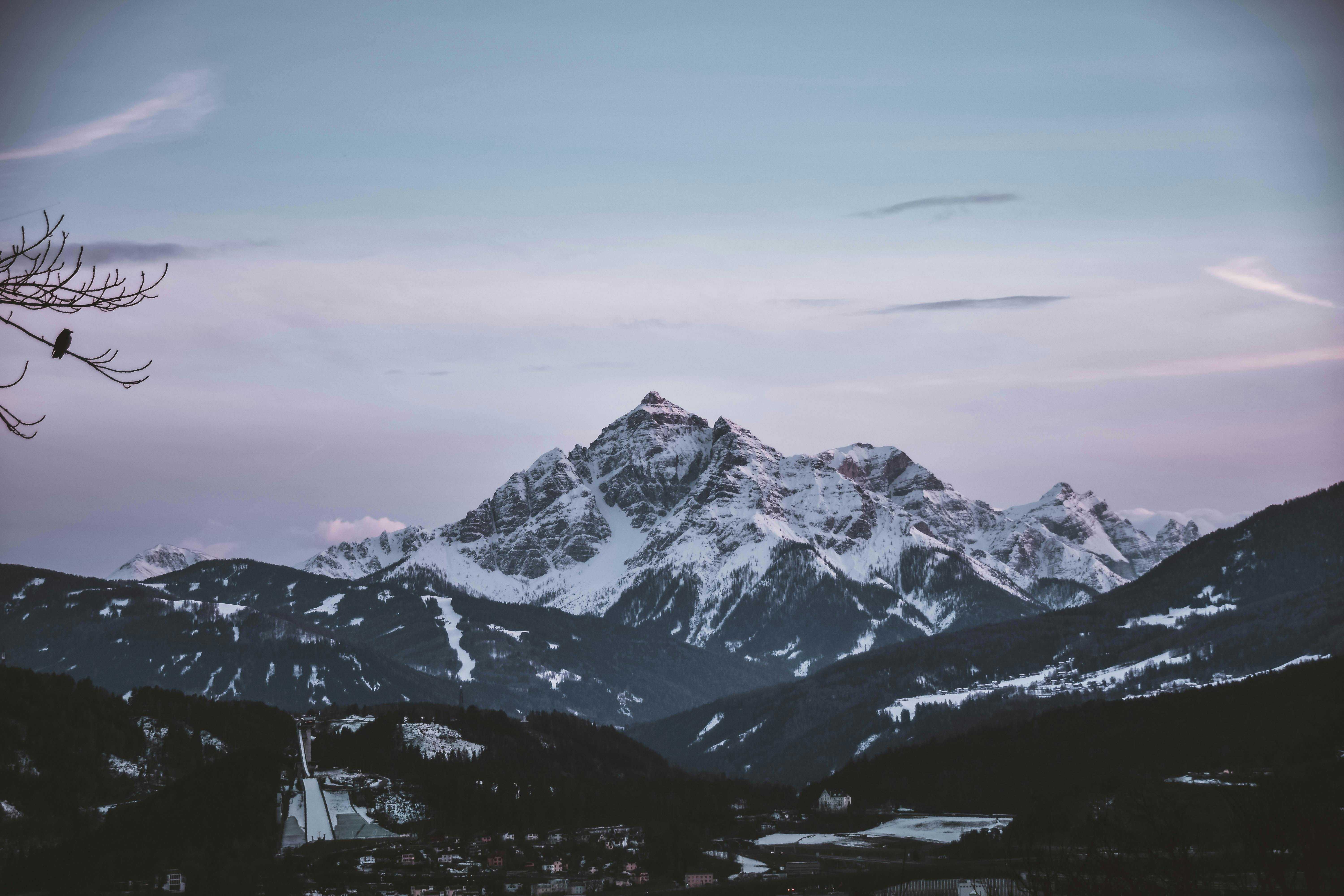
Innsbruck delivers the dramatic climax of the trip. The Christmas market in the Altstadt sits directly under the famous Golden Roof, framed by the sheer vertical rock wall of the Nordkette rising over 2,000 meters above the city roofs. Explore the Old Town of Innsbruck while market vendors sell blown-glass ornaments, felt slippers, and steaming tin cups of Glühwein.
Take the Nordkette Cable Car Experience, from EUR 47 directly from the city center up to Seegrube in under twenty minutes. You go from holding a warm paper bag of gingerbread to standing in deep powder looking out over the entire Inn Valley. Later, take a walk down for some Shopping at Maria-Theresien-Straße, where modern light installations illuminate the wide avenue against a backdrop of snow peaks.
For a dose of history away from the market stalls, head out to Visit Ambras Castle, from EUR 16, or catch a panoramic view of the city and surrounding ski runs when you Visit the Bergisel Ski Jump, from EUR 11. If you are traveling with family or want a break from market shopping, Swarovski Crystal Worlds, from EUR 25 in nearby Wattens makes a striking winter excursion with its illuminated outdoor art installations.
Warm boots, cash, and December crowd control
Winter in the Austrian Alps is brutally cold once the sun drops behind the ridges at 3:30 PM. Wool socks and insulated waterproof boots are non-negotiable; standing on freezing stone plazas for two hours will cut your evening short if your footwear isn't insulated. Dress in layers, carry a small pack for extra gloves, and pack lip balm to counter the dry wind.
Bring physical cash in euros. While hotels and larger shops accept cards, smaller market stalls selling hot food, wooden toys, and brass ornaments often insist on cash, and mug deposit systems require small coins. Most mugs cost a €3 to €5 cash deposit, which you get back when you return the cup to any drinks stall in that market.
Finally, pace your drinking and shopping. The markets are liveliest from 4:30 PM to 7:00 PM, but weekends get congested with day-trippers from Munich and Vienna. Visit the main city stalls on weekday evenings, and use your weekend daylight hours for cable car rides and castle visits high above the valley floor.
Keep reading
More blogs
Written for real trips, priced from the city you fly out of.