Imperial Morocco: Medinas, Ancient Ruins, and Living Traditions
A seven-night journey from ocean-facing Rabat to the ancient alleys of Fes.
Coastal Rabat: two calm days by the ocean
Spend your first two nights in Rabat, a relaxed capital city where the Atlantic breeze keeps summer temperatures manageable. Start early at 8am with a Walking Tour of the Medina before the heat sets in and before shopkeepers open their wooden stalls. Walk straight down to the edge of the water to Explore the Kasbah of the Udayas, where narrow alleys painted stark white and blue lead down toward the coastal rocks.
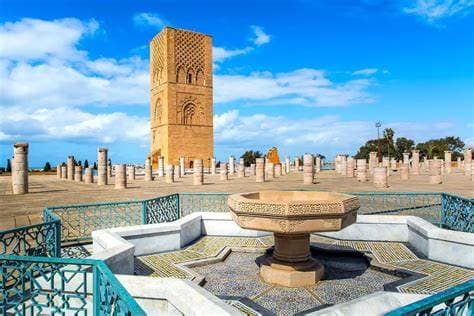
Rent a city bike to Cycle along the Bouregreg River toward the marina, or cross the river mouth on a wooden ferry boat for two dirhams. Set aside an afternoon for a Day in the Chellah Gardens, from MAD 70, an overgrown site where Roman stone columns sit wrapped in fig roots and storks build heavy nests atop 14th-century Merinid minarets. Skip high-end restaurants for lunch and head straight for Shopping at Rabat's Central Market, where fishmongers grill sardines right off the boat for 30 dirhams a plate.
Getting from Rabat to Meknes: Direct ONCF passenger trains leave Rabat Ville station every hour, arriving in Meknes in roughly two hours. The track cuts through rolling agricultural fields and cork oak groves. Check current schedules on the ONCF site before leaving your hotel.
Meknes: quiet architecture and ancient gates
Base yourself in Meknes for two nights to take in imperial architecture without battling large tour crowds. Begin at the grand gateway to Explore Bab Mansour, Moulay Ismail’s green-tiled entrance that frames the old city boundary. Direct your steps across the square for Shopping at El Hedim Square, where local vendors sell blocks of mountain cumin, dried figs, and cured olives next to small teahouses.
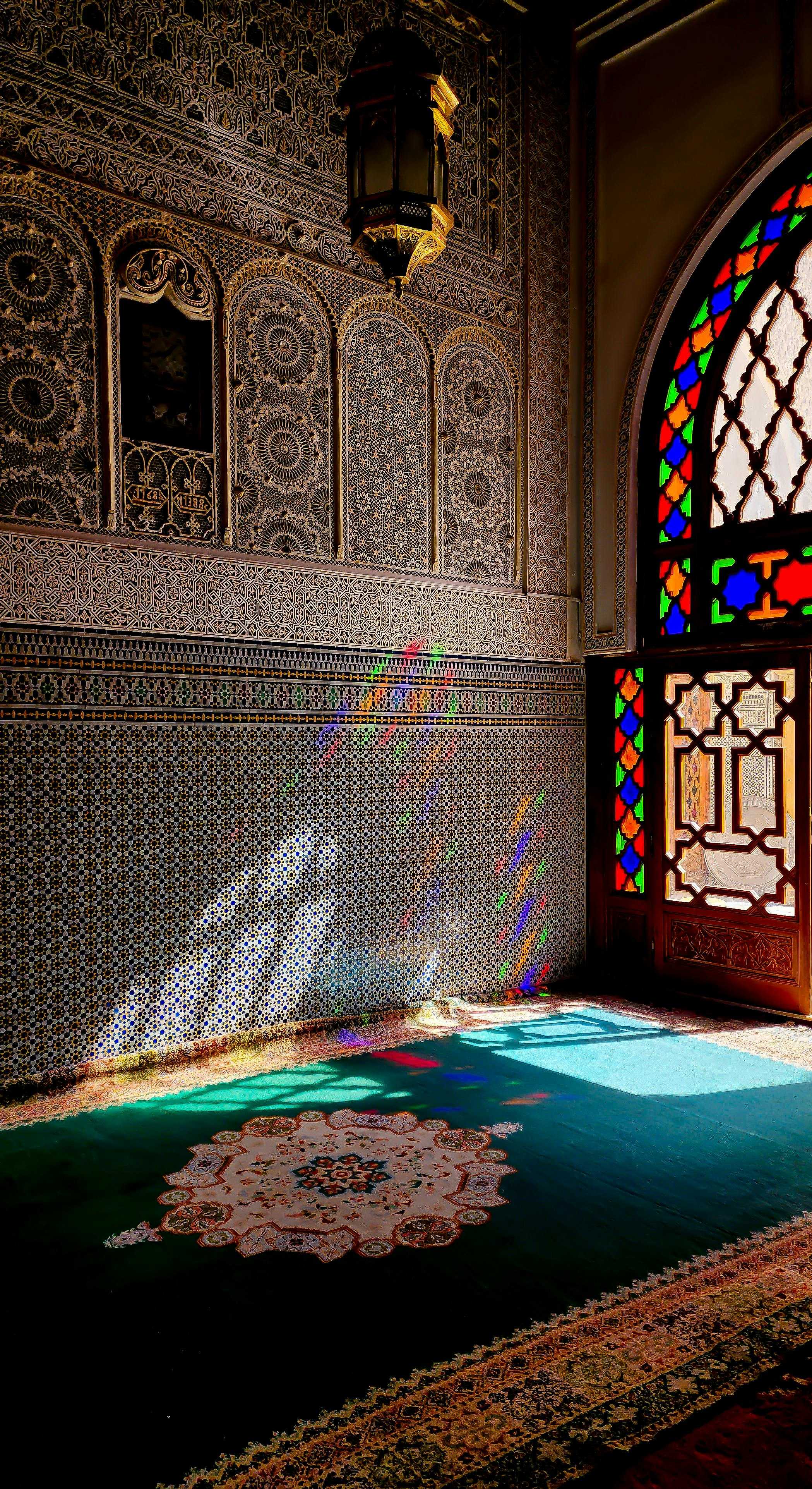
Spend twenty minutes inside to Explore Bou Inania Madrasa, climbing up to the courtyard to inspect carved cedar lintels and detailed geometric plasterwork. Walk north toward the quiet Mausoleum of Moulay Ismail, where you remove your shoes to step across cool marble courtyards. In the late afternoon around 5pm, join local families strolling along the edge of the Sahrij Swani Water Basin, a massive stone reservoir built to feed the 17th-century royal stables.
Getting from Meknes to Fes: Trains connect Meknes Ville to Fes Station in under 40 minutes, running throughout the day. Shared grand taxis also depart regularly from near the main train station once all six seats are filled. Confirm regional departure times locally on the morning of travel.
Fes el Bali: living history inside ancient walls
Give Fes three full nights. The city requires patience, comfortable shoes, and time to wander without looking at a map every two minutes. Start inside the car-free old town with Souk Shopping in Fes el Bali, following the main thoroughfare of Talaa Kebira down past copper smiths and leather workers. Continue Shopping in the Fes Souks around Chouara Tannery, where workers dye hides in stone vats using methods largely unchanged since the 11th century.
Head south of the old town by taxi to Experience Fes el-Jdid, the 13th-century Royal Palace quarter with its heavy brass doors and broad tree-lined avenues. Plan a Visit to the Dar Batha Museum, from MAD 20, housed in a late 19th-century palace that contains wood carvings, traditional Fassi blue pottery, and a quiet courtyard garden filled with orange trees. Hire an authorized guide to Explore the Medina of Fes, as they can unlock quiet caravanserais and hidden courtyard workshops that you would otherwise pass right by.
Middle Atlas escapes and ancient Roman ruins
Using Fes or Meknes as your base, take a day to venture into the countryside. Going Hiking in the Middle Atlas takes you into shaded cedar forests near Azrou, where trails run through high limestone hills. If you stay near Meknes, take a 40-minute taxi north to the Roman ruins of Volubilis, where third-century floor mosaics lie open to the weather among wild olive trees.
Spring between April and May and autumn between September and November deliver ideal walking conditions, avoiding the scorching heat of July and August. Renting a private taxi for a day trip into the Atlas hills costs roughly 600 to 800 dirhams depending on your route. Pack solid walking shoes for loose gravel tracks and carry a windbreaker, as mountain weather changes quickly once the sun drops.
Ready-made plans
Start a trip to Rabat
Day-by-day plans built on real bookable activities. Copy one and make it yours.