Zhambyl
· KZ

Zhambyl

Zhambyl, Kazakhstan

Step back in time and embrace the heart of Kazakhstan in Zhambyl! Nestled in southern Kazakhstan, Zhambyl offers a captivating blend of history, culture, and natural beauty. Forget the tourist traps, this is where you'l…

#Zhambyl#Kazakhstan#Central Asia#Historic city#Cultural heritage
1/1

Top hotels & flights

Hand-picked stays and the best fares into Zhambyl.

Top Hotels in Zhambyl

Top Flights to Zhambyl

Popular activities

Tours, tickets and experiences travelers book most in Zhambyl.

Tours

Ancient Taraz Tour

Explore the historical city of Taraz, known for its ancient architecture and rich cultural heritage.

Akyrtas Complex Adventure

Visit the enigmatic ruins of the Akyrtas complex, an unfinished palace from the early medieval period.

Outdoor

Shymkent Hiking Experience

Enjoy a day in the outdoors with hikes suitable for all skill levels in the beautiful landscapes of the Shymkent region.

Location videos

Real reels from travelers, plus longer watches to get the full picture.

Watch & explore

Practical info

The essentials for planning your time in Zhambyl.

Currency
₸ | KZT | Kazakhstani Tenge
Population
Not Available
Languages
Kazakh, Russian, Uzbek

Local guide

What travelers love, what to watch for, and a deeper read on Zhambyl.

What people love

Zhambyl, located in Zhambyl, Kazakhstan, is a region rich in cultural history and natural beauty. Here are some pros of traveling to Zhambyl:

  1. Cultural Heritage: Zhambyl is known for its rich cultural heritage, with a mix of Kazakh, Russian, and other ethnic influences. Visitors can explore historical sites, traditional villages, and museums to learn about the region's fascinating past.

  2. Beautiful Landscapes: Zhambyl boasts stunning natural landscapes, including mountains, rivers, and forests. Outdoor enthusiasts can enjoy activities like hiking, camping, and birdwatching in the region's pristine wilderness.

  3. Warm Hospitality: The people of Zhambyl are known for their warm hospitality and friendliness towards visitors. Travelers can immerse themselves in the local culture, interact with the locals, and experience traditional Kazakh hospitality firsthand.

  4. Unique Cuisine: Zhambyl offers a diverse culinary scene, with traditional Kazakh dishes like Beshbarmak (a meat and noodle dish) and Shubat (fermented camel milk) being popular choices. Food lovers can explore local markets, try authentic dishes, and savor the flavors of the region.

  5. Off the Beaten Path: Zhambyl is not as well-known as other tourist destinations in Kazakhstan, making it a great choice for travelers looking to explore off the beaten path. Visitors can enjoy a more authentic and immersive travel experience in this lesser-visited region.

Overall, traveling to Zhambyl offers a unique opportunity to explore a lesser-known part of Kazakhstan, rich in culture, history, and natural beauty.

What to know

Information not available.

Zhambyl, now known as Taraz, is a city in Kazakhstan with a rich history that dates back over two millennia. Here is a detailed history of the city:

  1. Early History: Taraz is one of the oldest cities in Kazakhstan, with evidence of settlement dating back to the 1st century BC. It was an important stop on the Silk Road, the ancient network of trade routes that connected the East and West.

  2. Medieval Period: During the 6th to 12th centuries, Taraz was a thriving city known for its commerce, culture, and architecture. It was part of the Western Turkic Khaganate and later the Karluk Yabgu State. The city was known for its caravanserais, mosques, and fortifications.

  3. Islamic Influence: In the 8th century, the Arab invasion brought Islam to the region. Taraz became a significant center for Islamic culture and education, contributing to its development as a cultural hub.

  4. Mongol Invasion: In the early 13th century, the Mongol invasion led by Genghis Khan devastated the city, along with many others along the Silk Road. Despite this destruction, the city eventually recovered and continued to be a center of trade and culture.

  5. Russian Empire: By the 19th century, Taraz became part of the Russian Empire. It was officially incorporated into Russia in 1864. The city, known as Aulie-Ata during this time, saw the development of modern infrastructure.

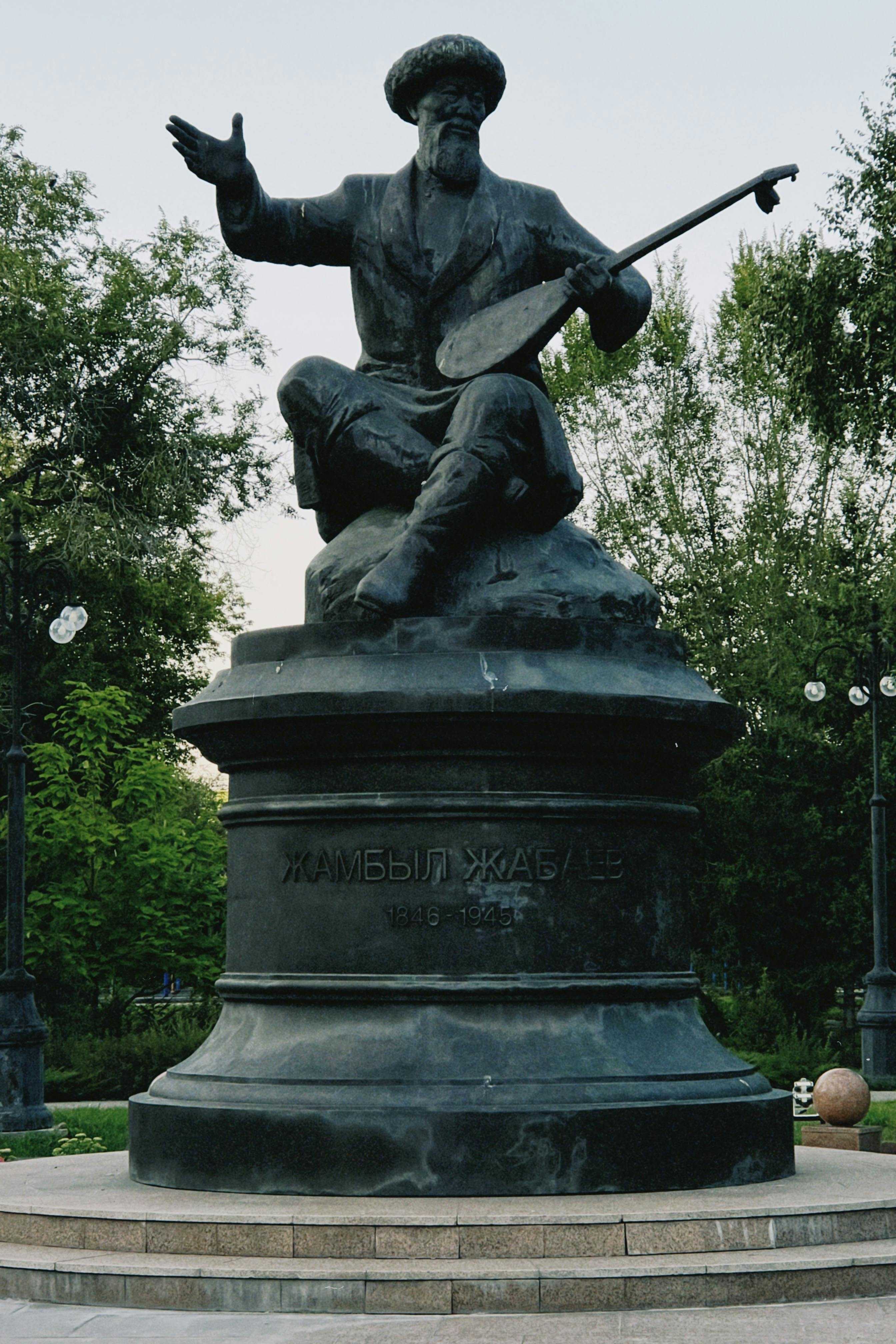
  6. Soviet Era: In 1938, the city was renamed Zhambyl in honor of the Kazakh poet Zhambyl Zhabayev. During the Soviet era, Zhambyl was an industrial center and experienced significant growth and modernization.

  7. Post-Soviet Period: Following Kazakhstan's independence from the Soviet Union in 1991, the city continued to develop. In 1997, the city was renamed back to Taraz to reflect its historical significance.

Significant Figures:

  • Zhambyl Zhabayev: A revered Kazakh poet and composer, known for his role in preserving Kazakh oral traditions and cultural heritage. His legacy was honored in the city's name from 1938 to 1997.

Important Landmarks:

  • Aisha Bibi Mausoleum: A UNESCO World Heritage Site and one of Kazakhstan's most beautiful architectural monuments. It dates back to the 11th or 12th century and is renowned for its intricate terracotta decoration.
  • Babaji Khatun Mausoleum: Located near the Aisha Bibi Mausoleum, it is another significant architectural monument from the same period.
  • Karahan Mausoleum: This mausoleum is dedicated to one of the rulers of the Karakhanid dynasty, showcasing the region's rich history during the medieval period.
  • Taraz Archaeological Park: An area that demonstrates the city's historical significance, featuring artifacts and remains from various periods of its long history.

Taraz remains a city that reflects the rich tapestry of Central Asian history, blending ancient traditions with modern developments.