Kazakhstan
· KZ

Kazakhstan

Kazakhstan

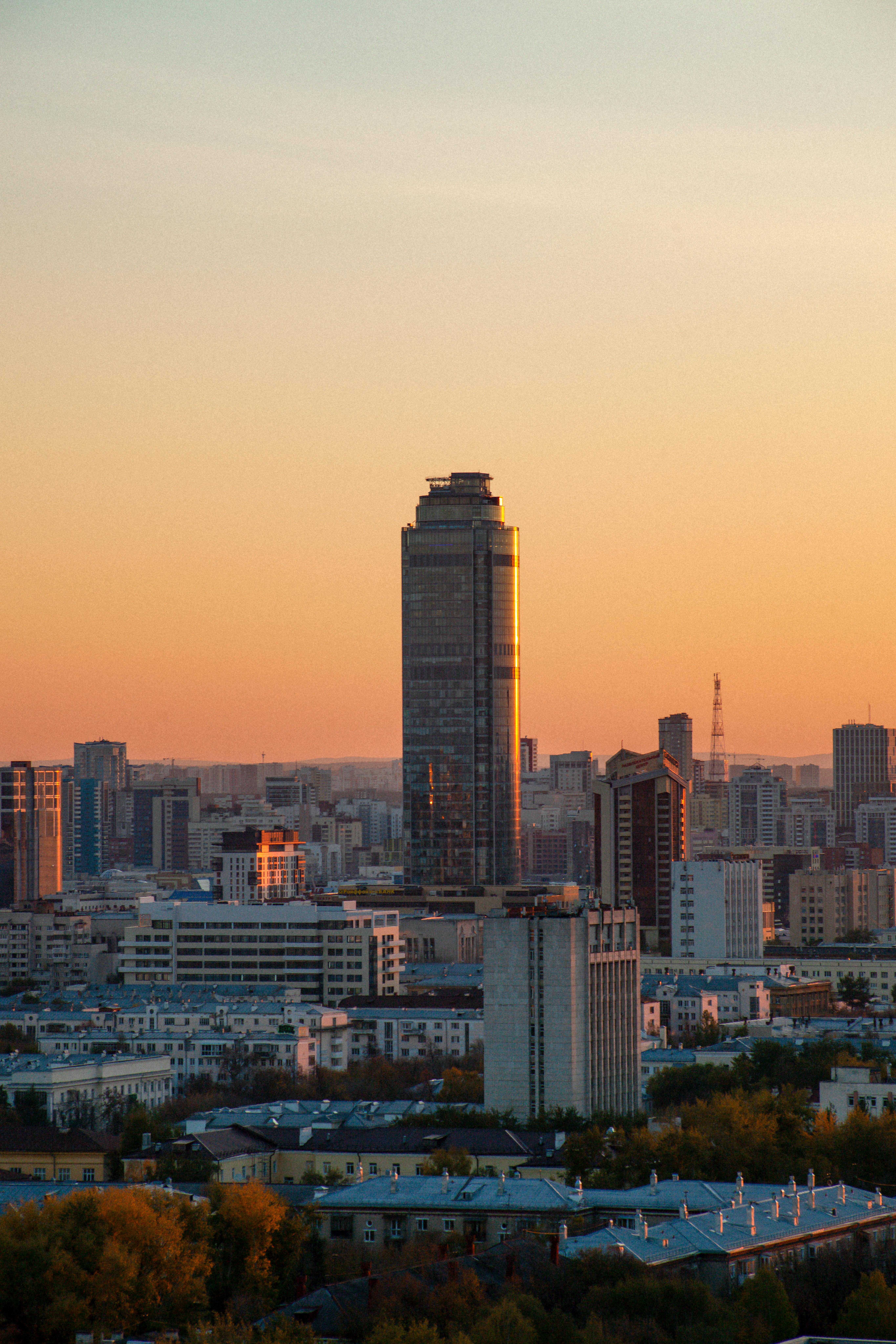
Kazakhstan: Where Ancient Silk Road Secrets Meet Modern Marvels Kazakhstan, the land of vast steppes, soaring mountains, and vibrant cities, beckons adventurous souls seeking experiences beyond the ordinary. This Central…

#Central Asia#Eurasia#Steppe landscape#Caspian Sea#Astana
1/9

Top hotels & flights

Hand-picked stays and the best fares into Kazakhstan.

Top Hotels in Almaty

Top Flights to Almaty

Popular activities

Tours, tickets and experiences travelers book most in Kazakhstan.

Tours

Explore Almaty City

Discover Almaty, the largest city in Kazakhstan, known for its beautiful landscapes, vibrant culture, and rich history.

Astana Cultural Exploration

Visit the capital city of Kazakhstan and discover its modern architecture and cultural landmarks.

Location videos

Real reels from travelers, plus longer watches to get the full picture.

From travelers
Watch & explore

Practical info

The essentials for planning your time in Kazakhstan.

Currency
₸ | KZT | Kazakhstani Tenge Republic of Kazakhstan
Population
19.1 million
Languages
Kazakh, Russian
Average weather
Kazakhstan
Jan
snow
-5°-15°
Feb
snow
-3°-13°
Mar
cold
2°-8°
Apr
cloud
12°1°
May
sun
20°8°
Jun
hot
27°14°
Jul
hot
30°17°
Aug
hot
28°15°
Sep
clear
21°9°
Oct
cloud
13°3°
Nov
cold
4°-5°
Dec
snow
-2°-12°

Local guide

What travelers love, what to watch for, and a deeper read on Kazakhstan.

What people love

Kazakhstan, located in Central Asia, offers a unique and diverse travel experience with several pros:

  1. Rich Cultural Heritage: Kazakhstan has a rich cultural heritage influenced by nomadic traditions, Soviet history, and modern influences. Travelers can explore traditional Kazakh music, dance, crafts, and cuisine.

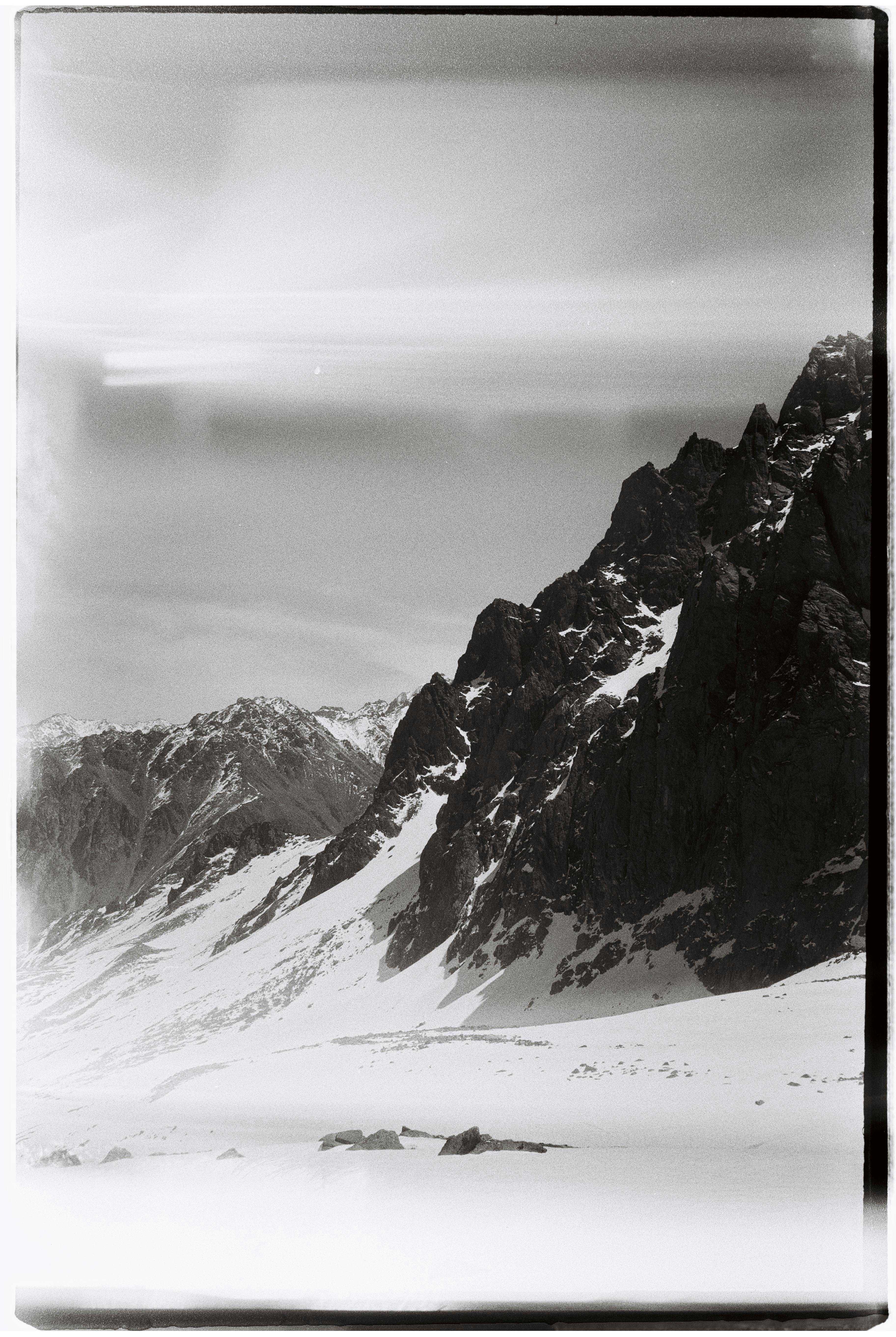
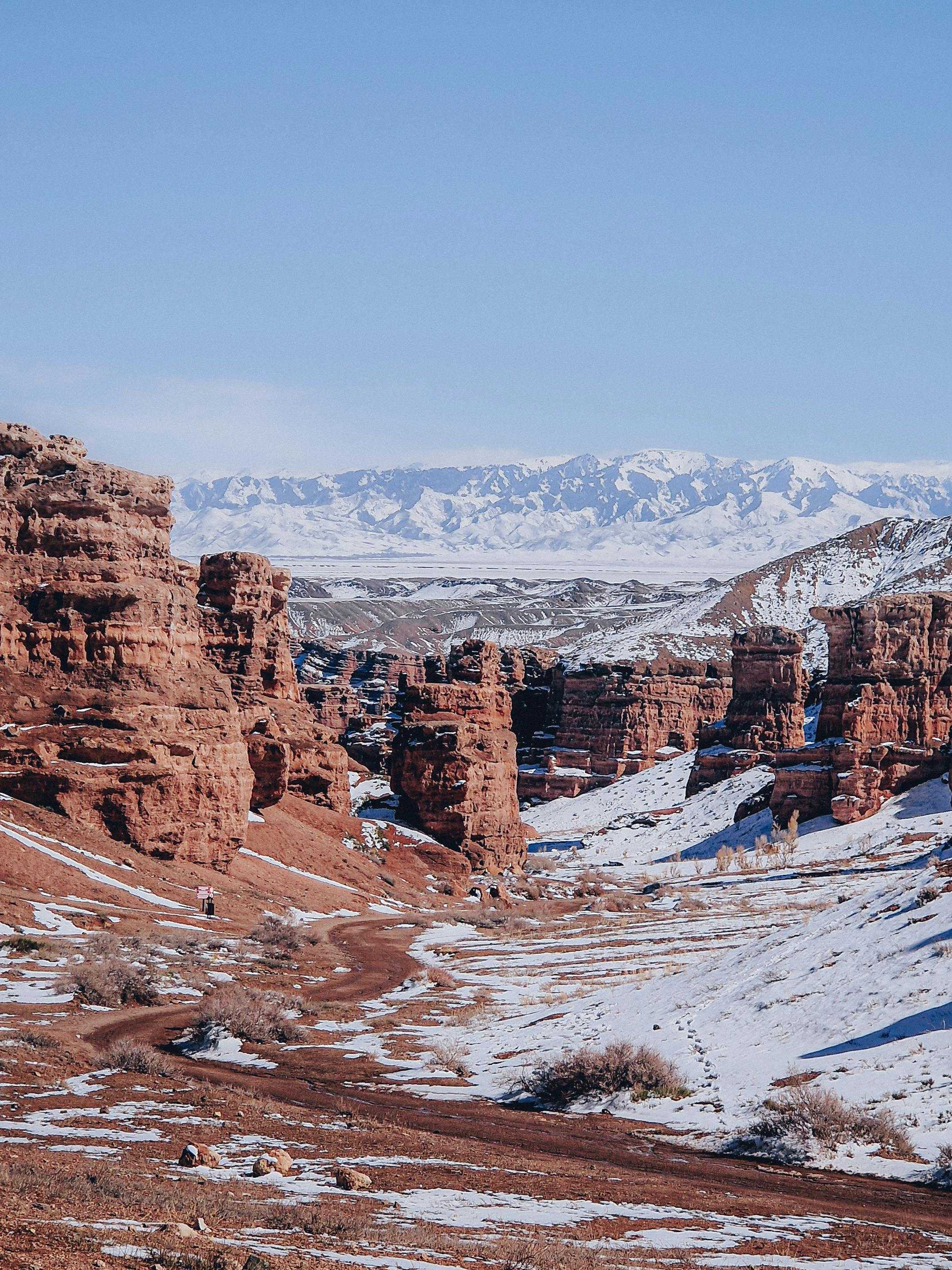
  2. Stunning Landscapes: Kazakhstan is known for its diverse and stunning landscapes, including the Altai Mountains, Charyn Canyon, and the vast steppes. Travelers can enjoy hiking, horseback riding, and camping in these beautiful natural settings.

  3. Historic Sites: Kazakhstan is home to several historic sites such as the Mausoleum of Khoja Ahmed Yasawi, the ancient city of Otrar, and the Tamgaly Petroglyphs. These sites offer insights into the country's rich history and cultural heritage.

  4. Modern Infrastructure: Kazakhstan has modern infrastructure with well-developed transportation systems, hotels, and amenities. Travelers can easily navigate the country and enjoy a comfortable travel experience.

  5. Warm Hospitality: Kazakh people are known for their warm hospitality and friendliness towards visitors. Travelers can expect to be welcomed with open arms and have memorable interactions with locals.

Overall, traveling to Kazakhstan offers a unique blend of cultural experiences, natural beauty, historical sites, and modern comforts, making it a rewarding destination for adventurous travelers.

What to know

Traveling to Kazakhstan may have some cons, including:

  1. Language barrier: The official language in Kazakhstan is Kazakh, and Russian is also widely spoken. English may not be as commonly spoken, especially outside of major cities, which can make communication challenging for non-native speakers.

  2. Extreme weather conditions: Kazakhstan experiences a wide range of weather conditions, from scorching hot summers to extremely cold winters. Travelers should be prepared for these fluctuations and pack accordingly.

  3. Bureaucracy and visa requirements: Kazakhstan has specific visa requirements for visitors from many countries, which can be time-consuming and require a lot of paperwork. Navigating the bureaucracy can be challenging for some travelers.

  4. Safety concerns: While Kazakhstan is generally considered safe for tourists, travelers should be aware of the potential for petty crime, especially in crowded tourist areas. It's important to take precautions and be vigilant while exploring the country.

  5. Limited tourist infrastructure: While major cities like Almaty and Nur-Sultan have well-developed tourist infrastructure, other parts of Kazakhstan may lack amenities and services that travelers are accustomed to. This can make traveling outside of urban areas more challenging.

Overall, travelers to Kazakhstan should be prepared for these potential cons and plan accordingly to ensure a smooth and enjoyable trip.

Kazakhstan, officially known as the Republic of Kazakhstan, is the world's largest landlocked country and the ninth largest in the world. Its history is rich and diverse, shaped by various cultures and empires. Below is a detailed overview of Kazakhstan's history, significant events, historical figures, and landmarks.

Ancient and Medieval History

  • Early Inhabitants: The region of modern-day Kazakhstan has been inhabited since the Stone Age. Early settlers were primarily nomadic peoples, including the Scythians, known for their horse-riding skills and metalwork.

  • Turkic Khaganate: By the 6th century AD, the area was part of the Turkic Khaganate, a major political entity that introduced Turkic culture and language.

  • Mongol Empire: In the early 13th century, Genghis Khan's Mongol Empire conquered the region. The territory became part of the Mongol Empire and later the Golden Horde.

Kazakh Khanate and Russian Empire

  • Kazakh Khanate: By the 15th century, the Kazakh Khanate emerged as a significant power in the region, uniting various Turkic tribes under the leadership of the khans, such as Janibek and Kerey. The khanate played a crucial role in the development of Kazakh ethnicity and culture.

  • Russian Empire: Starting in the 18th century, the Russian Empire began to exert influence over the Kazakh steppe. By the mid-19th century, Kazakhstan was fully integrated into the Russian Empire, which brought about significant social and economic changes.

Soviet Era

  • Soviet Union: After the Russian Revolution of 1917, Kazakhstan became part of the Soviet Union. In 1936, it was designated as the Kazakh Soviet Socialist Republic. The Soviet era was marked by collectivization, industrialization, and significant demographic changes, including forced resettlements and famines.

  • Virgin Lands Campaign: In the 1950s, under Nikita Khrushchev, the Virgin Lands Campaign aimed to boost agricultural production by cultivating the steppe. This brought many settlers to Kazakhstan.

Independence and Modern Era

  • Independence: Kazakhstan declared independence on December 16, 1991, following the dissolution of the Soviet Union. Nursultan Nazarbayev became the country’s first president and played a pivotal role in shaping the nation’s post-independence policies.

  • Economic Development: Since independence, Kazakhstan has leveraged its vast natural resources, particularly oil and gas, to drive economic growth. The country has pursued policies of modernization and development, attracting foreign investment.

  • Relocation of the Capital: In 1997, the capital was moved from Almaty to Astana (now Nur-Sultan), a city that underwent rapid development and became a symbol of modern Kazakhstan.

Significant Historical Figures

  • Nursultan Nazarbayev: The first President of Kazakhstan, serving from 1991 until his resignation in 2019. He played a crucial role in the country's development post-independence.

  • Abai Qunanbaiuly: A prominent Kazakh poet, composer, and philosopher whose works have had a lasting impact on Kazakh literature and culture.

Important Landmarks

  • Mausoleum of Khoja Ahmed Yasawi: Located in Turkestan, this UNESCO World Heritage Site is an architectural masterpiece of the Timurid period and an important pilgrimage site.

  • Baikonur Cosmodrome: The world's first and largest operational space launch facility, located in southern Kazakhstan. It was the launch site for many historic space missions.

  • Altyn-Emel National Park: Known for its diverse landscapes and the Singing Dunes, this park is a significant natural landmark in Kazakhstan.

  • Astana (Nur-Sultan): The capital city features modern architecture, including the Khan Shatyr and the Bayterek Tower, symbolizing Kazakhstan's aspirations and progress.

Kazakhstan's history is one of transformation, from a region of nomadic tribes to a modern, independent nation with a unique blend of cultural heritage and economic potential.