
Zachodniopomorskie
· PL

Zachodniopomorskie

Zachodniopomorskie, Poland

Escape to the Baltic Coast: Discover the Magic of Zachodniopomorskie, Poland Craving windswept beaches, charming towns, and a taste of authentic Poland? Then Zachodniopomorskie, nestled along the country's captivating B…

#Western Pomerania#Baltic Sea coast#Historic architecture#Maritime culture#Nature reserves
1/5

Top hotels & flights

Hand-picked stays and the best fares into Zachodniopomorskie.

Top Hotels in Zachodniopomorskie

Top Flights to Zachodniopomorskie

Popular activities

Tours, tickets and experiences travelers book most in Zachodniopomorskie.

Tours

Explore Szczecin's Pomeranian Dukes' Castle

Discover the history and architecture of this Renaissance castle located in the heart of Szczecin.

Visit Kołobrzeg Lighthouse

Explore the historical lighthouse offering panoramic views of the Baltic Sea.

Shopping

Shopping at Galaxy Centrum

Visit the spacious shopping mall offering a variety of international and local brands.

Outdoor

Kayaking on Drawa River

Enjoy an adventurous kayaking experience on the tranquil Drawa River.

Wolin National Park Hiking

Hike through the scenic trails of Wolin National Park, home to diverse flora and fauna.

Cycling Through Szczecin Landscape Park

Cycle through stunning landscapes, along lakes and forests in Szczecin Landscape Park.

Świnoujście Beach Day

Relax on the sandy beaches of Świnoujście, ideal for a family day out.

Location videos

Real reels from travelers, plus longer watches to get the full picture.

Watch & explore

Practical info

The essentials for planning your time in Zachodniopomorskie.

Currency
zł | PLN | Polish Złoty
Population
1.7 million
Languages
Polish, Kashubian

Local guide

What travelers love, what to watch for, and a deeper read on Zachodniopomorskie.

What people love

Zachodniopomorskie is a province in northwestern Poland with a diverse range of attractions and activities that make it a compelling destination for travelers. Here are some pros of traveling to Zachodniopomorskie:

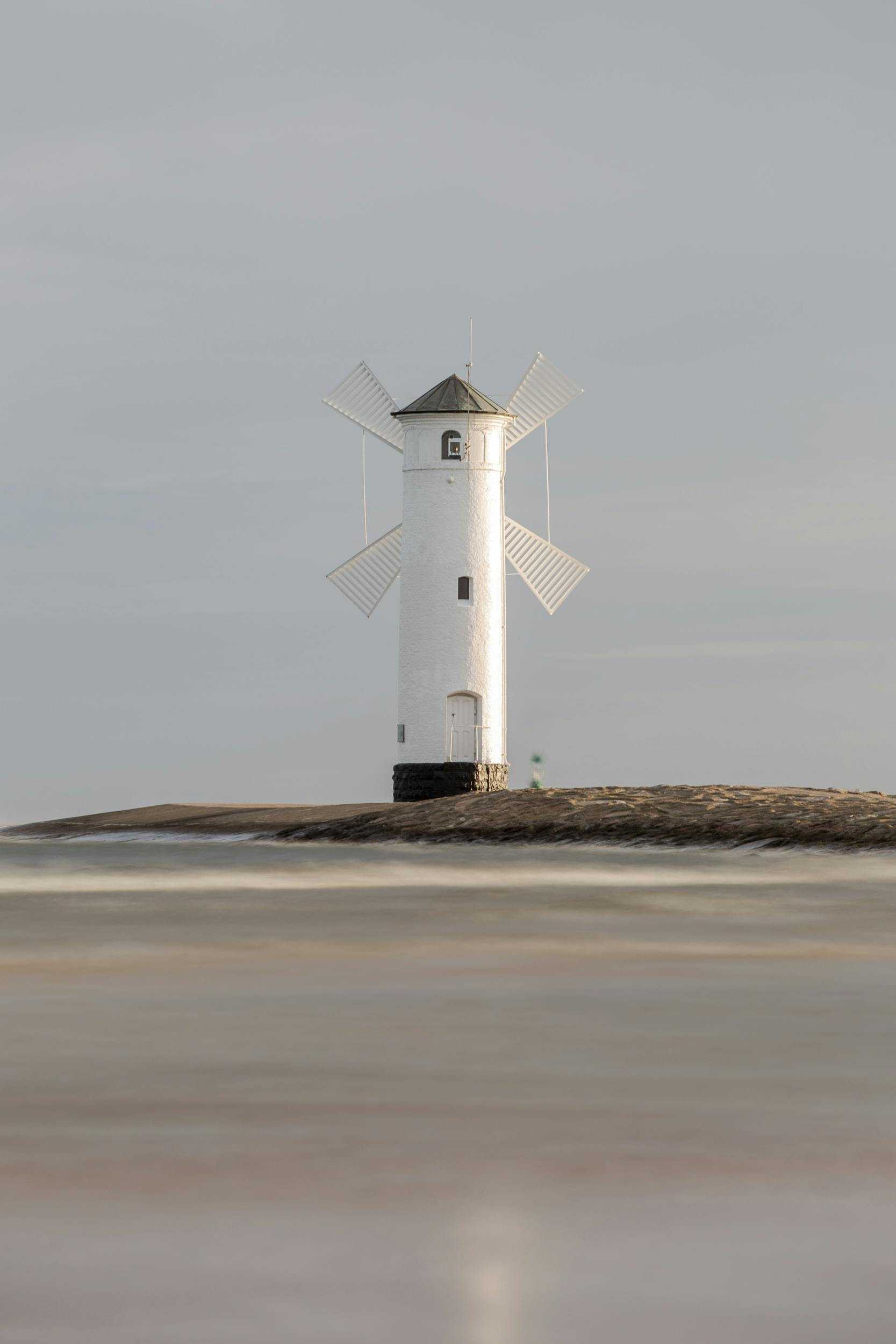
  1. Stunning coastline: Zachodniopomorskie boasts a beautiful coastline along the Baltic Sea, with sandy beaches, charming seaside towns, and picturesque cliffs. Visitors can enjoy sunbathing, swimming, water sports, and exploring the coastal landscapes.

  2. National parks and nature reserves: The province is home to several national parks and nature reserves, including Wolin National Park and Drawa National Park. These protected areas offer opportunities for hiking, wildlife watching, and experiencing the region's natural beauty.

  3. Historic cities and architecture: Zachodniopomorskie features historic cities such as Szczecin and Koszalin, where travelers can explore medieval architecture, museums, and cultural attractions. The region also has charming old towns and castles that provide insight into Poland's rich history.

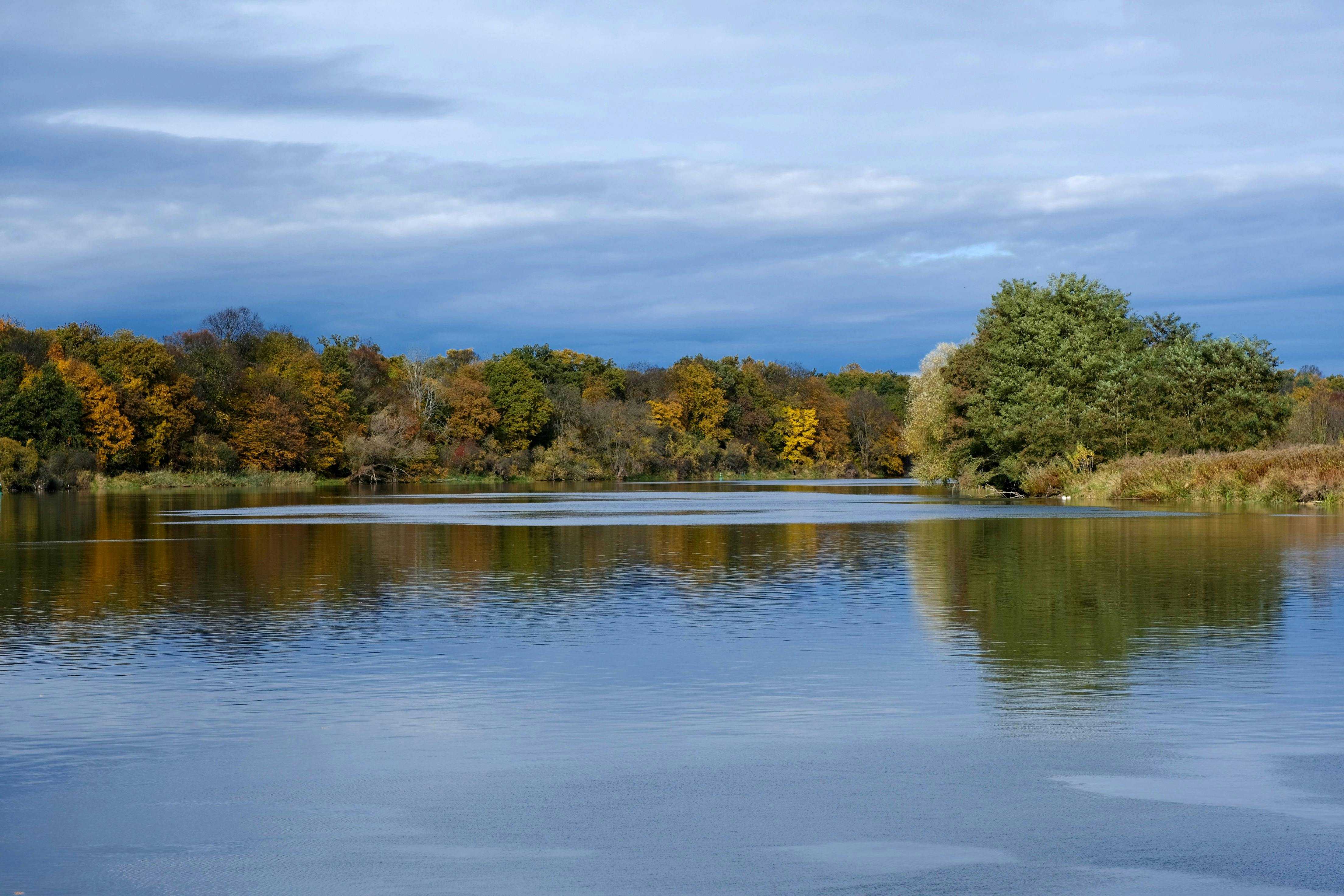
  4. Outdoor activities: Adventure seekers will find plenty to do in Zachodniopomorskie, with opportunities for cycling, kayaking, horseback riding, and more. The diverse landscapes of the province, including forests, lakes, and rivers, offer endless possibilities for outdoor recreation.

  5. Culinary delights: Visitors to Zachodniopomorskie can savor traditional Polish cuisine, including hearty dishes like pierogi (dumplings), bigos (hunter's stew), and delicious seafood from the Baltic Sea. The region also has a growing craft beer scene for those interested in trying local brews.

Overall, traveling to Zachodniopomorskie offers a mix of natural beauty, cultural heritage, outdoor activities, and culinary experiences that can appeal to a wide range of travelers looking to explore this scenic part of Poland.

What to know

Some potential cons of traveling to Zachodniopomorskie, Poland may include:

  1. Weather: The region experiences cold winters with temperatures dropping below freezing, which may not be ideal for those who prefer warmer climates.

  2. Language barrier: English may not be widely spoken in more rural areas of Zachodniopomorskie, so communication could be challenging for travelers who do not speak Polish.

  3. Limited public transportation: The region may have limited public transportation options, making it more difficult to get around without a car.

  4. Limited tourist infrastructure: While Zachodniopomorskie has beautiful landscapes and historical sites, it may not have as many tourist amenities or facilities compared to more popular tourist destinations in Poland.

  5. Distance from major cities: Zachodniopomorskie is located in the northwest corner of Poland, which may make it less convenient to access compared to other regions closer to major cities like Warsaw or Krakow.

Please note that these potential cons may vary based on individual preferences and travel experiences.

Zachodniopomorskie, known in English as West Pomerania, is a province (voivodeship) in northwestern Poland. The region has a rich and complex history due to its geographical location along the Baltic Sea and historical ties with various states and political entities.

Early History

  • Prehistoric Times: The area was inhabited by various tribes, including the Pomeranians, after whom the region is named. Archaeological evidence suggests settlements date back to the Stone Age.
  • Middle Ages: In the early Middle Ages, the region was part of the territory controlled by the Slavic tribes. The Duchy of Pomerania was established in the 12th century, becoming a significant entity in the Baltic region. The area saw the Christianization process during this period, with the establishment of bishoprics and churches.

Medieval to Early Modern Period

  • 13th-15th Century: The region was heavily influenced by the Hanseatic League, a powerful economic and defensive alliance of merchant guilds and market towns in Northwestern and Central Europe. Important towns like Szczecin (Stettin), the capital of the region, flourished during this time.
  • 16th Century: The Protestant Reformation reached Pomerania, leading to significant religious and social changes. The Peace of Westphalia in 1648 left the region divided between Sweden and Brandenburg-Prussia.

18th to 19th Century

  • Prussian Control: In the 18th century, Pomerania was integrated into the Kingdom of Prussia. The region underwent significant economic and infrastructural development.
  • 19th Century: The 19th century brought industrialization and modernization. The establishment of railroads and ports facilitated economic growth. The region became part of the German Empire in 1871.

20th Century

  • World War II and Aftermath: During World War II, Szczecin was a significant German port and shipbuilding center. The region suffered extensive damage due to Allied bombing and the advancing Soviet forces. After the war, the Potsdam Conference resulted in territorial changes, with Pomerania being divided between Poland and Germany. The Polish part was named Zachodniopomorskie.
  • Post-War Period: The German population was expelled, and Polish settlers, including many from areas annexed by the Soviet Union, repopulated the area.

Significant Historical Figures

  • Bogislaw X of Pomerania: A notable Duke of Pomerania who ruled in the late 15th and early 16th centuries, known for his efforts to centralize and strengthen the duchy.
  • Philipp Otto Runge: A romantic painter born in Wolgast, part of historic Pomerania.

Important Landmarks

  • Szczecin: The capital city is home to the Pomeranian Dukes' Castle, a Renaissance castle that serves as a cultural and historic site.
  • Kołobrzeg: A historic town known for its cathedral and as a health resort on the Baltic Sea.
  • Wolin National Park: Known for its natural beauty and archaeological sites, including the remains of a Viking settlement.

The region continues to be an area of historical and cultural significance in Poland, with a vibrant mix of natural landscapes, historic sites, and modern development.