
Poland
· PL

Poland

Poland

Discover the Undiscovered: Poland Awaits Poland, a land of captivating contrasts, beckons travelers with open arms and a spirit of adventure. From the cobblestone streets of Krakow, echoing with centuries of history, to …

#Eastern Europe#European Union#Warsaw Pact#Baltic Sea#Slavic culture
1/18

Top hotels & flights

Hand-picked stays and the best fares into Poland.

Top Hotels in Warsaw

Top Flights to Warsaw

Popular activities

Tours, tickets and experiences travelers book most in Poland.

Tours

Explore Wawel Royal Castle

Visit the historic castle located in Kraków, one of the most important cultural sites in Poland.

Discover Warsaw's Old Town

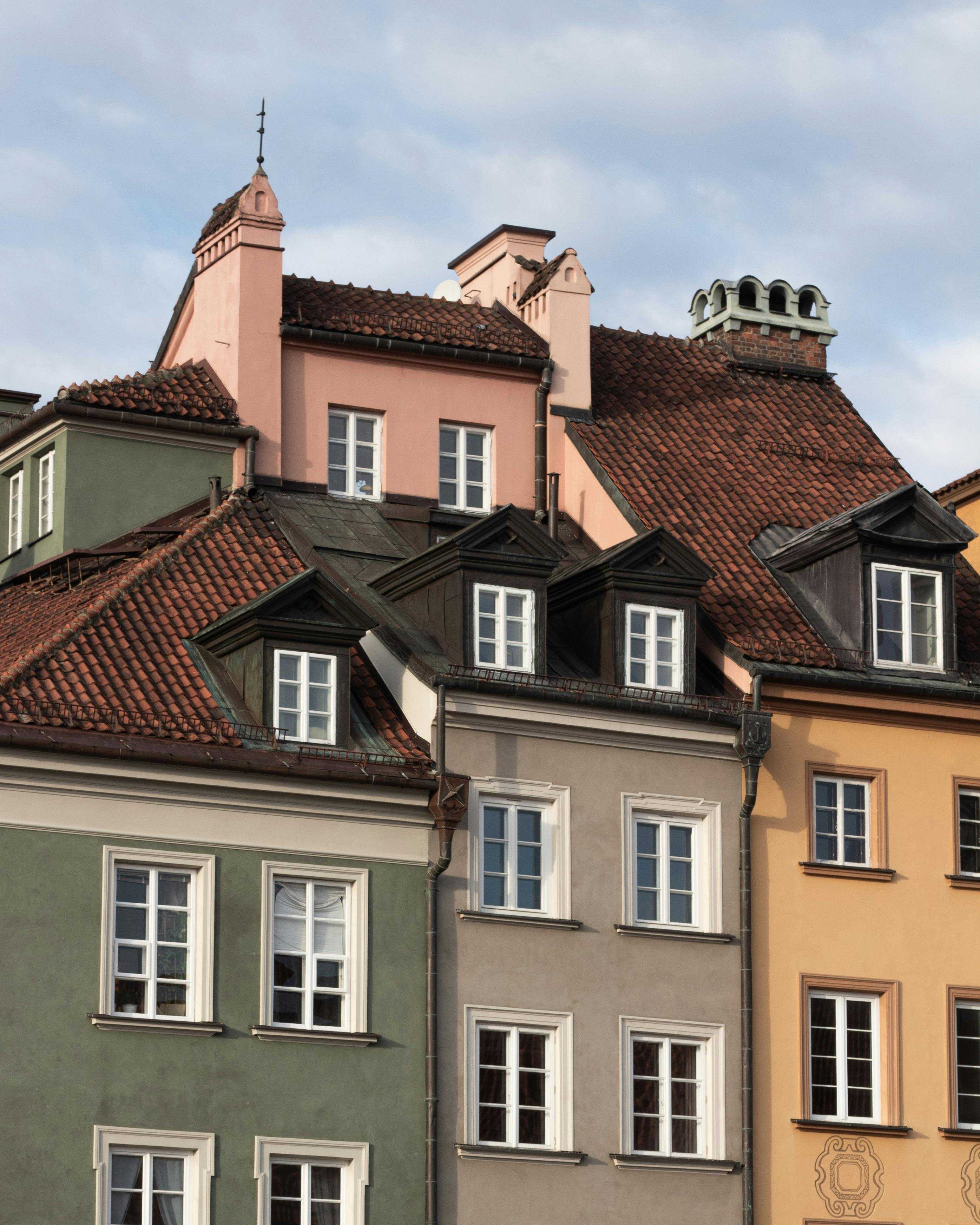
Walk through the restored historical Old Town and experience the rich history of Warsaw.

Shopping

Shopping Spree in Kraków

Enjoy a variety of shopping options from local crafts to international brands in Kraków.

Outdoor

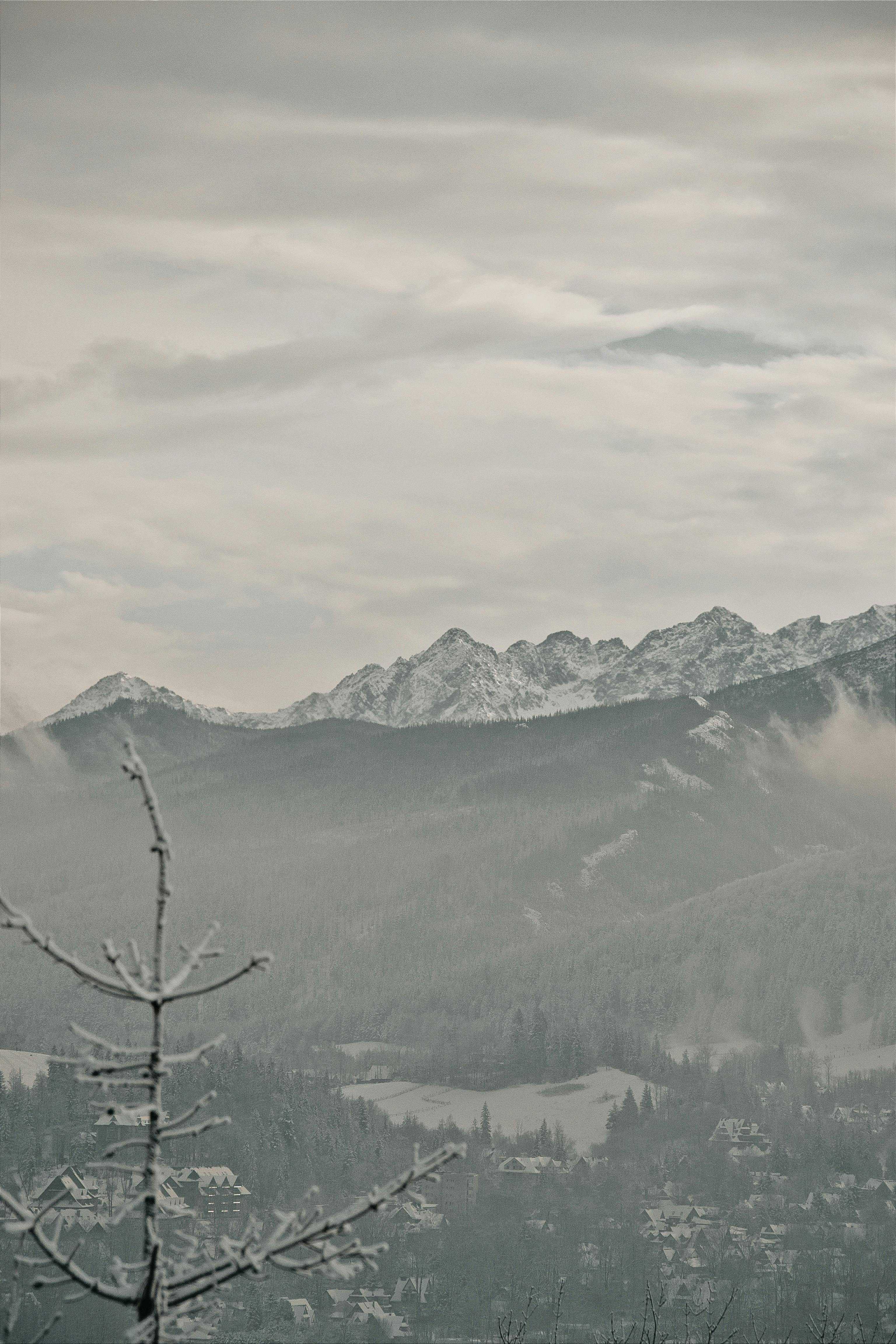
Hiking in Tatra National Park

Experience the breathtaking beauty of Poland's Tatra Mountains through hiking trails.

Zakopane Ski Resort Adventure

Engage in thrilling skiing activities at Poland's most popular ski resort.

Location videos

Real reels from travelers, plus longer watches to get the full picture.

From travelers
Watch & explore

Practical info

The essentials for planning your time in Poland.

Currency
zł | PLN | Polish Złoty
Population
Approximately 37.97 million.
Languages
Polish, Polish
Average weather
Poland
Jan
snow
0°-5°
Feb
snow
1°-4°
Mar
cloud
6°-1°
Apr
rain
13°3°
May
cloud
19°8°
Jun
sun
22°12°
Jul
sun
24°14°
Aug
sun
24°13°
Sep
cloud
19°10°
Oct
rain
13°5°
Nov
cloud
6°1°
Dec
snow
2°-3°

Local guide

What travelers love, what to watch for, and a deeper read on Poland.

What people love

Poland is a beautiful country with a rich history and culture, making it a great destination for travelers. Here are some pros of traveling to Poland:

  1. Rich history and culture: Poland has a long and fascinating history, with many historical sites, monuments, and museums to explore. Visitors can learn about the country's past, including its struggles and triumphs.

  2. Beautiful cities: Poland is home to many beautiful cities such as Warsaw, Krakow, Gdansk, and Wroclaw. Each city has its own unique charm, with stunning architecture, vibrant cultural scenes, and delicious cuisine.

  3. Affordable prices: Compared to other European countries, Poland is relatively affordable for travelers. Accommodation, food, and transportation are all reasonably priced, making it a budget-friendly destination.

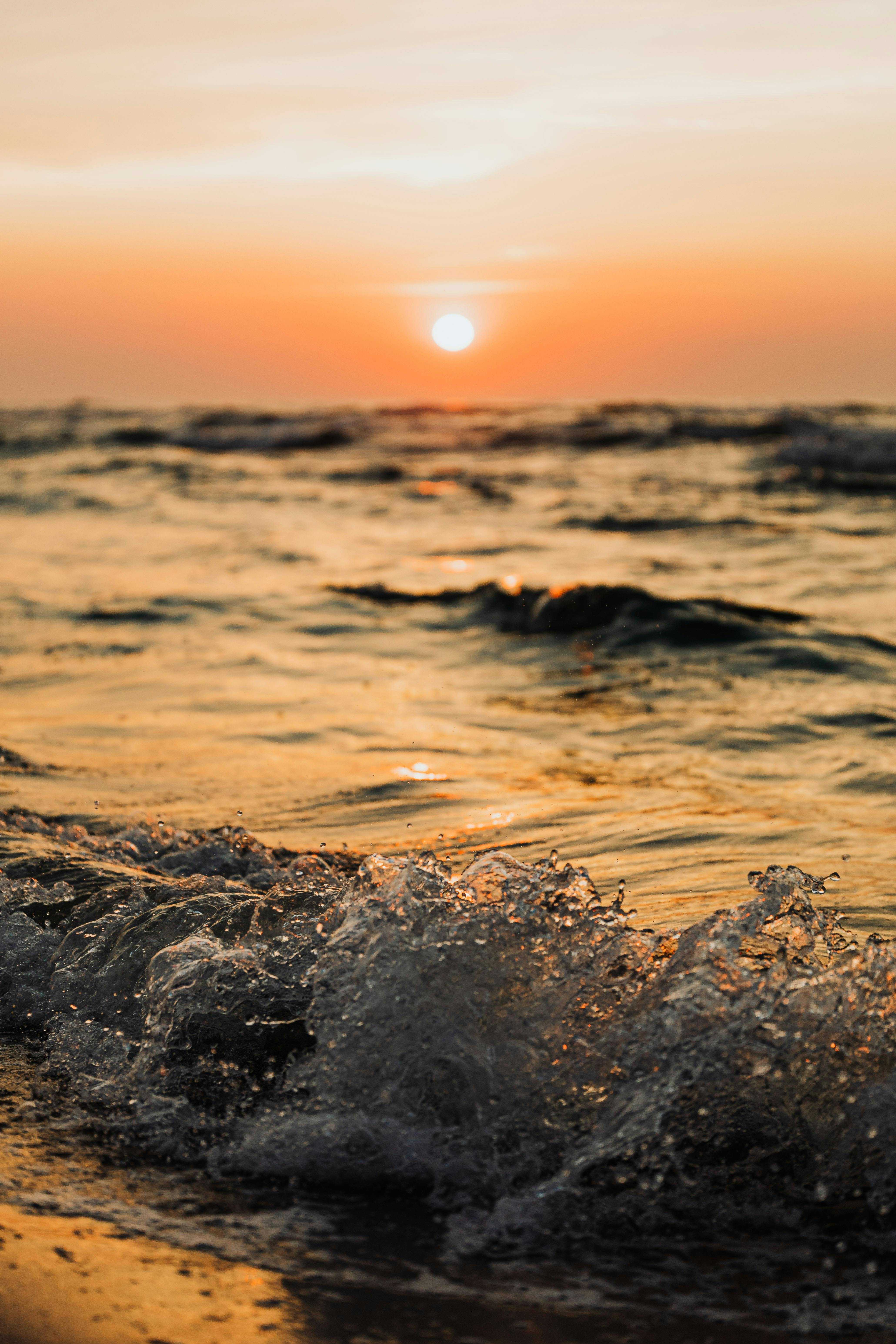
  4. Natural beauty: Poland boasts stunning landscapes, including the Tatra Mountains, the Masurian Lake District, and the Baltic Sea coastline. Nature lovers can enjoy hiking, skiing, water sports, and other outdoor activities.

  5. Warm hospitality: Polish people are known for their warm hospitality and friendliness towards visitors. Travelers can expect to be welcomed with open arms and experience genuine kindness during their stay.

Overall, traveling to Poland offers a unique blend of history, culture, natural beauty, and friendly locals, making it a rewarding destination for tourists.

What to know

Traveling to Poland, located in Central Europe, has many benefits such as beautiful landscapes, rich history, and vibrant culture. However, like any travel destination, Poland also has some cons that travelers should be aware of:

  1. Language Barrier: While English is widely spoken in tourist areas and by younger generations, there may still be language barriers, especially in rural areas or among older individuals. Learning a few basic Polish phrases can be helpful.

  2. Weather: Poland experiences cold winters, especially in the northern regions, which may not be ideal for travelers who do not enjoy cold weather. Summers can also be hot and humid, so it's important to pack accordingly.

  3. Tourist Scams: As with any tourist destination, there may be scams targeting visitors, such as overcharging at restaurants or taxis. It's important to be cautious and do research to avoid falling victim to scams.

  4. Traffic and Driving: Traffic congestion can be an issue in major cities like Warsaw and Krakow, and driving in Poland may be challenging for visitors due to different road rules and aggressive drivers. Public transportation is a good alternative for getting around.

  5. Health and Safety: While Poland is generally a safe country for travelers, like any destination, it's important to stay vigilant and be aware of your surroundings. It's also recommended to have travel insurance that covers medical emergencies.

Overall, while there are some cons to traveling to Poland, the country's rich history, stunning architecture, and warm hospitality make it a rewarding destination for many travelers.

Poland, officially known as the Republic of Poland, is located in Central Europe and is bordered by Germany to the west, the Czech Republic and Slovakia to the south, Ukraine and Belarus to the east, and Lithuania and Russia to the northeast. Here is a detailed history of Poland:

Early History:

  • The history of Poland dates back to the 10th century when the Polish state was established under the Piast dynasty.
  • In 966, Duke Mieszko I converted to Christianity, laying the foundation for the Christianization of Poland.
  • The Kingdom of Poland was formed in 1025 under the rule of Bolesław I the Brave, marking the beginning of a unified Polish state.

Golden Age:

  • The 16th century is often referred to as Poland's Golden Age, characterized by flourishing culture, art, and science.
  • The Polish-Lithuanian Commonwealth was a significant power in Europe during this period, known for its religious tolerance and democratic institutions.

Partitions of Poland:

  • In the late 18th century, Poland faced a series of partitions by neighboring powers, including Russia, Prussia, and Austria.
  • The partitions led to the disappearance of the Polish state for over a century, as Poland was divided among its neighbors.

Independence and World War II:

  • After World War I, Poland regained its independence in 1918, following the Treaty of Versailles.
  • World War II brought devastation to Poland, with the country being invaded by Germany and the Soviet Union in 1939.
  • The Warsaw Uprising in 1944 and the subsequent destruction of Warsaw are significant events in Poland's history during this period.

Communist Era and Solidarity Movement:

  • After World War II, Poland came under communist rule, aligned with the Soviet Union.
  • The Solidarity movement, led by Lech Wałęsa, played a crucial role in opposing the communist regime in the 1980s, eventually leading to the fall of communism in Poland in 1989.

European Union and Modern Poland:

  • Poland joined the European Union in 2004, signaling its integration into the broader European community.
  • In recent years, Poland has faced political challenges related to issues such as democracy, rule of law, and human rights.

Significant Historical Figures:

  • King Casimir III the Great: Known for his efforts in expanding Poland's borders and promoting cultural development.
  • Pope John Paul II: The first non-Italian pope in over 400 years, he played a significant role in Poland's history and the fall of communism.

Important Landmarks:

  • Wawel Castle in Krakow: A symbol of Poland's royal history and a UNESCO World Heritage Site.
  • Warsaw Old Town: The historic center of Warsaw, meticulously restored after its destruction in World War II.
  • Auschwitz-Birkenau: A former Nazi concentration camp, now a memorial and museum, serving as a reminder of the Holocaust.

This summary provides a brief overview of the rich and complex history of Poland, from its early beginnings to its modern challenges and achievements.