Wellington
City · New Zealand

Wellington

Wellington, Wellington, New Zealand

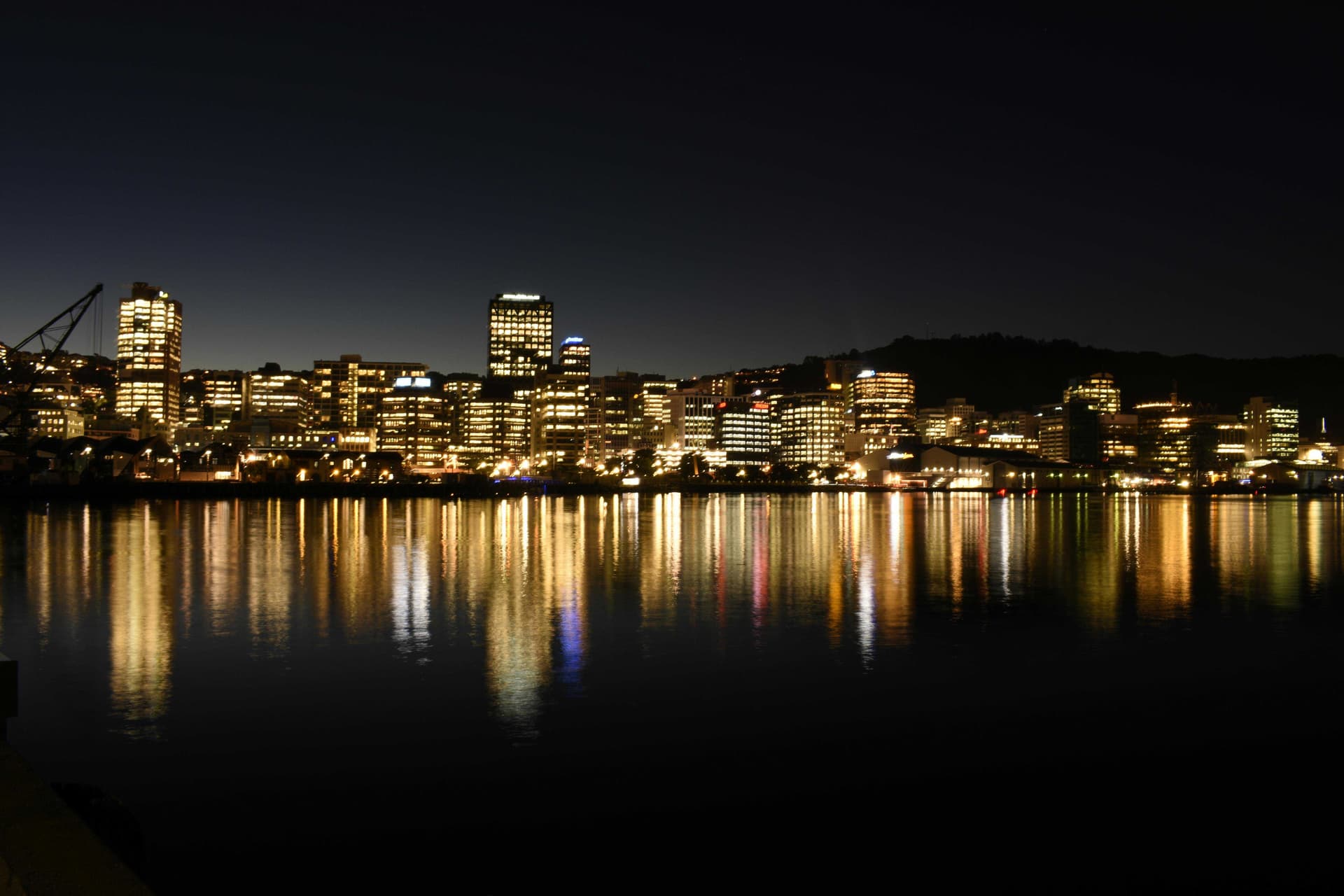
Nestled between a sparkling harbour and rolling green hills, Wellington is New Zealand's compact and captivating capital. Affectionately known as…

#Capital City#Cultural Hub#Waterfront#Hiking Trails#Craft Beer

Top Hotels in Wellington

Top Flights to Wellington

Flying from

Top Activities in Wellington

Highlights

Things to do in Wellington

What travellers talk about most.

Tours

Te Papa Museum Visit

Discover New Zealand’s history, art, and culture at the innovative Te Papa Museum.

4.7(26.3k)

Wellington Cable Car and Botanic Garden

Ride the iconic Wellington Cable Car to the Botanic Garden and enjoy panoramic views of the city and harbor.

4.6(10.3k)NZD 12

Weta Workshop Tour

Go behind the scenes at Weta Workshop, known for its film prop and effects artistry.

4.6(4.7k)NZD 55

Shopping

Cuba Street Shopping

Experience Wellington’s bohemian heart with a mix of vintage shops, local boutiques, cafes, and lively street performances.

Outdoor

Zealandia Wildlife Sanctuary

Visit the world’s first fully-fenced urban eco-sanctuary and see rare wildlife.

NZD 24

See it for yourself

Location videos

Reels and longer watches.

Featured for Wellington

Traveller clips picked out for this place.

Watch & explore

Good to know

Practical info

Weather, costs and getting around.

Wellington, Wellington, New Zealand Open in Google Maps
When to go

Scored from each month’s typical high and its usual conditions.

GoodMixedAvoid
Best monthsSep – May
Worth avoidingJun – Aug
November · cloudHigh 17°C Low 11°C
Good

Wellington, New Zealand, experiences a mild maritime climate. Summers are warm with temperatures ranging from 20-25°C (68-77°F), while winters are cool with temperatures around 6-12°C (43-54°F). The city is known for its windy conditions, so be prepared for gusty winds throughout the year. Rainfall is spread fairly evenly throughout the year, so it's a good idea to pack layers and a waterproof jacket when visiting Wellington.

All 12 monthshighs, lows and conditions
Jan
sun
20°14°
Feb
sun
20°14°
Mar
sun
19°13°
Apr
cloud
17°11°
May
cloud
15°9°
Jun
rain
13°7°
Jul
rain
12°6°
Aug
rain
13°7°
Sep
cloud
15°9°
Oct
cloud
16°10°
Nov
cloud
17°11°
Dec
sun
19°13°
Currency
$ | NZD | New Zealand Dollar
Population
216,200 (2023)
Density
746 / km²
Local time
Languages
English mainly · Maori, Samoan, French, Mandarin, Hindi
Budget / day
$120 - $500
Also known as
Port Nicholson (historical name), Te Whanganui-a-Tara (Māori name), Pōneke (Māori name)

Know before you go

Local guide

A deeper read on Wellington.

What people love

Wellington is a highly walkable, compact city that seamlessly blends urban sophistication with stunning natural beauty. It boasts a world-class culinary scene, famous for its exceptional coffee, craft beer, and diverse dining options. The city is New Zealand's cultural capital, offering free access to the incredible Te Papa museum, alongside a thriving arts, theater, and live music scene. Nature is always close by, with beautiful harbor views, accessible beaches, and excellent hiking trails like Mount Victoria and the Zealandia Ecosanctuary right on the city's doorstep.

What to know

The most notable drawback to Wellington is its notoriously unpredictable weather. Nicknamed "Windy Wellington," the city frequently experiences strong gusts and sudden temperature drops, even in summer. Accommodation and dining can be relatively expensive compared to other New Zealand towns, stretching budget travelers. Additionally, the city's hilly terrain means that walking outside the central business district often involves navigating steep inclines and numerous stairs. Finally, as it sits on a major fault line, earthquakes are a known risk, which can be unsettling for some visitors.

Wellington, the vibrant capital of New Zealand, boasts a rich and dynamic history that stretches back centuries before European arrival. According to Māori tradition, the area was first discovered by the legendary Polynesian explorer Kupe. Later, it was settled by Tara, the son of Whatonga, and the harbor became known as Te Whanganui-a-Tara (the great harbor of Tara). For generations, various Māori iwi (tribes), including Ngāti Ira, inhabited the region. In the 1820s and 1830s, the Musket Wars prompted significant demographic shifts, leading to the arrival of iwi such as Ngāti Toa and Te Ātiawa, who established pā (fortified villages) around the harbor.

European settlement began in earnest in 1839 when the New Zealand Company, led by Colonel William Wakefield, arrived on the ship Tory to purchase land for a planned colony. The first immigrant ship, the Aurora, arrived in early 1840. The settlers initially established their town, named Britannia, at the mouth of the Hutt River in present-day Petone. However, severe flooding soon forced them to relocate to the more sheltered shores of Lambton Harbour, the site of the modern central business district. The new settlement was named Wellington in honor of Arthur Wellesley, the first Duke of Wellington, who had supported the New Zealand Company's colonization efforts.

The city's physical landscape was dramatically altered by seismic activity. The 1848 Marlborough earthquake caused significant damage, but it was the massive 1855 Wairarapa earthquake that truly reshaped Wellington. The quake raised the local landmass by up to three meters, turning swamps into usable land and providing a natural foundation for extensive land reclamation projects that would eventually expand the city's waterfront and central business district over the next century.

In 1865, Wellington achieved a major milestone when it replaced Auckland as the capital of New Zealand. The move was driven by Wellington's central geographical location, which helped unite the North and South Islands during a period when the wealthy South Island was threatening to form a separate colony. The establishment of the government brought rapid growth, infrastructure development, and the construction of iconic landmarks like the Government Buildings.

Throughout the 20th century, Wellington evolved into a bustling cultural and economic hub. The iconic Wellington Cable Car opened in 1902, connecting the city center to the hill suburb of Kelburn. In recent decades, the city has transformed into a creative powerhouse, earning the nickname "Wellywood" due to the global success of Sir Peter Jackson's Wētā Workshop and the local film industry. Today, Wellington is celebrated for its thriving arts scene, historic architecture, and the national museum, Te Papa Tongarewa, which beautifully preserves the diverse heritage of Aotearoa.

Traveler ratings

How Wellington rates

From verified Travafa trips.

5.0
Very good
Based on 2 ratings
Things to Do
4.8
Accommodation Quality
4.3
Local Transportation
4.8
Safety
5.0
Scenic Beauty
4.5
Shopping
4.5
Friendliness of People
5.0
Cleanliness
4.8
Value for Money
3.5
Internet Connectivity
4.3
Good for
100%
Friends
100%
Family
100%
Couple
100%
Solo
0%
Pets

Who is Wellington for?

By the travellers who rated it on Travafa. Each page states the places, months and budget for that kind of trip.