
Top hotels & flights
Hand-picked stays and the best fares into Volta.
Top Hotels in Volta
Top Flights to Volta
Location videos
Real reels from travelers, plus longer watches to get the full picture.
Practical info
The essentials for planning your time in Volta.
Local guide
What travelers love, what to watch for, and a deeper read on Volta.
What people love
Volta is a region in southeastern Ghana known for its natural beauty, cultural heritage, and outdoor activities. Here are some pros of traveling to Volta, Ghana:
-
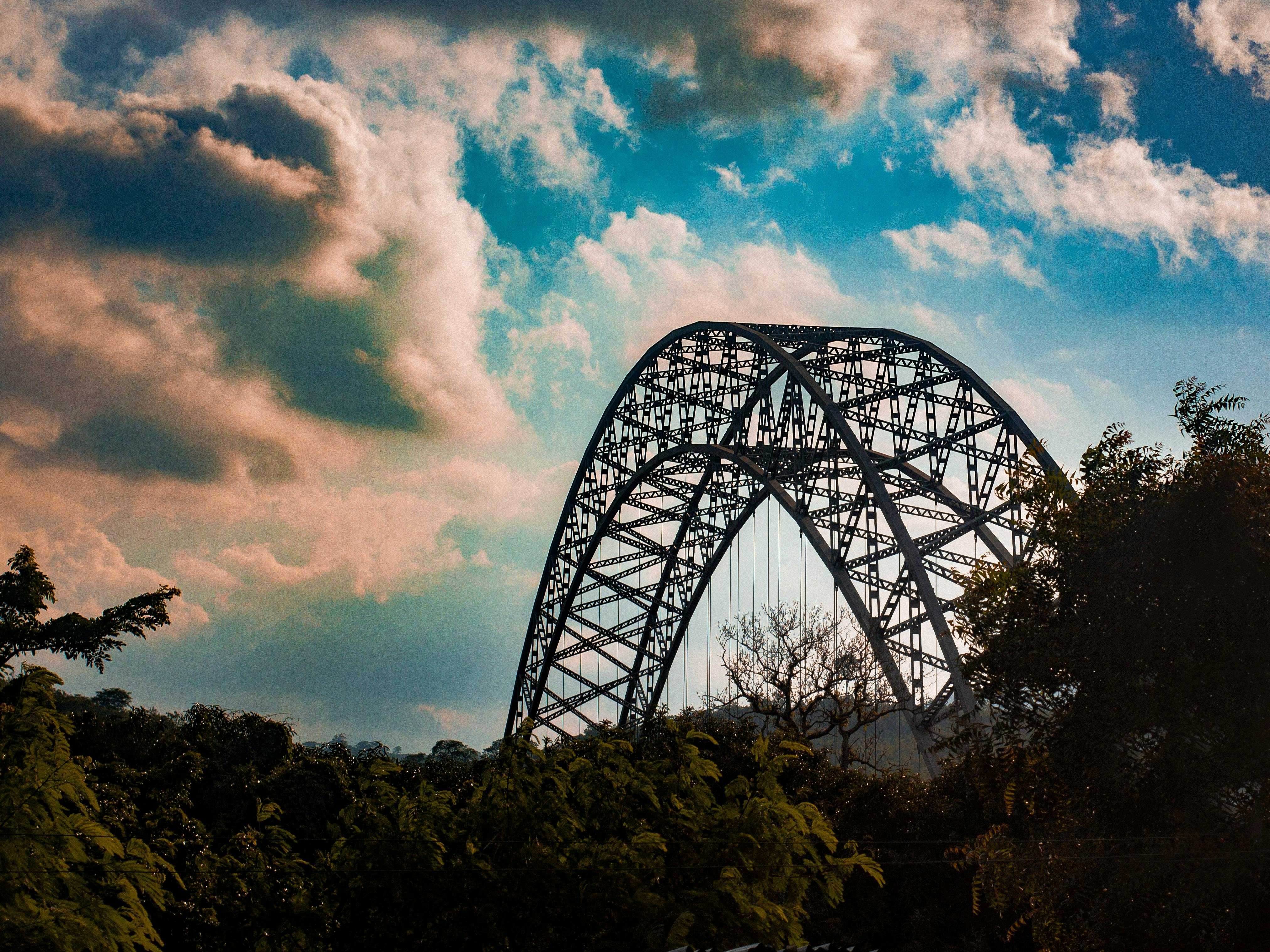
Beautiful Scenery: Volta is home to stunning landscapes, including the Volta River, Akosombo Dam, and Wli Waterfalls, which are the highest waterfalls in West Africa. The region also boasts lush forests, rolling hills, and picturesque villages.
-
Cultural Diversity: Volta is known for its rich cultural heritage, with various ethnic groups, such as the Ewe, Guan, and Akan people, each contributing to the region's vibrant traditions, music, dance, and festivals.
-
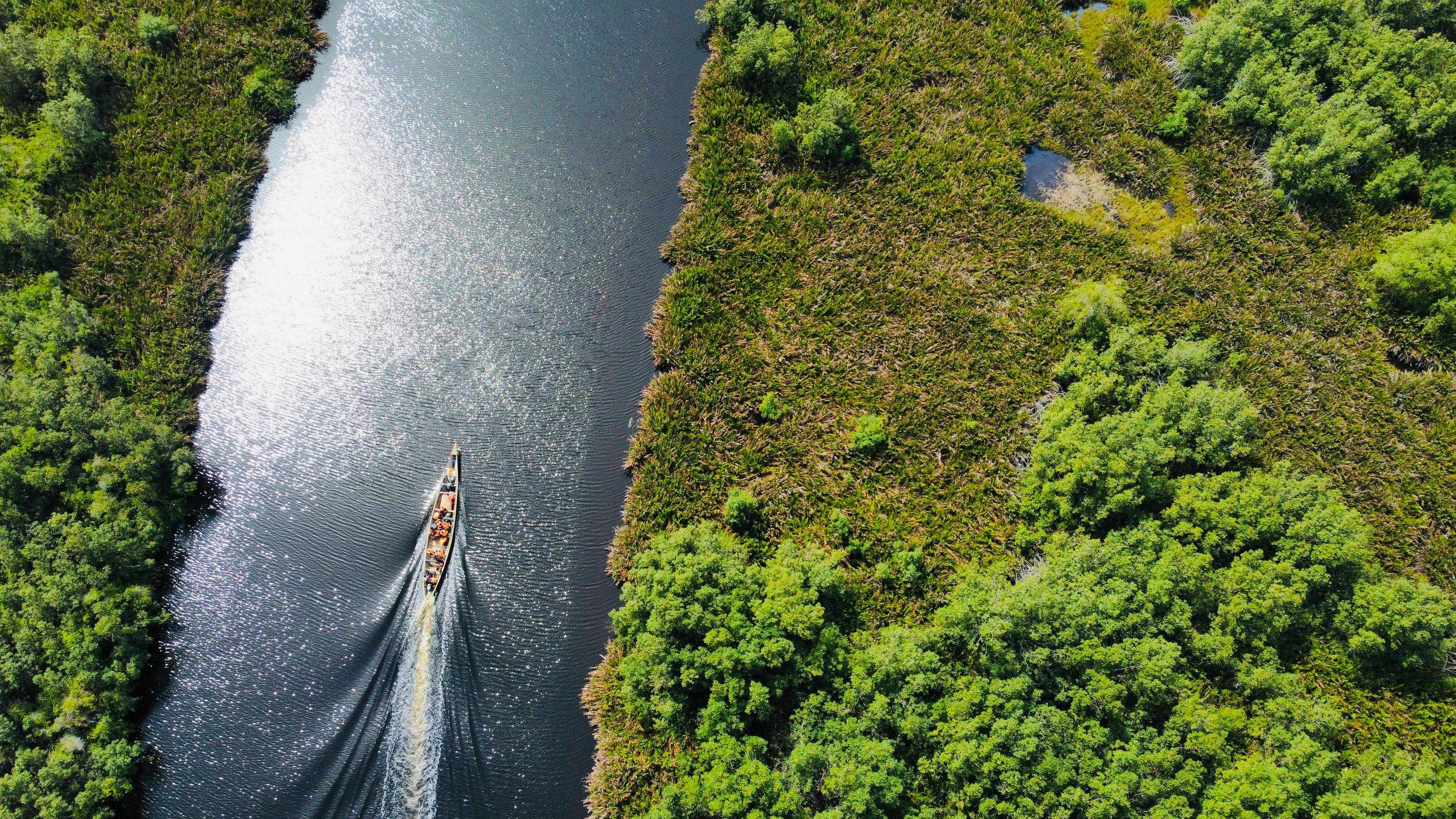
Outdoor Activities: Volta offers a wide range of outdoor activities for nature enthusiasts and adventure seekers. Visitors can enjoy hiking in the mountains, birdwatching in the forests, boat cruises on the Volta River, and water sports on Lake Volta.
-
Historical Sites: Volta is home to several historical sites, including the Tafi Atome Monkey Sanctuary, where visitors can interact with friendly monkeys, and the Fort Prinzenstein, a colonial-era fort that served as a trading post during the transatlantic slave trade.
-
Community-Based Tourism: Volta is known for its community-based tourism initiatives, where visitors can stay in local guesthouses, participate in cultural activities, and support sustainable development projects that benefit the local communities.
Overall, traveling to Volta, Ghana, offers a unique opportunity to experience the region's natural beauty, cultural diversity, and rich history while engaging in outdoor activities and supporting local communities.
What to know
Traveling to the Volta Region in Ghana can be a rewarding experience due to its beautiful landscapes, cultural heritage, and friendly people. However, there are some potential drawbacks or challenges that travelers might face:
-
Infrastructure: Some parts of the Volta Region may have underdeveloped infrastructure. Roads can be in poor condition, especially during the rainy season, which can make travel within the region challenging.
-
Public Transportation: Public transportation options might be limited or not as reliable as in larger cities. This could make it difficult to navigate the region without a private vehicle or arranged tours.
-
Healthcare Facilities: While there are healthcare facilities in the region, they may not be as well-equipped as those in larger urban centers. In case of medical emergencies, access to advanced medical care might require traveling to a bigger city.
-
Connectivity: Internet and mobile connectivity can be spotty in more remote areas. This might be an issue for travelers who need to stay connected for work or personal reasons.
-
Accommodation Options: While there are hotels and guesthouses in the region, the variety and quality may vary. In less touristy areas, accommodation options might be basic.
-
Cultural Sensitivity: As with any travel destination, it's important to be culturally sensitive. Travelers should be aware of local customs and traditions to ensure respectful interactions with the local population.
-
Weather Conditions: The climate in the Volta Region can be hot and humid. Travelers should be prepared for the weather and take necessary precautions to stay hydrated and protected from the sun.
-
Safety Concerns: While generally safe, travelers should still exercise standard precautions regarding personal safety and belongings, especially in unfamiliar or isolated areas.
These challenges can be managed with proper planning and preparation. It's always a good idea to research and plan ahead to ensure a smooth and enjoyable travel experience.


