
Ghana
· GH

Ghana

Ghana

Discover the Soul of West Africa: Adventure Awaits in Ghana! Ghana, the land of warm smiles and vibrant culture, beckons you to experience the heart of West Africa. More than just a destination, Ghana is a feeling. It's …

#West Africa#Accra#Gold Coast#Cocoa production#Kente cloth
1/4

Top hotels & flights

Hand-picked stays and the best fares into Ghana.

Top Hotels in Accra

Top Flights to Accra

Popular activities

Tours, tickets and experiences travelers book most in Ghana.

Tours

Explore the Cape Coast Castle

Visit one of the most important historical sites in Ghana, the Cape Coast Castle, a symbol of the trans-Atlantic slave trade.

Shopping

Accra Arts and Crafts Market

Shop for authentic Ghanaian crafts, jewelry, and art at the bustling Accra Arts and Crafts Market.

Outdoor

Kakum National Park Canopy Walk

Experience a thrilling walk on the canopy walkway that is suspended high above the forest floor at Kakum National Park.

Mole National Park Safari

Go on a safari tour to see elephants, antelopes, and other wildlife in their natural habitat at Mole National Park.

Location videos

Real reels from travelers, plus longer watches to get the full picture.

From travelers
Watch & explore

Practical info

The essentials for planning your time in Ghana.

Currency
GH₵ | GHS | Ghanaian Cedi
Population
31.1 million
Languages
English, Twi, Fante, Ewe, Ga, Dagbani, Hausa
Average weather
Ghana
Jan
sun
32°23°
Feb
sun
33°24°
Mar
sun
33°24°
Apr
rain
32°24°
May
rain
31°23°
Jun
rain
29°23°
Jul
cloud
28°22°
Aug
cloud
28°22°
Sep
rain
29°22°
Oct
rain
30°23°
Nov
sun
31°23°
Dec
sun
32°23°

Local guide

What travelers love, what to watch for, and a deeper read on Ghana.

What people love

There are several pros of traveling to Ghana:

  1. Rich culture and heritage: Ghana is known for its diverse culture and history, with vibrant traditions and festivals that showcase the country's heritage.

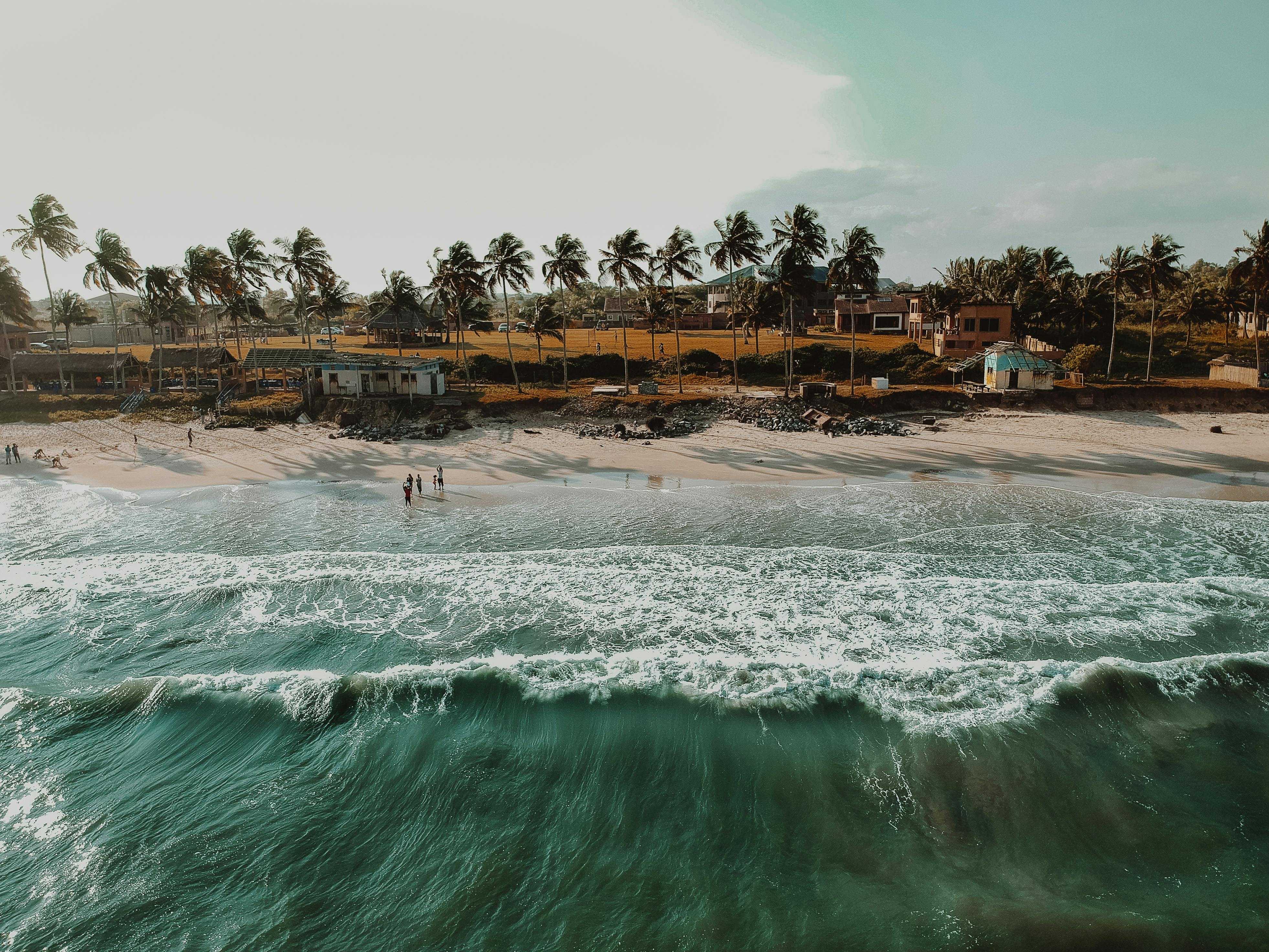
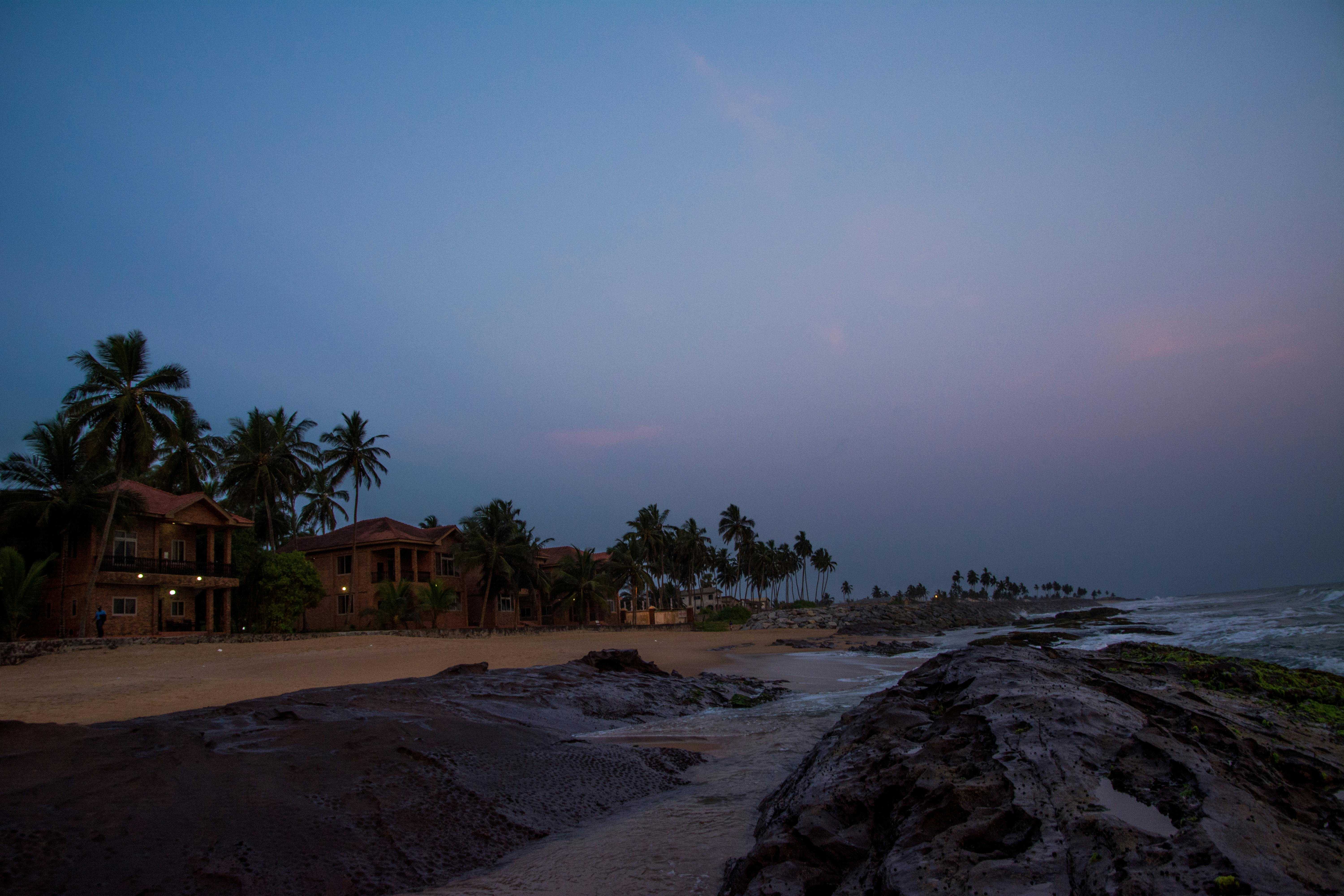
  2. Beautiful landscapes: From stunning beaches along the coastline to lush rainforests and national parks, Ghana offers a variety of natural landscapes to explore.

  3. Friendly locals: Ghanaians are known for their warm hospitality and welcoming nature, making visitors feel right at home.

  4. Delicious cuisine: Ghanaian cuisine is flavorful and diverse, with dishes like jollof rice, fufu, and kelewele that offer a unique culinary experience.

  5. Historical sites: Ghana is home to several historical sites, including the Cape Coast Castle and Elmina Castle, which are UNESCO World Heritage sites that offer insights into the country's past.

  6. Wildlife viewing: Ghana is home to several national parks and wildlife reserves where visitors can see a variety of animals, including elephants, hippos, and monkeys.

Overall, traveling to Ghana offers a rich cultural experience, stunning landscapes, friendly locals, delicious food, historical sites, and opportunities for wildlife viewing.

What to know

Some potential cons of traveling to Ghana include:

  1. Malaria risk: Ghana is a country where malaria is prevalent, especially in certain regions. Travelers may need to take anti-malarial medication and use mosquito repellent to reduce the risk of contracting the disease.

  2. Infrastructure challenges: While major cities like Accra have modern amenities, rural areas in Ghana may lack adequate infrastructure such as reliable transportation, healthcare facilities, and access to clean water.

  3. Petty crime: Like in many countries, petty crime such as pickpocketing and scams can occur, especially in crowded areas and tourist hotspots. Travelers should remain vigilant and take precautions to safeguard their belongings.

  4. Traffic congestion: Traffic congestion can be an issue in major cities like Accra, leading to delays and frustration for travelers trying to get around.

  5. Language barrier: While English is widely spoken in Ghana, there are also many local languages spoken throughout the country. Communicating with locals in rural areas may be challenging for travelers who do not speak the local dialect.

  6. Cultural norms: Travelers should be aware of and respect Ghanaian cultural norms and customs, such as appropriate dress and behavior, to avoid inadvertently causing offense.

It's important to note that these are general considerations and individual experiences may vary. It's always a good idea to research and prepare thoroughly before traveling to any destination.

Ghana, located in West Africa along the Atlantic Ocean and the Gulf of Guinea, has a rich and diverse history marked by a series of significant events, influential historical figures, and important landmarks.

Pre-Colonial History

  1. Ancient Kingdoms: Before the arrival of Europeans, Ghana was home to several powerful empires and kingdoms. Among the most notable were the Ghana Empire (not located in present-day Ghana), the Mali Empire, and the Songhai Empire. The area that is now Ghana was primarily inhabited by the Akan, Mole-Dagbon, and Ewe peoples, among others.

  2. The Akan States: By the 13th century, the Akan people began establishing states in the region, such as the Ashanti Empire, which became one of the most significant pre-colonial African states due to its military prowess and wealth, derived largely from the gold trade.

European Contact and Colonial Era

  1. Arrival of Europeans: In 1471, the Portuguese were the first Europeans to arrive in the region, calling it the Gold Coast due to its rich reserves of gold. Over time, other European powers, including the Dutch, British, and Danes, established trading posts and forts along the coast, primarily for the gold trade and later the transatlantic slave trade.

  2. British Colonization: By the late 19th century, the British had established control over the Gold Coast through a series of treaties and military conquests. In 1874, the British formally declared the Gold Coast a crown colony.

Path to Independence

  1. Nationalism and Independence Movement: The early 20th century saw the rise of nationalist movements. Kwame Nkrumah emerged as a key figure in the struggle for independence. He founded the Convention People's Party (CPP) and led the push for self-government.

  2. Independence: On March 6, 1957, the Gold Coast became the first sub-Saharan African country to gain independence from colonial rule, and it was renamed Ghana, after the ancient Ghana Empire. Kwame Nkrumah became its first Prime Minister and later the first President when Ghana became a republic in 1960.

Post-Independence Era

  1. Nkrumah's Rule: Nkrumah's leadership was marked by ambitious industrialization and modernization projects, as well as a strong Pan-African stance. However, his government faced criticism for its authoritarian tendencies and economic difficulties.

  2. Military Coups and Instability: In 1966, Nkrumah was overthrown in a military coup. The following decades were marked by a series of military and civilian governments, coups, and political instability.

  3. Return to Democracy: In 1992, Ghana adopted a new constitution, and multi-party democracy was restored. Jerry John Rawlings, who had led previous military governments, was elected as President and served two terms.

Recent Developments

  1. Democratic Consolidation: Since the 1990s, Ghana has been noted for its stable democratic governance and peaceful transitions of power. It is often considered one of the most stable and democratic nations in Africa.

Significant Historical Figures

  • Kwame Nkrumah: Leader of the independence movement and first President of Ghana.
  • Jerry John Rawlings: Former military ruler who later became an elected President, playing a crucial role in Ghana's return to democracy.

Important Landmarks

  • Cape Coast Castle: A UNESCO World Heritage site, it was one of the most significant slave trade forts.
  • Elmina Castle: Another historic fort involved in the transatlantic slave trade.
  • Kakum National Park: Known for its rainforest and canopy walkway.
  • Independence Arch and Black Star Square: Located in Accra, symbolizing Ghana's independence.
  • Kwame Nkrumah Mausoleum: The final resting place of Ghana's first President.

Ghana continues to play a significant role in regional and international affairs, known for its rich cultural heritage, vibrant democracy, and economic potential.