Uusimaa
· FI

Uusimaa

Uusimaa, Finland

Discover Uusimaa: Where Finnish History Meets Modern Charm Nestled on the south coast of Finland, Uusimaa offers a captivating blend of historical grandeur, vibrant city life, and breathtaking natural beauty. This region…

#Southern Finland#Coastal region#Helsinki metropolitan area#Archipelago#Cultural hub
1/8

Top hotels & flights

Hand-picked stays and the best fares into Uusimaa.

Top Hotels in Uusimaa

Top Flights to Uusimaa

Popular activities

Tours, tickets and experiences travelers book most in Uusimaa.

Tours

Helsinki City Tour

Explore the vibrant city of Helsinki with guided tours that take you to iconic landmarks like the Helsinki Cathedral and Market Square.

Porvoo Old Town Visit

Step back in time as you stroll through one of Finland’s oldest towns, with charming wooden houses and cobblestone streets.

Suomenlinna Island Fortress

Visit the historic sea fortress of Suomenlinna, a UNESCO World Heritage site offering museums, parks, and stunning views of the Helsinki archipelago.

Fiskars Village Experience

Explore the artistic and historical charm of Fiskars Village, known for its artisan shops and beautiful surroundings.

Shopping

Shopping in Kamppi

Dive into a shopping spree in Kamppi, Helsinki’s central shopping district offering a mix of international and Finnish brands.

Outdoor

Nuuksio National Park Adventure

Experience the Finnish wilderness with hiking and wildlife spotting in Nuuksio National Park.

Hiking in Sipoonkorpi

Discover the tranquil forests and rich biodiversity of Sipoonkorpi National Park through guided hikes and nature trails.

Location videos

Real reels from travelers, plus longer watches to get the full picture.

Watch & explore

Practical info

The essentials for planning your time in Uusimaa.

Currency
€ | EUR | Euro
Population
1.7 million
Languages
Finnish, Finnish, Swedish

Local guide

What travelers love, what to watch for, and a deeper read on Uusimaa.

What people love

Uusimaa is a diverse and vibrant region located in southern Finland, which includes the capital city of Helsinki. Here are some pros of traveling to Uusimaa:

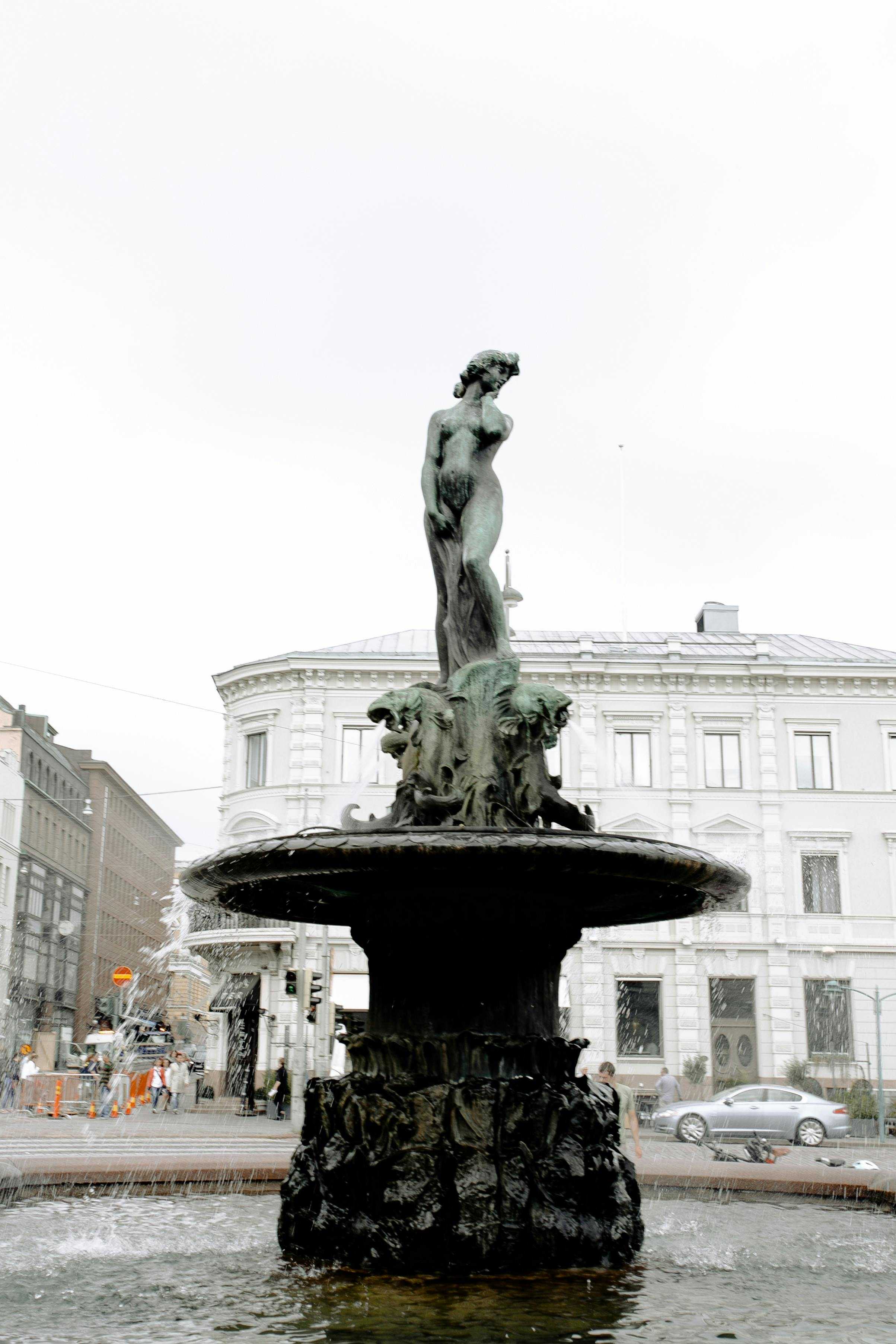
  1. Helsinki: Uusimaa is home to the capital city of Helsinki, which offers a unique blend of modern architecture, historical sites, cultural attractions, and vibrant nightlife. Visitors can explore iconic landmarks such as the Helsinki Cathedral, Suomenlinna Sea Fortress, and the Design District.

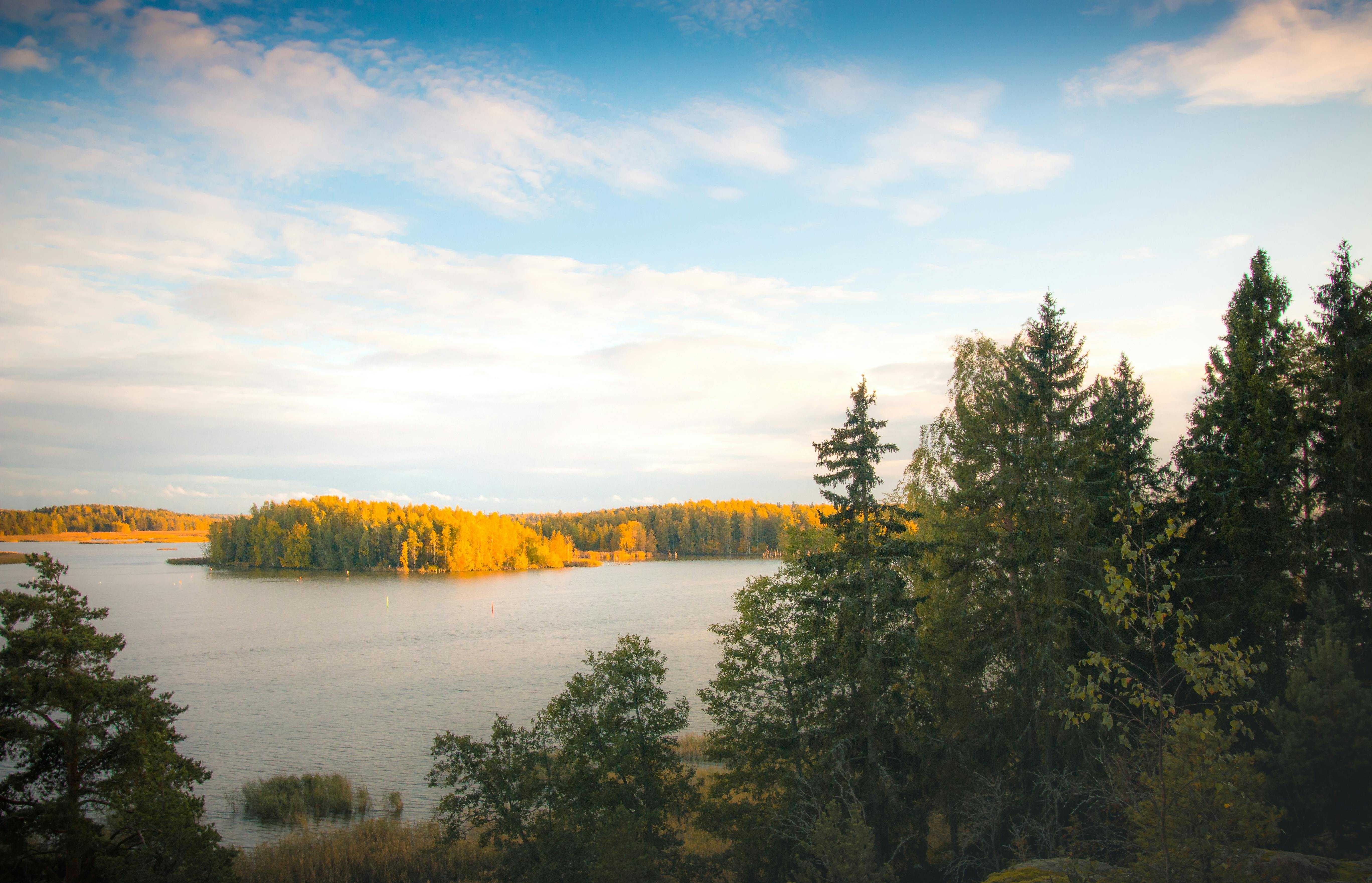
  2. Natural Beauty: Uusimaa boasts stunning natural landscapes, including the archipelago of the Gulf of Finland, lush forests, and picturesque lakes. Visitors can enjoy outdoor activities such as hiking, biking, fishing, and kayaking in the region's many parks and nature reserves.

  3. Cultural Heritage: Uusimaa has a rich cultural heritage, with numerous museums, art galleries, and historical sites to explore. Visitors can learn about Finland's history at the National Museum of Finland, Ateneum Art Museum, and Seurasaari Open-Air Museum.

  4. Local Cuisine: Uusimaa offers a diverse culinary scene, with many restaurants serving traditional Finnish dishes made from locally sourced ingredients. Visitors can sample delicious Finnish specialties such as reindeer stew, smoked salmon, and cinnamon buns.

  5. Accessibility: Uusimaa is well-connected by public transportation, making it easy for visitors to explore the region and neighboring areas. Helsinki-Vantaa Airport serves as a major gateway to Uusimaa, with regular flights to domestic and international destinations.

Overall, traveling to Uusimaa offers a unique opportunity to experience the best of Finnish culture, nature, and hospitality in a dynamic and welcoming region.

What to know

Uusimaa is a region in southern Finland that encompasses the capital city, Helsinki, and its surrounding areas. While Uusimaa is a popular destination for travelers due to its rich culture, history, and natural beauty, there are some potential cons to consider:

  1. Expensive cost of living: Uusimaa, particularly Helsinki, is known for being one of the most expensive regions in Finland. Travelers may find that accommodation, dining, and transportation costs are higher compared to other parts of the country.

  2. Crowded tourist attractions: Helsinki and other popular destinations in Uusimaa can get crowded, especially during peak tourist seasons. This may lead to longer wait times, difficulty finding accommodations, and a less peaceful travel experience.

  3. Language barrier: While many people in Uusimaa, especially in urban areas, speak English fluently, Finnish and Swedish are the official languages of the region. Travelers who do not speak these languages may face challenges communicating with locals.

  4. Weather: Uusimaa experiences cold, dark winters with limited daylight hours. Travelers visiting during the winter months should be prepared for snow, cold temperatures, and the potential for disruptions to transportation and sightseeing plans.

  5. Seasonal variations: The region experiences significant seasonal variations, with warm summers and cold winters. Travelers should plan their visit accordingly to make the most of the weather and outdoor activities available.

Overall, while Uusimaa offers a wealth of attractions and experiences for travelers, it is important to be aware of these potential cons and plan accordingly to ensure a smooth and enjoyable trip.

Uusimaa, also known as Nyland in Swedish, is a region on the southern coast of Finland. It is historically significant and has played a crucial role in Finnish history due to its location by the Gulf of Finland, its fertile lands, and its proximity to major trade routes.

Early History

  • Prehistoric Era: Uusimaa has been inhabited since the Stone Age, as evidenced by archaeological findings. The region's fertile lands and coastal location made it attractive to early settlers.
  • Middle Ages: Uusimaa became more prominent during the Middle Ages with the establishment of trade routes. Swedish settlers began arriving in the 12th and 13th centuries, which influenced the region's culture and language significantly.

Swedish Rule

  • 13th-19th Century: Under Swedish rule, Uusimaa developed into an important region. The area was organized into administrative parishes, and several towns were established, including Helsinki in 1550, which later became the capital of Finland.
  • Significant Events: During the Swedish era, Uusimaa was often involved in conflicts, particularly during the Northern Wars and the Great Northern War, which affected the stability and development of the region.

Russian Rule

  • 1809-1917: Following the Finnish War, Uusimaa became part of the Grand Duchy of Finland under Russian control. Helsinki was made the capital of the Grand Duchy in 1812, increasing its importance within Finland and leading to significant urban development.

Independence and Modern Era

  • 1917: Finland declared independence from Russia, and Uusimaa became a part of the newly independent state.
  • 20th Century: During the Winter War (1939-1940) and the Continuation War (1941-1944), Uusimaa was strategically significant, and Helsinki was bombed several times.
  • Post-War Period: Post-World War II, Uusimaa experienced rapid industrial growth and urbanization, with Helsinki developing into a major European city.

Important Landmarks

  • Helsinki Cathedral: An iconic symbol of Helsinki, completed in 1852.
  • Suomenlinna Fortress: A UNESCO World Heritage site, built in the 18th century to protect against Russian expansion.
  • Porvoo Old Town: One of Finland's oldest towns, with well-preserved wooden buildings and cobblestone streets.
  • Espoo’s Nuuksio National Park: A natural landmark offering a glimpse into Finland's pristine wilderness.

Notable Figures

  • Carl Ludvig Engel: An architect responsible for designing much of the neoclassical architecture in Helsinki.
  • Jean Sibelius: Finland's most famous composer, who lived in Järvenpää, Uusimaa.
  • Tarja Halonen: Former President of Finland, originally from Helsinki.

Uusimaa continues to be a central region in Finland, known for its vibrant cities, historical landmarks, and beautiful landscapes. It remains a cultural and economic hub, attracting millions of visitors each year.