Finland
· FI

Finland

Finland

Embrace the Magic of Finland: Where Midnight Sun Meets Northern Lights Finland, a land of enchanting contrasts, invites you to experience its unique charm. Here, vibrant cities seamlessly blend with pristine nature, offe…

#Northern Europe#Scandinavia#Helsinki#Saunas#Midnight Sun
1/23

Top hotels & flights

Hand-picked stays and the best fares into Finland.

Top Hotels in Helsinki

Top Flights to Helsinki

Popular activities

Tours, tickets and experiences travelers book most in Finland.

Tours

Explore Helsinki's Historic Landmarks

Tour the neoclassical architecture and historic landmarks in Finland's capital city of Helsinki.

Shopping

Shopping in Helsinki Design District

Explore the Finnish design and shop for unique souvenirs and fashion items.

Outdoor

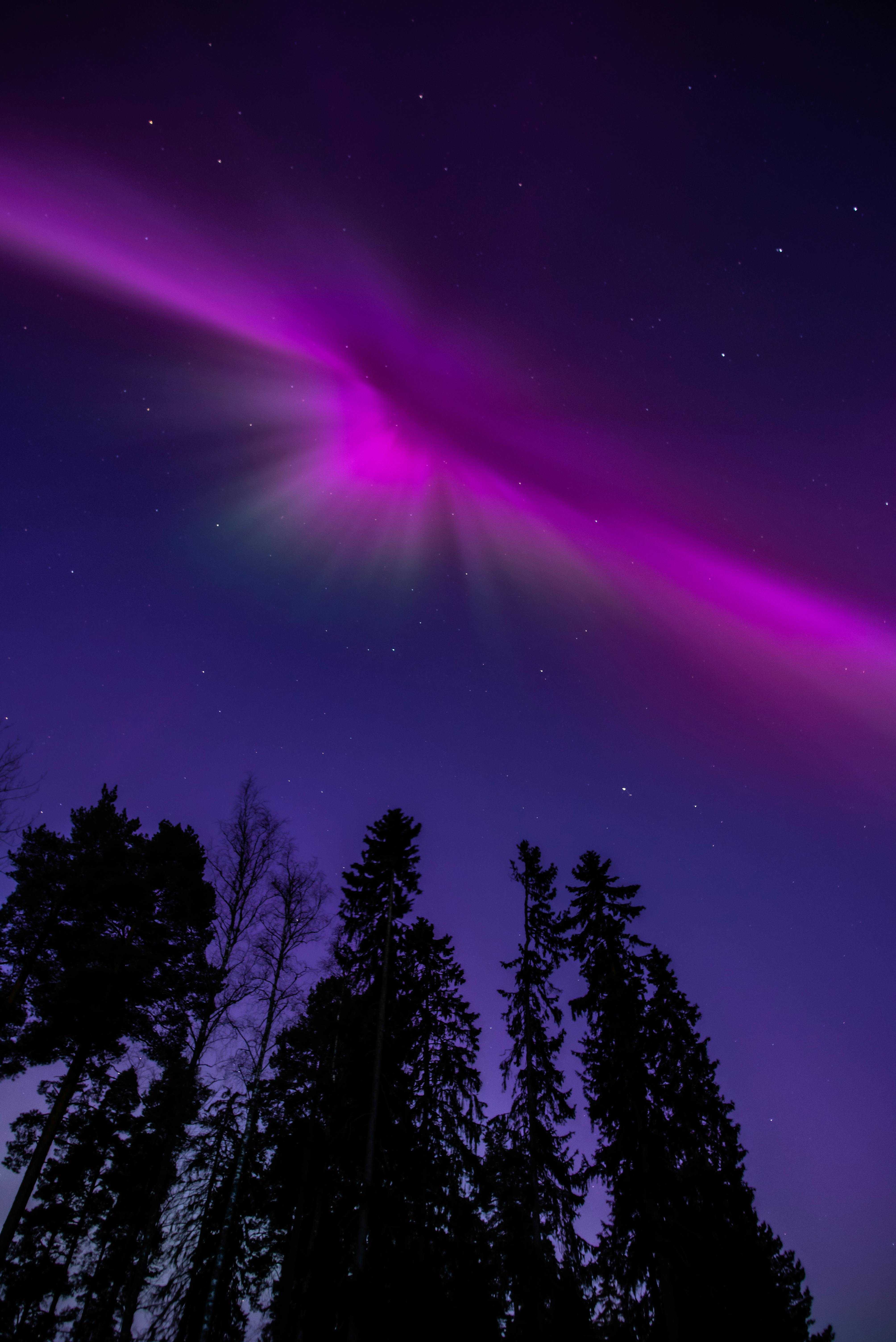
Lapland Northern Lights Adventure

Experience the magic of the Northern Lights in Finland's Lapland region.

Location videos

Real reels from travelers, plus longer watches to get the full picture.

From travelers
Watch & explore

Practical info

The essentials for planning your time in Finland.

Currency
€ | EUR | Euro Finland
Population
5.5 million
Languages
Finnish, Swedish, Sami, Romani
Average weather
Finland
Jan
snow
-6°-14°
Feb
snow
-5°-13°
Mar
snow
0°-8°
Apr
cloud
5°-3°
May
cloud
12°2°
Jun
clear
18°8°
Jul
sun
21°12°
Aug
sun
19°11°
Sep
cloud
13°6°
Oct
rain
7°1°
Nov
snow
1°-4°
Dec
snow
-3°-10°

Local guide

What travelers love, what to watch for, and a deeper read on Finland.

What people love

Finland is a beautiful country with a lot to offer tourists. Here are some of the pros of traveling to Finland:

  1. Stunning Nature: Finland is known for its breathtaking natural landscapes, including vast forests, thousands of lakes, and the stunning Northern Lights in Lapland. Outdoor enthusiasts will enjoy activities such as hiking, fishing, skiing, and wildlife watching.

  2. Sauna Culture: Finland is famous for its sauna culture, with an estimated 2 million saunas in the country. Visitors can experience traditional Finnish saunas, which are great for relaxation and socializing.

  3. Clean and Safe Environment: Finland is known for its clean air, water, and environment. It consistently ranks high in global indexes for safety and quality of life, making it a great destination for travelers looking for a peaceful and secure environment.

  4. Unique Culture: Finland has a rich cultural heritage, including traditional music, dance, and folklore. Visitors can also learn about the indigenous Sami culture in Lapland and explore the country's history through its museums and historic sites.

  5. Design and Architecture: Finland is known for its innovative design and architecture, with famous designers such as Alvar Aalto and Eero Saarinen hailing from the country. Visitors can admire modern and historic architecture in cities like Helsinki and explore unique Finnish design in shops and galleries.

Overall, traveling to Finland offers a unique and enriching experience for visitors looking to explore nature, culture, and design in a safe and beautiful country.

What to know

There are a few potential cons to traveling to Finland that you may want to consider:

  1. Weather: Finland has long, cold winters with short days and limited sunlight, which can be challenging for some travelers. The weather can be unpredictable and temperatures can drop significantly, especially in the northern parts of the country.

  2. Cost: Finland is known to be an expensive country to visit, with high prices for accommodation, food, and activities. Travelers may find themselves spending more than they anticipated during their stay in Finland.

  3. Language Barrier: While many Finns speak English, especially in tourist areas, the official language is Finnish which can be difficult for travelers to navigate if they do not speak the language. This can sometimes lead to challenges in communication and understanding local customs.

  4. Limited Daylight: In the winter months, Finland experiences very short days with only a few hours of daylight. This can impact your ability to explore outdoor activities and sightseeing during your trip.

  5. Remote Locations: If you plan to visit some of the more remote regions of Finland, be aware that services and amenities may be limited. It's important to plan ahead and be prepared for potential challenges in these areas.

Overall, Finland is a beautiful country with a lot to offer travelers, but it's important to be aware of these potential cons when planning your trip.

Finland, officially the Republic of Finland, is a Nordic country located in Northern Europe. Its history is marked by various periods of foreign rule, struggles for independence, and the development of a modern, prosperous society.

Prehistory and Early History

  • Stone Age: Human settlement in Finland dates back to around 8500 BCE, following the retreat of the glaciers after the last Ice Age.
  • Bronze Age (1500–500 BCE) and Iron Age (500 BCE–1200 CE): The population engaged in agriculture, hunting, and fishing. Trade with surrounding regions, including Scandinavia and the Baltic area, began to develop.

Swedish Rule (1150s–1809)

  • Crusades and Swedish Influence: In the 12th century, Swedish crusades and expansion led to the incorporation of Finnish territories into the Swedish realm. The spread of Christianity accompanied this integration.
  • Establishment of Turku (Åbo): Turku, the oldest city in Finland, became the center of administration and culture during the Swedish period.
  • The Kalmar Union (1397–1523): A series of personal unions between Sweden, Denmark, and Norway, during which Finland remained under Swedish control.
  • The Protestant Reformation (16th century): Finland, as part of Sweden, adopted Lutheranism, leading to significant cultural and educational reforms.

Russian Rule (1809–1917)

  • The Finnish War (1808–1809): Resulted in Sweden ceding Finland to Russia. Finland became an autonomous Grand Duchy within the Russian Empire.
  • Rise of Finnish Nationalism: The 19th century saw a growing sense of Finnish national identity, partly fueled by the publication of the "Kalevala," Finland's national epic, compiled by Elias Lönnrot.
  • Russification Policies: In the late 19th and early 20th centuries, Russia attempted to integrate Finland more closely, leading to resistance and increased nationalist sentiment.

Independence and the 20th Century

  • Independence (1917): Finland declared independence from Russia on December 6, 1917, following the Russian Revolution.
  • Finnish Civil War (1918): A brief but bloody conflict between the "Reds" (socialists) and the "Whites" (conservatives). The Whites, led by General Carl Gustaf Emil Mannerheim, emerged victorious.
  • Winter War (1939–1940) and Continuation War (1941–1944): Finland fought two wars against the Soviet Union during World War II. Although Finland ceded territory, it maintained its independence.
  • Post-War Era: Finland pursued a policy of neutrality and maintained a careful balance between East and West during the Cold War.

Modern Era

  • European Integration: Finland joined the European Union in 1995, further integrating with Western Europe.
  • Economic Development: The late 20th and early 21st centuries have seen Finland become a leader in technology and education, with companies like Nokia playing a significant role in its economic growth.

Significant Historical Figures

  • Carl Gustaf Emil Mannerheim: Military leader and statesman, played a crucial role in Finland's history during the 20th century.
  • Elias Lönnrot: Compiler of the "Kalevala," which played a key role in the national awakening.
  • Urho Kekkonen: Long-serving President of Finland (1956–1982), influential in maintaining Finland’s neutrality during the Cold War.

Important Landmarks

  • Suomenlinna: A sea fortress near Helsinki, built during the Swedish era, and a UNESCO World Heritage Site.
  • Turku Castle and Cathedral: Important historical sites from the Swedish period.
  • Helsinki Cathedral: A symbol of Helsinki, representing neoclassical architecture.
  • Sibelius Monument: A tribute to composer Jean Sibelius, located in Helsinki.

Finland's history is a testament to its resilience and ability to adapt and thrive through challenges. It has developed from a peripheral part of the Swedish and Russian empires into a sovereign nation known for its high standard of living, educational achievements, and commitment to democratic values.