


Explore Tasmania
Top cities in Tasmania
Pick a city to open its guide.
See it for yourself
Location videos
Reels and longer watches.
Traveller clips picked out for this place.
Good to know
Practical info
Weather, costs and getting around.
Know before you go
Local guide
A deeper read on Tasmania.
What people love
Traveling to Tasmania, Australia, offers a unique and diverse range of experiences for visitors. Here are some pros of traveling to Tasmania:
-
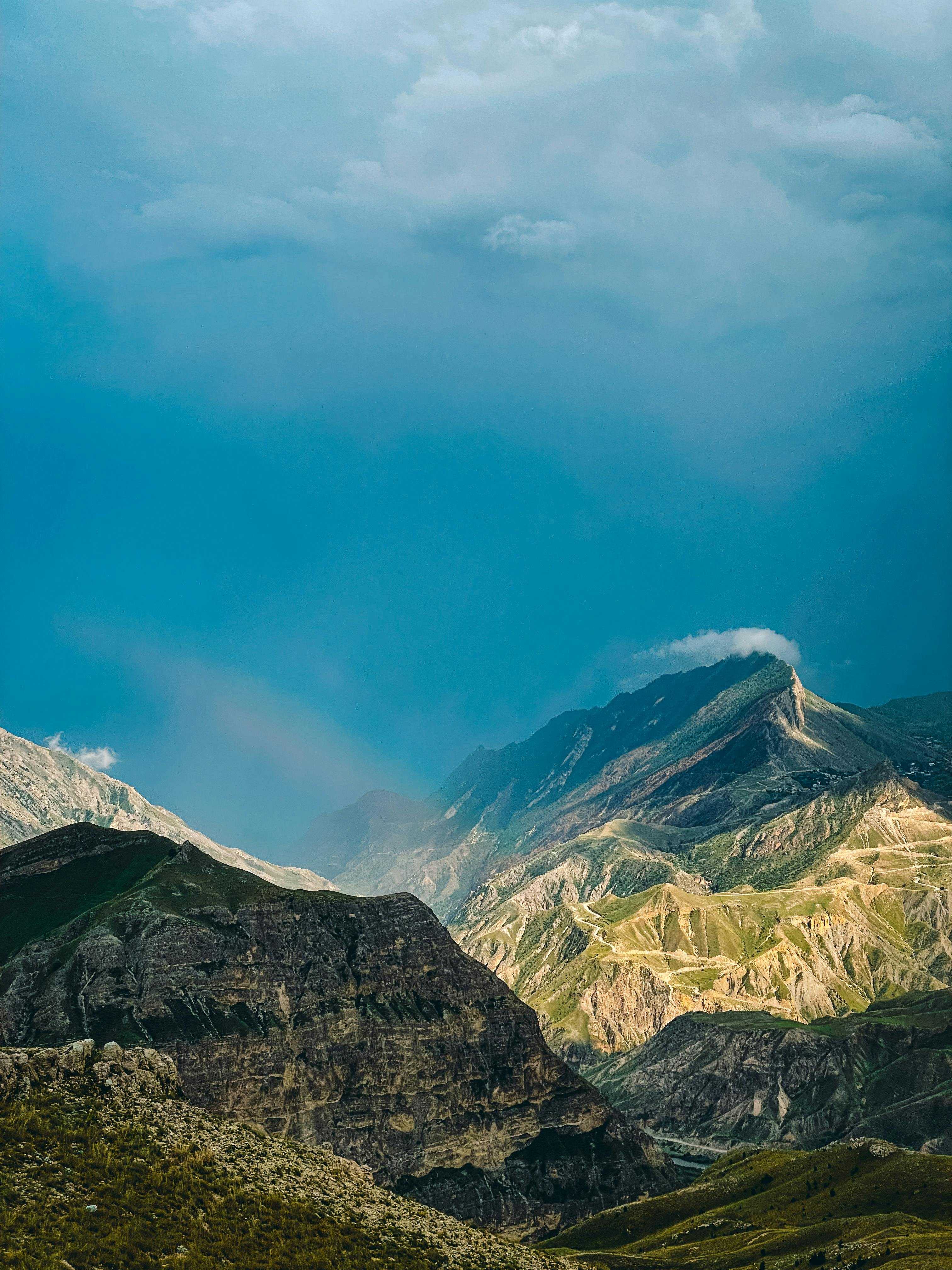
Stunning Natural Landscapes: Tasmania is renowned for its breathtaking natural beauty, including rugged coastlines, pristine beaches, ancient forests, and majestic mountains. Visitors can explore national parks such as Freycinet, Cradle Mountain, and Mount Field to witness the diverse flora and fauna unique to the island.
-
Outdoor Adventure Activities: Tasmania is a paradise for outdoor enthusiasts, offering a wide range of activities such as hiking, mountain biking, kayaking, and wildlife watching. Visitors can embark on multi-day hiking adventures along the iconic Overland Track or explore the world-class diving sites along the coast.
-
Rich Cultural Heritage: Tasmania has a rich cultural heritage, with a history that dates back thousands of years. Visitors can learn about the island's Aboriginal history, colonial past, and vibrant arts scene by visiting museums, galleries, and historic sites such as Port Arthur and MONA (Museum of Old and New Art).
-
Culinary Delights: Tasmania is a foodie's paradise, known for its fresh local produce, gourmet food and wine scene, and thriving farm-to-table culture. Visitors can sample delicious seafood, cheeses, wines, and artisanal products at local markets, restaurants, and wineries across the island.
-
Quaint Towns and Villages: Tasmania is dotted with charming towns and villages that offer a glimpse into the island's laid-back lifestyle and friendly community. Visitors can wander through historic streets, browse local shops and galleries, and savor the relaxed atmosphere of places like Hobart, Launceston, and Richmond.
Overall, traveling to Tasmania offers a perfect blend of natural beauty, outdoor adventure, cultural experiences, culinary delights, and charming towns, making it an ideal destination for travelers seeking a unique and memorable holiday experience.
What to know
Traveling to Tasmania, Australia does not have many cons, but there are a few things to consider:
-
Isolation: Tasmania is a relatively isolated island, so travel to and from the island can be more expensive and time-consuming compared to other destinations in Australia.
-
Weather: Tasmania has a reputation for unpredictable weather, with rapid changes in temperature and conditions. It's important to pack appropriate clothing for all weather scenarios.
-
Limited Public Transport: While Tasmania does have public transport options, they are not as extensive as in major cities on the mainland. Renting a car may be necessary to explore the island fully.
-
Wildlife Hazards: Tasmania is known for its unique and diverse wildlife, including animals like snakes, spiders, and the Tasmanian Devil. Visitors should take precautions and be aware of potential wildlife encounters.
-
Limited Mobile Reception: In more remote areas of Tasmania, mobile phone reception can be limited. It's a good idea to plan ahead and have a physical map or GPS device for navigation.
Overall, these cons are relatively minor compared to the many attractions and experiences Tasmania has to offer. With proper planning and preparation, travelers can have a wonderful time exploring this beautiful island.
