

Australia
· AU

Australia

Australia

Awaken Your Sense of Adventure: Discover Australia Australia: a land of staggering contrasts and boundless beauty. Imagine vibrant cities nestled between sun-drenched beaches and ancient rainforests, where adventure lurk…

#Oceania#Southern Hemisphere#Great Barrier Reef#Kangaroos#Sydney Opera House
1/24

Top hotels & flights

Hand-picked stays and the best fares into Australia.

Top Hotels in Sydney

Top Flights to Sydney

Popular activities

Tours, tickets and experiences travelers book most in Australia.

Tours

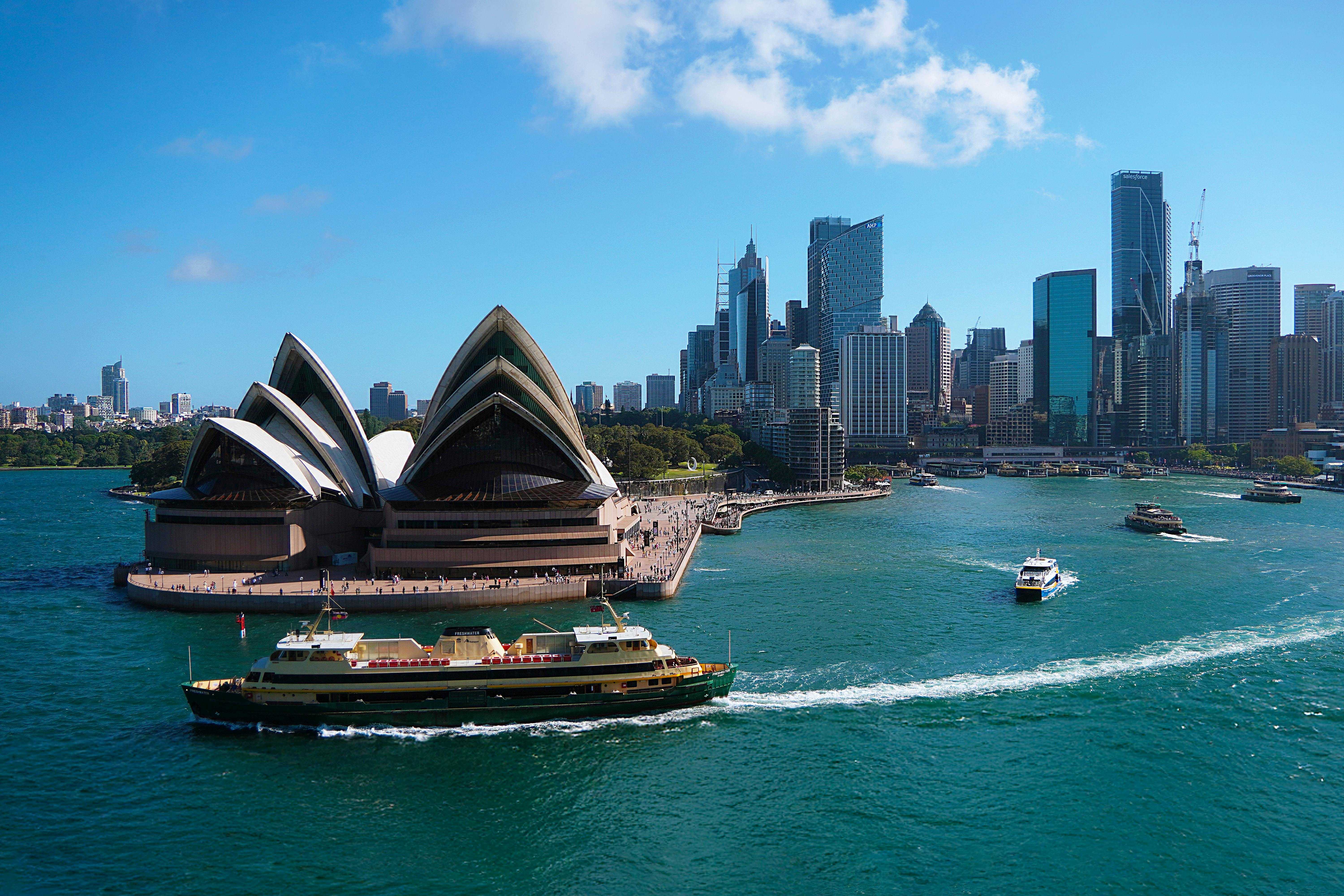
Sydney Opera House Tour

Explore the iconic Sydney Opera House and enjoy its stunning architecture.

Shopping

Melbourne Shopping Spree

Indulge in a shopping spree in Melbourne's bustling malls and boutique shops.

Outdoor

Great Barrier Reef Snorkeling

Snorkel in the world-renowned Great Barrier Reef and witness diverse marine life.

Blue Mountains Hiking

Enjoy a day of hiking in the scenic Blue Mountains with breathtaking views.

Location videos

Real reels from travelers, plus longer watches to get the full picture.

From travelers
Watch & explore

Practical info

The essentials for planning your time in Australia.

Currency
$ | AUD | Australian Dollar
Population
As of the latest data, the approximate estimated total population of Australia is 26.0 million.
Languages
English, English
Average weather
Australia
Jan
hot
29°20°
Feb
hot
28°20°
Mar
sun
26°18°
Apr
clear
23°15°
May
clear
20°12°
Jun
cold
17°9°
Jul
cold
16°8°
Aug
cold
18°9°
Sep
clear
21°11°
Oct
sun
24°14°
Nov
sun
26°17°
Dec
hot
28°19°

Local guide

What travelers love, what to watch for, and a deeper read on Australia.

What people love

There are several pros of traveling to Australia. Here are some detailed points:

  1. Diverse Landscapes: Australia is known for its diverse landscapes, ranging from beautiful beaches and coral reefs to deserts and rainforests. Travelers can experience a wide variety of natural beauty in one country.

  2. Unique Wildlife: Australia is home to some of the most unique and fascinating wildlife in the world, including kangaroos, koalas, and the iconic Great Barrier Reef. Travelers can get up close and personal with these amazing creatures in their natural habitats.

  3. Outdoor Activities: Australia offers a wide range of outdoor activities for adventure seekers, including surfing, snorkeling, scuba diving, hiking, and wildlife watching. The country's diverse landscapes provide the perfect backdrop for all kinds of outdoor adventures.

  4. Vibrant Cities: Australia is home to vibrant and cosmopolitan cities such as Sydney, Melbourne, and Brisbane, each offering a unique blend of culture, history, and modern amenities. Travelers can explore world-class museums, galleries, restaurants, and shopping districts in these bustling urban centers.

  5. Friendly Locals: Australians are known for their laid-back and friendly attitude, making it easy for travelers to feel welcome and at home in the country. Locals are often eager to share their knowledge of the area and recommend hidden gems to explore.

  6. Safety: Australia is generally considered a safe destination for travelers, with low crime rates and a well-developed infrastructure. Travelers can feel secure exploring the country's attractions and natural wonders.

Overall, traveling to Australia offers a unique and unforgettable experience with its diverse landscapes, wildlife, outdoor activities, vibrant cities, friendly locals, and safety.

What to know

Traveling to Australia does come with some cons to consider:

  1. Distance: Australia is located far away from many countries, resulting in long travel times and potentially jet lag.

  2. Cost: Australia is known to be an expensive destination, with high costs for accommodations, dining, and activities. Transportation within the country can also add up quickly.

  3. Weather: The weather in Australia can be quite extreme, with hot summers and cold winters depending on the region. The country is also prone to bushfires and cyclones during certain seasons.

  4. Isolation: Due to its location, some areas of Australia can be quite isolated, which may limit access to certain amenities or services.

  5. Time Zones: Australia has multiple time zones, which can be challenging to adjust to and may affect communication with people in different parts of the world.

Overall, while Australia is a beautiful and diverse country with much to offer, it's important to consider these potential cons before planning a trip there.

Australia, officially known as the Commonwealth of Australia, is a country and continent located in the Southern Hemisphere. It is the world's sixth-largest country by total area. The history of Australia is rich and diverse, shaped by the indigenous Aboriginal and Torres Strait Islander peoples, as well as by subsequent waves of European colonization.

  • Indigenous Australians: The Aboriginal and Torres Strait Islander peoples are believed to have inhabited Australia for over 65,000 years, making them one of the oldest continuous cultures in the world. They have a deep spiritual connection to the land and have a rich oral tradition that preserves their history and cultural heritage.

  • European Exploration: The first recorded European contact with Australia was in the early 17th century when Dutch explorers landed on the western coast. Captain James Cook, a British navigator, claimed the eastern coast of Australia for the British Crown in 1770. This marked the beginning of European colonization.

  • British Colonization: In 1788, the First Fleet, led by Captain Arthur Phillip, arrived in Port Jackson (now Sydney) to establish a penal colony. Over the following decades, more British settlers arrived, leading to the displacement and marginalization of the indigenous population.

  • Gold Rush: In the 1850s, gold was discovered in various parts of Australia, leading to a gold rush that attracted people from around the world. This period of rapid population growth and economic development had a lasting impact on the country's demographics and economy.

  • Federation: On January 1, 1901, the six separate British colonies in Australia federated to form the Commonwealth of Australia, becoming a self-governing dominion within the British Empire. This marked the birth of the modern nation of Australia.

  • World Wars: Australia played a significant role in both World War I and World War II, contributing troops and resources to support the Allied forces. The experiences of these wars helped shape Australia's sense of national identity and its relationships with other countries.

  • Indigenous Rights: Throughout the 20th century, there were significant movements for indigenous rights and recognition, including the 1967 referendum that granted citizenship rights to Aboriginal and Torres Strait Islander peoples and the establishment of the Native Title Act in 1993.

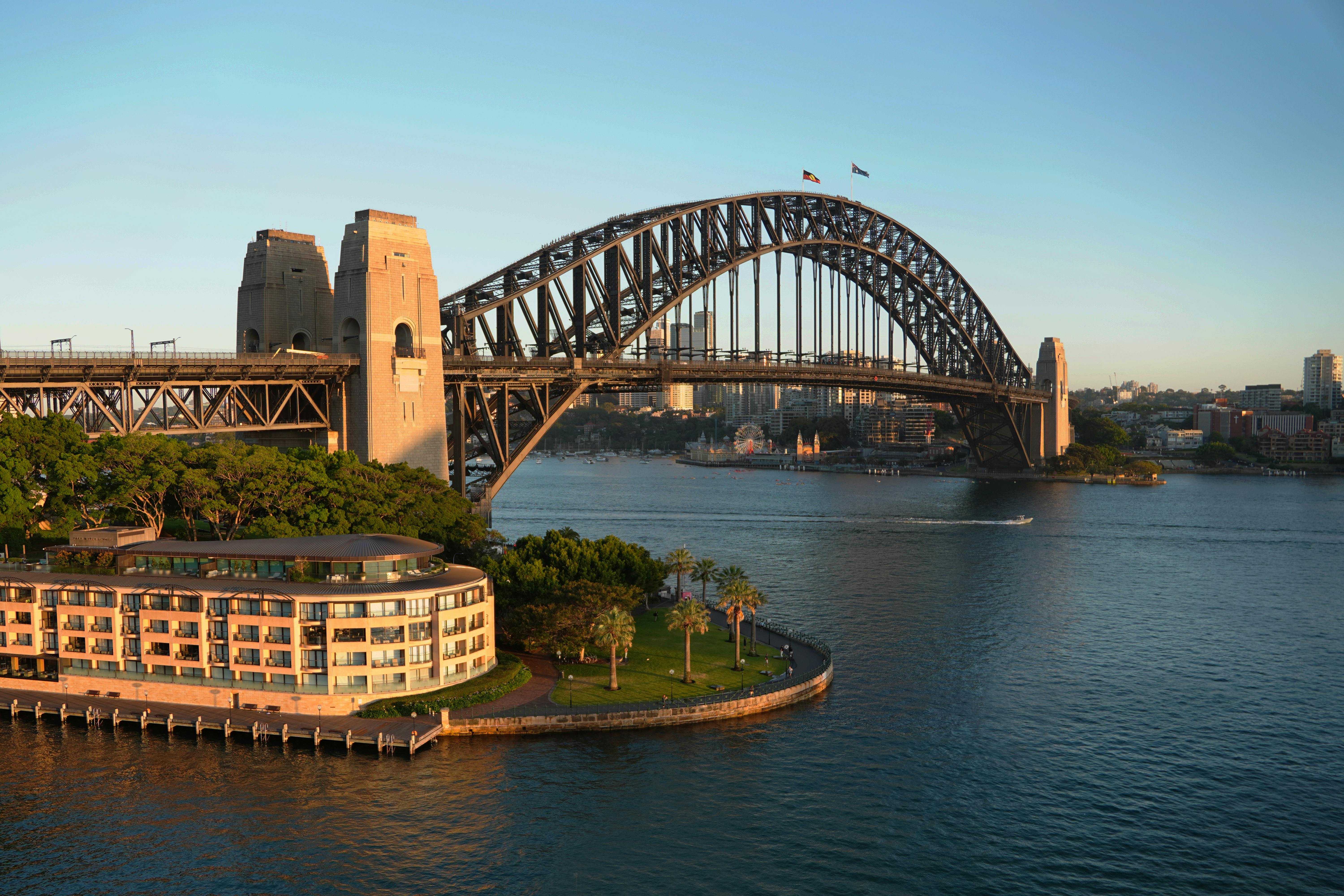
  • Landmarks: Australia is home to many iconic landmarks, including the Sydney Opera House, the Great Barrier Reef, Uluru (Ayers Rock), the Twelve Apostles, and the Great Ocean Road. These natural and man-made wonders attract millions of visitors each year.

Australia's history is a complex tapestry of indigenous heritage, European colonization, multicultural immigration, and ongoing efforts towards reconciliation and inclusivity. The country continues to grapple with issues of social justice, environmental sustainability, and national identity as it moves forward into the 21st century.