State · Cabo Verde

Tarrafal

Tarrafal, Cabo Verde

Nestled on the ruggedly beautiful island of Santiago in Cabo Verde, Tarrafal beckons travelers seeking a unique blend of culture, history, and…

#Beach destination#Tropical climate#Historical site#Cultural experience#Adventure activities

Explore Tarrafal

Top cities in Tarrafal

Pick a city to open its guide.

Ready-made plans

Trip plans that include Tarrafal

Day-by-day plans you can copy and edit.

3 plans

See it for yourself

Location videos

Reels and longer watches.

Watch & explore

Good to know

Practical info

Weather, costs and getting around.

Tarrafal, Cabo Verde Open in Google Maps
Currency
$ | CVE | Cape Verdean Escudo
Population
18,129 (2021)
Density
150 / km²
Local time
Languages
Portuguese mainly · Crioulo
Budget / day
$5000 - $15000
Also known as
Tarrafal, Santiago, Cabo Verde, Tarrafal, Santiago Island, Cape Verde, Tarrafal, Santiago, Cape Verde, Tarrafal, Santiago Island, Cabo Verde, Tarrafal, Cape Verde

Know before you go

Local guide

A deeper read on Tarrafal.

What people love

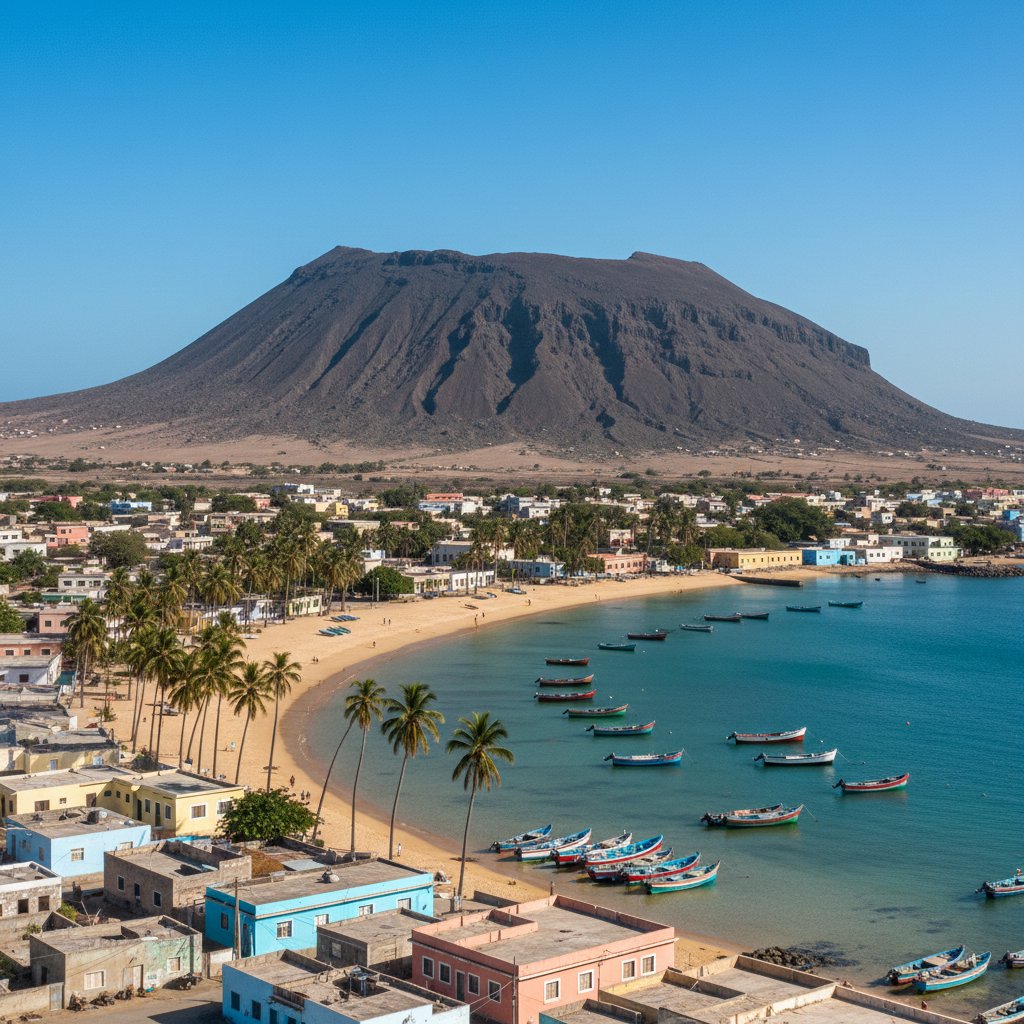
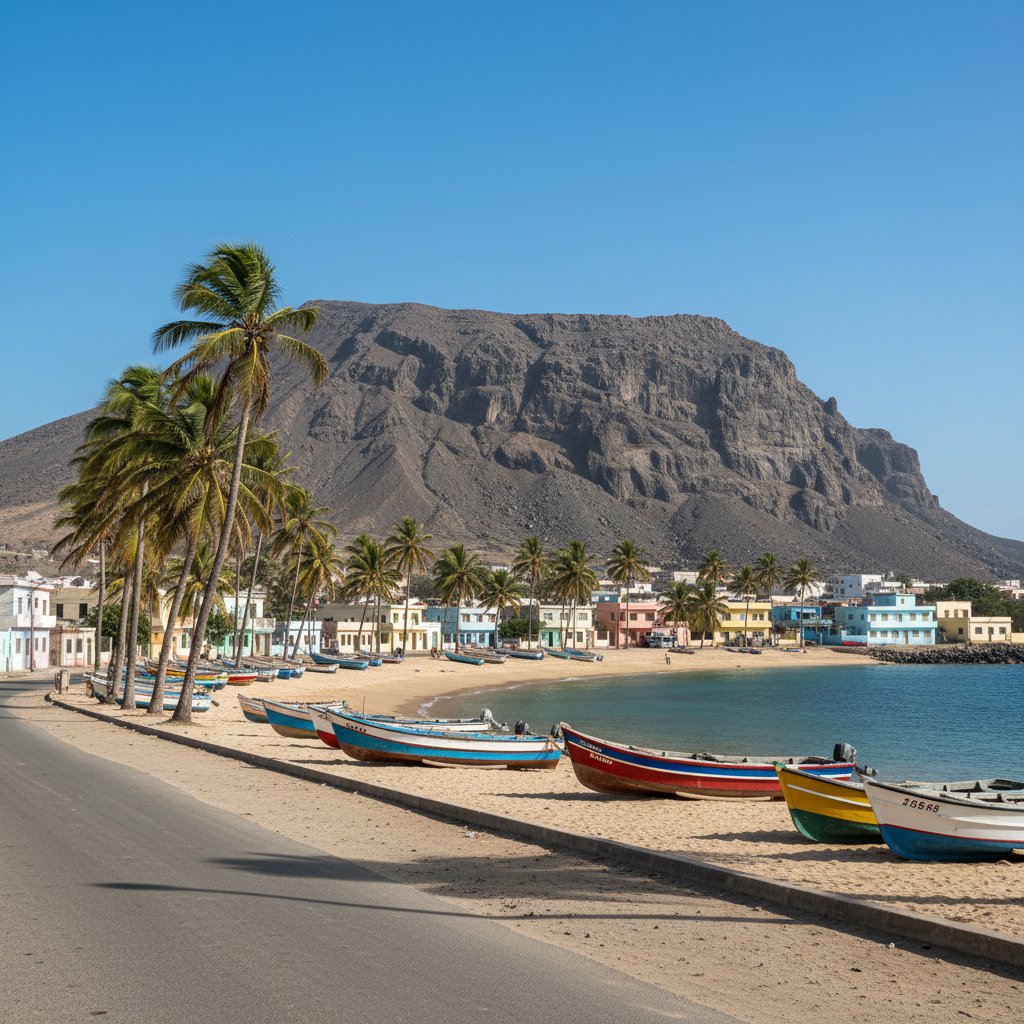
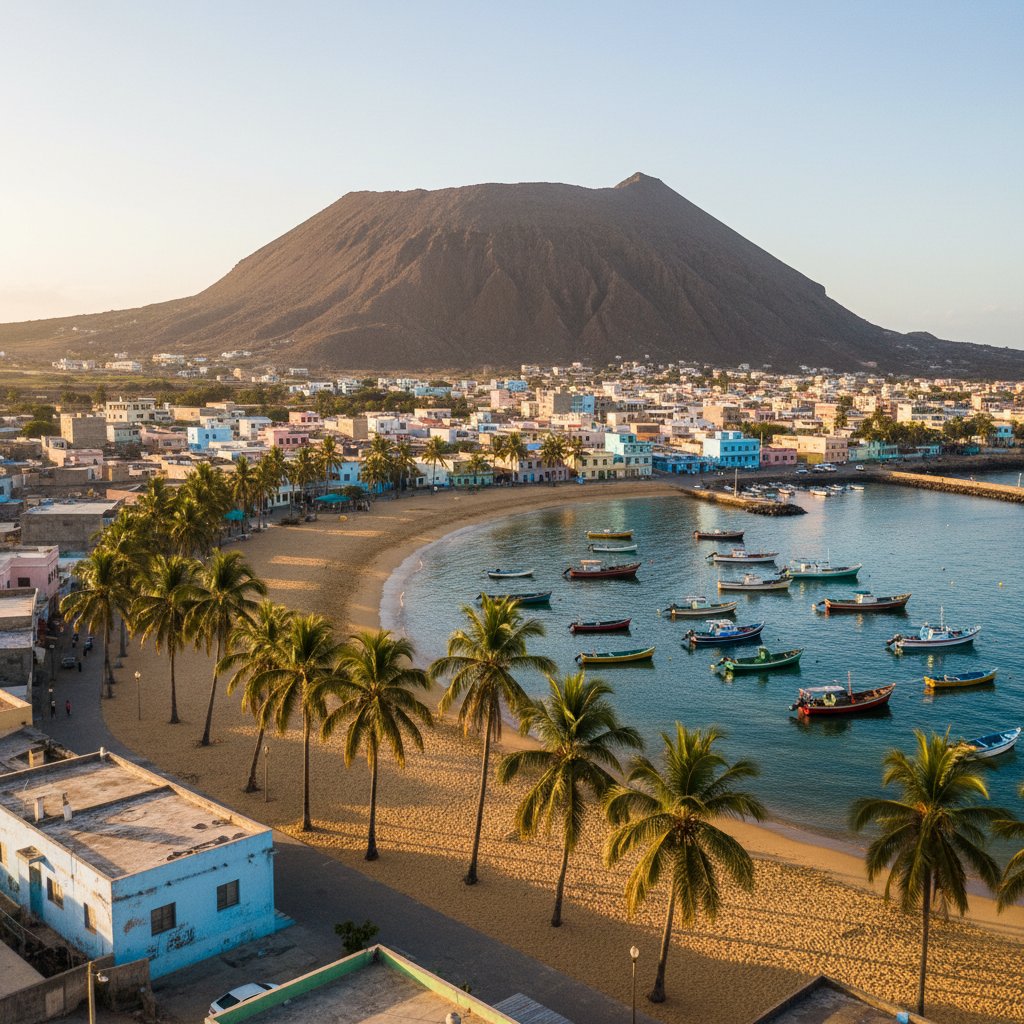
Tarrafal boasts one of the most beautiful and swimmable white-sand beaches on Santiago island, making it a perfect spot for relaxation and water activities. The town offers a deeply authentic Cape Verdean experience with its welcoming locals, vibrant culture, and delicious traditional cuisine. History buffs will appreciate the educational visit to the former Chão Bom concentration camp. Additionally, the surrounding dramatic mountains provide excellent hiking opportunities with stunning coastal views, all within a tranquil, off-the-beaten-path atmosphere.

What to know

Reaching Tarrafal requires a long and sometimes winding drive from the capital, Praia, which can be tiring for some travelers. The town has limited tourist infrastructure, meaning luxury accommodations and high-end dining options are scarce. Public transportation (aluguers) can be irregular and crowded. Additionally, the nightlife and shopping scenes are quite modest, which might disappoint those looking for extensive entertainment or retail options. English is not widely spoken, so a language barrier may exist for non-Portuguese or non-Creole speakers.

Tarrafal is a town located on the northern coast of Santiago Island in Cabo Verde (Cape Verde). It is known for its historical significance, particularly due to the presence of the Tarrafal Concentration Camp, also known as Campo de Concentração do Tarrafal.

Historical Background:

  1. Tarrafal Concentration Camp:

    • Established: The camp was established in 1936 by the Portuguese Estado Novo regime under the dictatorship of António de Oliveira Salazar.
    • Purpose: It was initially set up to imprison political opponents, mostly from Portugal, but also from its African colonies. The camp was notorious for its harsh conditions and was often referred to as the "Camp of Slow Death" due to the high mortality rate.
    • Closure and Reopening: The camp was closed in 1954 but was reopened in 1961 during the Portuguese Colonial War to detain African nationalists and independence fighters from Angola, Guinea-Bissau, and Cape Verde.
    • Final Closure: It was permanently closed in 1974 following the Carnation Revolution in Portugal, which led to the end of the Estado Novo regime and the decolonization of Portuguese colonies.
  2. Significance: The camp is a significant historical site as it symbolizes the struggles against colonial oppression and the fight for independence among Lusophone African countries.

Important Landmarks:

  1. Tarrafal Concentration Camp Museum:

    • Current Status: The site has been preserved as a museum to commemorate the history and the people who suffered there. It serves as a reminder of the brutality of the colonial regime and the resilience of those who resisted it.
    • Exhibits: The museum includes exhibits on the history of the camp, testimonies from former prisoners, and artifacts from the period.
  2. Natural and Cultural Attractions:

    • Tarrafal Beach: Known for its beautiful sandy beaches and clear waters, it is one of the main tourist attractions in the area.
    • Local Culture: The town of Tarrafal offers a glimpse into Cape Verdean culture, with its music, dance, and local cuisine.

Historical Figures:

  • Amílcar Cabral: Although not directly associated with Tarrafal, he was a prominent figure in the independence movement in Cape Verde and Guinea-Bissau. The camp held many of his contemporaries and followers who were part of the PAIGC (African Party for the Independence of Guinea and Cape Verde).

Tarrafal has evolved from its dark history into a town that values its past and embraces its cultural and natural heritage. The concentration camp remains a poignant symbol of the struggle for freedom and the resilience of the human spirit.