
Cabo Verde
· CV

Cabo Verde

Cabo Verde

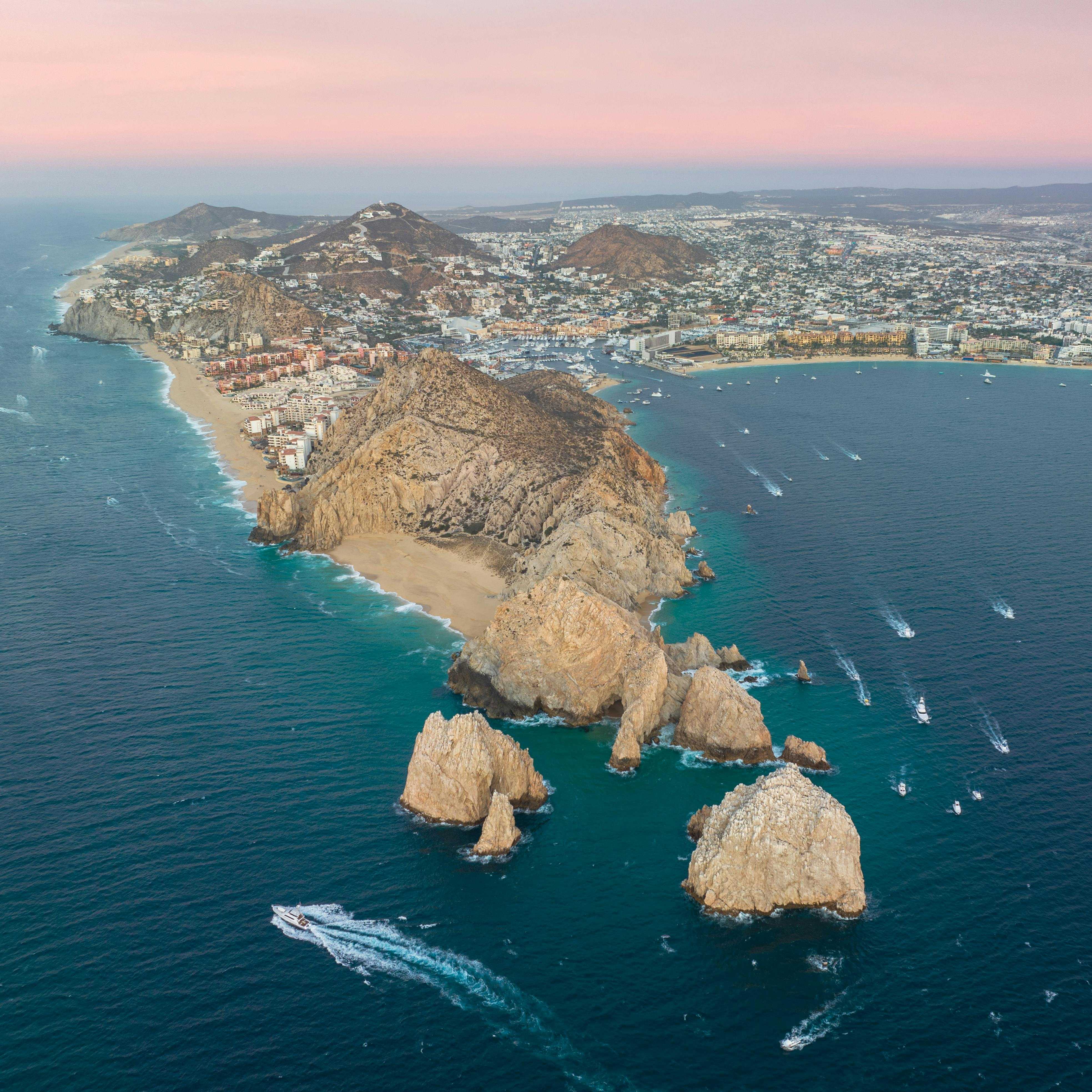
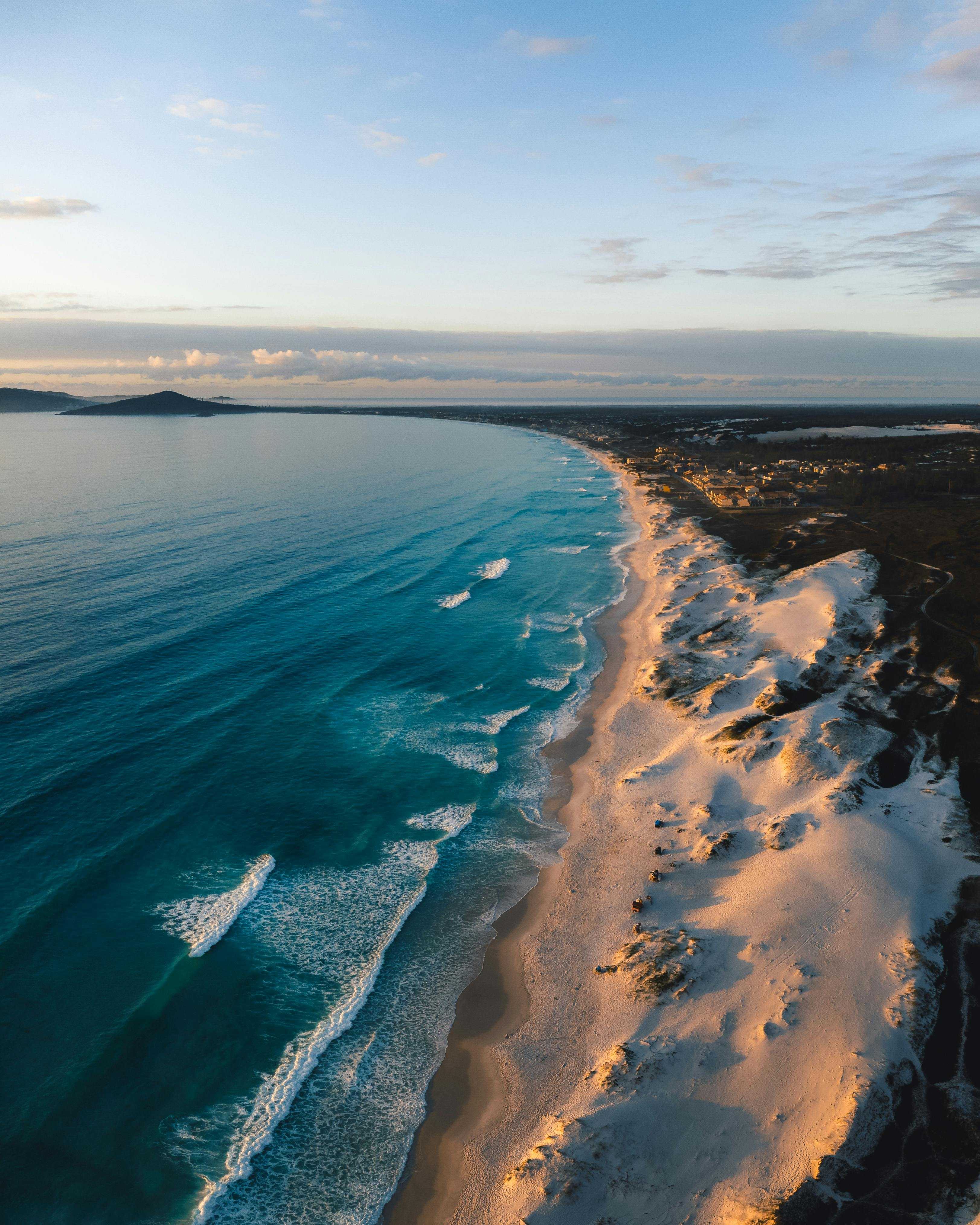
Escape to Cabo Verde: Where African Rhythm Meets Island Time Sun-drenched beaches, volcanic landscapes, and a vibrant culture steeped in music – welcome to Cabo Verde, an archipelago of ten islands nestled off the coast …

#Island#Beach#Volcanic#Cultural#Tropical
1/6

Top hotels & flights

Hand-picked stays and the best fares into Cabo Verde.

Top Hotels in Praia

Top Flights to Praia

Popular activities

Tours, tickets and experiences travelers book most in Cabo Verde.

Tours

Mindelo City Tour

Explore the vibrant culture and colonial architecture of Mindelo, São Vicente's capital.

Shopping

Praia City Shopping

A shopping spree in the bustling markets and modern shops of Praia.

Outdoor

Sal Island Beaches

Enjoy the pristine beaches of Sal Island with beautiful golden sands and crystal-clear waters.

Fogo Volcano Adventure

Hike the active Fogo volcano and explore the island's unique landscape.

Boa Vista Desert Experience

Discover the desert landscapes and local wildlife of Boa Vista island.

Location videos

Real reels from travelers, plus longer watches to get the full picture.

From travelers
Watch & explore

Practical info

The essentials for planning your time in Cabo Verde.

Currency
Escudo Caboverdiano | CVE | Cape Verdean escudo
Population
Cabo Verde has an estimated total population of approximately 0.6 million.
Languages
Portuguese, Crioulo
Average weather
Cabo Verde
Jan
sun
25°19°
Feb
sun
25°18°
Mar
sun
26°18°
Apr
sun
26°19°
May
sun
27°20°
Jun
sun
28°21°
Jul
sun
29°23°
Aug
hot
30°24°
Sep
hot
30°24°
Oct
sun
29°23°
Nov
sun
28°22°
Dec
sun
26°20°

Local guide

What travelers love, what to watch for, and a deeper read on Cabo Verde.

What people love

Cabo Verde, also known as Cape Verde, is a beautiful island nation located off the coast of West Africa. Traveling to Cabo Verde has several pros that make it a popular destination for tourists:

  1. Stunning Beaches: Cabo Verde is known for its pristine white sandy beaches and crystal-clear blue waters. Whether you enjoy swimming, sunbathing, or water sports like surfing or windsurfing, Cabo Verde has a beach for everyone.

  2. Diverse Landscapes: Despite being a relatively small country, Cabo Verde offers diverse landscapes ranging from volcanic mountains to lush valleys. The island of Fogo even has an active volcano that you can hike up to.

  3. Cultural Experience: Cabo Verde has a rich cultural heritage with a mix of African, Portuguese, and Brazilian influences. Visitors can enjoy traditional music, dance, and cuisine that reflect this cultural fusion.

  4. Warm Weather: Cabo Verde enjoys a warm climate year-round, making it an ideal destination for those seeking sun and warmth during their vacation.

  5. Outdoor Activities: Whether you enjoy hiking, diving, or exploring nature, Cabo Verde offers plenty of opportunities for outdoor activities. You can go trekking in the mountains, snorkeling in the coral reefs, or birdwatching in the national parks.

  6. Safe Destination: Cabo Verde is considered a safe destination for travelers with low crime rates compared to other countries in the region. This makes it an attractive option for solo travelers or families.

  7. Friendly Locals: The people of Cabo Verde are known for their warm hospitality and friendliness towards visitors. You are likely to feel welcomed and at home during your stay in Cabo Verde.

  8. Cultural Festivals: Cabo Verde hosts various cultural festivals throughout the year, celebrating music, dance, and local traditions. These events offer a unique insight into the vibrant culture of the country.

Overall, traveling to Cabo Verde offers a blend of natural beauty, cultural experiences, and warm hospitality that make it an appealing destination for travelers looking for a unique and memorable vacation.

What to know

Some potential cons of traveling to Cabo Verde may include:

  1. Limited infrastructure: Cabo Verde is a developing country with limited infrastructure in some areas, which can affect transportation, accommodations, and other services.

  2. Remote location: Cabo Verde is a group of islands located off the west coast of Africa, which can make travel to and from the islands more challenging and expensive.

  3. Language barrier: While Portuguese is the official language of Cabo Verde, not all locals may speak English fluently, which can sometimes make communication difficult for English-speaking travelers.

  4. Limited healthcare facilities: The healthcare facilities in Cabo Verde may be limited, especially on smaller islands, so travelers should take necessary precautions and consider travel insurance.

  5. Seasonal weather challenges: Cabo Verde can experience extreme weather conditions, such as strong winds and droughts, which may impact travel plans and activities.

  6. Cost of living: While Cabo Verde can be an affordable travel destination compared to other tropical locations, the cost of living may still be relatively high for budget-conscious travelers.

It's important to note that these potential cons should be balanced with the many positive aspects of traveling to Cabo Verde, such as its beautiful landscapes, diverse culture, and welcoming locals.

Cabo Verde, also known as Cape Verde, is an island country located in the central Atlantic Ocean, consisting of an archipelago of 10 volcanic islands. Here is a detailed history of Cabo Verde, highlighting significant events, historical figures, and landmarks:

Early History

  • Uninhabited Islands: Before European discovery, the islands of Cabo Verde were uninhabited.
  • Discovery by Portuguese Explorers (1460s): The islands were discovered and colonized by Portuguese explorers in the 15th century. The archipelago became one of the first European colonies in Africa.

Colonial Era

  • Settlement and Slavery (15th-16th centuries): The Portuguese established settlements, and due to its strategic location, Cabo Verde became an important center for the Atlantic slave trade.
  • Economic Activities: The economy was largely based on the trade of African slaves, but also included agriculture and salt mining.

Decline and Struggles

  • Pirates and Decline (17th century): The islands faced attacks from pirates and suffered economic decline as the Atlantic slave trade diminished.
  • Famine and Hardship (18th-19th centuries): Cabo Verde experienced several severe droughts and famines, leading to high mortality rates and emigration.

Move Towards Independence

  • Rise of Nationalism (20th century): During the mid-20th century, ideas of nationalism and independence started to grow, inspired by liberation movements across Africa.
  • PAIGC Formation (1956): The African Party for the Independence of Guinea and Cape Verde (PAIGC) was formed, led by Amílcar Cabral, a significant figure in the independence movement.

Independence and Modern Era

  • Independence (1975): Cabo Verde achieved independence from Portugal on July 5, 1975. The PAIGC led the transition, and Aristides Pereira became the first President.
  • Political Developments: Initially a one-party state, Cabo Verde moved towards a multi-party system in 1990, with the first multi-party elections held in 1991.

Cultural and Economic Developments

  • Economic Challenges and Growth: The country has limited natural resources and relies heavily on tourism, remittances, and foreign aid. It has made significant progress in economic development and political stability.
  • Cultural Heritage: Cabo Verde has a rich cultural heritage, blending African and Portuguese influences. It is known for its music, particularly morna, a genre popularized by Cesária Évora.

Important Landmarks

  • Cidade Velha: A UNESCO World Heritage Site, Cidade Velha is the oldest settlement on the islands and was once a key port in the transatlantic slave trade.
  • Pico do Fogo: The highest peak in Cabo Verde, located on Fogo Island, is an active volcano and a popular hiking destination.
  • Praia: The capital city on Santiago Island, offering cultural institutions, markets, and historic sites.

Notable Figures

  • Amílcar Cabral: A prominent leader in the independence movement, co-founder of the PAIGC, and a respected figure in African history.
  • Cesária Évora: An internationally renowned singer known as the "Barefoot Diva," who brought global attention to Cape Verdean music.

Cabo Verde continues to develop as a stable democracy, focusing on economic diversification and leveraging its cultural assets to attract tourism.