


Tamil Nādu
· IN

Tamil Nādu

Tamil Nādu, India

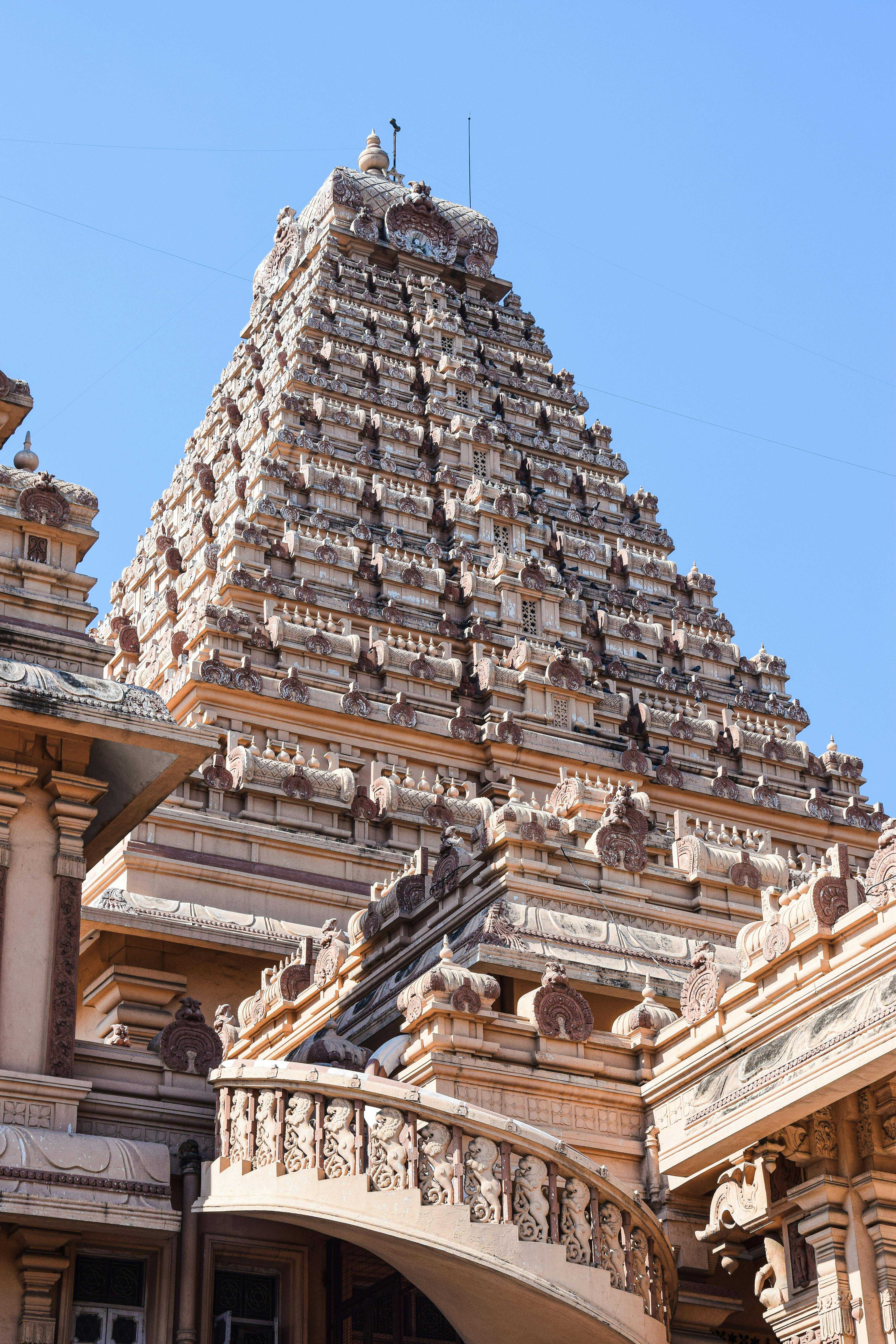
Tamil Nadu, located in southern India, is renowned for its ancient temples, vibrant culture, and scenic beauty. Chennai, the capital, boasts colonial-era landmarks, bustling markets, and delicious South Indian cuisine. \…

#Southern India#Cultural heritage#Dravidian architecture#Temples#Traditional cuisine
1/8

Top hotels & flights

Hand-picked stays and the best fares into Tamil Nādu.

Top Hotels in Tamil Nādu

Top Flights to Tamil Nādu

Popular activities

Tours, tickets and experiences travelers book most in Tamil Nādu.

Tours

Exploring the Temples of Tamil Nādu

Visit the famous temples in Tamil Nādu known for their stunning architecture and historical significance.

Shopping

Shopping in T Nagar, Chennai

Explore one of the busiest shopping districts in Chennai, famous for textiles, jewelry, and traditional goods.

Outdoor

Wildlife Safari in Mudumalai National Park

Experience the rich wildlife and flora of Tamil Nādu on a safari adventure.

Location videos

Real reels from travelers, plus longer watches to get the full picture.

From travelers
Watch & explore

Practical info

The essentials for planning your time in Tamil Nādu.

Currency
₹ | INR | Indian Rupee
Population
72.1 million
Languages
Tamil, Tamil, English
Average weather
Tamil Nādu
Jan
clear
29°20°
Feb
clear
31°21°
Mar
hot
34°24°
Apr
hot
36°26°
May
hot
38°27°
Jun
rain
37°27°
Jul
rain
35°26°
Aug
rain
34°26°
Sep
rain
33°25°
Oct
rain
31°24°
Nov
cloud
29°23°
Dec
cloud
28°21°

Local guide

What travelers love, what to watch for, and a deeper read on Tamil Nādu.

What people love

Tamil Nadu, located in southern India, has a lot to offer for travelers. Here are some of the pros of traveling to Tamil Nadu:

  1. Rich Cultural Heritage: Tamil Nadu is known for its rich cultural heritage, with ancient temples, classical dance forms, music, and literature. The state has a long history dating back to ancient times, and you can explore this heritage by visiting various historical sites and monuments.

  2. Temples: Tamil Nadu is famous for its magnificent temples, with intricate architecture and stunning sculptures. The state is home to some of the most famous temples in India, including the Meenakshi Temple in Madurai, Brihadeeswarar Temple in Thanjavur, and Kapaleeshwarar Temple in Chennai.

  3. Natural Beauty: Tamil Nadu is blessed with diverse landscapes, ranging from lush green hills to beautiful beaches. You can explore the hill stations of Ooty and Kodaikanal, relax on the beaches of Marina and Mahabalipuram, or trek in the Western Ghats.

  4. Delicious Cuisine: Tamil Nadu is renowned for its delicious cuisine, which includes a variety of vegetarian and non-vegetarian dishes. Don't miss trying popular dishes like dosa, idli, sambar, and biryani.

  5. Warm Hospitality: Tamil Nadu is known for its warm and welcoming people who take pride in their culture and traditions. You can experience genuine hospitality and friendliness while interacting with locals.

Overall, traveling to Tamil Nadu can be a rewarding experience for those interested in history, culture, nature, and delicious food.

Enjoy your trip to Tamil Nadu!

What to know

Some potential cons of traveling to Tamil Nadu, India, include:

  1. Weather: Tamil Nadu experiences extreme weather conditions, with very hot summers and heavy monsoon rains during certain months. Travelers may find it uncomfortable to explore the region during these times.

  2. Pollution: Like many parts of India, Tamil Nadu faces issues with pollution, especially in major cities like Chennai. Poor air quality can be a concern for travelers, particularly those with respiratory problems.

  3. Traffic congestion: Major cities in Tamil Nadu can have chaotic traffic conditions, with congestion and lack of proper traffic management. This can make traveling within the cities challenging and time-consuming.

  4. Language barrier: While English is widely spoken in urban areas and tourist spots, travelers may face a language barrier in more rural areas where Tamil is predominantly spoken.

  5. Health risks: Travelers to Tamil Nadu should be cautious about food and water hygiene to avoid gastrointestinal illnesses. It is also recommended to take precautions against mosquito-borne diseases like dengue fever and malaria.

  6. Cultural differences: Travelers should be respectful of local customs and traditions, which may differ from their own. Being aware of cultural norms and practices can help avoid misunderstandings or unintentional offenses.

Overall, while Tamil Nadu offers rich cultural experiences and beautiful landscapes, travelers should be prepared for potential challenges related to weather, pollution, traffic, language differences, health risks, and cultural nuances.

Tamil Nadu, located in southern India, has a rich history that dates back thousands of years. It has been home to various dynasties, empires, and civilizations that have left a lasting impact on its culture, traditions, and heritage.

One of the earliest known civilizations in Tamil Nadu was the Indus Valley Civilization, which flourished around 3000 BCE. The region later saw the rise of the Tamil people, who established several powerful kingdoms such as the Chola, Pandya, and Chera dynasties. These kingdoms played a significant role in shaping the political and cultural landscape of the region.

Tamil Nadu also has a strong literary heritage, with works such as the Sangam literature, which dates back to the 3rd century BCE to the 3rd century CE. These literary works are considered some of the oldest and most important in the Tamil language.

In the medieval period, Tamil Nadu saw the rule of various empires, including the Cholas, who were known for their naval prowess and extensive trade networks. The region also witnessed the influence of Islamic rulers, such as the Bahmani Sultanate and the Vijayanagara Empire.

One of the most significant events in Tamil Nadu's history was the British colonization of India, which began in the 17th century. Tamil Nadu became part of the British East India Company's territories and later the British Raj. The region played a crucial role in India's struggle for independence, with prominent figures such as C. Rajagopalachari, Subramania Bharati, and Periyar E. V. Ramasamy leading the movement.

After India gained independence in 1947, Tamil Nadu emerged as a vibrant state with a strong focus on education, art, and culture. The state is known for its temples, such as the Meenakshi Amman Temple in Madurai, Brihadeeswarar Temple in Thanjavur, and Kapaleeshwarar Temple in Chennai. Tamil Nadu is also famous for its classical dance forms like Bharatanatyam and traditional music such as Carnatic music.

Today, Tamil Nadu is a hub of industry, with Chennai being a major center for technology, automotive, and manufacturing sectors. The state continues to preserve its rich cultural heritage while embracing modernity and progress.

Overall, Tamil Nadu's history is a tapestry of ancient civilizations, powerful dynasties, colonial rule, and a vibrant cultural legacy that continues to thrive in the present day.

How Tamil Nādu rates

Aggregated from verified Travafa trips and reviews.

No ratings yet — be the first
Things to Do
4.0
Accommodation Quality
4.0
Local Transportation
4.0
Safety
5.0
Scenic Beauty
5.0
Shopping
5.0
Friendliness of People
5.0
Cleanliness
4.0
Value for Money
5.0
Internet Connectivity
5.0
Good for
100%
Friends
0%
Family
0%
Couple
0%
Solo
0%
Pets