
Sverdlovskaya Oblast'
State · Russia

Sverdlovskaya Oblast'

Sverdlovskaya Oblast’, Russia

Journey to the Heart of Russia: Discover Sverdlovskaya Oblast Imagine a land where history whispers through grand palaces, where nature's artistry…

#Sverdlovskaya Oblast'#Russia#Central Russia#Urals Region#Industrial hub

Explore Sverdlovskaya Oblast'

Top cities in Sverdlovskaya Oblast'

Pick a city to open its guide.

See it for yourself

Location videos

Reels and longer watches.

Featured for Sverdlovskaya Oblast'

Traveller clips picked out for this place.

Watch & explore

Good to know

Practical info

Weather, costs and getting around.

Sverdlovskaya Oblast’, Russia Open in Google Maps
Currency
₽ | RUB | Russian Ruble
Population
4.3 million
Languages
Russian mainly · Bashkir, Mansi, Tatar
Budget / day
₽100 - ₽300
Also known as
Sverdlovskaya Oblast, Свердловская область, Sverdlovsk Oblast

Know before you go

Local guide

A deeper read on Sverdlovskaya Oblast'.

What people love

Sverdlovskaya Oblast is a diverse region in Russia with a rich history and natural beauty. Here are some pros of traveling to Sverdlovskaya Oblast:

  1. Cultural Heritage: Sverdlovskaya Oblast is home to the city of Yekaterinburg, which has a fascinating history as the place where the last Russian Tsar, Nicholas II, and his family were executed during the Russian Revolution. Visitors can explore historical sites such as the Church on Blood in Honor of All Saints Resplendent in the Russian Land, built on the site of the execution.

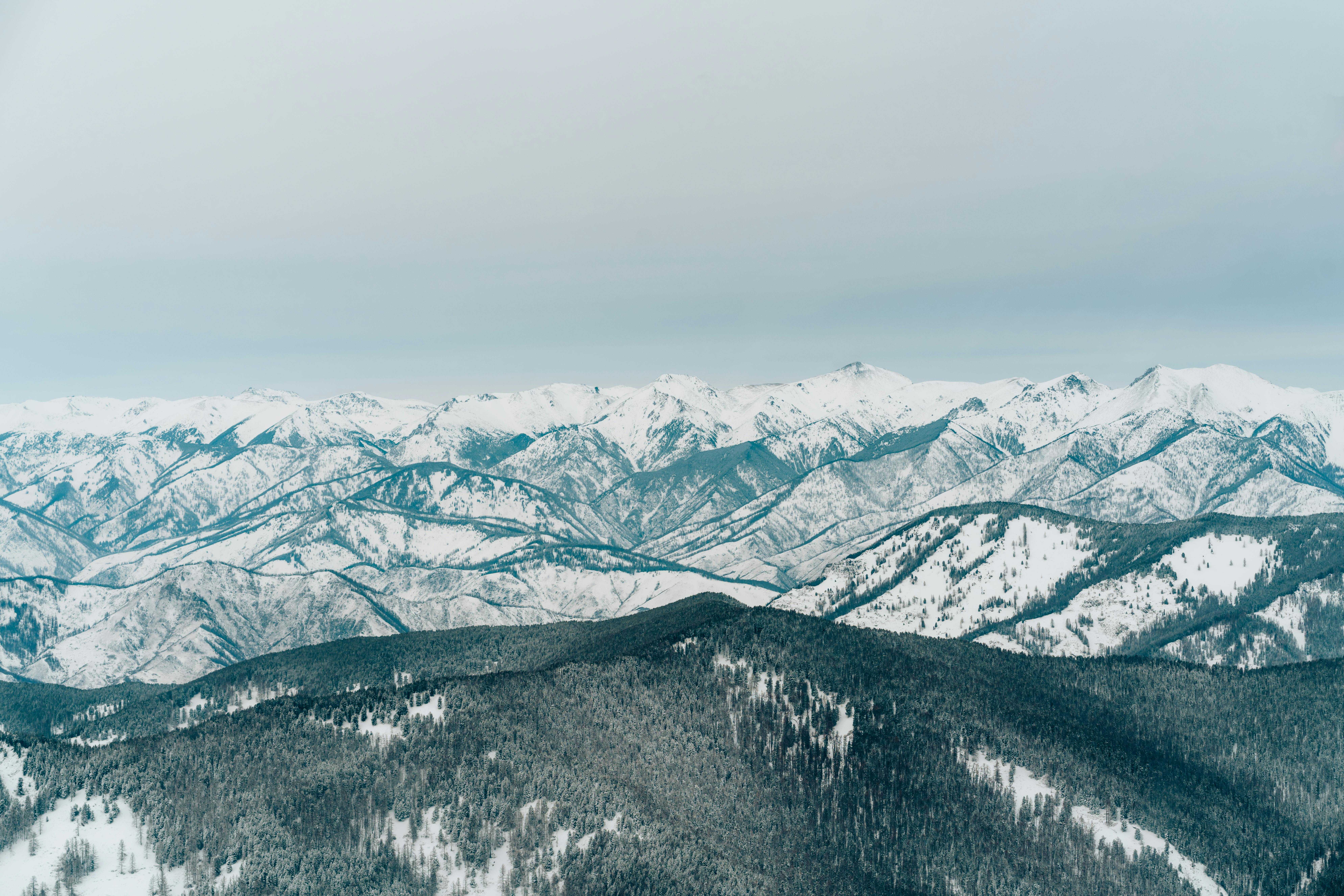
  2. Nature and Outdoor Activities: The region is surrounded by the Ural Mountains, offering opportunities for outdoor activities such as hiking, skiing, and snowboarding. Visitors can also explore national parks, rivers, and lakes, providing a picturesque backdrop for nature lovers.

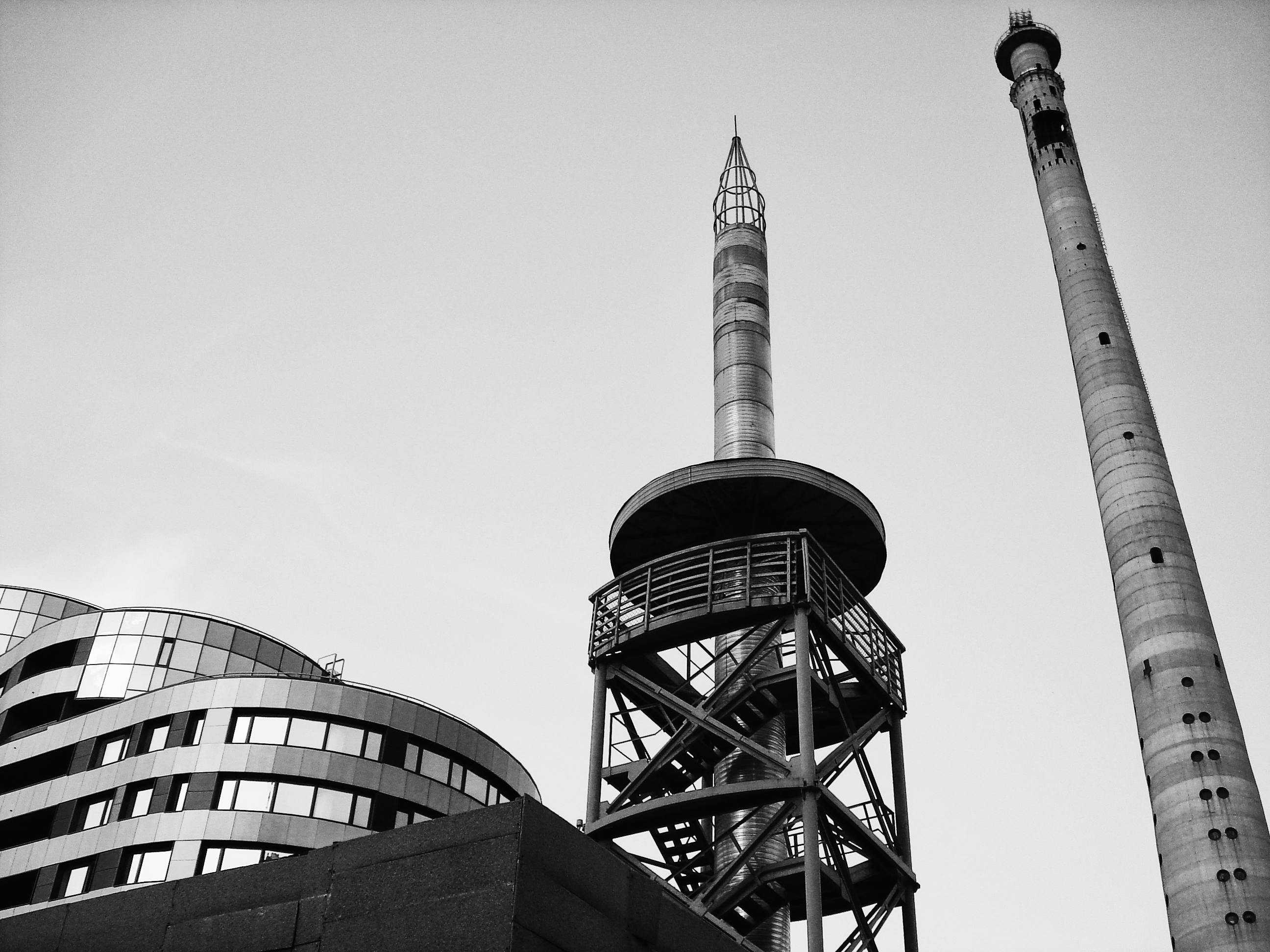
  3. Unique Architecture: Sverdlovskaya Oblast features a mix of architectural styles, from Soviet-era buildings to modern structures. The city of Yekaterinburg has a vibrant arts scene, with galleries, museums, and theaters showcasing both traditional and contemporary art.

  4. Local Cuisine: Travelers can sample traditional Russian cuisine in Sverdlovskaya Oblast, including hearty dishes such as borscht, pelmeni (dumplings), and blini (pancakes). The region also offers a variety of restaurants and cafes serving international cuisine.

  5. Friendly Locals: Visitors to Sverdlovskaya Oblast often mention the warm hospitality and friendliness of the locals, making it a welcoming destination for travelers.

Overall, Sverdlovskaya Oblast offers a unique blend of history, culture, and natural beauty, making it a compelling destination for those looking to explore a lesser-known region of Russia.

What to know

Some potential cons of traveling to Sverdlovskaya Oblast', located in Russia, could include:

  1. Harsh winter weather: Sverdlovskaya Oblast' experiences extremely cold temperatures during the winter months, which may be challenging for travelers who are not accustomed to such severe conditions.

  2. Language barrier: Russian is the primary language spoken in Sverdlovskaya Oblast', and English may not be widely spoken, particularly in smaller towns or rural areas. This could make communication difficult for travelers who do not speak Russian.

  3. Bureaucracy and red tape: Russia is known for its bureaucratic processes, which can be time-consuming and frustrating for travelers trying to navigate visa requirements, registrations, and other administrative procedures.

  4. Political tensions: Russia has been involved in various political conflicts and tensions with other countries, which could potentially impact travelers' safety and security in the region.

  5. Remote location: Sverdlovskaya Oblast' is a vast region located in the Ural Mountains, which may be difficult to access and navigate for travelers unfamiliar with the area.

Please note that these are general considerations and individual experiences may vary. It is always recommended to research and plan your trip carefully to ensure a safe and enjoyable travel experience.

Sverdlovsk Oblast, located in the Ural Mountains of Russia, has a rich history shaped by its geographical position as a natural boundary between Europe and Asia. Here is a detailed account of its history, significant events, historical figures, and important landmarks:

Early History

  • Ancient Inhabitants: The region has been inhabited since ancient times by various indigenous peoples, notably the Uralic tribes. Archaeological findings suggest that these early inhabitants engaged in hunting, fishing, and primitive metallurgy.

Russian Expansion

  • 17th Century: As Russian explorers and traders ventured eastward, the Ural region became a strategic area for expansion. By the late 17th century, Russian settlements were established, facilitating trade and resource extraction.

Industrial Development

  • 18th Century: Under the reign of Peter the Great, the Ural region, including what is now Sverdlovsk Oblast, became a critical center for metal production. The discovery of rich mineral deposits led to the establishment of numerous factories, especially ironworks, in the area.
  • 1723: The city of Yekaterinburg was founded by Vasily Tatishchev and Georg Wilhelm de Gennin. Named after Catherine I of Russia, Yekaterinburg became a major industrial hub, contributing significantly to Russia’s metallurgical industry.

Soviet Era

  • 1924: Yekaterinburg was renamed Sverdlovsk in honor of Bolshevik leader Yakov Sverdlov.
  • World War II: During the war, the region's industrial capacity was crucial for the Soviet war effort. Many factories were relocated to the Ural region from western parts of the Soviet Union to protect them from the advancing German forces.
  • Post-War Period: Sverdlovsk continued to be a key industrial center, producing machinery, military equipment, and metals.

Modern Era

  • 1991: Following the dissolution of the Soviet Union, Yekaterinburg regained its historical name, although the oblast retained the name Sverdlovsk.
  • Economic Transition: The region underwent significant economic changes during the transition from a planned economy to a market economy, with varying degrees of success.

Significant Historical Figures

  • Vasily Tatishchev: A prominent Russian statesman and historian, he played a crucial role in the foundation of Yekaterinburg.
  • Yakov Sverdlov: A Bolshevik leader whose name was given to the city and oblast during the Soviet period.

Important Landmarks

  • Church on Blood: Located in Yekaterinburg, this church was built on the site where the Romanov family was executed in 1918, marking a significant historical event.
  • Ural State Geological Museum: This museum showcases the rich geological history of the Ural Mountains and its contributions to mineralogy.
  • QWERTY Monument: An unusual public art installation in Yekaterinburg, featuring a large keyboard sculpture.

Sverdlovsk Oblast remains an essential part of Russia’s industrial landscape, with its history deeply intertwined with the development of the Ural region and the broader Russian state.