
Russia
· RU

Russia

Russia

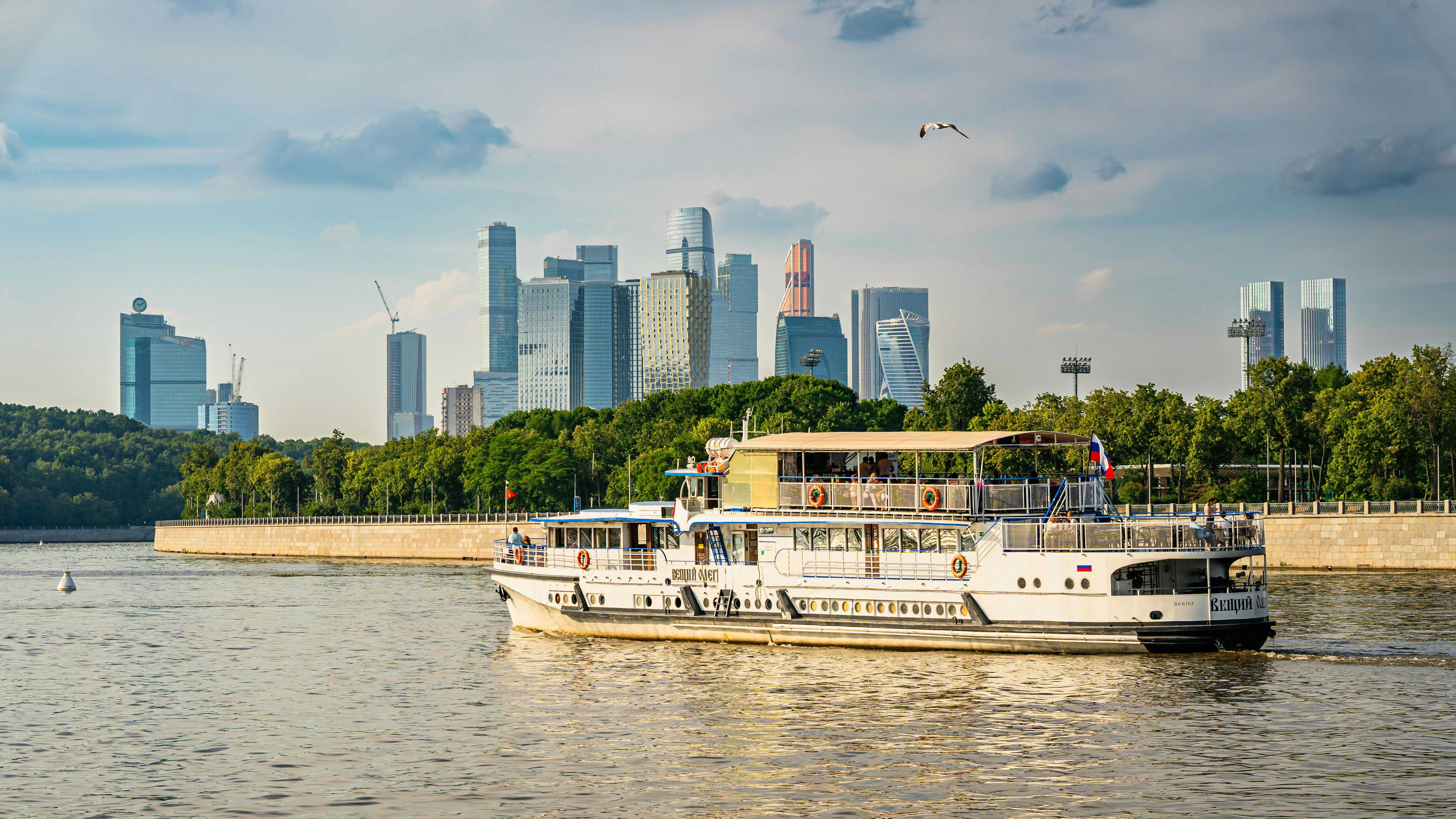
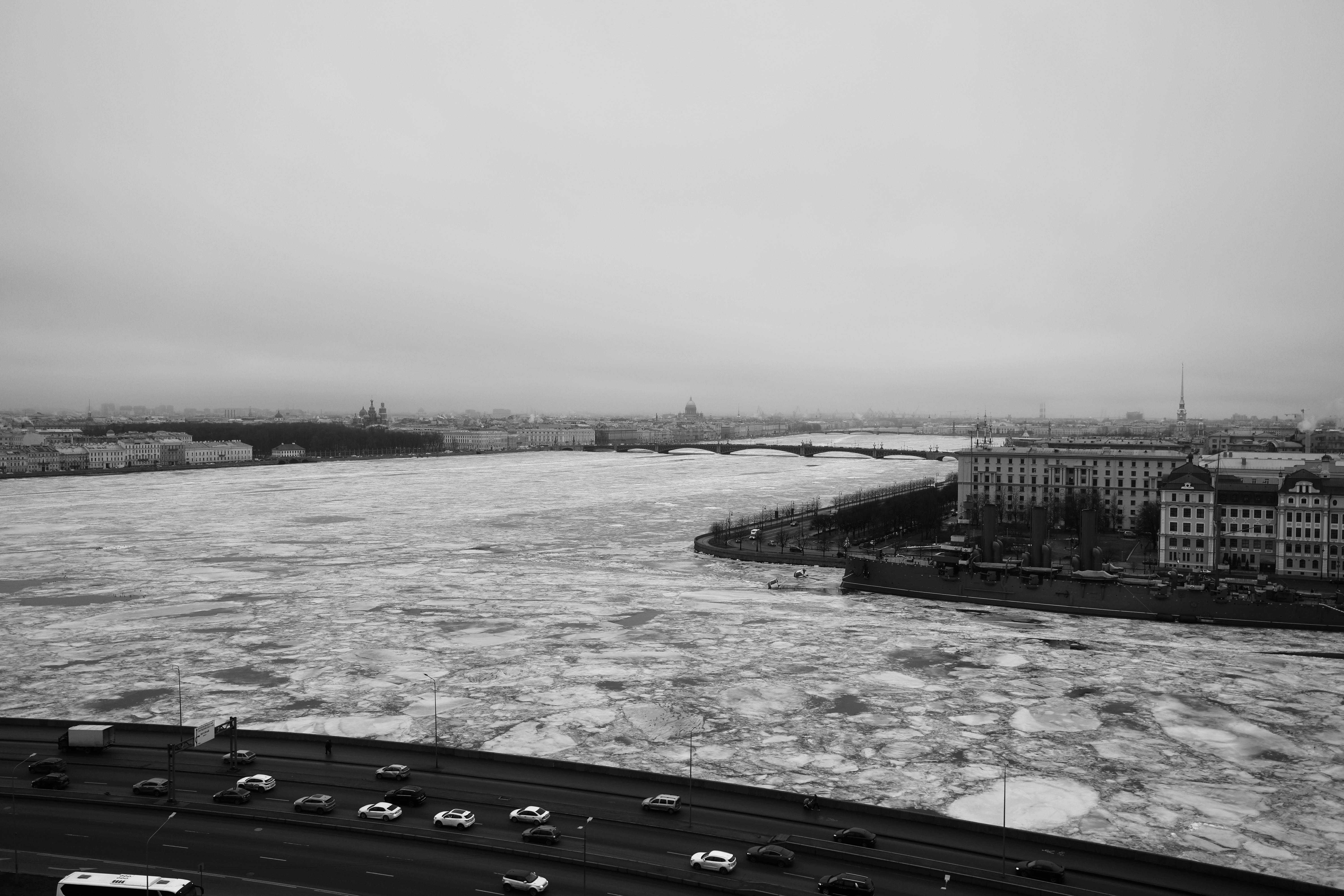
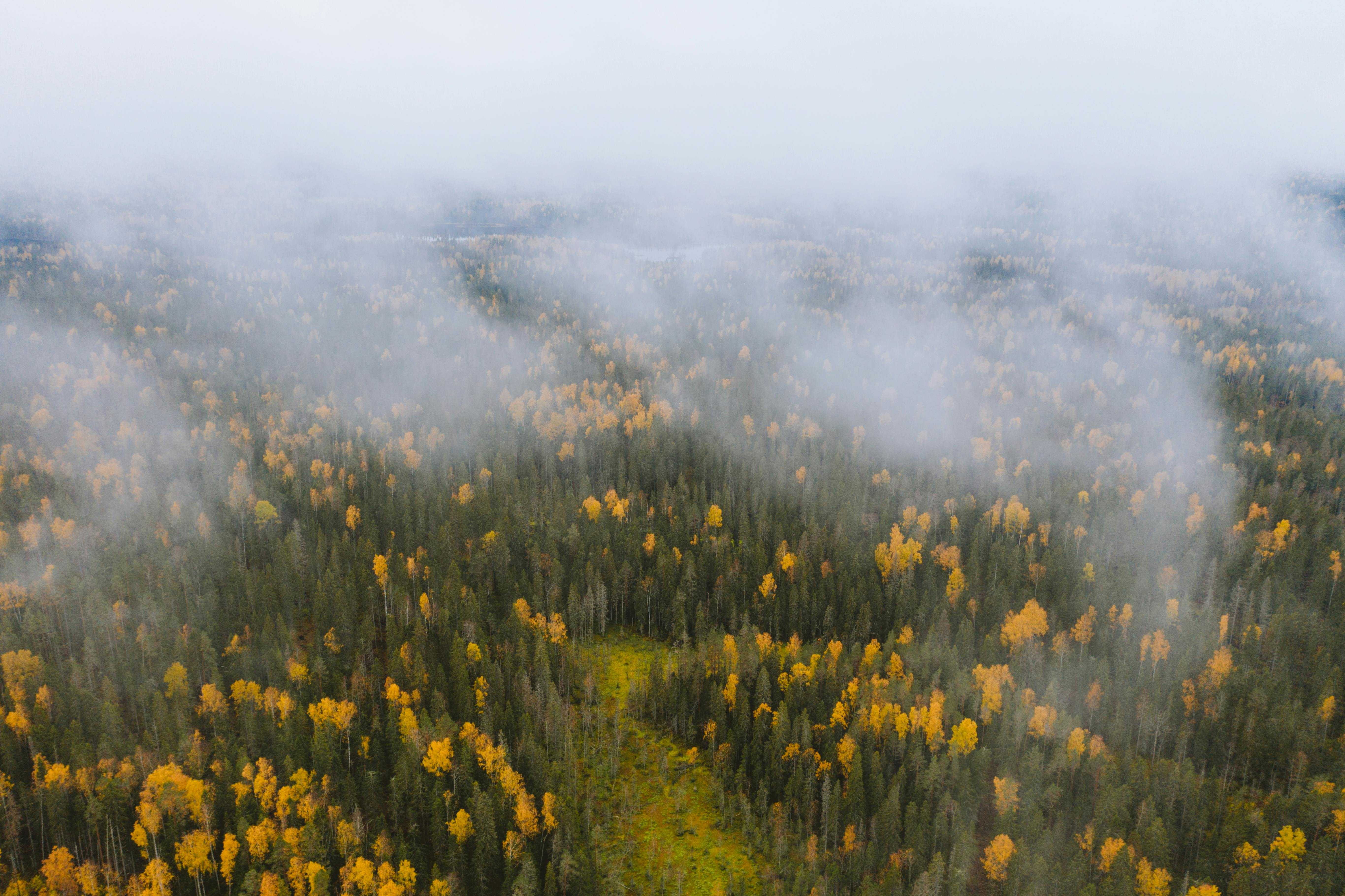
Russia, the world\'s largest country, spans eleven time zones across Eastern Europe and Asia. Its landscape ranges from tundra and forests to subtropical beaches. Russia is home to iconic landmarks like St. Basil\'s Cath…

#Eastern Europe#Eurasia#Cold climate#Vast land area#Rich cultural history
1/19

Top hotels & flights

Hand-picked stays and the best fares into Russia.

Top Hotels in Moscow

Top Flights to Moscow

Popular activities

Tours, tickets and experiences travelers book most in Russia.

Tours

Kremlin and Red Square Tour

Explore the heart of Russia with a visit to the iconic Red Square and the historical Kremlin, the seat of Russian power.

St. Petersburg Hermitage Museum Visit

Visit one of the largest and oldest museums in the world, offering an extensive collection of art and cultural artifacts.

Catherine Palace Tour

Step into Russian imperial history at the magnificent Catherine Palace in Tsarskoye Selo.

Kazan Kremlin Exploration

Discover the UNESCO World Heritage site of Kazan Kremlin, a unique complex blending Tatar and Russian cultures.

Shopping

Arbat Street Shopping

Stroll along one of Moscow's most famous streets, known for its vibrant atmosphere and cultural significance.

Izmailovsky Market Visit

Explore Moscow's premier souvenir market, offering traditional Russian crafts, antiques, and unique gifts.

Outdoor

Hiking in the Caucasus Mountains

Experience the breathtaking natural beauty of Russia with a guided hike in the Caucasus, home to Mount Elbrus.

Lake Baikal Cruise

Discover the world's deepest and oldest freshwater lake with a scenic cruise around Lake Baikal.

Trans-Siberian Railway Journey

Embark on a cross-continental train journey from Moscow to Vladivostok, taking in diverse cultures and landscapes.

Skiing in Sochi

Enjoy winter sports at the modern ski resorts of Sochi, host of the 2014 Winter Olympics.

Location videos

Real reels from travelers, plus longer watches to get the full picture.

From travelers
Watch & explore

Practical info

The essentials for planning your time in Russia.

Currency
₽ | RUB | Russian Ruble
Population
The approximate estimated total population of Russia is '146.4 million'.
Languages
Russian, Russian, Tatar, Ukrainian, Bashkir, Chuvash
Average weather
Russia
Jan
snow
-10°-20°
Feb
snow
-8°-18°
Mar
cold
-2°-12°
Apr
cloud
6°-4°
May
sun
15°4°
Jun
sun
21°10°
Jul
sun
24°13°
Aug
sun
22°11°
Sep
cloud
16°6°
Oct
cloud
8°0°
Nov
cold
-2°-10°
Dec
snow
-8°-18°

Local guide

What travelers love, what to watch for, and a deeper read on Russia.

What people love

Traveling to Russia offers a unique and diverse experience with a rich cultural heritage, stunning architecture, and breathtaking landscapes. Here are some pros of traveling to Russia:

  1. Rich History and Culture: Russia has a long and fascinating history, with numerous historical sites and museums to explore. Visitors can learn about the country's tsarist past, Soviet era, and modern developments.

  2. Architectural Marvels: Russia is home to iconic architectural landmarks such as the Kremlin in Moscow, St. Basil's Cathedral, and the Hermitage Museum in St. Petersburg. These sites showcase the country's unique blend of Eastern and Western influences.

  3. Natural Beauty: Russia boasts diverse landscapes, including the majestic Caucasus Mountains, the stunning Lake Baikal, and the picturesque Golden Ring towns. Outdoor enthusiasts can enjoy activities such as hiking, skiing, and wildlife spotting.

  4. Vibrant Cities: Russia's major cities like Moscow and St. Petersburg offer a vibrant mix of art, culture, and nightlife. Visitors can explore world-class theaters, art galleries, and restaurants, as well as experience the local music and dance scene.

  5. Warm Hospitality: Despite its reputation for being a stoic nation, Russians are known for their warmth and hospitality towards visitors. Travelers can expect to be welcomed with open arms and experience genuine Russian hospitality.

Overall, traveling to Russia can be a rewarding and enriching experience for those looking to explore a country with a rich history, stunning architecture, and diverse landscapes.

What to know

Traveling to Russia can have some cons, including:

  1. Language Barrier: While English is spoken in major tourist areas, many Russians do not speak English well. This may lead to communication difficulties, especially in more remote areas.

  2. Bureaucracy: Russia is known for its bureaucratic processes, which can be time-consuming and frustrating for tourists. This may be evident in obtaining visas, registering with authorities, or dealing with other administrative tasks.

  3. Weather: Russia experiences extreme weather conditions, with very cold winters and hot summers. Travelers may need to pack appropriately for the weather and be prepared for sudden changes.

  4. Safety Concerns: While Russia is generally safe for tourists, there have been reports of petty crime such as pickpocketing in tourist areas. It's essential to stay vigilant and take precautions to ensure your safety.

  5. Cultural Differences: Russia has a unique culture and customs that may differ from what travelers are accustomed to. Understanding and respecting these cultural differences is crucial to having a positive experience in the country.

  6. Political Tensions: Russia has been involved in political tensions with other countries, which may impact travel plans or safety considerations. Travelers should stay informed about current events and any travel advisories related to the region.

These are some of the cons to consider when traveling to Russia. It's essential to plan ahead, stay informed, and be prepared for any challenges that may arise during your trip.

Russia, officially known as the Russian Federation, is the largest country in the world by land area, spanning from Eastern Europe to Northern Asia. Here is a brief history of Russia:

  • Early History: The history of Russia dates back to ancient times when various Slavic tribes inhabited the region. The Viking Rurik dynasty established the Kievan Rus' state in the 9th century, which laid the foundation for the Russian nation.

  • Mongol Rule: In the 13th century, the Mongol Empire invaded the territory of Kievan Rus', leading to more than two centuries of Mongol rule known as the "Mongol Yoke."

  • The Rise of Moscow: The city of Moscow emerged as a prominent center of power in the 14th century under the leadership of Ivan III, also known as Ivan the Great. He expanded the Grand Duchy of Moscow and declared Russia's independence from the Mongols.

  • The Romanov Dynasty: The Romanov dynasty came to power in 1613 with the election of Michael Romanov as the Tsar of Russia. The Romanovs ruled Russia for over three centuries until the Russian Revolution in 1917.

  • Peter the Great: Peter the Great, who ruled from 1682 to 1725, is known for his modernization efforts and westernization of Russia. He established the city of St. Petersburg and expanded Russia's borders.

  • The Russian Empire: Under the rule of Catherine the Great in the 18th century, Russia expanded its territory significantly, including the annexation of Crimea and parts of Poland.

  • The Bolshevik Revolution: The Russian Revolution of 1917 led to the overthrow of the Romanov dynasty and the establishment of the Soviet Union under the leadership of the Bolsheviks, led by Vladimir Lenin.

  • Soviet Era: The Soviet Union, with Russia as its largest republic, became a superpower in the 20th century. The era was marked by industrialization, collectivization, repression, and the Cold War rivalry with the United States.

  • Fall of the Soviet Union: The Soviet Union collapsed in 1991, leading to the independence of Russia and other former Soviet republics. Boris Yeltsin became the first president of the Russian Federation.

  • Modern Russia: Since the 1990s, Russia has undergone significant political, social, and economic changes. Vladimir Putin, who served as president and prime minister, has been a dominant figure in Russian politics.

Significant landmarks in Russia include the Kremlin and Red Square in Moscow, the Hermitage Museum in St. Petersburg, the Trans-Siberian Railway, Lake Baikal, and the Saint Basil's Cathedral.

Please note that this is a brief overview of Russia's history, and there are many more events, figures, and landmarks that have shaped the country over the centuries.