
Sulu
· PH

Sulu

Sulu, Philippines

Dive into the Heart of the Sulu Archipelago: Where History Meets Paradise Sulu, a province scattered across a breathtaking archipelago in the southwestern Philippines, invites you to experience a unique blend of history,…

#island province#Muslim culture#historical sites#tropical climate#marine biodiversity
1/3

Top hotels & flights

Hand-picked stays and the best fares into Sulu.

Top Hotels in Sulu

Top Flights to Sulu

Popular activities

Tours, tickets and experiences travelers book most in Sulu.

Tours

Discover Bud Dajo National Park

Visit Bud Dajo National Park, a historic site with stunning views, ideal for nature lovers and history buffs.

Discover Sulu's Historical Sites

Explore the historical landmarks around Jolo that narrate the fascinating past of the region.

Shopping

Jolo Municipal Market Visit

Experience local life and shop for fresh produce and traditional products at Jolo's bustling market.

Sulu Pearl Shopping

Shop for unique Sulu pearls and traditional crafts that make perfect souvenirs.

Outdoor

Explore the Beauty of Tubbataha Reefs Natural Park

Discover the stunning underwater ecosystem of Tubbataha Reefs, a UNESCO World Heritage Site. Perfect for diving enthusiasts.

Visit Sulu's White Sandy Beaches

Relax and enjoy the pristine white sandy beaches of Sulu, perfect for a leisurely day by the sea.

Tour of Mauboh Peak

Climb Mauboh Peak for breathtaking views of Sulu and beyond. A perfect spot for photography and nature walks.

Practical info

The essentials for planning your time in Sulu.

Currency
₱ | PHP | Philippine Peso
Population
The approximate estimated total population of Sulu, Philippines is '1 million'.
Languages
Tausug, Tausug, Bahasa Melayu, English, Arabic

Local guide

What travelers love, what to watch for, and a deeper read on Sulu.

What people love

Sulu, an archipelago province in the Philippines, is part of the Bangsamoro Autonomous Region in Muslim Mindanao (BARMM). Traveling to Sulu can offer unique experiences, although visitors should be mindful of current travel advisories due to security concerns in certain areas. Here are some potential pros of traveling to Sulu:

  1. Natural Beauty:

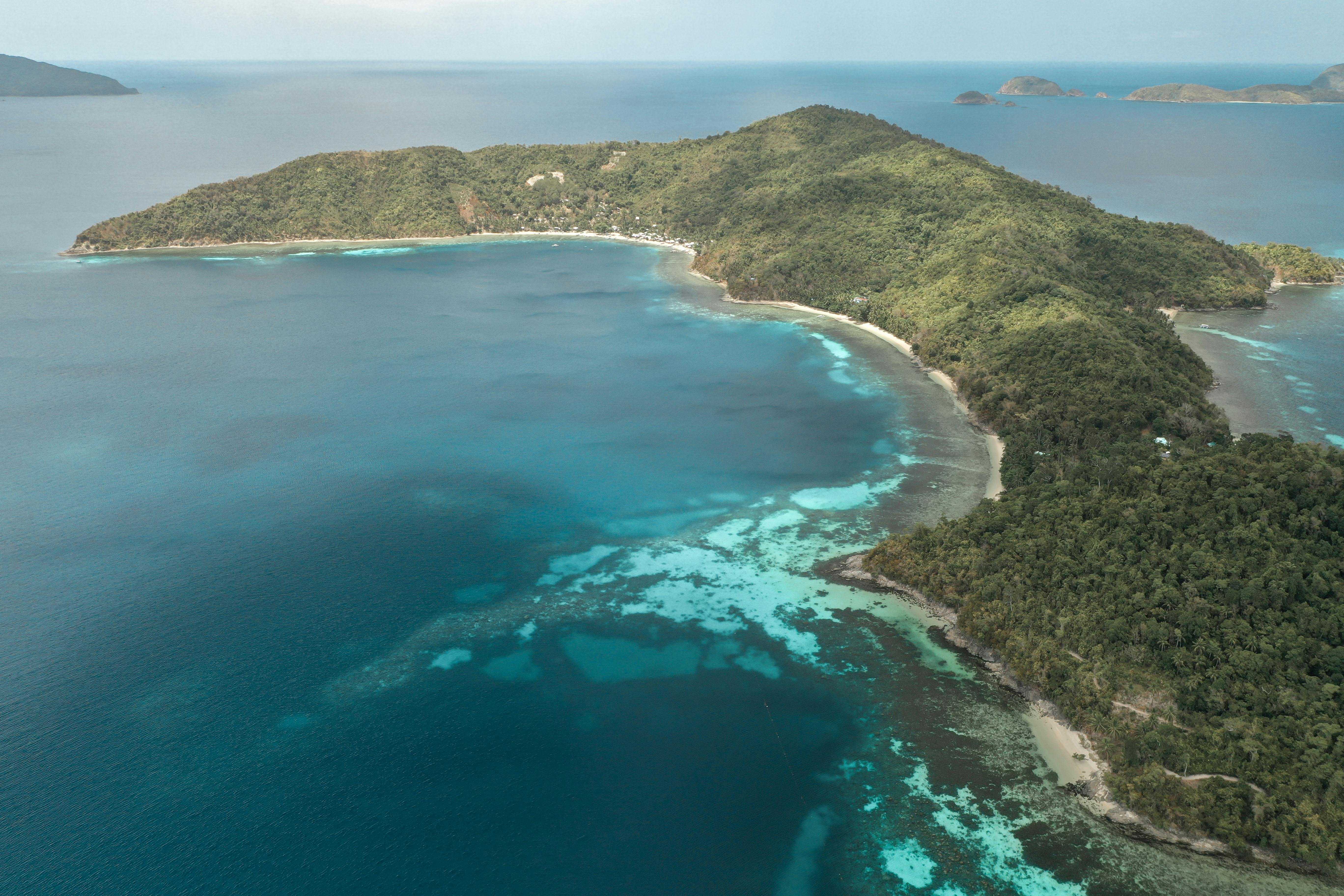
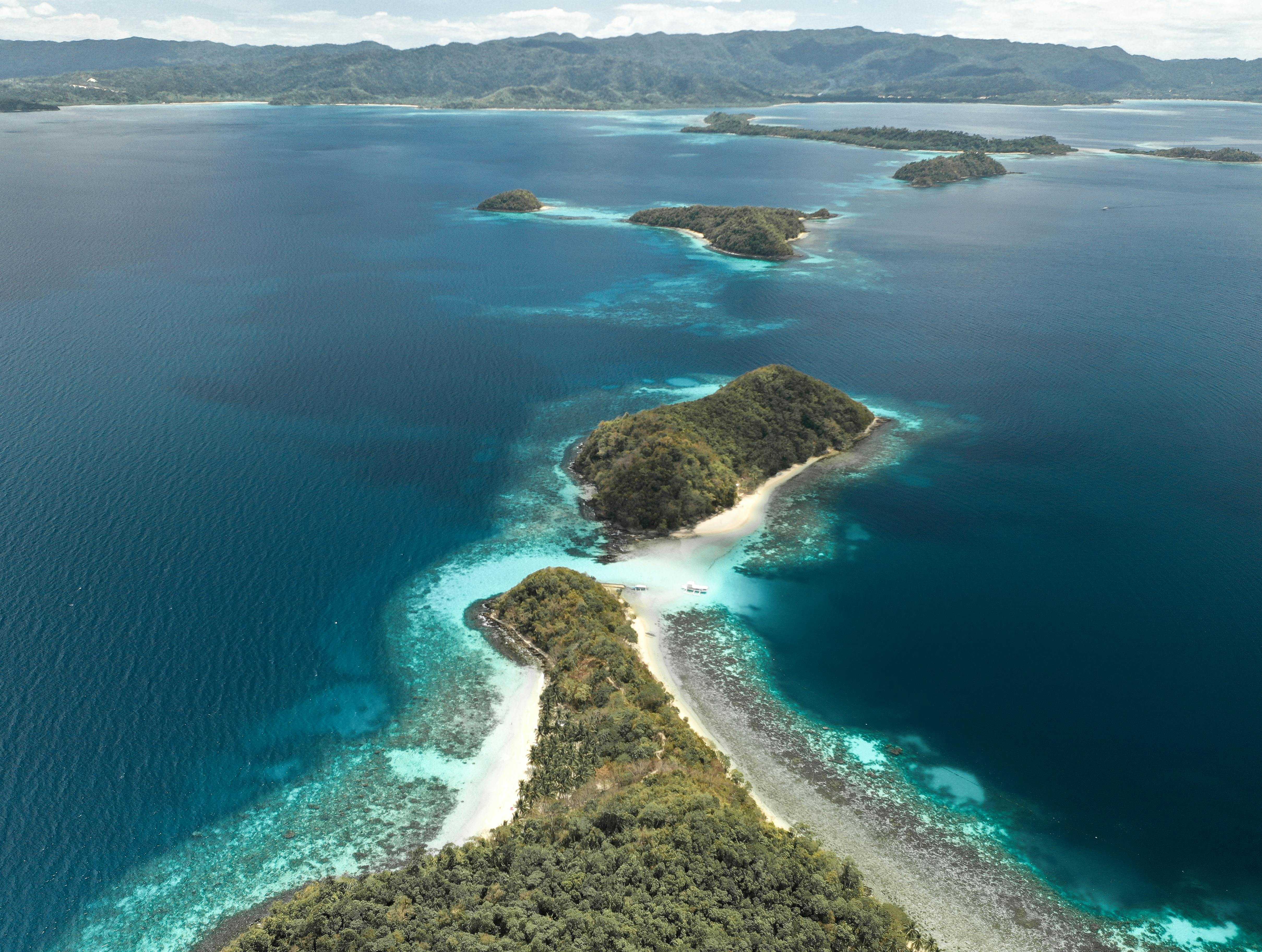
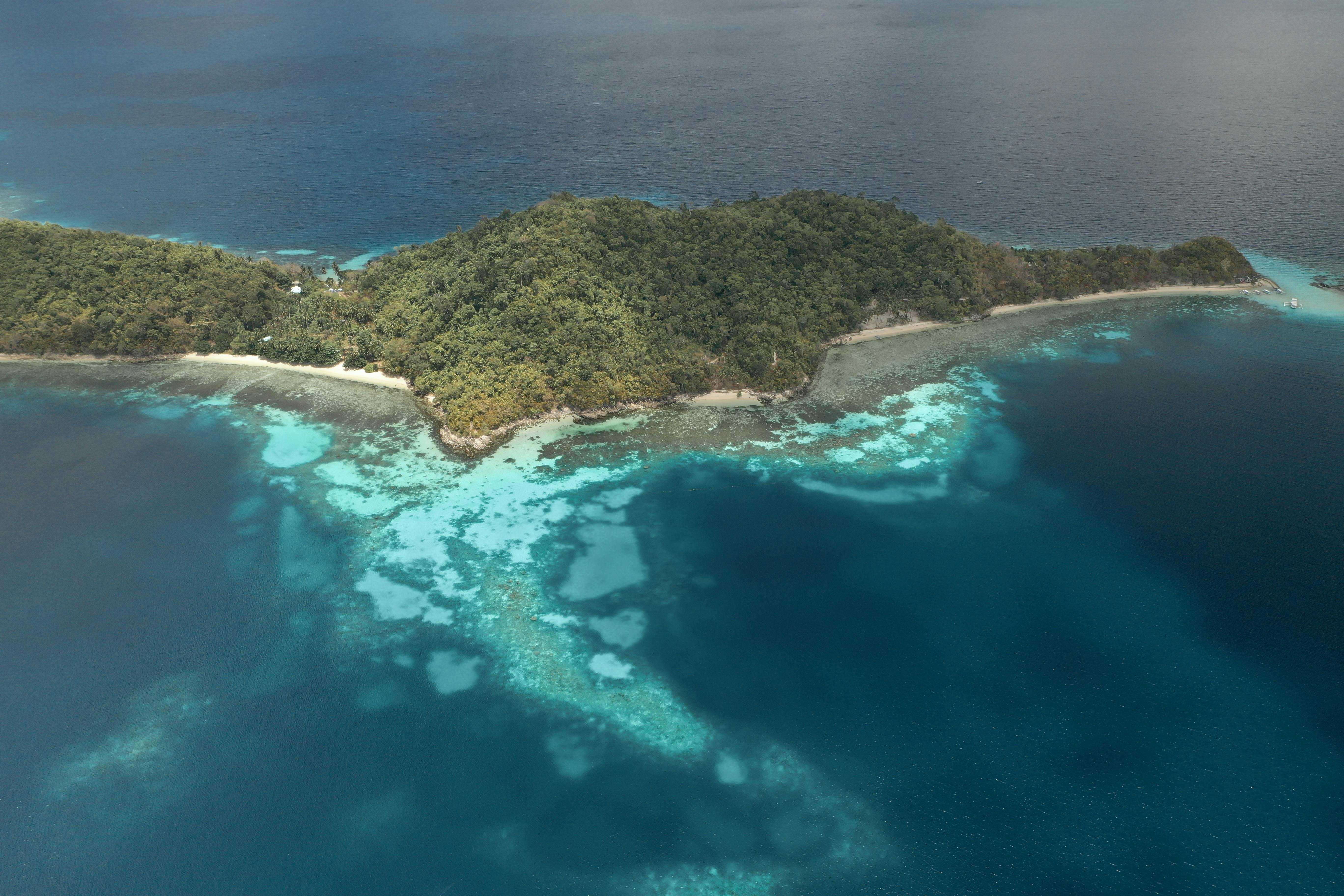
    • Sulu is known for its beautiful and pristine natural landscapes. The province is home to stunning beaches, clear blue waters, and rich marine biodiversity.
    • The Tubbataha Reefs Natural Park, although more associated with the nearby Palawan region, is part of the Sulu Sea and is a UNESCO World Heritage Site, offering exceptional diving opportunities.
  2. Cultural Experience:

    • Sulu has a rich cultural heritage with influences from various ethnic groups, including the Tausug people. Travelers can immerse themselves in the local culture, traditions, and customs.
    • Visitors may experience traditional dances, music, and local crafts that reflect the unique cultural identity of the region.
  3. Historical Sites:

    • There are historical landmarks and sites in Sulu that reflect its storied past, including ancient forts and mosques that date back centuries.
  4. Culinary Adventure:

    • Sulu offers a diverse range of local cuisine that is distinct from other parts of the Philippines. The use of native spices and ingredients results in unique flavors that can be a delight for food enthusiasts.
  5. Adventure and Exploration:

    • For those interested in adventure, Sulu offers opportunities for exploration, such as hiking and island-hopping, providing a chance to discover less-traveled paths and secluded areas.

It's important to note that while Sulu has much to offer, potential travelers should stay informed about the current security situation and heed any travel advisories issued by their respective governments. As of my last update, there were ongoing security concerns, so checking the latest travel advice is crucial before planning a visit.

What to know

Traveling to Sulu, located in the Philippines, can have several potential cons due to the security situation in the region. Sulu is known to have a history of conflict and violence, primarily related to insurgent groups and criminal activities. Some of the cons of traveling to Sulu include:

  1. Safety Concerns: Sulu has been a hotspot for terrorist activities and kidnappings in the past. The presence of insurgent groups such as the Abu Sayyaf Group has led to security risks for travelers in the region.

  2. Travel Restrictions: The Philippine government may have travel advisories or restrictions in place for areas like Sulu due to safety concerns. These restrictions may limit the movement of travelers and affect access to essential services.

  3. Limited Infrastructure: Sulu may have limited infrastructure and amenities for tourists. Accommodation options, transportation services, and other facilities may not be as developed as in more popular tourist destinations.

  4. Cultural Sensitivities: Sulu has a predominantly Muslim population, and travelers should be respectful of local customs, traditions, and religious practices. Failing to do so could lead to misunderstandings or cultural conflicts.

  5. Communication Challenges: English may not be widely spoken in Sulu, which can pose challenges for travelers who do not speak the local language. This can make it difficult to communicate with locals and navigate daily interactions.

  6. Health and Medical Services: Access to quality healthcare facilities and medical services may be limited in Sulu. Travelers should ensure they have adequate medical insurance coverage and take necessary precautions for their health and well-being.

It is important to note that the situation in Sulu can change rapidly, and travelers are advised to stay informed about the latest developments and consult official travel advisories before planning a trip to the region.

Please be aware that this information is based on general knowledge and may not cover all potential cons of traveling to Sulu. It is crucial to conduct thorough research and assess the current situation before making any travel plans to this region.

Sulu is a province in the Philippines located in the Bangsamoro Autonomous Region in Muslim Mindanao (BARMM). It is an archipelago consisting of numerous islands, with Jolo being its capital. The province has a rich history that dates back many centuries, influenced by various cultures and significant historical events. Here is a detailed history of Sulu:

Early History

  • Pre-Islamic Era: Sulu was originally inhabited by indigenous tribes. The early inhabitants practiced animism and had their own indigenous belief systems.

  • Introduction of Islam: Islam was introduced to Sulu in the late 13th or early 14th century by Arab and Malay traders. The arrival of Karim ul-Makhdum, an Arab missionary, is traditionally credited with bringing Islam to the region. He established the first mosque in the Philippines, the Sheikh Karimul Makhdum Mosque, located on Simunul Island.

Sultanate of Sulu

  • Establishment: The Sultanate of Sulu was established in 1457 by a Johore-born Arab explorer and religious scholar, Sayyid Abu Bakr Abirin, who became the first Sultan after marrying a local princess.

  • Expansion and Influence: The Sultanate of Sulu became a powerful and influential entity in the region, extending its rule over parts of Mindanao, Palawan, and even Borneo. It engaged in trade and maintained diplomatic relations with neighboring regions and countries.

  • Spanish Colonization: The Spanish attempted to colonize Sulu in the late 16th century but faced resistance from the local population. The Sultanate remained an independent entity throughout much of the Spanish colonial period, although there were intermittent conflicts.

American and Japanese Periods

  • American Colonization: Following the Spanish-American War and the Treaty of Paris in 1898, Sulu came under American control. The United States established military rule in the region, leading to the Moro Rebellion which lasted from 1899 to 1913 as local Moro groups resisted American rule.

  • Japanese Occupation: During World War II, Sulu was occupied by Japanese forces. The local population suffered under the occupation, and there was resistance from guerrilla groups.

Post-War Period and Modern Era

  • Integration into the Philippines: After World War II, Sulu was integrated into the Republic of the Philippines. It became a province within the newly independent nation.

  • Autonomy Movements: Sulu has been part of the broader Moro struggle for autonomy and self-determination. This has included involvement in the Moro National Liberation Front (MNLF) and the later formation of the Bangsamoro Autonomous Region.

Significant Landmarks

  • Sheikh Karimul Makhdum Mosque: The oldest mosque in the Philippines, a historic site on Simunul Island.

  • Jolo Cathedral: Located in the capital town of Jolo, it has been a significant site for the Christian community.

  • Bud Dajo: A dormant volcano on Jolo island, known for the Battle of Bud Dajo in 1906, where American forces clashed with Moro insurgents.

  • Tulay Mosque: One of the largest mosques in the Philippines, located in Jolo.

Recent Developments

  • Peace Efforts: Efforts to bring peace and development to Sulu have continued, with the establishment of the Bangsamoro Autonomous Region in Muslim Mindanao (BARMM) in 2019, aiming to provide greater autonomy to the region.

Sulu's history is marked by its strategic location, cultural diversity, and the resilience of its people amidst various external influences and internal challenges.