
Philippines
· PH

Philippines

Philippines

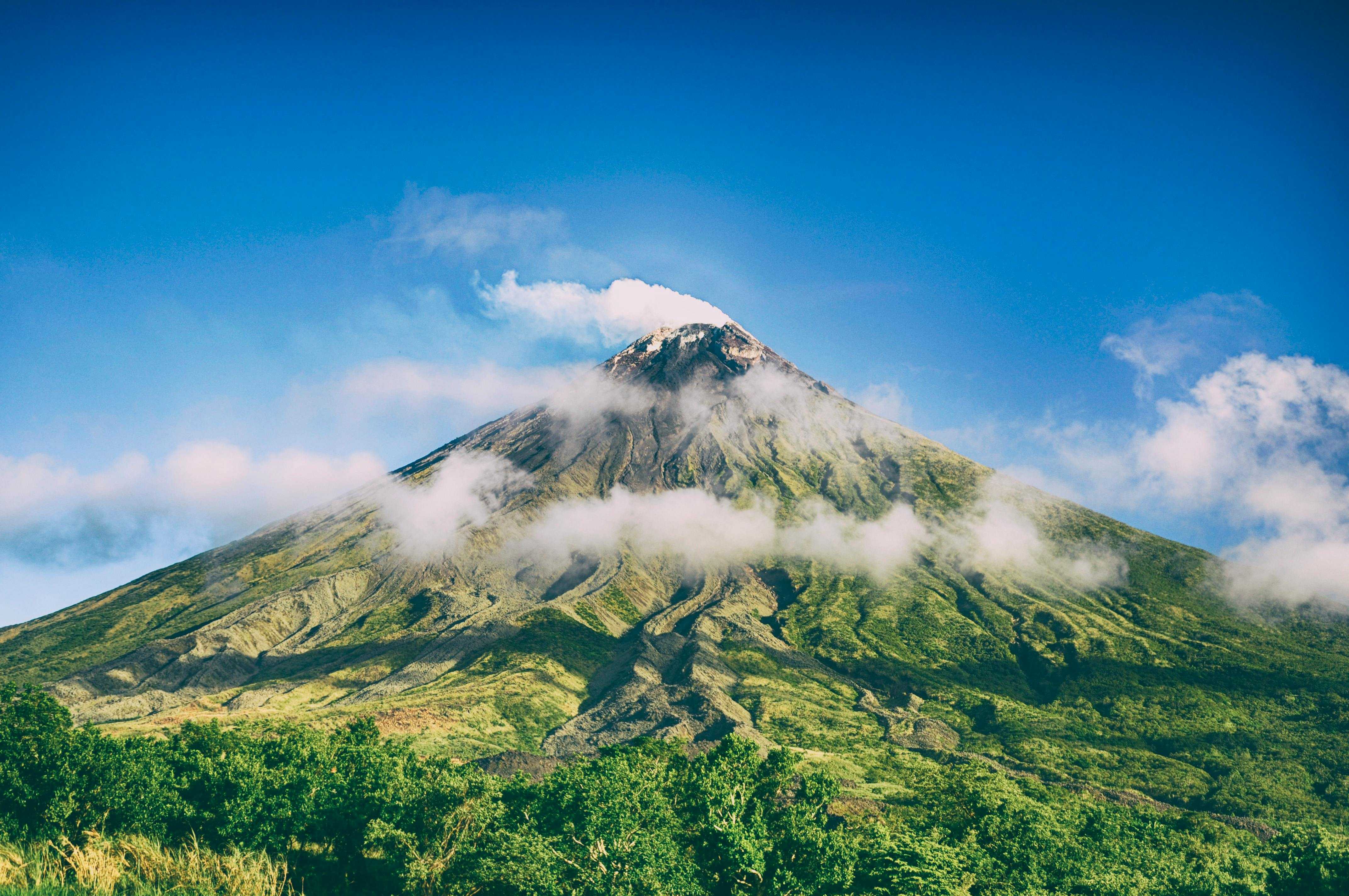
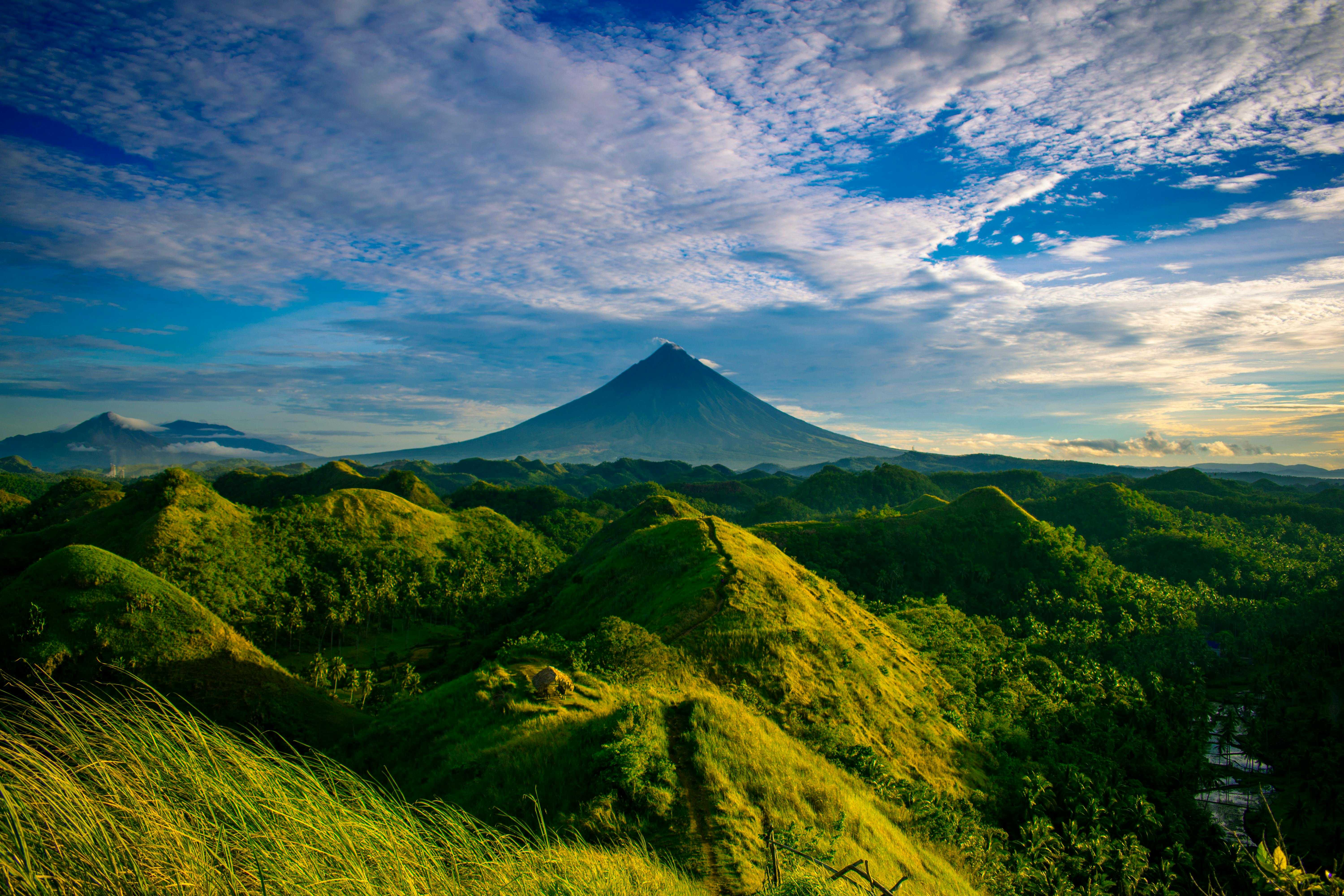
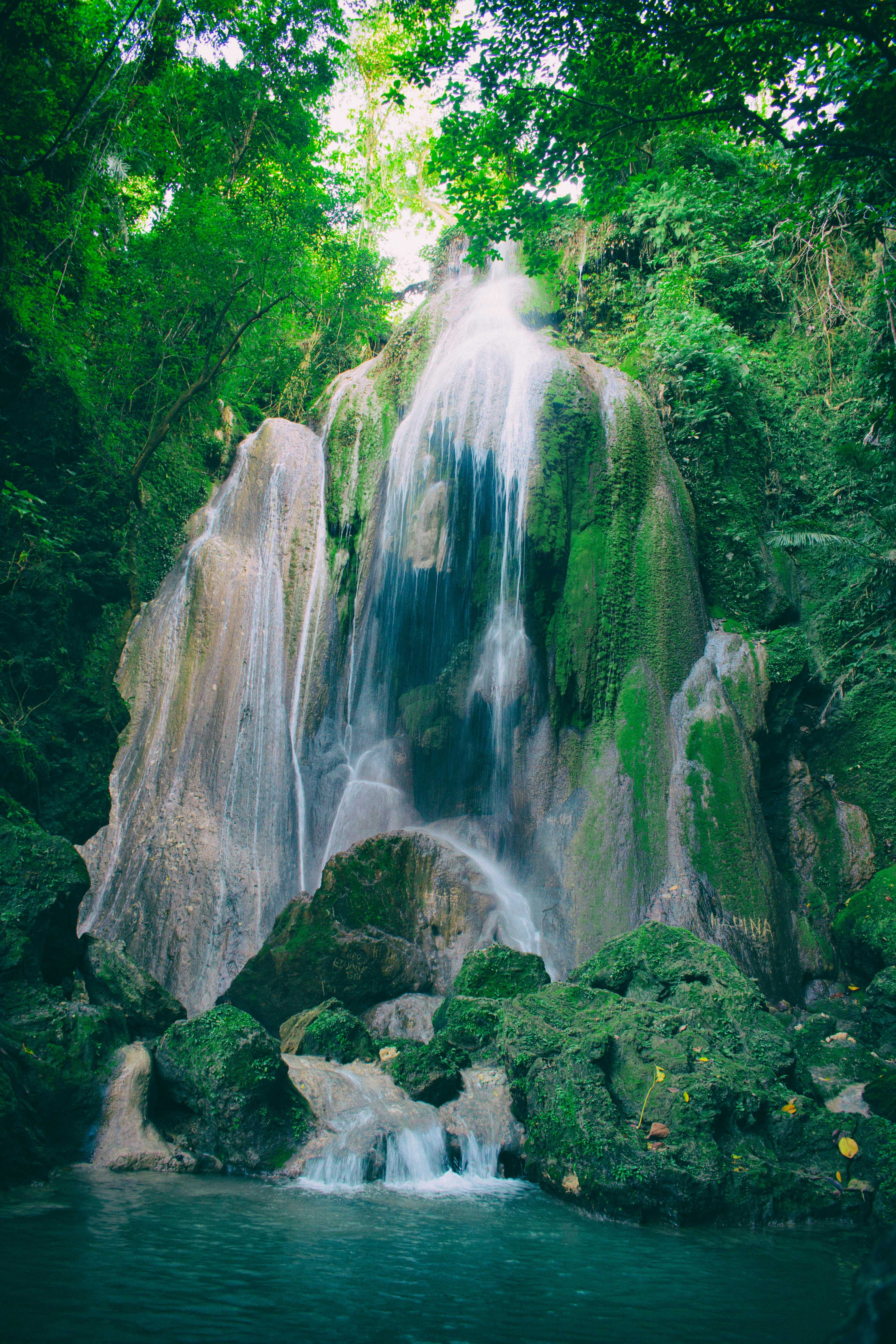
The Philippines, an archipelagic country in Southeast Asia, is known for its stunning natural beauty, vibrant culture, and warm hospitality. Comprising over 7,640 islands, the country boasts pristine beaches, lush rice t…

#Southeast Asia#Archipelago#Tropical climate#Filipino culture#Beaches
1/8

Top hotels & flights

Hand-picked stays and the best fares into Philippines.

Top Hotels in Manila

Top Flights to Manila

Popular activities

Tours, tickets and experiences travelers book most in Philippines.

Tours

Manila Tour

Explore the vibrant capital city of the Philippines, known for its historical landmarks and bustling city life.

Cebu City Historical Tour

Discover the rich history and culture of Cebu through its historical landmarks and sites.

Baguio City Vacation

Enjoy the cool weather, beautiful parks, and vibrant market life in the summer capital of the Philippines.

Outdoor

Beach Day at Boracay

Enjoy the pristine white-sand beaches, vibrant nightlife, and water activities.

Location videos

Real reels from travelers, plus longer watches to get the full picture.

Watch & explore

Practical info

The essentials for planning your time in Philippines.

Currency
₱ | PHP | Philippine Peso Republic of the Philippines
Population
113.9 million
Languages
Filipino, Filipino, English
Average weather
Philippines
Jan
rain
30°22°
Feb
rain
31°22°
Mar
sun
32°23°
Apr
sun
33°24°
May
hot
33°25°
Jun
rain
32°25°
Jul
rain
31°25°
Aug
rain
31°25°
Sep
rain
31°24°
Oct
rain
31°24°
Nov
cloud
31°24°
Dec
cloud
30°23°

Local guide

What travelers love, what to watch for, and a deeper read on Philippines.

What people love

The Philippines is a beautiful country with a rich cultural heritage and stunning natural landscapes. Some of the pros of traveling to the Philippines include:

  1. Beautiful Beaches: The Philippines is home to some of the most beautiful beaches in the world, with crystal clear waters, white sand beaches, and vibrant coral reefs. Popular destinations such as Boracay, Palawan, and Cebu offer a tropical paradise for beach lovers.

  2. Diverse Culture: The Philippines is a melting pot of different cultures, with influences from Spanish, American, Chinese, and indigenous traditions. Visitors can experience a wide range of cultural festivals, music, dance, and cuisine throughout the country.

  3. Warm Hospitality: Filipinos are known for their warm hospitality and friendly nature. Travelers to the Philippines can expect to be greeted with smiles and kindness wherever they go, making for a welcoming and pleasant travel experience.

  4. Adventure Activities: The Philippines offers a wide range of adventure activities for thrill-seekers, including diving, snorkeling, surfing, hiking, and zip-lining. With its diverse landscapes, from mountains to volcanoes to rice terraces, there are plenty of opportunities for outdoor adventure.

  5. Affordable Travel: The Philippines is known for being a budget-friendly travel destination, with affordable accommodation, food, transportation, and activities. Travelers can enjoy a high-quality travel experience without breaking the bank.

Overall, traveling to the Philippines offers a mix of natural beauty, cultural experiences, warm hospitality, adventure activities, and affordability, making it a popular destination for travelers from around the world.

What to know

Some cons of traveling to the Philippines may include:

  1. Typhoons and Natural Disasters: The Philippines is prone to typhoons, earthquakes, and other natural disasters, especially during the rainy season (June to November). Travelers should stay informed about weather conditions and be prepared for potential disruptions to their travel plans.
  2. Traffic and Transportation: Traffic congestion is a common problem in major cities like Manila, which can lead to delays and frustration for travelers. Public transportation options may not always be reliable or convenient, especially in rural areas.
  3. Safety Concerns: While most areas in the Philippines are safe for tourists, there are some regions where crime rates are higher. Travelers should take precautions to ensure their safety, such as avoiding isolated areas at night and being vigilant with their belongings.
  4. Health Risks: There are certain health risks associated with traveling to the Philippines, including mosquito-borne diseases like dengue fever and malaria. Travelers should take necessary precautions, such as using insect repellent and taking antimalarial medication if traveling to high-risk areas.
  5. Language Barrier: While English is widely spoken in the Philippines, there may still be language barriers in more remote or rural areas. Travelers may encounter difficulties communicating with locals in these areas.
  6. Limited Infrastructure: Some parts of the Philippines, particularly in rural areas, may have limited infrastructure and amenities. Travelers should be prepared for basic accommodations and facilities in these areas.
  7. Cultural Sensitivities: Travelers should be respectful of Philippine culture and customs, such as conservative dress codes in certain places of worship and sensitivity to local traditions and beliefs.

It's important to note that these cons should not deter travelers from visiting the Philippines, as it is a beautiful and diverse destination with much to offer. With proper planning and precautions, travelers can have a safe and enjoyable experience in the country.

Pre-Colonial Period

The history of the Philippines dates back to over 30,000 years ago when the first inhabitants are believed to have migrated via land bridges from Asia. Early societies were organized into small communities or barangays, which were led by local chieftains called datus.

Spanish Colonization (1521–1898)

  • 1521: Ferdinand Magellan, a Portuguese explorer sailing for Spain, arrived in the Philippines. Magellan was killed in the Battle of Mactan by the forces of Lapu-Lapu, a local chieftain.
  • 1565: Spanish colonization began with Miguel López de Legazpi establishing the first permanent settlement in Cebu, and later moving to Manila in 1571, which became the capital of the Spanish East Indies.
  • Spanish Rule: The Spanish introduced Christianity, established numerous churches, and integrated the archipelago into the global trade network through the Manila-Acapulco Galleon Trade.
  • Revolts and Resistance: Various uprisings occurred, such as the Dagohoy Rebellion (1744–1829), led by Francisco Dagohoy, which was the longest Filipino revolt against Spanish rule.

Philippine Revolution and American Colonization (1896–1946)

  • 1896: The Philippine Revolution began, led by figures like Andrés Bonifacio and Emilio Aguinaldo.
  • 1898: The Spanish-American War ended with the Treaty of Paris, where Spain ceded the Philippines to the United States for $20 million.
  • 1899–1902: The Philippine-American War ensued as Filipinos resisted American colonization. Emilio Aguinaldo was captured in 1901, leading to the end of organized resistance.
  • American Rule: The U.S. established a civilian government, introduced public education, and managed infrastructural development. The Jones Act of 1916 promised eventual independence.

World War II and the Japanese Occupation (1941–1945)

  • 1941: Japan invaded the Philippines, leading to the Battle of Bataan and the infamous Bataan Death March in 1942.
  • 1944–1945: Allied forces, led by General Douglas MacArthur, returned to liberate the Philippines, culminating in the Battle of Leyte Gulf.

Independence and Modern Era (1946–present)

  • 1946: The Philippines gained independence from the United States on July 4, 1946.
  • 1965–1986: Ferdinand Marcos was elected president, later declaring Martial Law in 1972. His regime was marked by corruption and human rights abuses.
  • 1986: The People Power Revolution, led by Corazon Aquino and supported by figures like Benigno Aquino Jr., ousted Marcos.
  • 1992: The U.S. closed its military bases in the Philippines.
  • 21st Century: The Philippines has faced challenges such as political instability, economic fluctuations, natural disasters, and insurgencies.

Significant Landmarks

  • Intramuros, Manila: A historic walled city established during the Spanish era.
  • Rizal Park, Manila: Named after national hero José Rizal, who was executed here in 1896.
  • Banaue Rice Terraces: Ancient terraces carved into the mountains of Ifugao by indigenous people over 2,000 years ago.
  • Chocolate Hills, Bohol: A geological formation of over 1,200 hills.
  • Taal Volcano, Batangas: One of the most active volcanoes in the country, located on an island in Taal Lake.

Notable Historical Figures

  • José Rizal: National hero and reformist whose writings inspired the Philippine Revolution.
  • Andrés Bonifacio: Founder of the Katipunan, a revolutionary society that fought against Spanish colonization.
  • Emilio Aguinaldo: The first President of the Philippines, who led forces against Spanish and American rule.
  • Corazon Aquino: The first female president of the Philippines, who restored democracy after the Marcos dictatorship.

The Philippines has a rich and diverse history, shaped by its indigenous cultures, colonial past, and struggle for independence. Today, it is a vibrant nation with a complex social and political landscape.