
Explore Santa Catarina
Top cities in Santa Catarina
Pick a city to open its guide.
See it for yourself
Location videos
Reels and longer watches.
Traveller clips picked out for this place.
Good to know
Practical info
Weather, costs and getting around.
Know before you go
Local guide
A deeper read on Santa Catarina.
What people love
Santa Catarina, located in southern Brazil, is a popular destination known for its beautiful beaches, picturesque landscapes, and charming towns. Here are some of the pros of traveling to Santa Catarina:
-
Beaches: Santa Catarina is home to some of the most stunning beaches in Brazil, with crystal-clear waters and golden sands. Popular beaches like Florianópolis, Bombinhas, and Balneário Camboriú offer a wide range of water activities such as surfing, snorkeling, and diving.
-
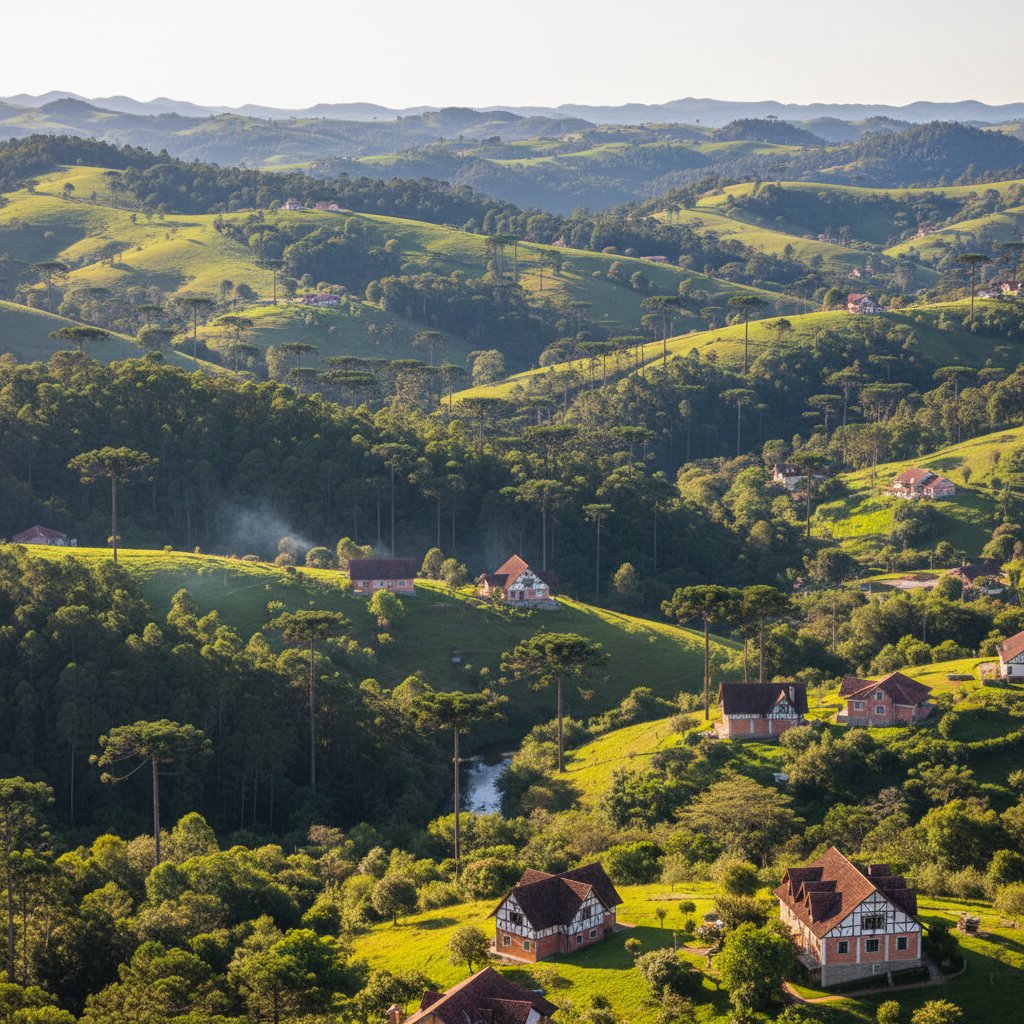
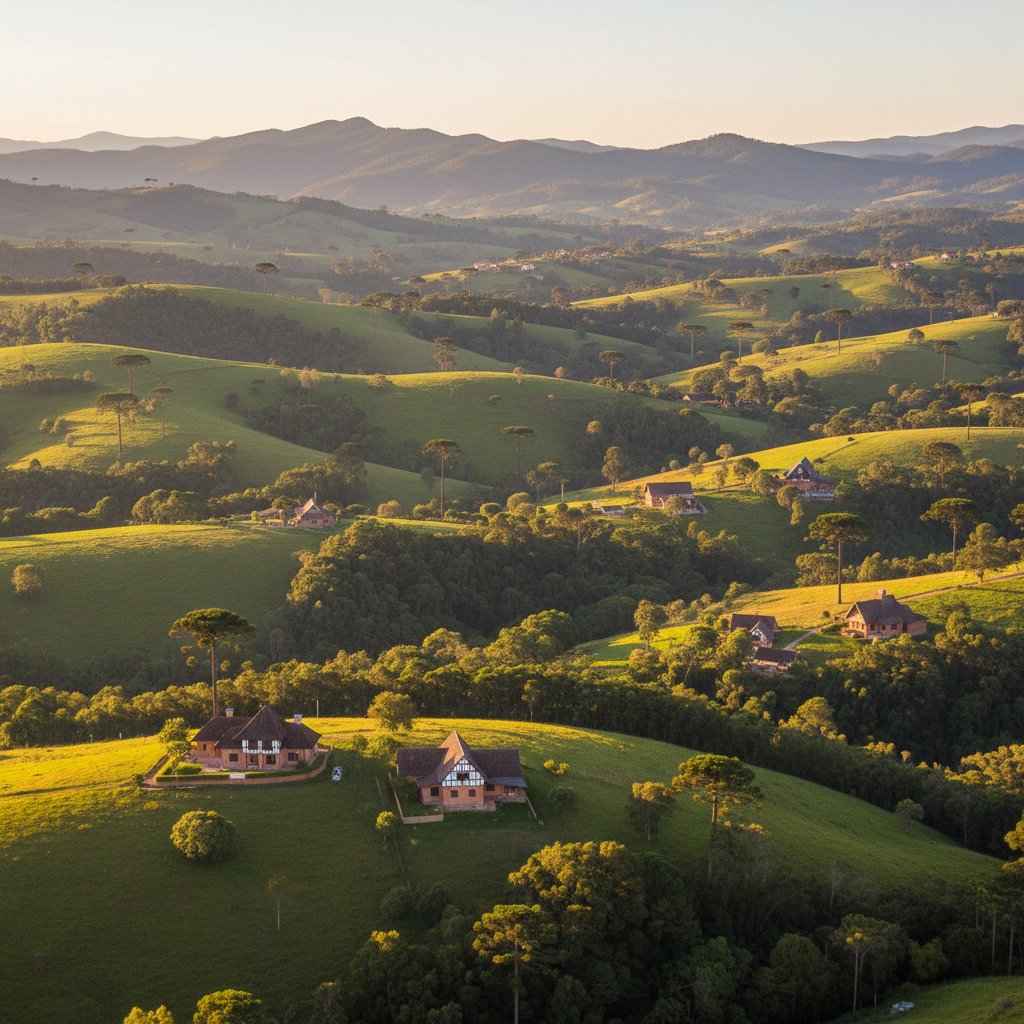
Nature and Outdoor Activities: The region boasts diverse natural landscapes, including lush mountains, forests, and waterfalls, making it an ideal destination for outdoor enthusiasts. Hiking, biking, and birdwatching are popular activities in Santa Catarina.
-
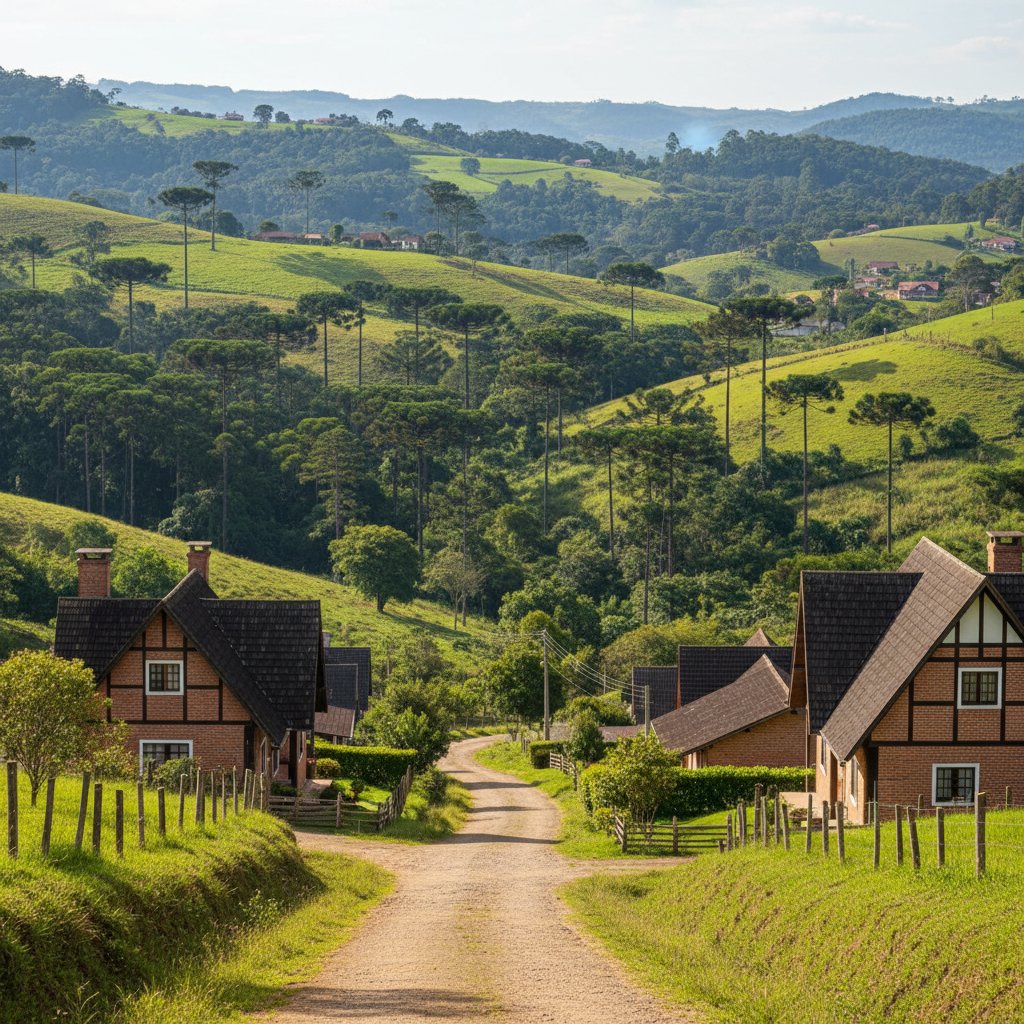
Culture and History: Santa Catarina has a rich cultural heritage influenced by its European settlers, particularly Germans and Italians. Visitors can explore charming colonial towns like Blumenau and Pomerode, known for their traditional architecture, festivals, and cuisine.
-
Gastronomy: Santa Catarina is a food lover's paradise, offering a variety of delicious dishes that blend local ingredients with international influences. Seafood, barbecue, and traditional German and Italian cuisine are must-try options in the region.
-
Safety and Infrastructure: Santa Catarina is considered one of the safest states in Brazil, with well-developed infrastructure, including modern hotels, restaurants, and transportation options. Visitors can feel secure and comfortable exploring the region.
Overall, traveling to Santa Catarina offers a perfect mix of natural beauty, cultural experiences, and culinary delights, making it a fantastic destination for all types of travelers.
What to know
Santa Catarina, Brazil is a beautiful destination with many attractions, but there are some potential cons to traveling there. Some of the cons of traveling to Santa Catarina may include:
-
Language barrier: Portuguese is the official language of Brazil, and while some people in Santa Catarina may speak English, there can still be a language barrier for travelers who do not speak Portuguese.
-
Crime: Like any destination, there may be risks of petty theft or scams in Santa Catarina, especially in tourist areas. Travelers should be cautious and take necessary precautions to ensure their safety.
-
Transportation challenges: Public transportation in Santa Catarina may not be as developed or reliable as in other destinations, making it more difficult to get around the area. Renting a car may be necessary for some travelers.
-
High tourist season: Santa Catarina can get crowded during peak tourist seasons, which may result in long lines, higher prices, and limited availability for accommodations and activities.
-
Weather conditions: The weather in Santa Catarina can be unpredictable, with the possibility of rain and storms, especially during certain times of the year. Travelers should be prepared for changing weather conditions.
It's important to note that these cons are general considerations and may not apply to every traveler's experience in Santa Catarina. It's always a good idea to research and plan ahead to address any potential challenges before traveling to a new destination.
