
Brazil
· BR

Brazil

Brazil

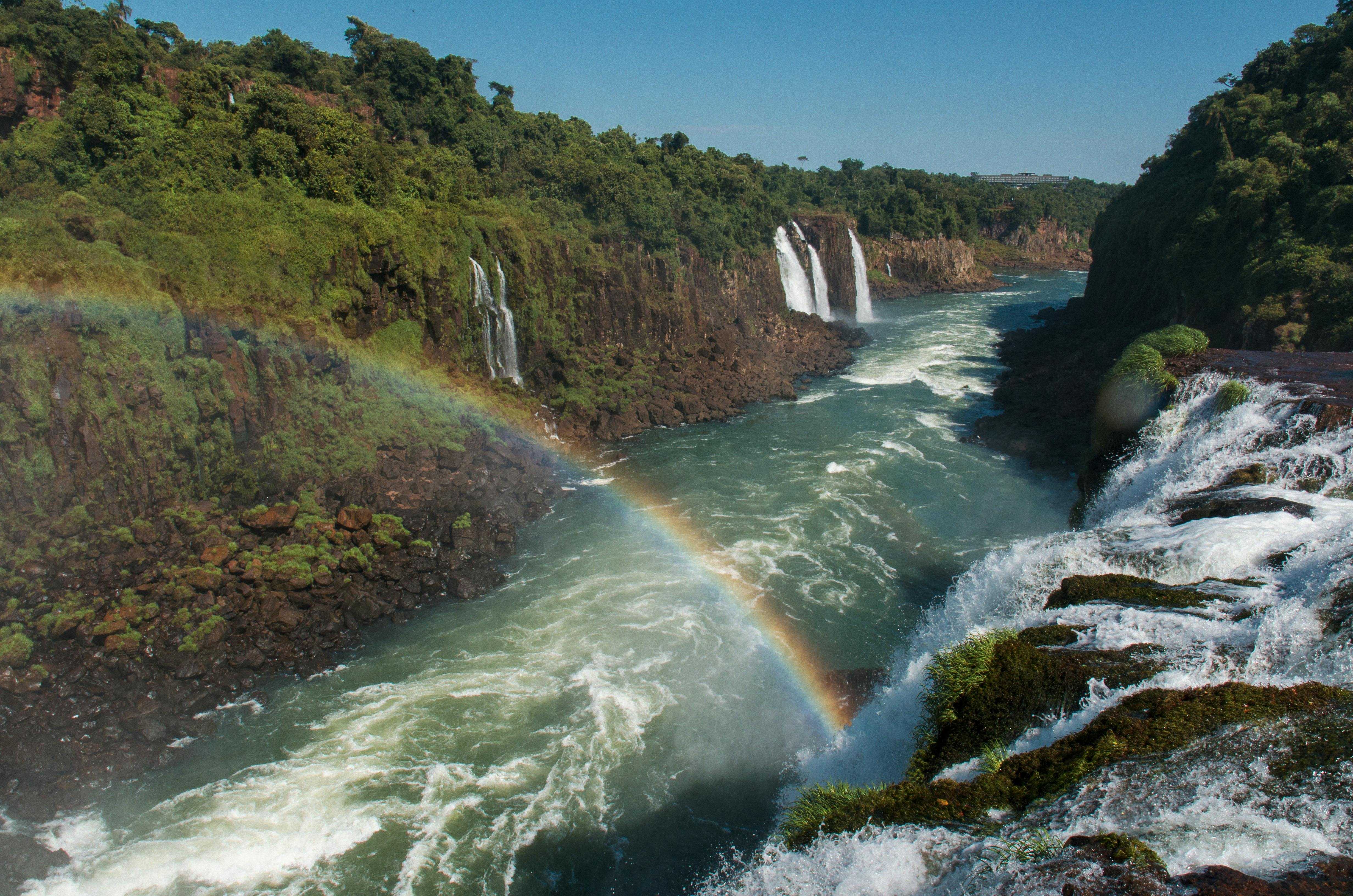
Brazil, a vibrant South American nation, is renowned for its stunning natural beauty, from the lush Amazon rainforest to the breathtaking Iguazu Falls. Experience the infectious energy of Rio de Janeiro, famous for its i…

#South America#Tropical#Portuguese-speaking#Amazon Rainforest#Rio de Janeiro
1/6

Top hotels & flights

Hand-picked stays and the best fares into Brazil.

Top Hotels in Rio de Janeiro

Top Flights to Rio de Janeiro

Popular activities

Tours, tickets and experiences travelers book most in Brazil.

Tours

Christ the Redeemer Visit

Marvel at the iconic Christ the Redeemer statue atop Corcovado Mountain, offering panoramic views of Rio de Janeiro.

Sugarloaf Mountain Cable Car

Ride a cable car to the summit of Sugarloaf Mountain for stunning views of Rio de Janeiro.

Brasília Architecture Tour

Explore the unique modernist architecture of Brasília, designed by Oscar Niemeyer.

Shopping

Shopping at São Paulo Catedral Square

Discover local boutiques and international brands at the bustling shopping district in São Paulo.

Street Shopping in Feira Hippie de Ipanema

Explore this bustling Sunday market to find unique crafts, jewelry, and art by local artisans.

Outdoor

Amazon Rainforest Adventure

Explore the vast biodiversity of the Amazon Rainforest with guided treks and river cruises.

Iguazu Falls Tour

Visit the magnificent Iguazu Falls, one of the largest waterfall systems in the world, on the border of Brazil and Argentina.

Copacabana Beach Relaxation

Enjoy the sun, sand, and vibrant atmosphere of one of the world's most famous beaches.

Pão de Açúcar Hike

Embark on a scenic hike to the top of Pão de Açúcar for breathtaking views.

Biking in Ibirapuera Park

Cycle through one of São Paulo’s largest urban parks, filled with trails and cultural attractions.

Location videos

Real reels from travelers, plus longer watches to get the full picture.

From travelers
Watch & explore

Practical info

The essentials for planning your time in Brazil.

Currency
R$ | BRL | Brazilian Real
Population
The approximate estimated total population of Brazil is '214.3 million'.
Languages
Portuguese, Portuguese
Average weather
Brazil
Jan
hot
30°22°
Feb
hot
30°22°
Mar
rain
29°21°
Apr
rain
28°20°
May
cloud
26°18°
Jun
cloud
25°17°
Jul
clear
25°16°
Aug
clear
26°17°
Sep
sun
27°18°
Oct
sun
28°19°
Nov
sun
29°20°
Dec
hot
30°21°

Local guide

What travelers love, what to watch for, and a deeper read on Brazil.

What people love

Traveling to Brazil offers a wide range of unique and exciting experiences. Here are some of the pros of visiting Brazil:

  1. Stunning Natural Beauty: Brazil is home to the Amazon Rainforest, beautiful beaches, and impressive waterfalls like Iguaçu Falls. Nature lovers will be in awe of the country's diverse landscapes and wildlife.

  2. Vibrant Culture: Brazil is known for its lively music and dance scene, colorful festivals like Carnival, and rich cultural heritage. Visitors can immerse themselves in the local culture through music, dance, food, and art.

  3. Delicious Cuisine: Brazilian cuisine is diverse and flavorful, with dishes like feijoada, churrasco, and brigadeiro to delight your taste buds. Food lovers will enjoy exploring the unique flavors and regional specialties found throughout the country.

  4. Warm and Friendly People: Brazilians are known for their hospitality and warm demeanor. Visitors will be welcomed with open arms and can experience the famous Brazilian friendliness firsthand.

  5. Adventure and Outdoor Activities: Brazil offers a wide range of outdoor activities for adventure seekers, including surfing, hiking, snorkeling, and more. Whether you prefer relaxing on the beach or exploring the rainforest, Brazil has something for everyone.

Overall, traveling to Brazil is a fantastic opportunity to experience a vibrant culture, stunning natural beauty, delicious cuisine, and warm hospitality. It's a destination that caters to a wide range of interests and promises unforgettable experiences for all types of travelers.

What to know

Traveling to Brazil has some potential cons that travelers should be aware of:

  1. Safety concerns: Brazil has some areas with high crime rates, including theft, robbery, and violent crime. Travelers should be cautious and take necessary safety precautions, such as avoiding displaying valuables in public, using reputable transportation services, and staying in well-lit and populated areas.

  2. Language barrier: Portuguese is the official language of Brazil, and while English is spoken in tourist areas, language barriers can still be a challenge for travelers, especially in more remote or non-touristy areas.

  3. Health risks: Brazil is known to have some health risks, including mosquito-borne diseases like dengue fever, Zika virus, and malaria. Travelers should take necessary precautions, such as using insect repellent and seeking medical advice before traveling.

  4. Infrastructure issues: Brazil's infrastructure, including public transportation and roads, may not be as developed or efficient as in other countries. Travelers should be prepared for potential delays and inconveniences when traveling within the country.

  5. Political instability: Brazil has experienced political turmoil in recent years, which can potentially impact travelers. It's important to stay informed about the current political situation and any potential risks.

Overall, while Brazil is a beautiful and vibrant country with much to offer, travelers should be aware of these potential cons and take necessary precautions to ensure a safe and enjoyable trip.

Brazil, officially known as the Federative Republic of Brazil, is a country located in South America. It has a rich and diverse history that has shaped the nation into what it is today.

Brazil was initially inhabited by indigenous peoples before the arrival of Portuguese explorers in the 16th century. In 1500, the Portuguese navigator Pedro Álvares Cabral claimed the territory for Portugal, leading to the colonization of the region. The Portuguese established sugar plantations and began importing African slaves to work on them, shaping Brazil's economy and society for centuries to come.

One of the most significant events in Brazilian history was the declaration of independence from Portugal on September 7, 1822. This led to the establishment of the Empire of Brazil, with Dom Pedro I becoming the country's first emperor. The monarchy lasted until 1889 when a military coup led to the proclamation of the Republic of Brazil.

Throughout the 19th and 20th centuries, Brazil experienced periods of economic growth and political instability. In the early 20th century, Brazil underwent rapid industrialization and urbanization, leading to the rise of cities like Rio de Janeiro and São Paulo as major economic centers.

Brazil also faced periods of political turmoil, including military dictatorships in the mid-20th century. The country transitioned to democracy in the 1980s, culminating in the election of Fernando Collor de Mello as the first directly elected president in 1989.

Brazil is known for its vibrant culture, including music, dance, and festivals such as Carnival. The country is also home to iconic landmarks like the Christ the Redeemer statue in Rio de Janeiro, the Amazon Rainforest, and the Pantanal wetlands.

Throughout its history, Brazil has been shaped by a diverse mix of indigenous, European, African, and Asian influences, making it a truly unique and diverse nation in South America.