
Rio Grande do Sul
· BR

Rio Grande do Sul

Rio Grande do Sul, Brazil

Welcome to Rio Grande do Sul: Where Gaucho Culture Meets Modern Charm Rio Grande do Sul, the southernmost state in Brazil, is a land of contrasts, where rolling hills meet vibrant cities, and where the spirit of the gauc…

#Southern Brazil#Gaucho culture#Porto Alegre#Pampas region#Wine production
1/5

Top hotels & flights

Hand-picked stays and the best fares into Rio Grande do Sul.

Top Hotels in Rio Grande do Sul

Top Flights to Rio Grande do Sul

Practical info

The essentials for planning your time in Rio Grande do Sul.

Currency
R$ | BRL | Brazilian Real
Population
11.5 million
Languages
Portuguese, German, Italian

Local guide

What travelers love, what to watch for, and a deeper read on Rio Grande do Sul.

What people love

Rio Grande do Sul is a state in southern Brazil known for its stunning landscapes, rich culture, and unique attractions. Some of the pros of traveling to Rio Grande do Sul include:

  1. Diverse Scenery: Rio Grande do Sul boasts a diverse range of landscapes, from lush forests and rolling hills to beautiful coastlines and charming countryside. Visitors can explore national parks, waterfalls, and picturesque vineyards.

  2. Cultural Heritage: The state has a strong European influence, particularly from Italian and German immigrants. This is reflected in the architecture, cuisine, and traditions found throughout the region. Visitors can enjoy delicious food, wine tastings, and cultural events.

  3. Historic Cities: Rio Grande do Sul is home to historic cities such as Porto Alegre, Gramado, and Canela, each offering unique attractions and a glimpse into the state's past. Visitors can explore museums, churches, and colonial buildings.

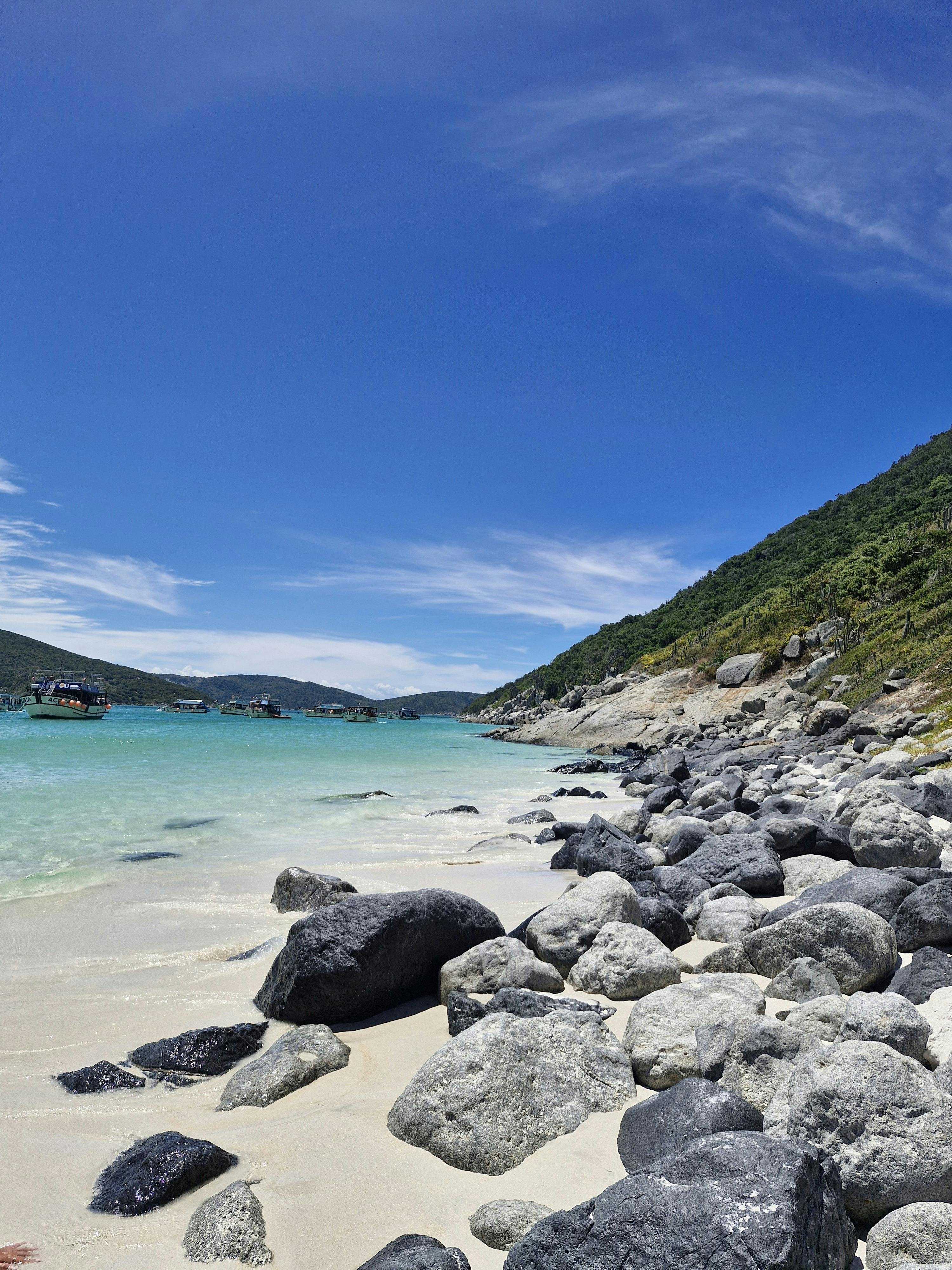
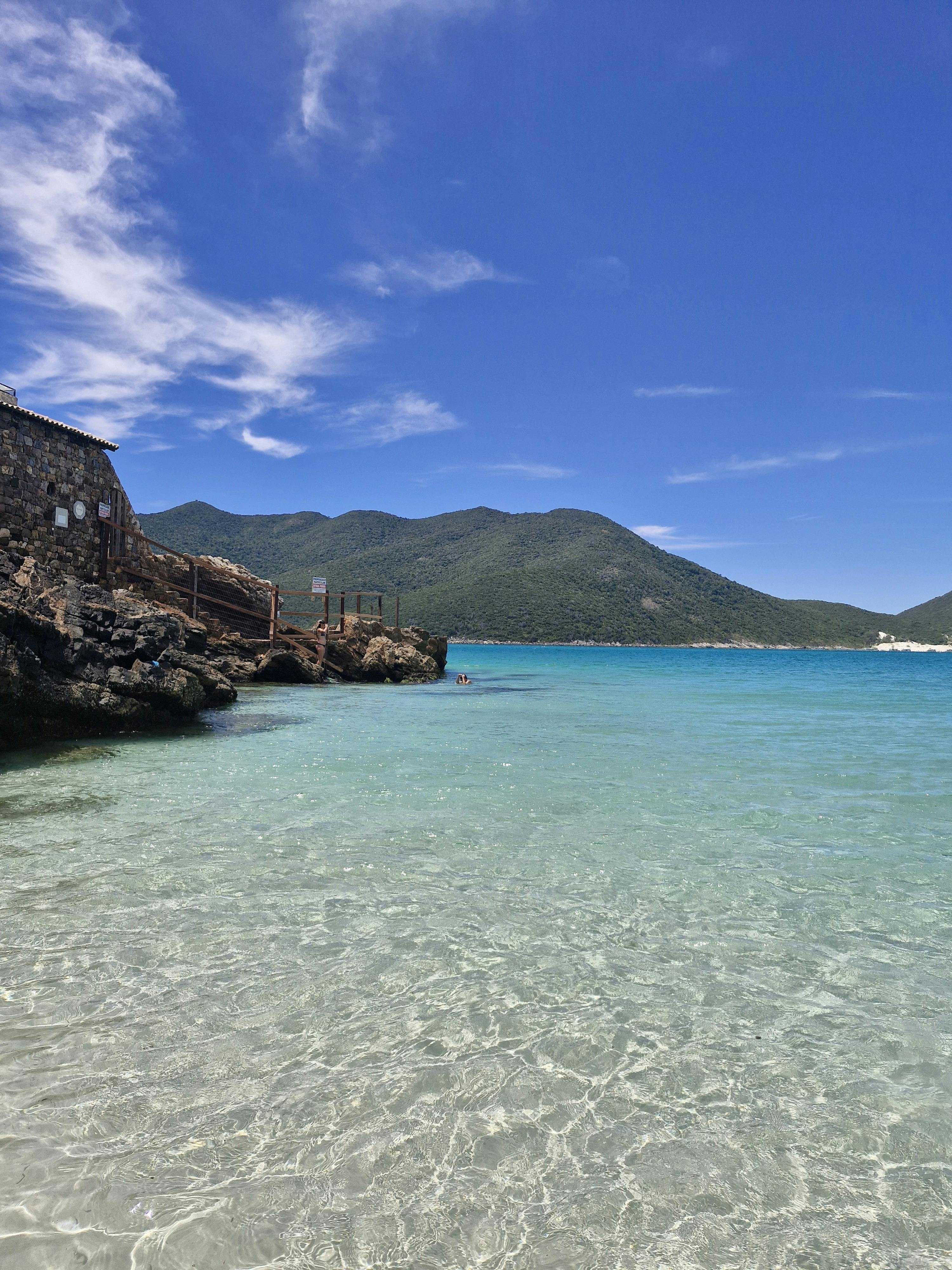
  4. Outdoor Activities: The state is a paradise for outdoor enthusiasts, with opportunities for hiking, horseback riding, wildlife watching, and water sports. Visitors can also relax on beautiful beaches along the coast or go birdwatching in the wetlands.

  5. Festivals and Events: Rio Grande do Sul hosts a variety of festivals and events throughout the year, celebrating everything from food and wine to music and dance. Visitors can immerse themselves in local culture and traditions.

Overall, traveling to Rio Grande do Sul offers a unique and diverse experience for those looking to explore Brazil beyond the popular tourist destinations.

What to know

Some potential cons of traveling to Rio Grande do Sul in Brazil include:

  1. Weather variability: The weather in Rio Grande do Sul can be unpredictable, with periods of heavy rain, humidity, and potentially extreme temperatures. This could impact outdoor activities and sightseeing plans.

  2. Language barrier: Portuguese is the official language spoken in Brazil, including Rio Grande do Sul. If you do not speak Portuguese, you may encounter communication challenges, especially in more remote areas.

  3. Safety concerns: Like any travel destination, Rio Grande do Sul has its share of safety concerns, including petty crime such as pickpocketing and theft. It is important to stay vigilant and take precautions to ensure your safety.

  4. Cultural differences: Travelers may experience culture shock due to differences in customs, social norms, and behaviors. It's important to be respectful of local traditions and practices to avoid misunderstandings or conflicts.

  5. Limited infrastructure: In some areas of Rio Grande do Sul, particularly in rural or less developed regions, you may encounter limited infrastructure in terms of transportation, accommodation, or amenities. This could impact your travel experience and comfort level.

It's worth noting that these cons are general considerations and may not apply to all travelers or all parts of Rio Grande do Sul. As with any travel destination, it's important to research and plan ahead to mitigate potential challenges and have a safe and enjoyable trip.

Rio Grande do Sul is the southernmost state of Brazil, with a rich and complex history shaped by indigenous cultures, European colonization, and its strategic geopolitical location. Here is a detailed history of Rio Grande do Sul, highlighting significant events, historical figures, and landmarks:

Early Inhabitants and Indigenous Cultures

Before European contact, the region was inhabited by various indigenous groups, including the Guarani, Kaingang, and Charrua peoples. These communities had their own distinct cultures and traditions, living off the land through hunting, gathering, and agriculture.

European Colonization

In the early 16th century, the Portuguese began exploring the region. However, it was not until the 17th and 18th centuries that European settlement began in earnest. The Jesuits established missions, known as "reductions," in the area to convert indigenous peoples to Christianity. These missions were significant in the cultural and social development of the region.

The Treaty of Madrid (1750)

The Treaty of Madrid was a significant event that affected Rio Grande do Sul. It attempted to settle territorial disputes between Spain and Portugal in South America. Under the treaty, the Jesuit missions were to be relocated, leading to the Guarani War (1754-1756) as indigenous communities resisted the move.

The Ragamuffin War (1835-1845)

One of the most notable events in the history of Rio Grande do Sul is the Ragamuffin War (Guerra dos Farrapos), a republican uprising against the Brazilian Empire. The war was fueled by economic dissatisfaction and a desire for greater autonomy. It was led by figures such as Bento Gonçalves and Giuseppe Garibaldi, the latter of whom became an important figure in both Brazilian and Italian history.

The Proclamation of the Republic (1889)

The late 19th century saw significant political change with the proclamation of the Brazilian Republic in 1889. Rio Grande do Sul played a crucial role in the transition from the Empire to a republican form of government.

20th Century and Industrialization

Throughout the 20th century, Rio Grande do Sul continued to grow economically and culturally. The state became an agricultural powerhouse, known for its cattle ranching and production of grains like rice and wheat. The industrialization of Porto Alegre, the state capital, and other cities contributed to economic diversification.

Historical Figures

  • Bento Gonçalves: A leader of the Ragamuffin War and a symbol of the fight for regional autonomy.
  • Giuseppe Garibaldi: An Italian revolutionary who supported the Ragamuffin War and later played a key role in the unification of Italy.
  • Getúlio Vargas: Born in Rio Grande do Sul, Vargas was a significant political figure, serving as President of Brazil and leading the country through a period of industrialization and modernization.

Important Landmarks

  • Farroupilha Park (Parque da Redenção): Located in Porto Alegre, this park commemorates the Ragamuffin War.
  • São Miguel das Missões: One of the best-preserved Jesuit missions, a UNESCO World Heritage Site.
  • Catedral Metropolitana de Porto Alegre: A prominent architectural landmark in the state capital.
  • Casa de Cultura Mario Quintana: A cultural center in Porto Alegre housed in a historic hotel, named after the famous poet Mario Quintana.

Cultural Contributions

Rio Grande do Sul is known for its unique cultural identity, heavily influenced by its gaucho heritage. The traditional gaucho lifestyle, music, and cuisine (such as churrasco) are central to the state’s cultural identity.

Modern Era

Today, Rio Grande do Sul is a vibrant region known for its agricultural production, cultural festivals, and as a center of higher education and industry in Brazil. Its diverse population reflects a blend of indigenous, European, and African influences, contributing to the rich cultural tapestry of the state.