Explore Quiche
Top cities in Quiche
Pick a city to open its guide.
See it for yourself
Location videos
Reels and longer watches.
Traveller clips picked out for this place.
Good to know
Practical info
Weather, costs and getting around.
Know before you go
Local guide
A deeper read on Quiche.
What people love
Quiché, Guatemala is a region known for its rich Mayan cultural heritage, stunning natural landscapes, and unique indigenous traditions. Here are some pros of traveling to Quiché:
-
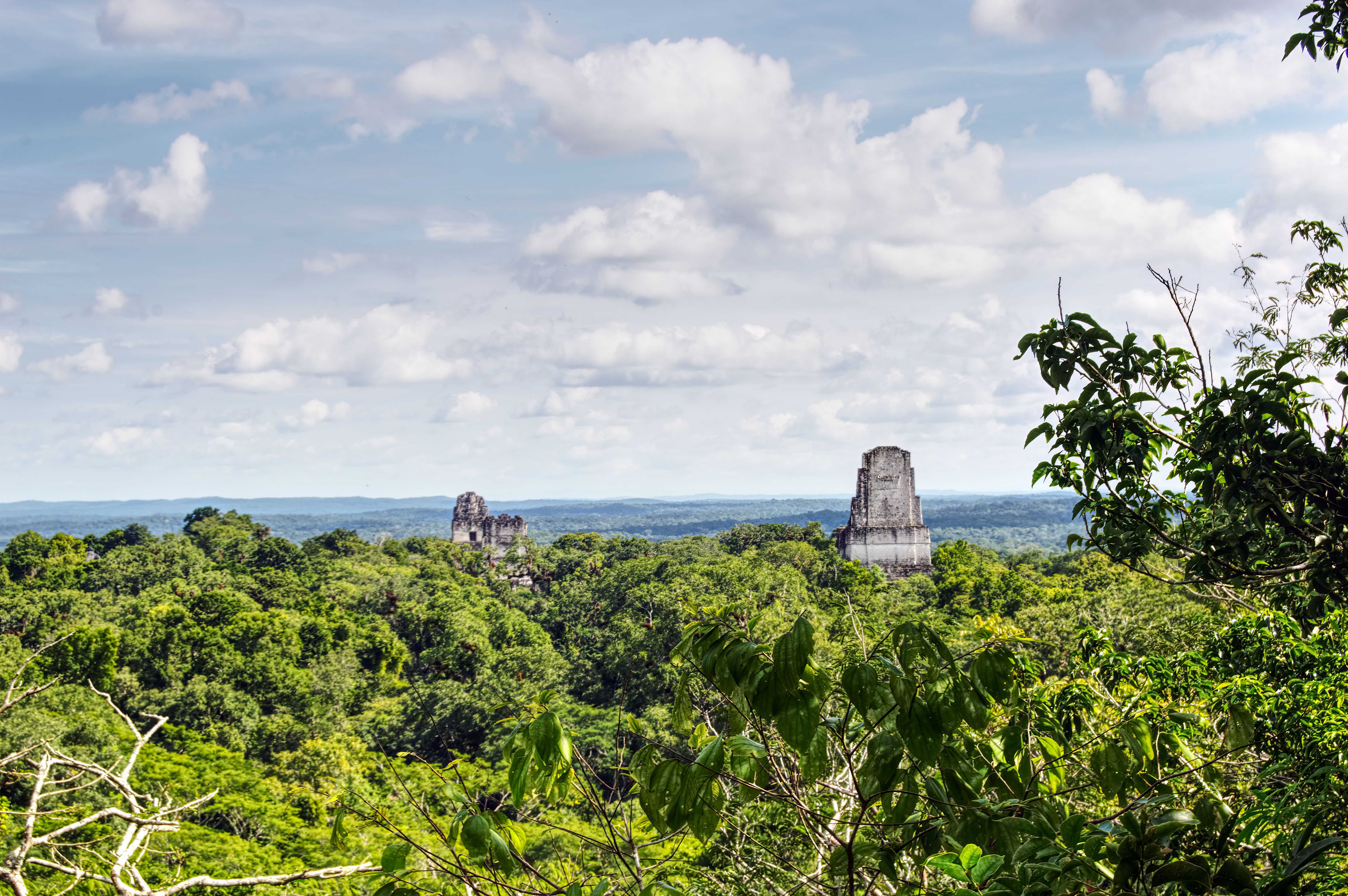
Mayan Ruins: Quiché is home to several impressive Mayan archaeological sites, such as the ruins of the ancient city of K'umarcaaj (also known as Utatlán) and the ceremonial center of Zaculeu. Exploring these sites provides insight into the history and architecture of the Mayan civilization.
-
Indigenous Culture: Quiché is predominantly inhabited by indigenous Maya people who maintain their traditional customs, language, and dress. Travelers have the opportunity to immerse themselves in the local culture, visit bustling markets, and witness colorful festivals and ceremonies.
-
Natural Beauty: Quiché is blessed with diverse landscapes, including lush mountains, picturesque lakes, and verdant valleys. Outdoor enthusiasts can enjoy activities like hiking, birdwatching, and exploring caves in the region's natural reserves and parks.
-
Handicrafts: Quiché is known for its vibrant handicrafts, including intricate textiles, pottery, and wood carvings made by skilled artisans. Visitors can shop for unique souvenirs and support local craftsmanship by purchasing handmade products.
-
Authentic Cuisine: Travelers can savor traditional Mayan dishes and regional specialties in Quiché, such as pepián (a spicy meat stew), kak'ik (turkey soup), and tamales. Foodies can also sample local beverages like atol (corn-based drink) and chirmol (tomato-based salsa).
-
Warm Hospitality: The people of Quiché are known for their warm hospitality and friendliness towards visitors. Travelers can engage with the locals, participate in community activities, and gain a deeper appreciation for the region's culture and traditions.
Overall, traveling to Quiché offers a unique and enriching experience for those interested in history, culture, nature, and authentic encounters with indigenous communities.
Enjoy your trip to Quiché, Guatemala!
What to know
Traveling to Quiché, Guatemala, can be a rewarding experience due to its rich cultural heritage and beautiful landscapes. However, there are some potential drawbacks and challenges that travelers might encounter:
-
Safety Concerns: Quiché, like some other regions in Guatemala, can have issues with crime, including petty theft and more serious crimes. Travelers should exercise caution, stay informed about local conditions, and avoid traveling alone at night.
-
Language Barrier: While Spanish is the official language, many indigenous people in Quiché speak K'iche' and other Mayan languages. This can pose a challenge for communication if you don't speak these languages or Spanish.
-
Infrastructure: The infrastructure in Quiché may not be as developed as in other parts of Guatemala. Roads can be in poor condition, and public transportation may be less reliable or comfortable. This can make getting around more challenging.
-
Limited Tourist Facilities: Quiché is not as tourist-focused as other areas in Guatemala, such as Antigua or Lake Atitlán. This means there may be fewer accommodation options, restaurants, and tourist services.
-
Health Concerns: Access to healthcare facilities might be limited, and travelers should ensure they are up-to-date with vaccinations. It's also important to be cautious about food and water safety to avoid illnesses.
-
Weather and Natural Disasters: The region might be susceptible to heavy rains, especially during the rainy season, which can lead to landslides and road closures. Guatemala is also prone to earthquakes.
-
Cultural Sensitivity: Quiché has a strong indigenous presence, and it's important to be respectful of local customs and traditions. Misunderstandings can arise if travelers are not sensitive to cultural nuances.
Despite these challenges, many travelers find visiting Quiché to be a deeply enriching experience, offering insights into indigenous cultures and history. Proper planning and awareness can help mitigate many of these potential cons.