Guatemala
· GT

Guatemala

Guatemala, Guatemala

Journey to the Heart of the Maya World: Guatemala Awaits Imagine a land where ancient temples pierce through emerald jungles, volcanic peaks touch the sky, and vibrant indigenous cultures paint every corner with traditio…

#Central America#Spanish-speaking country#Mayan ruins#Colorful culture#Tropical climate
1/5

Top hotels & flights

Hand-picked stays and the best fares into Guatemala.

Top Hotels in Guatemala

Top Flights to Guatemala

Popular activities

Tours, tickets and experiences travelers book most in Guatemala.

Tours

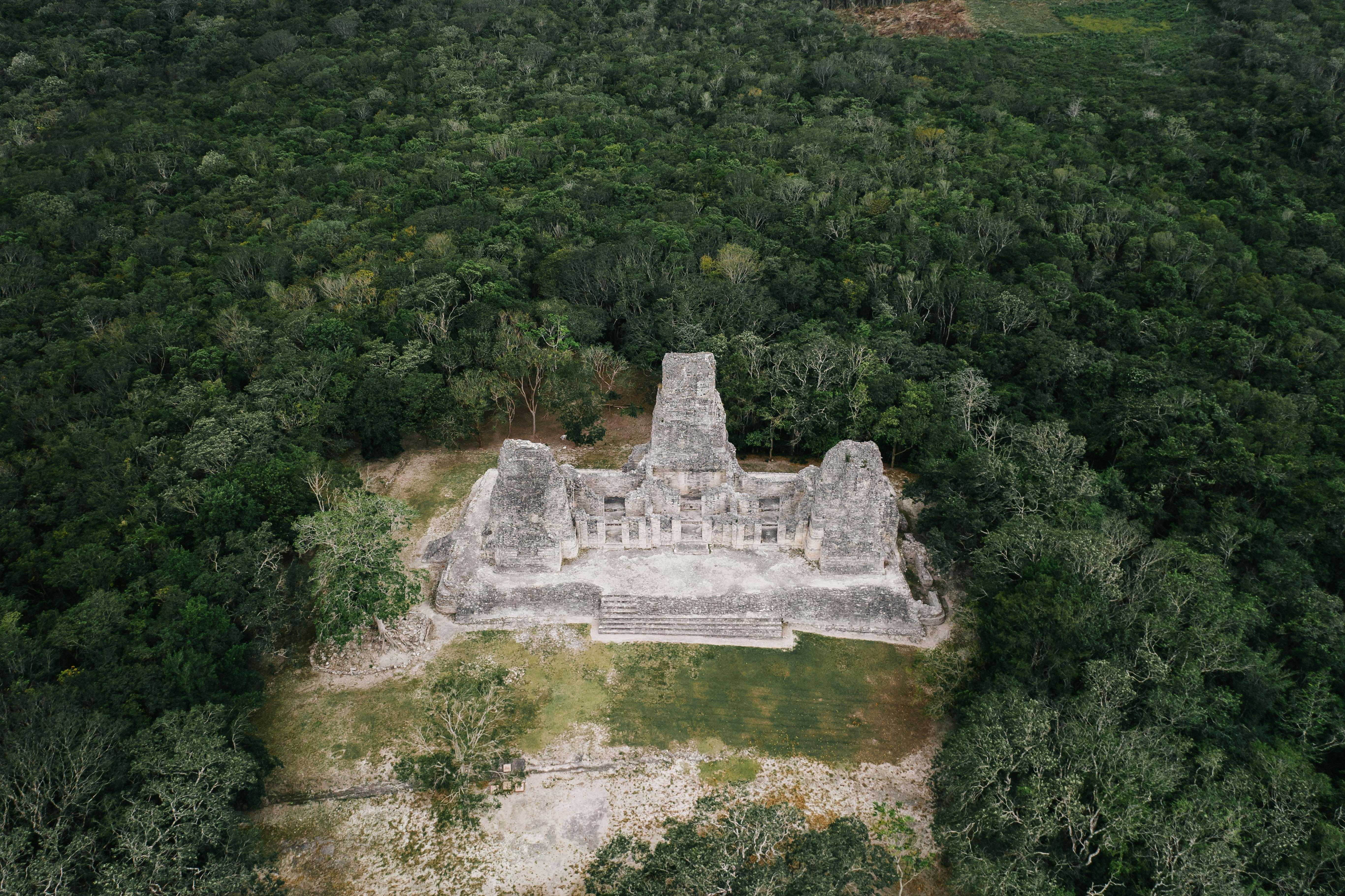
Explore the Ancient Ruins of Tikal

Discover the ancient Maya civilization at the Tikal National Park, a UNESCO World Heritage Site.

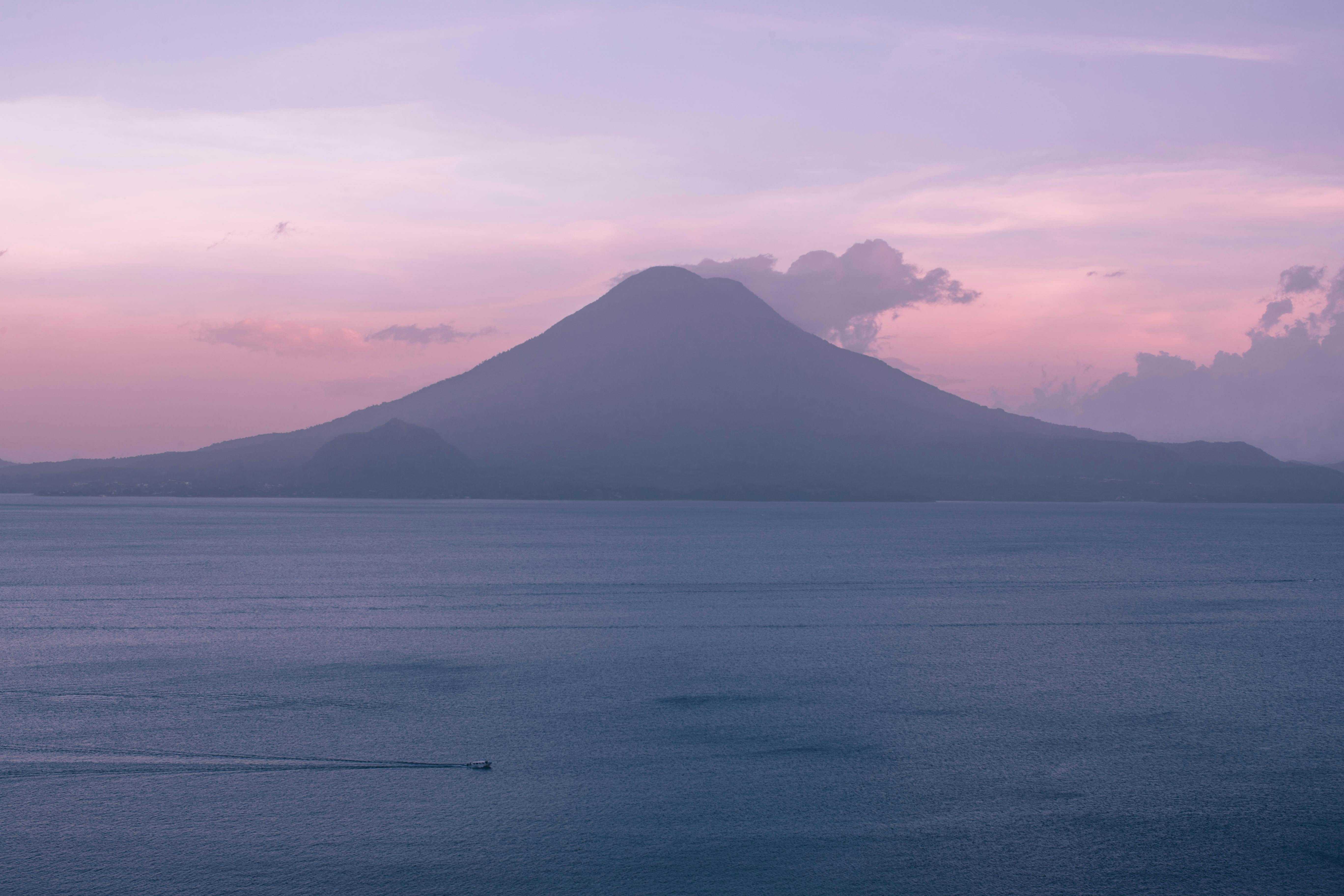
Visit Lake Atitlán

Explore one of the most beautiful lakes in the world surrounded by volcanic landscapes.

Shopping

Shopping in Antigua Guatemala

Experience the vibrant local market culture in the colonial town of Antigua.

Outdoor

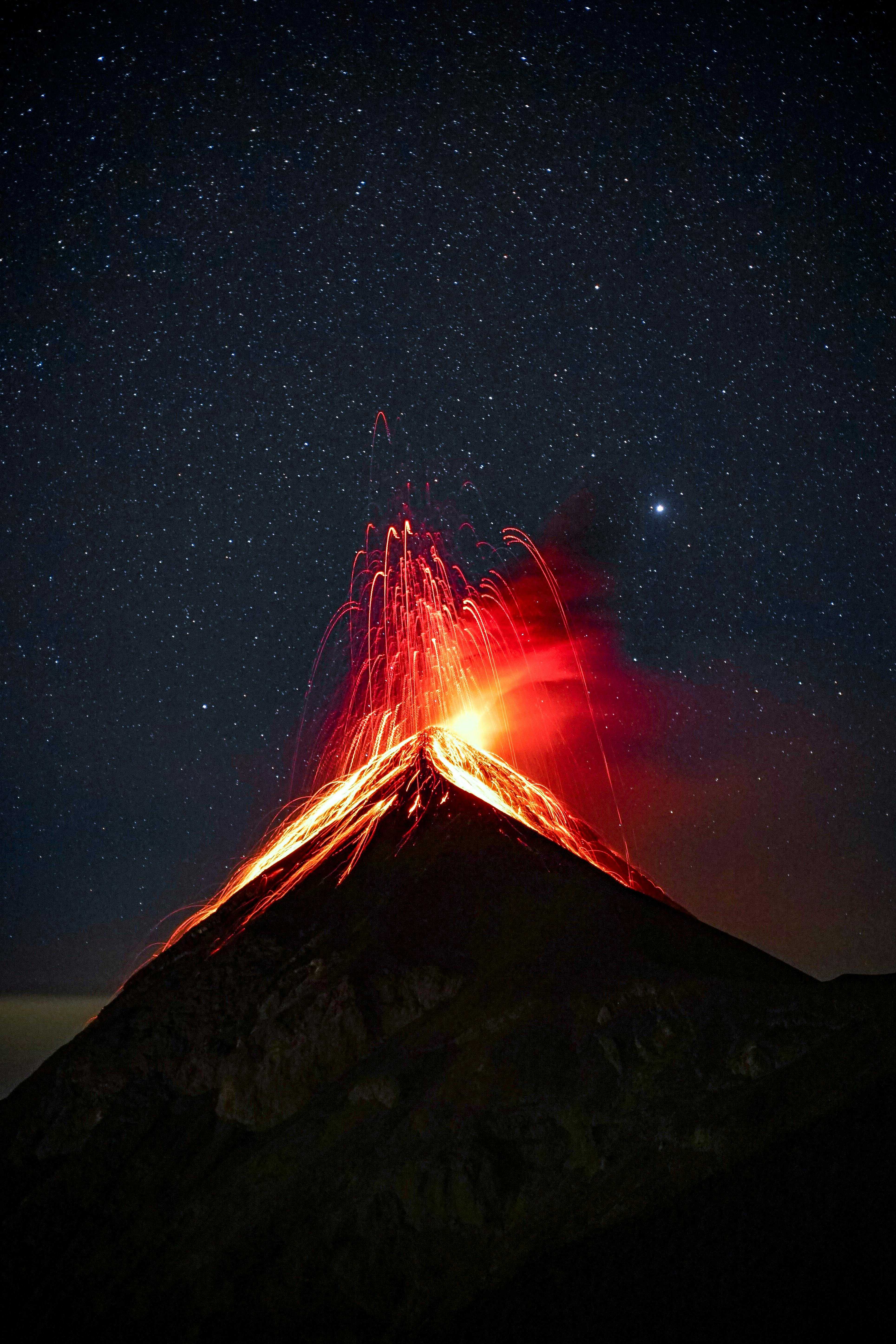
Hike to Acatenango Volcano

Embark on a challenging hike to witness breathtaking views from the summit of Acatenango Volcano.

Location videos

Real reels from travelers, plus longer watches to get the full picture.

From travelers
Watch & explore

Practical info

The essentials for planning your time in Guatemala.

Currency
Q | GTQ | Guatemalan quetzal
Population
20.1 million
Languages
Spanish, Spanish, English, Mayan Languages

Local guide

What travelers love, what to watch for, and a deeper read on Guatemala.

What people love

Traveling to Guatemala, located in Central America, offers a unique and diverse experience for visitors. Some of the pros of traveling to Guatemala include:

  1. Rich History and Culture: Guatemala has a fascinating history that dates back to ancient civilizations such as the Maya. Visitors can explore archaeological sites like Tikal, learn about traditional Mayan culture, and experience vibrant indigenous communities.

  2. Stunning Natural Beauty: Guatemala is known for its breathtaking landscapes, including lush rainforests, towering volcanoes, and crystal-clear lakes. Outdoor enthusiasts can enjoy activities such as hiking, birdwatching, and exploring the diverse ecosystems of the country.

  3. Affordable Travel Destination: Guatemala is a relatively affordable destination compared to other countries in the region. Accommodation, food, and transportation options cater to various budgets, making it an attractive choice for budget-conscious travelers.

  4. Adventure Opportunities: Guatemala offers a range of adventurous activities for thrill-seekers, such as zip-lining through the jungle, climbing active volcanoes, and whitewater rafting. The country's diverse terrain provides ample opportunities for outdoor adventures.

  5. Delicious Cuisine: Guatemalan cuisine is flavorful and diverse, featuring dishes such as tamales, ceviche, and traditional stews. Visitors can also enjoy locally grown coffee and chocolate, as well as fresh fruits and vegetables from the vibrant markets.

  6. Warm Hospitality: Guatemalan people are known for their hospitality and friendliness towards visitors. Travelers can immerse themselves in the local culture, interact with locals, and participate in community-based tourism initiatives.

Overall, traveling to Guatemala offers a rich cultural experience, stunning natural landscapes, and diverse adventure opportunities for visitors to explore and enjoy.

What to know

Traveling to Guatemala, specifically to Guatemala City, does come with some potential drawbacks. Here are some cons to consider:

  1. Safety Concerns: Guatemala City has a reputation for high crime rates, including petty theft, armed robbery, and gang-related violence. Travelers are advised to exercise caution, avoid walking alone at night, and be vigilant in crowded areas.

  2. Traffic and Pollution: Guatemala City is known for heavy traffic congestion, which can make getting around the city difficult and time-consuming. Additionally, the city suffers from air pollution, which can be a concern for those with respiratory issues.

  3. Limited Infrastructure: Guatemala City may not have the same level of infrastructure and amenities as more developed cities, leading to challenges such as unreliable public transportation, inconsistent internet connectivity, and occasional power outages.

  4. Health and Sanitation: Travelers to Guatemala City should be cautious about food and water safety to avoid gastrointestinal illnesses. The city's healthcare system may not meet the standards of more developed countries, so travelers should have adequate travel insurance.

  5. Language Barrier: While many people in Guatemala City may speak some English, the predominant language is Spanish. Travelers who do not speak Spanish may face communication challenges, which could make navigating the city and interacting with locals more difficult.

Overall, while Guatemala City has much to offer in terms of culture, history, and natural beauty, travelers should be aware of these potential drawbacks and take necessary precautions to ensure a safe and enjoyable visit.

Would you like information on other aspects of traveling to Guatemala City?

Guatemala, officially the Republic of Guatemala, has a rich and complex history that dates back thousands of years, marked by the rise and fall of powerful civilizations, colonization, and modern political developments. Below is a detailed account of its history, significant events, historical figures, and important landmarks.

Pre-Columbian Era

  • Maya Civilization (2000 BC - 1500 AD): Guatemala was the heartland of the ancient Maya civilization, one of the most advanced and sophisticated societies in pre-Columbian America. Key cities included Tikal, Quiriguá, and Uaxactun. The Maya made significant advancements in mathematics, astronomy, and writing.
  • Significant Sites:
    • Tikal: A UNESCO World Heritage site, Tikal is one of the largest archaeological sites of the Maya civilization, known for its towering pyramids and extensive urban complex.
    • El Mirador: Considered one of the earliest and largest Maya cities, known for its massive pyramids.

Colonial Era

  • Spanish Conquest (1524): Spanish conquistador Pedro de Alvarado led the conquest of Guatemala, defeating the K'iche' Maya and other indigenous groups. Guatemala became part of the Spanish Empire.
  • Colonial Period (1524-1821): Guatemala was part of the Captaincy General of Guatemala, which included much of Central America. The colonial capital was Antigua Guatemala, known for its Baroque architecture and ruins from earthquakes.

Independence and 19th Century

  • Independence (1821): Guatemala declared independence from Spain on September 15, 1821, along with other Central American regions. Initially, it became part of the Mexican Empire, then the United Provinces of Central America.
  • Rafael Carrera (1839-1865): Carrera was a conservative leader who played a significant role in establishing Guatemala as an independent republic and served as president for many years.

20th Century

  • Jorge Ubico (1931-1944): A dictator whose policies favored the United States and local elites, leading to discontent and his eventual ouster.
  • Guatemalan Revolution (1944-1954): A period of democratic reforms initiated by the overthrow of Ubico, leading to the presidencies of Juan José Arévalo and Jacobo Árbenz. Árbenz's land reforms aimed at redistributing unused land led to tension with the United Fruit Company and the U.S.
  • CIA-backed Coup (1954): Operation PBSUCCESS led to the overthrow of Árbenz, who was replaced by a series of military regimes.

Civil War and Peace Process

  • Guatemalan Civil War (1960-1996): A 36-year conflict between the government and leftist insurgents, resulting in over 200,000 deaths, mainly indigenous people. Human rights abuses were rampant.
  • Peace Accords (1996): The war ended with the signing of peace accords, leading to democratic reforms and efforts at reconciliation.

Recent History

  • Modern Democratic Era: Guatemala has struggled with political corruption, economic inequality, and social issues, but has maintained a democratic framework.
  • Notable Figures:
    • Rigoberta Menchú: Indigenous activist and Nobel Peace Prize laureate known for her efforts to bring international attention to the plight of indigenous people during the civil war.

Important Landmarks

  • Antigua Guatemala: A colonial city known for its well-preserved Spanish Baroque-influenced architecture and ruins.
  • Lake Atitlán: A beautiful lake surrounded by volcanoes and traditional Maya villages.
  • Chichicastenango Market: A vibrant indigenous market known for its textiles and crafts.

Guatemala's rich history continues to shape its identity, blending ancient traditions with contemporary challenges.