
Queensland
· AU

Queensland

Queensland, Australia

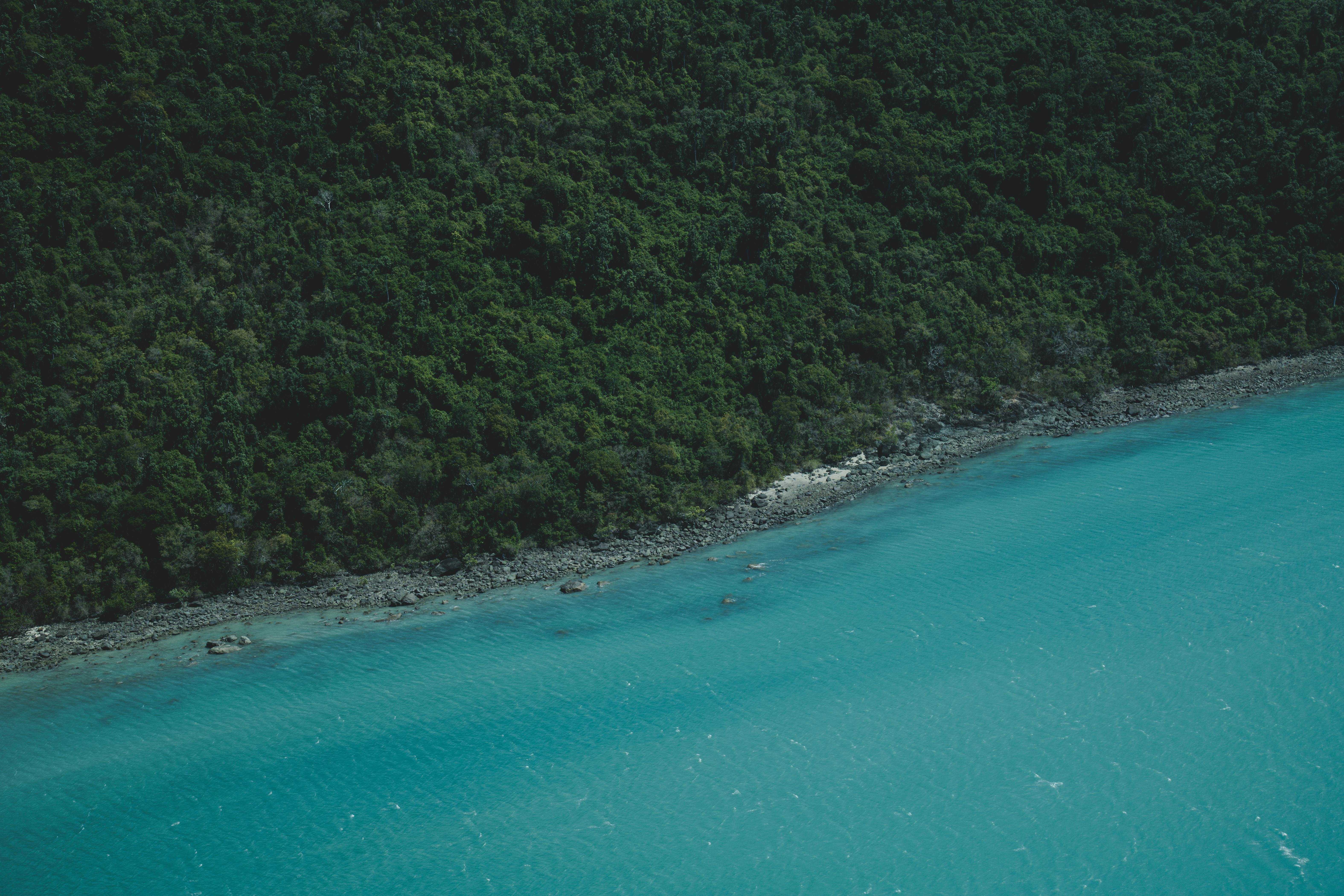
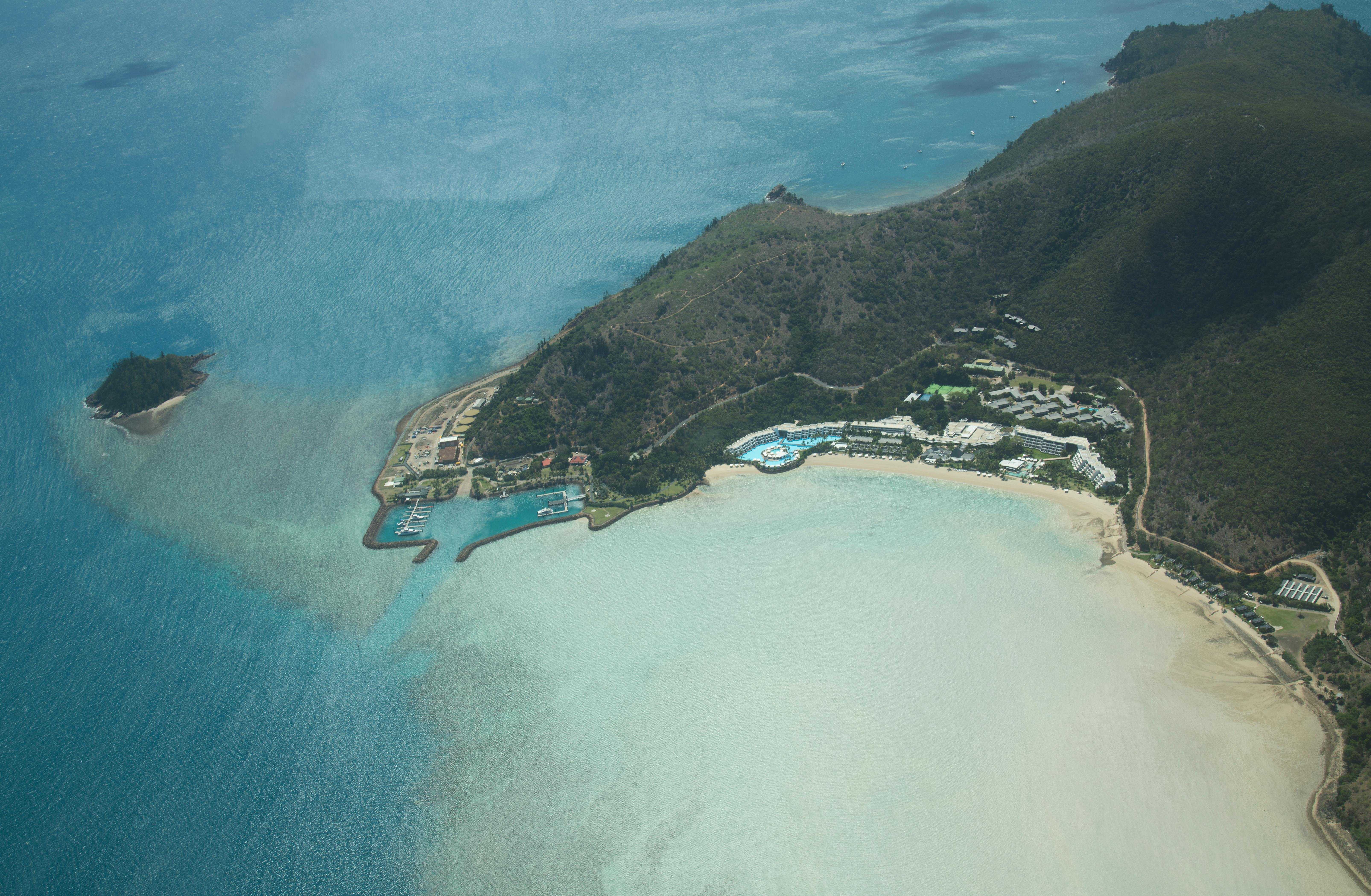
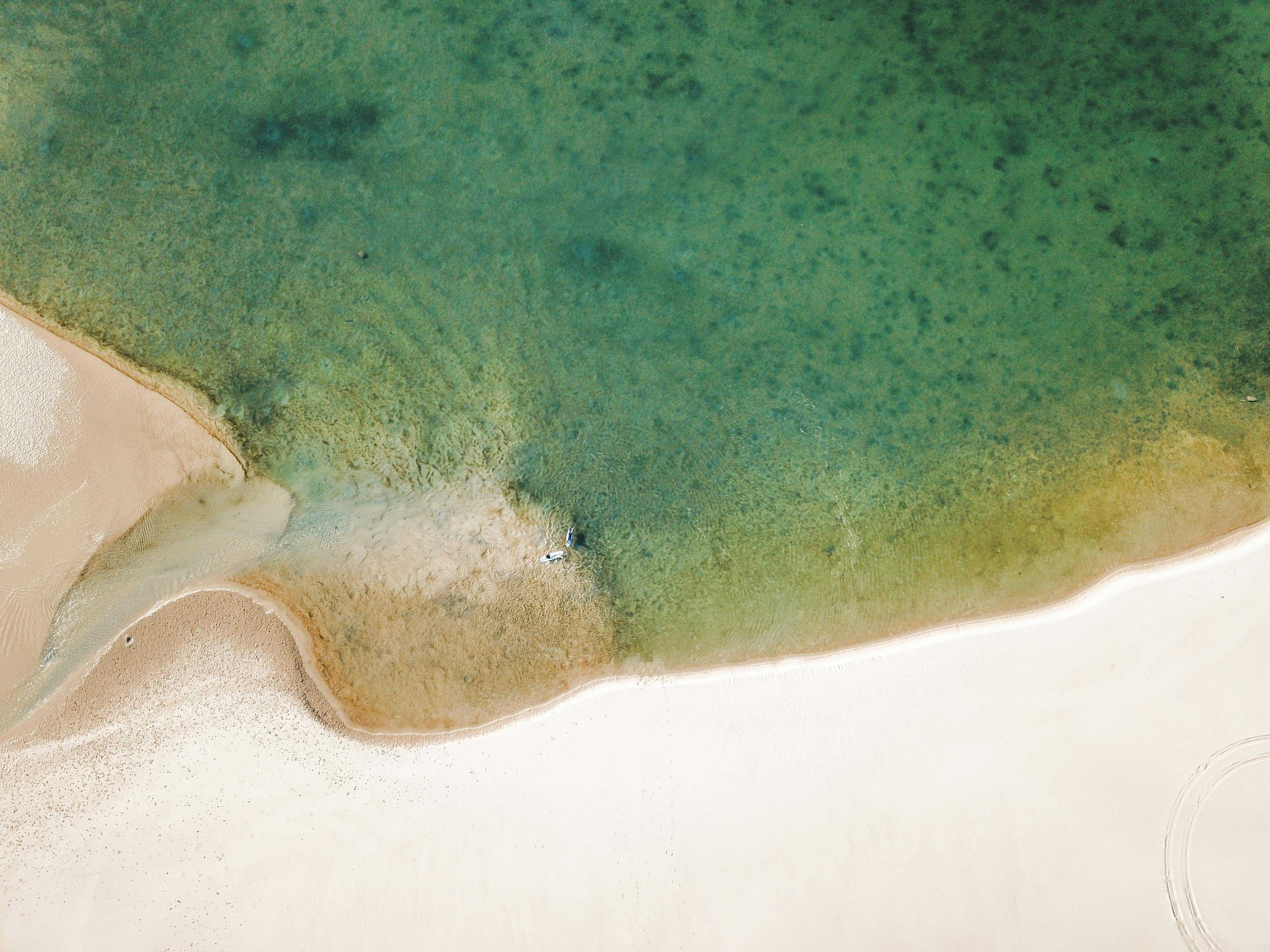
Queensland: Where Adventure Meets Paradise Queensland. The very name evokes images of sun-kissed beaches, vibrant coral reefs, and ancient rainforests teeming with life. This Australian state is more than just a destinat…

#Australia#Queensland#beaches#Great Barrier Reef#sunshine
1/7

Top hotels & flights

Hand-picked stays and the best fares into Queensland.

Top Hotels in Queensland

Top Flights to Queensland

Popular activities

Tours, tickets and experiences travelers book most in Queensland.

Tours

Gold Coast Theme Parks

Enjoy thrilling rides and entertainment for all ages at the Gold Coast theme parks.

Brisbane River Cruise

Relax on a scenic cruise along the Brisbane River, viewing iconic landmarks and cityscapes.

Kuranda Scenic Railway and Skyrail

Take a train journey through the Barron Gorge National Park and return via cableway.

Shopping

Queen Street Mall Shopping Spree

Visit the heart of Brisbane for a premier shopping experience.

Cairns Night Markets

Explore the vibrant night markets in Cairns, offering local arts, crafts, and street food.

Outdoor

Great Barrier Reef Tour

Explore the world's largest coral reef system with snorkeling and diving trips.

Daintree Rainforest Discovery

Explore North Queensland’s Daintree Rainforest with guided tours and hiking trails.

Noosa Main Beach

Enjoy swimming, surfing, and sunbathing at one of Queensland’s best beaches.

Lamington National Park Hike

Discover the beauty of Lamington National Park with guided hikes through lush rainforests.

Mount Tamborine Wine Tasting

Visit wineries and taste the region's finest wines in the scenic Mt Tamborine area.

Location videos

Real reels from travelers, plus longer watches to get the full picture.

From travelers
Watch & explore

Practical info

The essentials for planning your time in Queensland.

Currency
$ | AUD | Australian Dollar
Population
The approximate estimated total population of Queensland, Australia, is 5.4 million.
Languages
English, English

Local guide

What travelers love, what to watch for, and a deeper read on Queensland.

What people love

There are several pros of traveling to Queensland, Australia:

  1. Natural Beauty: Queensland is known for its stunning natural landscapes, including the Great Barrier Reef, Daintree Rainforest, Whitsunday Islands, and multiple national parks. Visitors can enjoy a variety of outdoor activities such as snorkeling, diving, hiking, and wildlife spotting.

  2. Climate: Queensland has a subtropical climate with warm temperatures year-round, making it an ideal destination for those seeking sunshine and outdoor adventures.

  3. Beaches: Queensland boasts some of the most beautiful beaches in the world, with golden sands and crystal-clear waters. Popular beach destinations include the Gold Coast, Sunshine Coast, and Fraser Island.

  4. Adventure Activities: Queensland offers a wide range of adventure activities for thrill-seekers, such as skydiving, bungee jumping, jet boating, and zip-lining.

  5. Cultural Experiences: Visitors to Queensland can immerse themselves in the rich Aboriginal culture of the region, learning about traditional customs, art, and storytelling.

  6. Vibrant Cities: Queensland is home to vibrant cities such as Brisbane, Cairns, and the Gold Coast, offering a mix of cosmopolitan amenities, shopping, dining, and nightlife.

  7. Wildlife Encounters: Queensland is a haven for wildlife enthusiasts, with opportunities to spot koalas, kangaroos, crocodiles, and a variety of bird species in their natural habitats.

Overall, traveling to Queensland offers a diverse range of experiences for nature lovers, adventure seekers, beach enthusiasts, and culture buffs alike.

What to know

Traveling to Queensland, Australia, specifically to the state of Queensland, can have some potential cons. Here are some detailed points to consider:

  1. Weather and Climate: Queensland is known for its hot and humid climate, especially during the summer months. This can be uncomfortable for some travelers, particularly those who are not used to such high temperatures and humidity levels.

  2. Cyclones and Severe Weather: Queensland is prone to cyclones and severe weather events, especially during the summer months. These can disrupt travel plans, cause damage to infrastructure, and pose risks to personal safety.

  3. Marine Stingers and Dangerous Wildlife: Queensland's coastal areas are home to marine stingers, such as jellyfish, which can be a hazard to swimmers and beachgoers. The state is also known for its dangerous wildlife, including venomous snakes and spiders, which can pose a threat to those exploring the outdoors.

  4. Crowded Tourist Areas: Popular tourist destinations in Queensland, such as the Great Barrier Reef and the Gold Coast, can get crowded, especially during peak travel seasons. This may result in long lines, crowded attractions, and difficulty finding accommodation.

  5. Transportation Challenges: Queensland is a vast state, and getting around may require long travel times, especially if you plan to visit multiple destinations. Public transportation options may be limited in some areas, making it necessary to rent a car for more flexibility.

  6. Cost of Living: Some areas in Queensland, particularly tourist hotspots, can be expensive in terms of accommodation, dining, and activities. Travelers on a budget may need to plan carefully to avoid overspending.

  7. Health and Safety Concerns: Like any travel destination, Queensland has its share of health and safety concerns, including sunburn, heatstroke, and water-related accidents. It's important to take proper precautions and stay informed about local risks.

These are some potential cons to consider when traveling to Queensland, Australia. Keep in mind that these are general points, and your experience may vary based on individual preferences and circumstances.

Queensland, located in the northeastern part of Australia, has a rich and diverse history that spans thousands of years. Here is a detailed overview:

Indigenous History

Prior to European settlement, Queensland was inhabited by Aboriginal peoples for tens of thousands of years. Various tribes and nations lived across the region, each with their own distinct languages, cultures, and customs. The Torres Strait Islanders, whose culture is distinct from the mainland Aboriginal groups, also inhabited the islands between the northern tip of Queensland and Papua New Guinea.

European Exploration and Settlement

  • 1770: Lieutenant James Cook charted the east coast of Australia, including the area that would become Queensland, aboard the HMS Endeavour. Cook named several places, including the Whitsunday Passage and Cape Tribulation.
  • 1823: British explorer John Oxley explored the Brisbane River, leading to the establishment of a penal colony.
  • 1824: The Moreton Bay penal colony was established at Redcliffe, but soon moved to what is now Brisbane.
  • 1842: The penal colony was closed, and the area was opened to free settlement.

Separation and Development

  • 1859: Queensland separated from New South Wales and was established as a separate colony, named after Queen Victoria. Sir George Bowen was appointed the first Governor of Queensland.
  • 1864: Brisbane was declared the capital city of Queensland.
  • 1867: The Gympie Gold Rush significantly boosted the economy and led to further development and population growth.

Economic and Social Development

  • 1889: The completion of the Queensland railway network helped connect Brisbane with other areas, promoting commerce and trade.
  • 1899: Queensland became the first Australian state to elect a female mayor, Mary Josephine Bedford in the Brisbane suburb of Bulimba.
  • 1901: Queensland became one of the six founding states of the Commonwealth of Australia.

20th Century

  • World War II: Queensland played a crucial role as a base for Allied forces in the Pacific. General Douglas MacArthur established his headquarters in Brisbane.
  • 1950s-1970s: The state experienced significant industrial growth and urbanization, with the development of the mining and agricultural sectors.
  • 1982: Brisbane hosted the Commonwealth Games, bringing international attention to the state.
  • 1988: World Expo 88 was held in Brisbane, marking the bicentenary of European settlement in Australia.

Recent Developments

  • 2011: Queensland experienced devastating floods, particularly affecting Brisbane and surrounding areas.
  • 2018: The Gold Coast hosted the Commonwealth Games, showcasing Queensland's tourism and hospitality sectors.

Significant Historical Figures

  • Sir George Bowen: The first Governor of Queensland.
  • Sir Thomas McIlwraith: A significant political figure who served as Premier of Queensland multiple times and played a role in the development of the state's infrastructure.
  • Joh Bjelke-Petersen: Premier of Queensland from 1968 to 1987, known for his controversial policies and significant influence on the state's political landscape.

Important Landmarks

  • Great Barrier Reef: The world’s largest coral reef system and a UNESCO World Heritage Site, located off the coast of Queensland.
  • Daintree Rainforest: One of the oldest rainforests in the world, also a World Heritage Site.
  • Story Bridge: An iconic bridge in Brisbane, offering spectacular views of the city.
  • Lone Pine Koala Sanctuary: The world’s oldest and largest koala sanctuary, located in Brisbane.
  • Lamington National Park: Known for its beautiful rainforests, waterfalls, and wildlife.

Queensland's history is characterized by its Indigenous heritage, colonial past, economic development, and natural wonders, making it a unique and diverse state within Australia.