
Quang Nam
State · Vietnam

Quang Nam

Quảng Nam, Vietnam

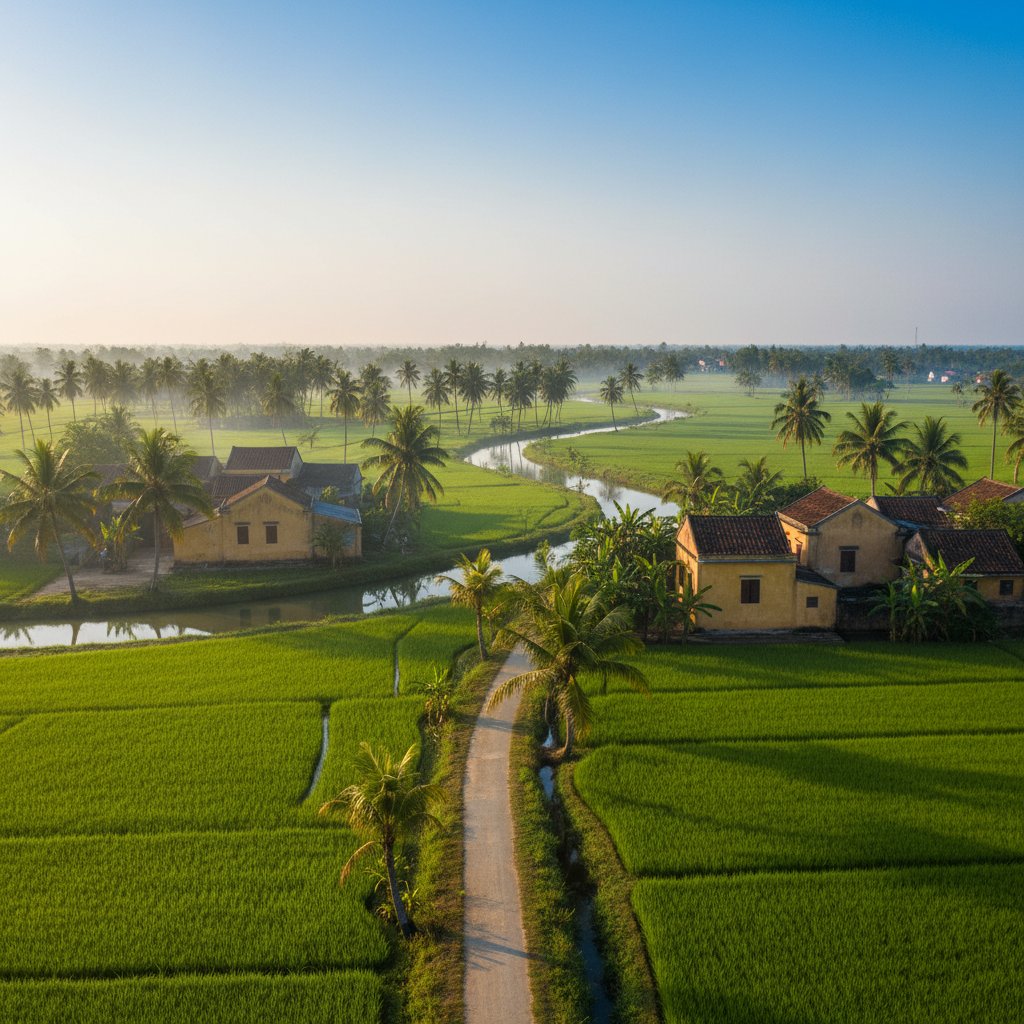
Quảng Nam is a captivating coastal province in central Vietnam, celebrated for its profound historical roots and stunning natural landscapes. Serving…

#historical sites#cultural heritage#UNESCO World Heritage Site#beaches#traditional architecture

Explore Quang Nam

Top cities in Quang Nam

Pick a city to open its guide.

See it for yourself

Location videos

Reels and longer watches.

Watch & explore

Good to know

Practical info

Weather, costs and getting around.

Quảng Nam, Vietnam Open in Google Maps
Currency
₫ | VND | Vietnamese đồng
Population
1.52 million (2022)
Density
144 / km²
Local time
Languages
Vietnamese mainly · English
Budget / day
₫600000 - ₫3000000
Also known as
Quảng Nam, Việt Nam, Quảng Nam Province

Know before you go

Local guide

A deeper read on Quang Nam.

What people love

Quảng Nam offers an exceptional blend of cultural heritage and natural beauty. It boasts two UNESCO World Heritage Sites—Hoi An Ancient Town and My Son Sanctuary—providing unparalleled historical exploration. The province features stunning, uncrowded beaches like An Bang and the pristine Cham Islands for nature lovers. Food enthusiasts will delight in unique regional specialties such as Cao Lau and White Rose dumplings. Additionally, the slower pace of life and welcoming locals make it a highly relaxing and authentic destination compared to Vietnam's bustling megacities.

What to know

The tropical monsoon climate can be a drawback, with a distinct rainy season from September to December that often brings heavy downpours and occasional flooding, particularly in Hoi An. During peak tourist seasons, popular spots like the Ancient Town can become overwhelmingly crowded, diminishing the historic charm. English is widely spoken in tourist hubs, but a language barrier exists in more rural areas. Additionally, public transportation options are limited, making getting around outside the main towns reliant on taxis or rented motorbikes.

Quảng Nam is a province located in central Vietnam and has a rich history dating back to ancient times. The area was originally inhabited by various indigenous groups before coming under the rule of the Champa Kingdom around the 4th century. The Champa Kingdom left a significant mark on the region with their unique culture, architecture, and religious practices.

In the 15th century, Quảng Nam became part of the Dai Viet Kingdom (later known as Vietnam) and experienced a period of growth and prosperity. The province was an important center of trade and commerce, attracting merchants from China, Japan, and Europe. Hội An, a UNESCO World Heritage Site located in Quảng Nam, was a bustling port city during this time, known for its well-preserved ancient town and mix of architectural influences.

During the 19th and 20th centuries, Quảng Nam played a significant role in Vietnam's struggle for independence from colonial powers. Many local residents actively participated in anti-colonial movements and the fight against foreign occupation. The province was also heavily affected by the Vietnam War, with key battles taking place in the region.

Today, Quảng Nam is known for its cultural heritage, picturesque landscapes, and vibrant communities. Hội An Ancient Town remains a major tourist attraction, drawing visitors from around the world with its historic buildings, lantern-lit streets, and traditional festivals. The province is also home to My Son Sanctuary, another UNESCO World Heritage Site, which showcases the ancient ruins of the Champa civilization.

In terms of landmarks, Quảng Nam boasts a diverse range of attractions, including the Japanese Covered Bridge, Quan Cong Temple, Tan Ky Old House, and the Museum of Sa Huynh Culture. These sites offer a glimpse into the province's rich history and cultural heritage.

Overall, Quảng Nam's history is a tapestry of ancient civilizations, colonial struggles, and modern developments, making it a fascinating destination for travelers and historians alike.