

Vietnam
Country

Vietnam

Vietnam

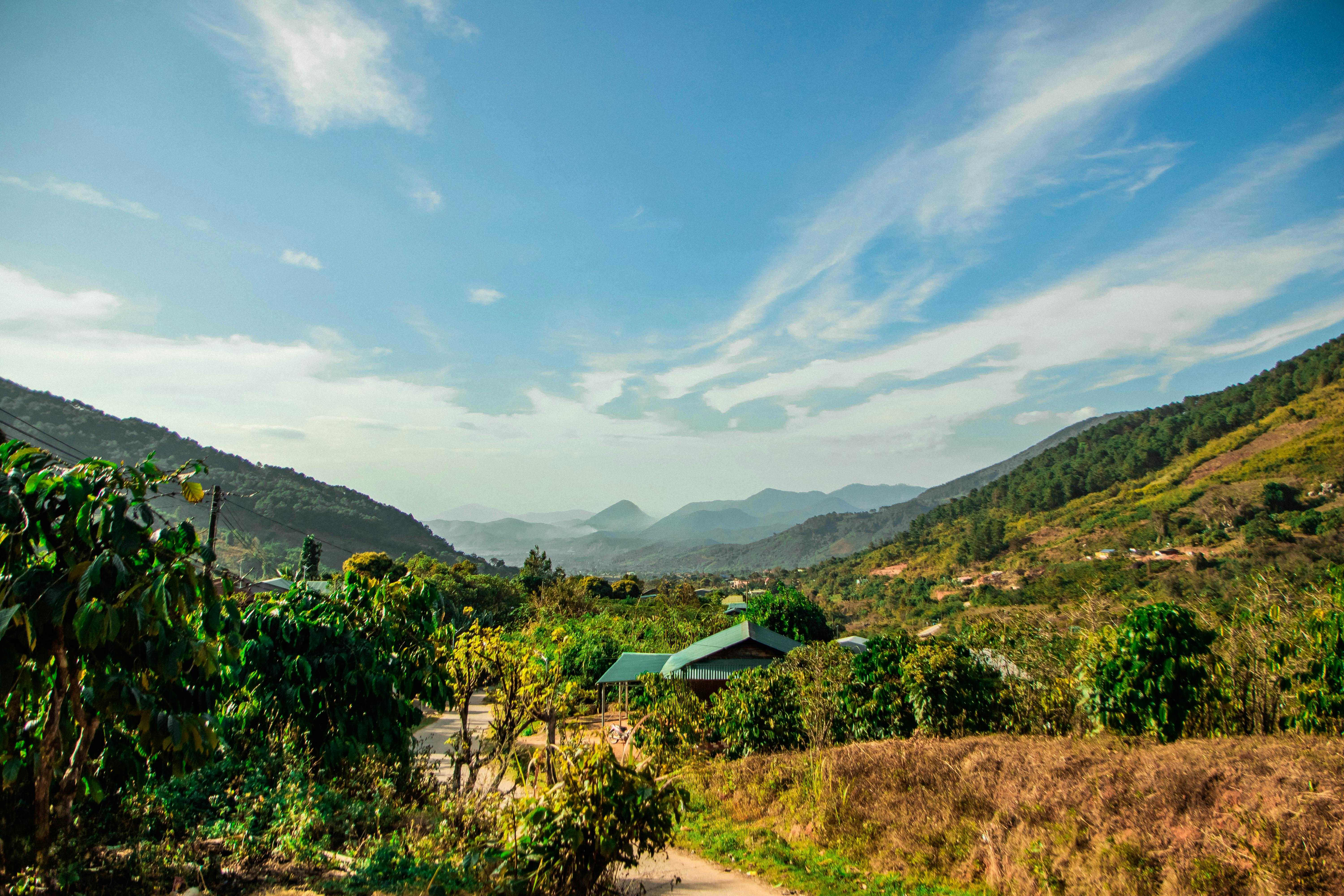
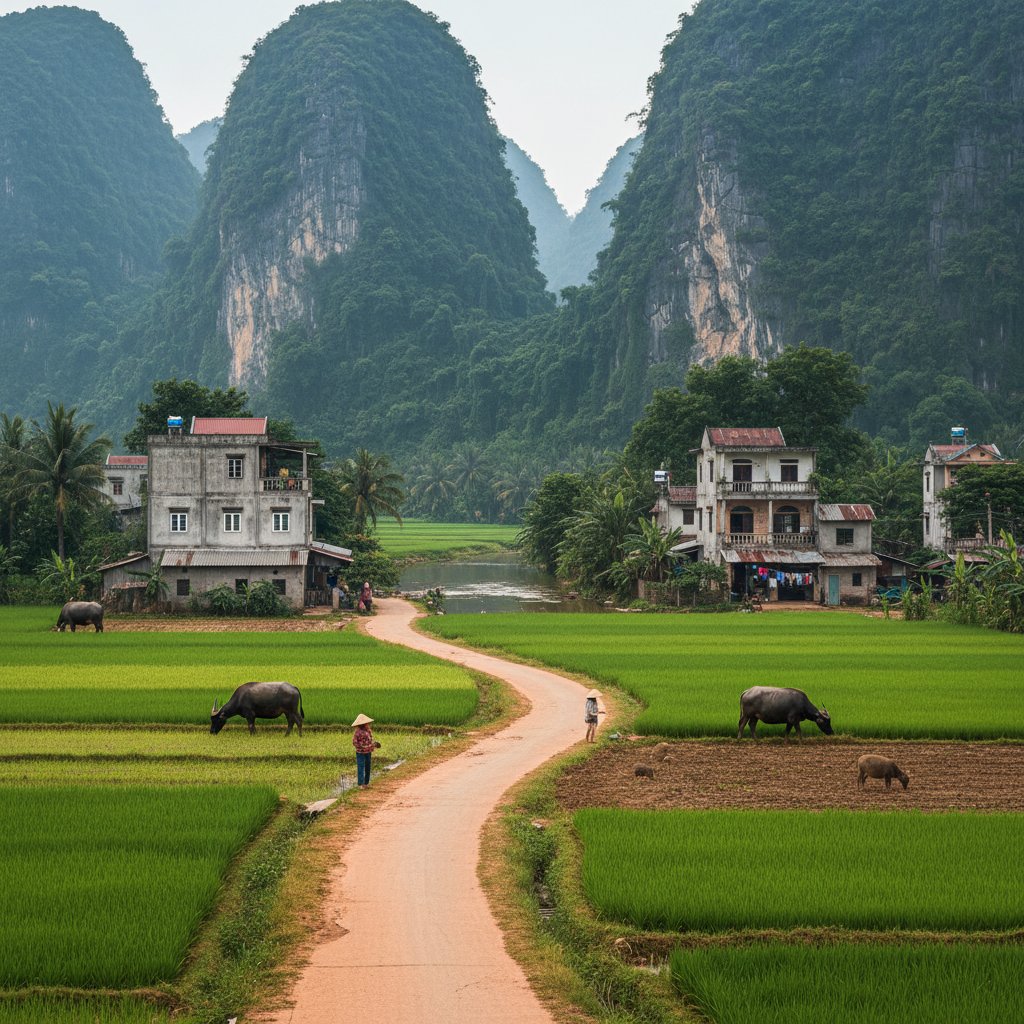
Vietnam, a captivating Southeast Asian country on the South China Sea, is renowned for its breathtaking natural beauty, ranging from the lush rice…

#Southeast Asia#Tropical climate#Cultural diversity#Vietnamese cuisine#Historical landmarks

Explore Vietnam

Top cities in Vietnam

Pick a city to open its guide.

See it for yourself

Location videos

Reels and longer watches.

Featured for Vietnam

Traveller clips picked out for this place.

Watch & explore

Good to know

Practical info

Weather, costs and getting around.

Currency
₫ | VND | Vietnamese Dong
Population
100.3 million (2023)
Density
314 / km²
Local time
Languages
Vietnamese mainly · English, French, Chinese
Budget / day
₫700000 - ₫3500000
Also known as
Annam, North Vietnam, French Indochina, South Vietnam, Đại Việt

Know before you go

Local guide

A deeper read on Vietnam.

What people love

Vietnam is a captivating destination offering a rich blend of history, culture, and stunning natural landscapes. Travelers are drawn to its breathtaking scenery, from the limestone karsts of Ha Long Bay to the terraced rice fields of Sapa. The country is incredibly budget-friendly, providing excellent value for accommodation, transportation, and tours. Vietnamese cuisine is world-renowned, offering fresh, flavorful dishes like pho and banh mi at every corner. Additionally, the warm hospitality of the locals makes visitors feel welcome, while the diverse range of activities—from motorbiking through rural villages to relaxing on pristine beaches—ensures there is something for everyone.

What to know

Traveling in Vietnam can present a few challenges, most notably the chaotic traffic in major cities like Hanoi and Ho Chi Minh City, which can be overwhelming and makes crossing the street an adventure. The language barrier can also be an issue outside of tourist hubs, as English is not universally spoken. Visitors should be cautious of common tourist scams, such as overcharging by taxis or street vendors. Additionally, air pollution in the big cities can be quite high, and the hot, humid tropical climate may be uncomfortable for some, especially during the intense summer monsoon season.

Vietnam’s history is a profound tapestry of ancient kingdoms, fierce resistance against foreign domination, and a vibrant cultural evolution. The nation's origins trace back to the legendary Hồng Bàng dynasty and the kingdom of Văn Lang around 2879 BC. For over a millennium, early Vietnamese states flourished in the Red River Delta, developing distinct bronze-age cultures like the Đông Sơn. However, in 111 BC, the Han dynasty conquered the region, initiating over a thousand years of Chinese rule. This period deeply influenced Vietnamese culture, religion, and administration, yet it was also marked by relentless rebellions, most notably by the Trưng Sisters in 40 AD.

Vietnam finally regained its independence in 938 AD following Ngô Quyền’s decisive victory at the Battle of Bạch Đằng River. This ushered in a golden era of sovereign dynasties, including the Lý, Trần, and Lê. These dynasties successfully defended the country against repeated Mongol invasions and gradually expanded Vietnam’s territory southward, absorbing the Champa Kingdom and parts of the Khmer Empire in a centuries-long process known as the Nam Tiến (Southward March).

In the mid-19th century, Vietnam’s trajectory shifted dramatically when it was colonized by France, becoming part of French Indochina. French rule brought infrastructure and Western education but also severe exploitation, sparking numerous nationalist movements. Following World War II, Hồ Chí Minh declared independence in 1945, leading to the First Indochina War. The decisive Vietnamese victory at Điện Biên Phủ in 1954 ended French rule but left the country divided at the 17th parallel into the communist North and the anti-communist South.

This division escalated into the devastating Vietnam War (known locally as the Resistance War Against America), which lasted until 1975. The conflict ended with the fall of Saigon and the reunification of the country under a communist government. The immediate post-war years were characterized by severe economic hardship, international isolation, and border conflicts with Cambodia and China.

In 1986, the government introduced the "Đổi Mới" (Renovation) economic reforms, transitioning Vietnam from a centrally planned economy to a socialist-oriented market economy. This pivotal shift sparked rapid economic growth, transforming Vietnam into one of the most dynamic and fastest-growing economies in Southeast Asia. Today, curious travelers can explore this rich, complex history through ancient citadels in Huế, the labyrinthine Củ Chi Tunnels, the colonial architecture of Hà Nội, and the bustling, forward-looking streets of Hồ Chí Minh City.

Traveler ratings

How Vietnam rates

From verified Travafa trips.

4.0
Very good
Based on traveler reviews
Category ratings appear once travelers review Vietnam.
Good for
0%
Friends
0%
Family
0%
Couple
0%
Solo
0%
Pets