
Puglia
· IT

Puglia

Puglia, Italy

Puglia: Italy's Undiscovered Gem Beckons You Escape the ordinary and step into a sun-drenched paradise where turquoise waters lap against dramatic cliffs, ancient olive groves whisper secrets in the breeze, and charming …

#Southern Italy#Mediterranean Sea#Olive groves#Trulli houses#Baroque architecture
1/8

Top hotels & flights

Hand-picked stays and the best fares into Puglia.

Top Hotels in Puglia

Top Flights to Puglia

Popular activities

Tours, tickets and experiences travelers book most in Puglia.

Tours

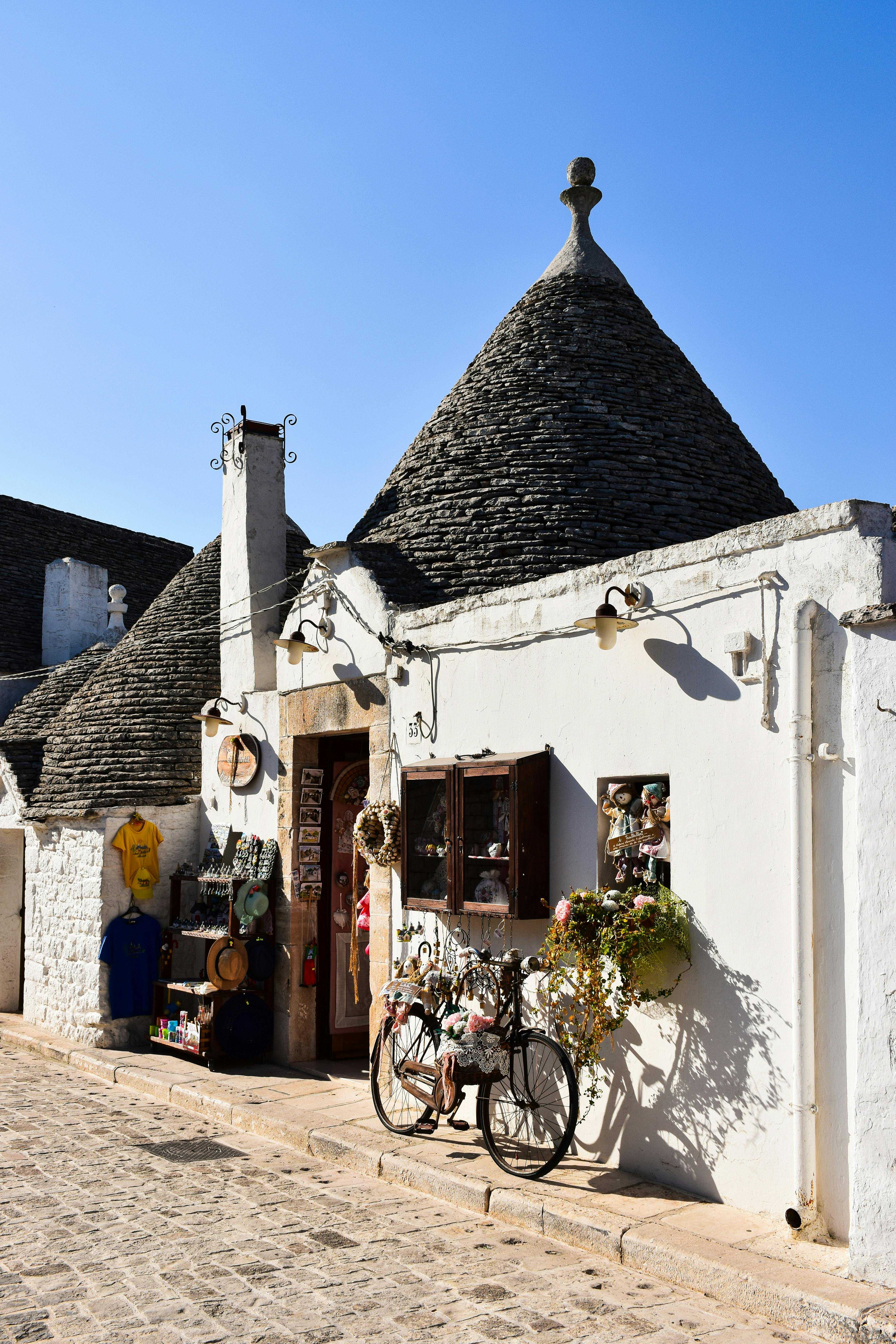
Alberobello Trulli

Explore the iconic trulli houses of Alberobello, a UNESCO World Heritage site known for its distinct conical-roofed stone buildings.

Lecce Baroque Tour

Discover the baroque architecture of Lecce, often called the 'Florence of the South'.

Castel del Monte Visit

Visit the mysterious octagonal castle, a UNESCO World Heritage site, known for its unique geometry and historical significance.

Matera Cave Dwellings

Discover the ancient cave dwellings of Matera, a city that served as the European Capital of Culture.

Shopping

Bari Shopping Experience

Explore the vibrant markets and chic boutiques of Bari for a diverse shopping experience.

Brindisi Waterfront Shopping

Enjoy a shopping spree along the scenic waterfront of Brindisi, offering both local and international brands.

Outdoor

Gargano National Park Hiking

Experience the natural beauty of Puglia by hiking in Gargano National Park, featuring diverse trails and breathtaking views.

Puglia Coastal Biking

Enjoy cycling along Puglia's picturesque coastline, exploring charming villages and stunning beaches.

Tremiti Islands Boat Tour

Explore the Adriatic's Tremiti Islands by boat, known for crystal clear waters and rich marine life.

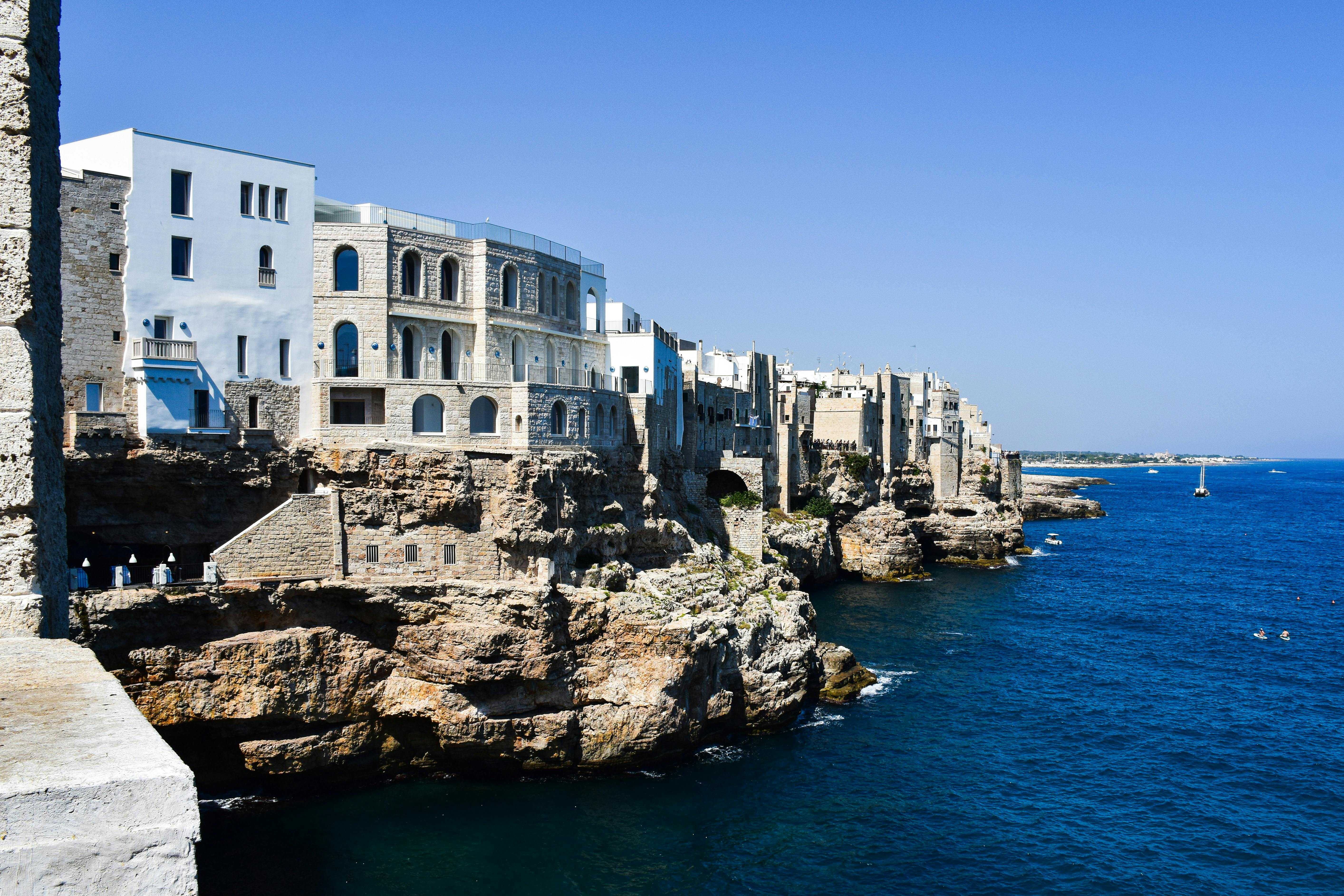
Polignano a Mare Cliff Diving

Experience the thrill of cliff diving into the clear blue waters of Polignano a Mare.

Location videos

Real reels from travelers, plus longer watches to get the full picture.

From travelers
Watch & explore

Practical info

The essentials for planning your time in Puglia.

Currency
€ | EUR | Euro
Population
The approximate estimated total population of Puglia, Italy, is 4.0 million.
Languages
Italian, Salentino, Barese, English

Local guide

What travelers love, what to watch for, and a deeper read on Puglia.

What people love

Puglia, located in southern Italy, offers a variety of attractions and experiences for travelers. Some of the pros of traveling to Puglia include:

  1. Stunning coastline: Puglia is known for its beautiful coastline with crystal-clear waters and picturesque beaches. Visitors can enjoy sunbathing, swimming, and water sports in places like Polignano a Mare, Gallipoli, and Otranto.

  2. Charming towns and villages: Puglia is dotted with charming towns and villages, each with its own unique character and history. Alberobello, famous for its trulli houses, and Lecce, known for its baroque architecture, are must-visit destinations.

  3. Delicious cuisine: Puglia is a food lover's paradise, offering a variety of delicious dishes such as orecchiette pasta, burrata cheese, and fresh seafood. Visitors can also enjoy olive oil tastings and wine tours in the region.

  4. Rich history and culture: Puglia has a rich history dating back to ancient times, with influences from Greek, Roman, and Norman civilizations. Visitors can explore historic sites such as the Castel del Monte and the ancient city of Egnazia.

  5. Authentic Italian experience: Puglia is known for its laid-back atmosphere and friendly locals, making it a great destination for those looking to experience authentic Italian culture away from the crowds.

Overall, traveling to Puglia offers a unique blend of natural beauty, cultural heritage, and culinary delights, making it a memorable destination for any traveler.

What to know

Some potential cons of traveling to Puglia, Italy could include:

  1. Limited public transportation: While Puglia has some public transportation options like buses and trains, the service may not be as extensive or reliable as in more urban areas. This could make it more challenging to get around and explore the region, especially if you are not renting a car.

  2. Language barrier: English may not be as widely spoken in Puglia compared to more touristy regions of Italy, so communication could be a bit more challenging for non-Italian speakers.

  3. Seasonal crowds: During peak tourist seasons, Puglia can get quite crowded with visitors, especially in popular towns like Alberobello and Lecce. This could result in longer wait times at attractions and restaurants, as well as higher prices.

  4. Limited nightlife: While Puglia has a vibrant food and wine scene, the region may not offer as much in terms of nightlife compared to cities like Rome or Milan. If you're looking for a lively party scene, you may be disappointed in Puglia.

  5. Limited English menus: In some smaller towns and traditional restaurants in Puglia, menus may only be available in Italian, making it difficult for non-Italian speakers to navigate the dishes and ingredients.

It's important to note that these are potential cons and may not apply to every traveler's experience in Puglia. Overall, Puglia is a beautiful region with rich history, delicious cuisine, and stunning landscapes that can make for a memorable travel experience.

Puglia, also known as Apulia, is a region located in the southern part of Italy, characterized by its rich history, distinctive architecture, and vibrant culture. Here is a detailed account of its history, significant events, historical figures, and important landmarks:

Ancient History

  • Prehistoric and Mesolithic Periods: Puglia has been inhabited since prehistoric times, evidenced by numerous archaeological findings such as cave paintings in the Gargano area.
  • Greek Influence: By the 8th century BC, the Greeks began to establish colonies along the coast, notably in Taranto (Taras), which became a significant city in Magna Graecia.
  • Roman Conquest: Puglia was conquered by the Romans in the 3rd century BC. It became a vital region for the Roman Empire, serving as a bridge to the East. The Via Appia, one of the earliest and strategically most important Roman roads, connected Rome with Brindisi, a key port in Puglia.

Middle Ages

  • Byzantine and Lombard Rule: After the fall of the Western Roman Empire, Puglia came under Byzantine control. The Lombards also invaded, creating a period of conflict and cultural blending.
  • Norman Conquest: In the 11th century, the Normans, led by Robert Guiscard, conquered Puglia. The region became part of the Kingdom of Sicily.
  • Frederick II: The Holy Roman Emperor Frederick II played a significant role in Puglia's history during the 13th century. He built several castles, including the famous Castel del Monte, and promoted arts and culture.

Renaissance to Modern Era

  • Spanish Rule: Puglia was under Spanish control from the 16th to the 18th century, which brought architectural and cultural influences.
  • Risorgimento: In the 19th century, Puglia was part of the unification movements that led to the creation of modern Italy in 1861.

Significant Historical Figures

  • Frederick II: Known for his cultural patronage and the construction of iconic landmarks.
  • Giorgio Castriota (Skanderbeg): Although primarily associated with Albania, Skanderbeg's interactions with Puglia were significant during his conflicts with the Ottomans.

Important Landmarks

  • Castel del Monte: A UNESCO World Heritage Site, this unique octagonal castle was built by Frederick II and is noted for its blend of cultural influences.
  • Trulli of Alberobello: These conical-roofed houses, also a UNESCO World Heritage Site, are iconic symbols of Puglia.
  • Basilica di San Nicola in Bari: An important pilgrimage site, where the relics of Saint Nicholas are housed.
  • Otranto Cathedral: Known for its stunning floor mosaics and historical significance.
  • Tremiti Islands: An archipelago off the coast of Puglia, known for its natural beauty and historical monasteries.

Cultural and Economic Developments

  • Agriculture and Trade: Puglia has historically been an agricultural hub, known for olive oil, wine, and wheat production. Its ports have facilitated trade across the Adriatic and Mediterranean.
  • Cultural Heritage: The region boasts a rich tradition of music, dance (such as the Tarantella), and festivals reflecting a blend of Greek, Roman, Byzantine, and Norman influences.

Puglia's history is marked by a series of cultural and political transformations, which have left a lasting legacy visible in its architecture, traditions, and regional identity.