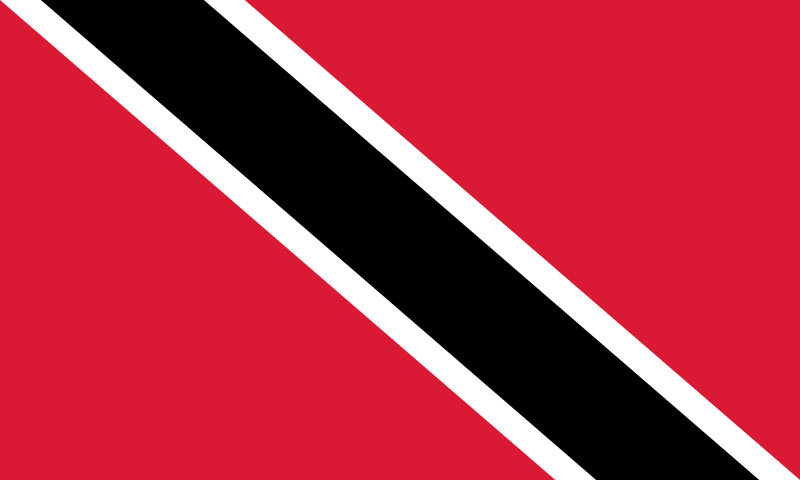

Port of Spain
City · Trinidad and Tobago

Port of Spain

Port of Spain, Port of Spain, Trinidad and Tobago

Port of Spain, the vibrant capital of Trinidad and Tobago, is a bustling Caribbean metropolis where modern skyscrapers meet colonial architecture…

#capital city#port city#cultural hub#Caribbean#tourist destination

Top Hotels in Port of Spain

Top Flights to Port of Spain

Flying from

Top Activities in Port of Spain

Highlights

Things to do in Port of Spain

What travellers talk about most.

Tours

Visit the National Museum and Art Gallery

Discover Trinidad and Tobago's history and culture through diverse collections of geology, natural history, and art.

4.3(398)

Visit Emperor Valley Zoo

Home to a wide variety of animals, offering educational talks and feeding sessions.

4.2(3.7k)TTD 30

Explore Fort George

Hike to historical Fort George and enjoy panoramic views of Port of Spain and beyond.

4.5(925)

Shopping

Shopping Day in Downtown Port of Spain

Visit the bustling streets of downtown Port of Spain for a local shopping experience.

Shop at The Falls at Westmall

Experience a variety of shopping and dining options at one of the premier malls in Trinidad.

4.3(5.5k)

Outdoor

Caroni Bird Sanctuary Tour

Take a guided boat tour to see the scarlet ibis and other wildlife in the Caroni Swamp.

4.5(229)TTD 100

Maracas Beach Day

Enjoy sun, sea, and sand at Trinidad's most popular beach, with local food and scenic views.

4.6(396)

Zip-lining Adventure

Experience the thrill of zip-lining through lush forests and over rivers near Port of Spain.

TTD 150

Hiking at Las Cuevas

Explore coastal trails and enjoy secluded beaches while hiking around Las Cuevas.

5.0(1)

Explore Queen's Park Savannah

Visit the largest roundabout in the world and enjoy open spaces perfect for walking, jogging, and sightseeing.

4.4(9.8k)

See it for yourself

Location videos

Reels and longer watches.

Featured for Port of Spain

Traveller clips picked out for this place.

Watch & explore

Good to know

Practical info

Weather, costs and getting around.

Port of Spain, Port of Spain, Trinidad and Tobago Open in Google Maps
When to go

Scored from each month’s typical high and its usual conditions.

GoodMixedAvoid
Best monthsJan – Apr
Worth avoidingMay – Dec
September · rainHigh 31°C Low 24°C
Avoid

Port of Spain, located in Trinidad and Tobago, enjoys a tropical climate characterized by warm temperatures and high humidity year-round. The average temperatures typically range from the mid-70s to mid-80s Fahrenheit (mid-20s to low-30s Celsius). The city experiences a wet season from June to December, with increased rainfall and the possibility of tropical storms, and a dry season from January to May, which is generally sunnier with less rain. Travelers should be prepared for sudden rain showers but can also expect plenty of sunshine, especially during the dry season.

All 12 monthshighs, lows and conditions
Jan
sun
30°22°
Feb
sun
30°22°
Mar
sun
31°23°
Apr
sun
31°23°
May
rain
31°24°
Jun
rain
31°24°
Jul
rain
31°24°
Aug
rain
31°24°
Sep
rain
31°24°
Oct
rain
31°24°
Nov
rain
31°23°
Dec
rain
30°23°
Currency
TT$ | TTD | Trinidad and Tobago Dollar
Population
37,074 (2011)
Density
3,090 / km²
Local time
Languages
English mainly · Caribbean English, Trinidadian Creole
Budget / day
TT$700 - TT$3000
Also known as
City of Port of Spain, Capital City of Trinidad and Tobago, Puerto de España (Spanish)

Know before you go

Local guide

A deeper read on Port of Spain.

What people love

Port of Spain is a captivating destination that offers a unique blend of cultural diversity, historical intrigue, and vibrant entertainment. The city is world-renowned for its spectacular Carnival, featuring unmatched energy, music, and costumes. Food lovers will be thrilled by the eclectic culinary scene, which ranges from exquisite fine dining to mouthwatering street food like doubles. The city also serves as an excellent base for exploring nearby natural attractions, including lush mountains and the Caroni Bird Sanctuary. With its lively nightlife, welcoming locals, and rich architectural heritage, Port of Spain provides a truly dynamic Caribbean experience.

What to know

While Port of Spain is culturally rich, it does present some challenges for travelers. Crime is a significant concern, and visitors must exercise heightened vigilance, particularly at night and in certain neighborhoods. The city also suffers from heavy traffic congestion, which can make getting around slow and frustrating during peak hours. Public transportation, though available, can be unpredictable and difficult for newcomers to navigate. Additionally, as a major commercial hub, the cost of accommodation and dining can be relatively high compared to other parts of the island. The tropical climate also means occasional heavy downpours and high humidity.

Port of Spain, the capital city of Trinidad and Tobago, has a rich and diverse history that reflects its strategic location and cultural significance in the Caribbean. Here's a detailed overview:

Early History

  • Indigenous Peoples: Before European colonization, the area was inhabited by the indigenous Arawak and Carib peoples.
  • Spanish Colonization: In 1560, the Spanish established a presence in Trinidad, and by 1595, they had moved their capital to St. Joseph. Port of Spain began as a small port and grew gradually as a settlement.

Colonial Era

  • British Control: In 1797, the British captured Trinidad from the Spanish. Port of Spain became the capital in 1783, replacing the town of San José de Oruña (St. Joseph).
  • Development and Growth: Under British rule, Port of Spain expanded rapidly. The city became a hub for trade, especially in sugar, cocoa, and coffee.

19th Century

  • Emancipation and Immigration: The abolition of slavery in 1833 led to significant demographic changes. The city saw an influx of indentured laborers from India, China, and the Middle East, contributing to its multicultural population.
  • Infrastructure Development: The city saw improvements in infrastructure, including the construction of the Port of Spain Lighthouse in 1842 and Queen's Park Savannah.

20th Century

  • Political Movements: The early 20th century was marked by the rise of nationalist movements. Figures like Uriah Butler and Eric Williams played significant roles in advocating for workers' rights and independence.
  • Independence: Trinidad and Tobago gained independence from the United Kingdom on August 31, 1962, with Port of Spain as its capital.

Landmarks and Cultural Significance

  • Queen's Park Savannah: A large park at the center of the city, it is surrounded by notable buildings such as the President's House and the Magnificent Seven, a group of colonial-era mansions.
  • Red House: The seat of Parliament in Trinidad and Tobago, known for its distinct colonial architecture.
  • Cathedral of the Immaculate Conception: A Roman Catholic cathedral that is an iconic religious site in the city.
  • Carnival: Port of Spain is famous for its annual Carnival, a vibrant cultural festival featuring music, dance, and elaborate costumes.

Recent Developments

  • Economic Hub: Today, Port of Spain is a major financial and cultural center in the Caribbean. It hosts the headquarters of several regional and international organizations.
  • Cultural Diversity: The city's diverse population is reflected in its rich cultural tapestry, with influences from African, Indian, European, and indigenous heritages.

Overall, Port of Spain's history is a testament to its importance as a cultural and economic center in the Caribbean, shaped by its colonial past and diverse population.