
Trinidad and Tobago
· TT

Trinidad and Tobago

Trinidad and Tobago

Dive into the Rhythmic Soul of Trinidad and Tobago Trinidad and Tobago, twin islands floating just off the coast of Venezuela, offer a vibrant tapestry of Caribbean charm and cosmopolitan cool. More than just sun-drenche…

#Caribbean#Island nation#Tropical climate#Carnival#Beaches
1/7

Top hotels & flights

Hand-picked stays and the best fares into Trinidad and Tobago.

Top Hotels in Port of Spain

Top Flights to Port of Spain

Popular activities

Tours, tickets and experiences travelers book most in Trinidad and Tobago.

Tours

Asa Wright Nature Centre

A birdwatcher's paradise and ecological research station set in a tropical rainforest, perfect for nature tours.

Queen's Park Savannah

Explore Trinidad's largest open space, surrounded by historical sites and the Botanic Gardens.

Caroni Bird Sanctuary

Boat tours through mangrove swamp habitats to see the Scarlet Ibis and other wildlife.

The Nylon Pool and Buccoo Reef

A natural, shallow white ground coral pool located in the middle of the ocean.

Shopping

Port of Spain Shopping

Explore diverse shopping options in the capital city, from local crafts to international brands.

Trinidad's Night Markets

Experience the vibrant night markets with street food, crafts, and live music.

Outdoor

Maracas Beach Experience

A beautiful beach with white sand and clear waters, popular for swimming and sunbathing.

Tobago Main Ridge Forest Reserve

Enjoy a guided hike in the oldest protected rainforest in the Western Hemisphere.

Store Bay

A popular beach destination with amenities and local food vendors.

Pigeon Point Heritage Park

A stunning beach resort area on Tobago popular for day trips, water sports, and relaxation.

Location videos

Real reels from travelers, plus longer watches to get the full picture.

From travelers
Watch & explore

Practical info

The essentials for planning your time in Trinidad and Tobago.

Currency
TT$ | TTD | Trinidad and Tobago Dollar
Population
1.4 million
Languages
English, Trinidadian Creole, Tobagonian Creole, Caribbean Hindustani, Spanish
Average weather
Trinidad and Tobago
Jan
sun
30°22°
Feb
sun
30°22°
Mar
sun
31°23°
Apr
sun
31°23°
May
rain
31°24°
Jun
rain
31°24°
Jul
rain
31°24°
Aug
rain
31°24°
Sep
rain
31°24°
Oct
rain
31°24°
Nov
rain
31°23°
Dec
sun
30°23°

Local guide

What travelers love, what to watch for, and a deeper read on Trinidad and Tobago.

What people love

Trinidad and Tobago is a beautiful destination with a rich culture and diverse natural landscapes. Here are some pros of traveling to Trinidad and Tobago:

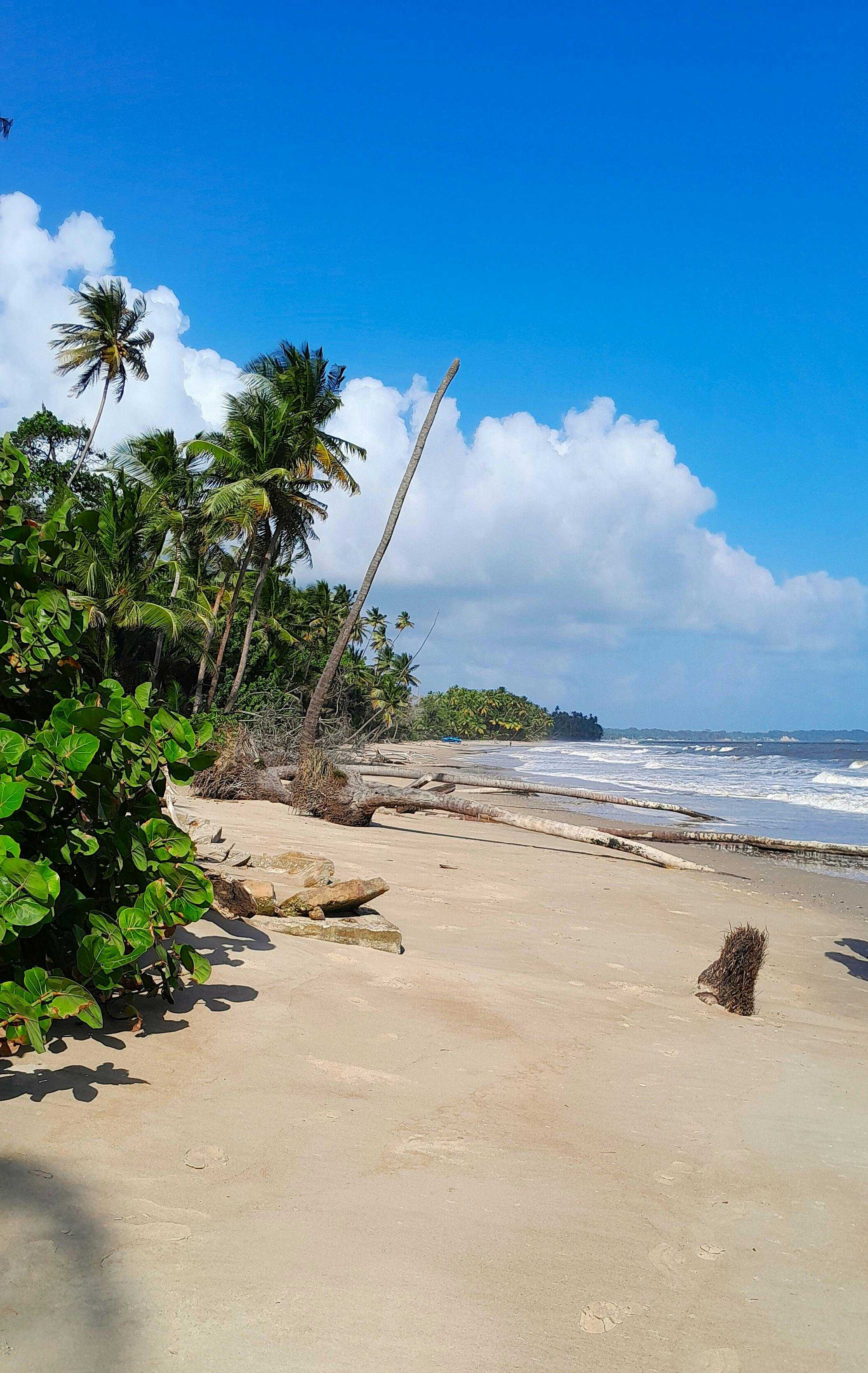
  1. Stunning Beaches: Trinidad and Tobago boast beautiful beaches with crystal-clear waters and powdery white sands. You can enjoy activities such as swimming, snorkeling, diving, and relaxing under the sun.

  2. Carnival Celebration: Trinidad and Tobago is famous for its vibrant and colorful Carnival celebration, which is one of the biggest and most exciting in the Caribbean. Visitors can experience lively music, dazzling costumes, and energetic street parades.

  3. Diverse Culture: Trinidad and Tobago is a melting pot of cultures, including African, Indian, European, and indigenous influences. This diversity is reflected in the cuisine, music, art, and festivals of the islands.

  4. Outdoor Adventures: The islands offer a range of outdoor activities for nature lovers and adventure seekers. You can explore lush rainforests, hike to scenic waterfalls, birdwatch in mangrove swamps, or go zip-lining through the treetops.

  5. Wildlife Watching: Trinidad and Tobago are home to a variety of unique wildlife species, including exotic birds like the Scarlet Ibis and the national bird, the Cocrico. You can visit wildlife sanctuaries and nature reserves to observe these creatures in their natural habitats.

  6. Friendly Locals: The people of Trinidad and Tobago are known for their warm hospitality and friendly demeanor. You will feel welcomed and at home as you interact with locals and immerse yourself in the local culture.

Overall, traveling to Trinidad and Tobago offers a wonderful mix of natural beauty, cultural experiences, and outdoor adventures that will make your trip memorable and rewarding.

What to know

Traveling to Trinidad and Tobago, like any other destination, comes with its own set of challenges and potential drawbacks. Here are some cons to consider:

  1. Crime Rates: Trinidad and Tobago has relatively high crime rates, particularly in certain areas of the country. Visitors should be cautious and take necessary safety precautions to avoid becoming victims of crime.

  2. Hurricane Risk: Located in the Caribbean, Trinidad and Tobago is susceptible to hurricanes during the Atlantic hurricane season, which runs from June to November. Travelers may need to consider the potential impact of hurricanes on their trip.

  3. Traffic Congestion: The islands can experience traffic congestion, especially during peak hours in urban areas like Port of Spain. This can lead to delays and frustration for travelers trying to get around.

  4. Limited Public Transportation: While Trinidad and Tobago does have public transportation options, they may not be as reliable or extensive as in other countries. Renting a car may be necessary for convenient travel around the islands.

  5. Health Concerns: Like many tropical destinations, Trinidad and Tobago has certain health risks such as mosquito-borne diseases like dengue fever and Zika virus. Travelers should take precautions to avoid such illnesses.

  6. Cost of Living: The cost of living in Trinidad and Tobago can be relatively high, especially in tourist areas. Travelers should be prepared for potentially expensive accommodations, dining, and activities.

It's important to note that despite these cons, Trinidad and Tobago is a beautiful destination with a rich culture, stunning landscapes, and warm hospitality. By being aware of the potential challenges and taking necessary precautions, travelers can still have a wonderful experience exploring these vibrant islands.

Trinidad and Tobago is a twin-island country located at the southernmost part of the Caribbean, near the northeastern coast of Venezuela. Its history is rich and diverse, marked by a mix of indigenous, colonial, and post-colonial influences.

Pre-Colonial Period

Before European colonization, Trinidad and Tobago were inhabited by indigenous peoples such as the Arawak and Carib. These groups had their own distinct languages, cultures, and social systems.

European Colonization

  • 1498: Christopher Columbus sighted Trinidad on his third voyage to the Americas and claimed it for Spain. Tobago was named "Bella Forma" but was not settled at this time.
  • 16th-17th Century: Trinidad remained relatively undeveloped by the Spanish despite attempts at colonization. Tobago, on the other hand, changed hands between Spanish, British, French, Dutch, and Courlander (Latvian) powers multiple times due to its strategic location and fertile lands.

British Rule

  • 1797: Trinidad was captured by the British from the Spanish. The island formally became a British colony in 1802 under the Treaty of Amiens.
  • 19th Century: The British developed Trinidad's agriculture, relying heavily on African slave labor. The sugar and cocoa industries were particularly significant.
  • 1834: Slavery was abolished, leading to labor shortages. This prompted the British to bring indentured laborers from India, China, and other places.

Independence Movement

  • 1956: The People’s National Movement (PNM), led by Dr. Eric Williams, won the general elections. Williams is considered a pivotal figure in the country's push for greater autonomy.
  • 1962: Trinidad and Tobago gained independence from the United Kingdom on August 31st, 1962.
  • 1976: The country became a republic within the Commonwealth, with a President as the head of state.

Post-Independence

  • 1970: The Black Power movement led to significant social and political changes, addressing racial inequalities.
  • 1990: A coup attempt by the Jamaat al Muslimeen, an Islamist group, briefly took control of the government. The coup failed after several days, but it highlighted underlying social tensions.
  • 2000s: Trinidad and Tobago emerged as a significant energy-based economy, primarily due to its oil and natural gas reserves.

Modern Day

Today, Trinidad and Tobago are known for their cultural diversity, vibrant festivals like Carnival, and a strong economy driven by energy exports. The country also plays a significant role in Caribbean regional affairs.

Important Landmarks

  • The Magnificent Seven: A group of imposing mansions around the Queen’s Park Savannah in Port of Spain.
  • Pitch Lake: The largest natural deposit of asphalt in the world, located in La Brea, Trinidad.
  • Maracas Bay: A famous beach on the northern coast of Trinidad.
  • Tobago's Buccoo Reef: Renowned for its coral reefs, it’s a popular spot for snorkeling and diving.
  • Temple in the Sea: Located in Waterloo, Trinidad, this Hindu temple is an important religious site and symbol of resilience.

Cultural Figures

  • V.S. Naipaul: Nobel Laureate in Literature, born in Trinidad, known for works exploring post-colonial themes.
  • Calypso Rose: A pioneering female calypso and soca artist, contributing significantly to Caribbean music.

Trinidad and Tobago's history is marked by its colonial past, the struggle for independence, and its evolution into a vibrant, multicultural nation.